Rotating Stomach Stretch
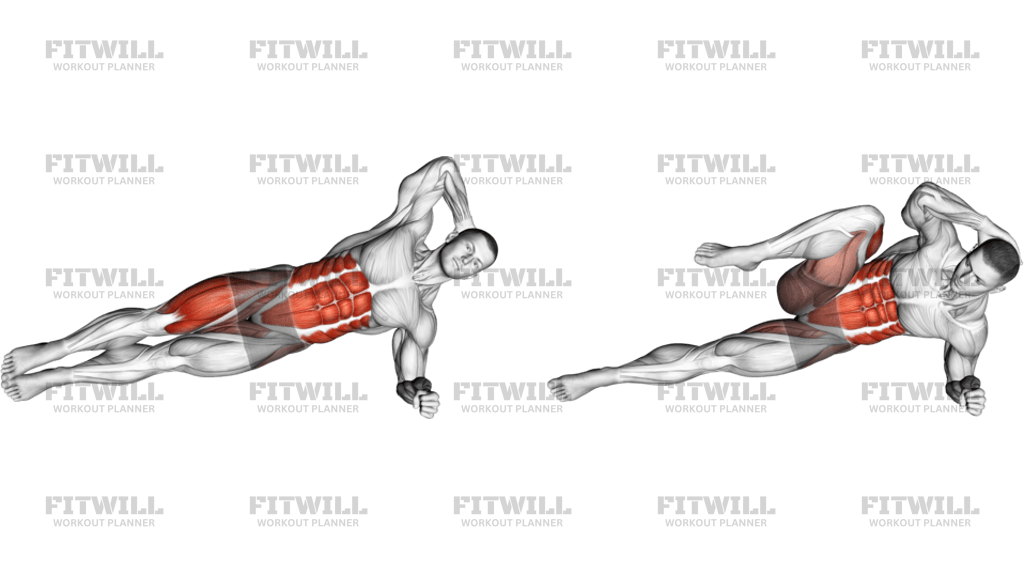
Rotating Stomach Stretch is a floor-based mobility drill for the waist, core, and hips. The image shows a prone start on an exercise mat with the chest supported by the hands, the legs extended behind, and the torso turned to create a controlled stretch through the front of the abdomen and the side of the trunk. It is less about loading and more about using a stable setup to open the body without losing control.
The value of the exercise comes from the way it combines gentle extension with rotation. When the ribcage turns while the hips stay heavy on the floor, the front of the waist, lower abdomen, and hip line can open without the movement turning into a sloppy backbend. That makes the drill useful for people who feel stiff after sitting, after heavy lower-body work, or before sessions that need better trunk mobility.
The setup matters because the chest, shoulders, and pelvis all have to cooperate. A clean repetition starts with the palms placed under or slightly ahead of the shoulders, the elbows soft, and the neck long. From there, the chest is lifted just enough to take pressure off the floor while the pelvis stays grounded. The rotation should come from the ribcage turning, not from throwing the head back or cranking the low back.
Each rep should feel smooth and deliberate. Rotate only until you feel a clear stretch across the front of the waist and the hip on the turning side, then breathe there for a moment before returning to center. If the stretch shifts into pinching, shorten the range and keep more of the work in the torso. The goal is a repeatable opening pattern, not the biggest possible twist.
Use Rotating Stomach Stretch as part of a warm-up, cool-down, or recovery block when you want to restore motion through the trunk and hips. It can also help between harder training sessions that leave the abdomen, hip flexors, or lower back feeling tight. Keep the movement pain-free, move with control, and stop if the shoulder or low back takes over. That makes it a useful reset before drills that need cleaner trunk rotation, such as crawling patterns, rolling work, or cable-based core training.
[ Workout Log & Planner ]
Put your next workout in Fitwill
Keep your plan and training log ready when you are.


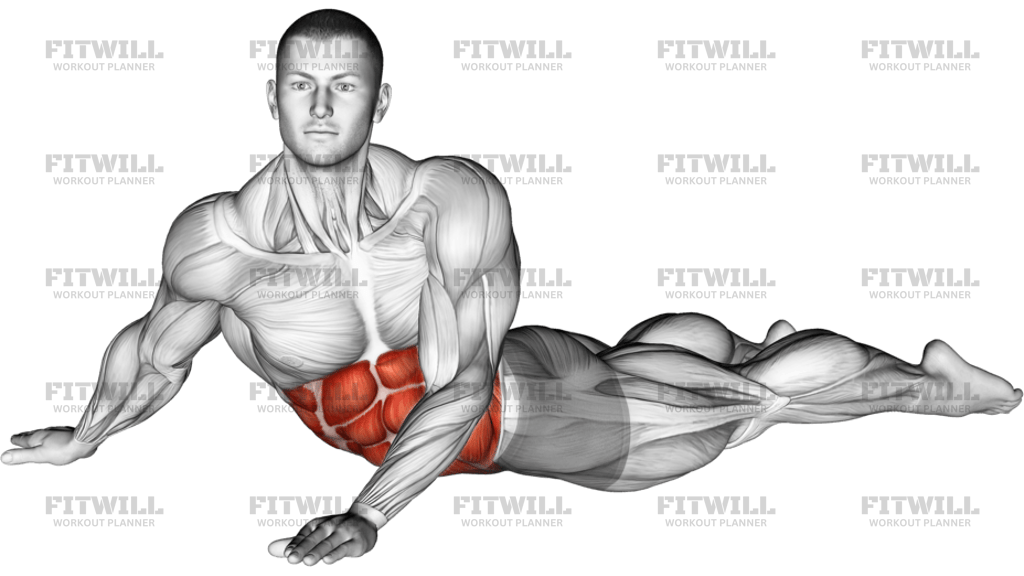
Instructions
- Lie face down on a mat with your legs long behind you and the tops of your feet resting on the floor.
- Place your palms under or slightly in front of your shoulders, then lift your chest just enough to clear the floor without locking the elbows.
- Keep both hips heavy on the mat and lengthen through the legs so the lower body stays anchored.
- Set your neck in a neutral line and look slightly forward rather than jamming the chin up.
- Rotate your ribcage and shoulders toward one side while keeping the pelvis mostly down.
- Move only until you feel a strong, clean stretch across the front of the waist and hip on the turning side.
- Pause there and breathe slowly into the stretched side without bouncing or forcing the twist deeper.
- Return to center under control, then repeat the same motion to the other side before resting.
Tips & Tricks
- Keep the hips anchored to the mat; if they roll hard to one side, the stretch turns into a twist instead of a true opening through the waist.
- Think about turning the ribs first and the head last so the movement comes from the trunk, not just the neck.
- Press through the palms only enough to support the chest; if the shoulders are doing all the work, lower the lift slightly.
- Use a slow exhale when you reach the end range to help the front of the abdomen soften into the stretch.
- Shorten the range if you feel a pinch in the lower back; the goal is a long, even stretch, not compression.
- Keep the elbows softly bent so the arms act as supports rather than rigid levers.
- Stay relaxed through the glutes and thighs unless you need a little leg tension to keep the pelvis from drifting.
- Work one side at a time with the same range and hold time so the rotation stays balanced.
Frequently Asked Questions
What does Rotating Stomach Stretch work?
It mainly opens the front of the waist, lower abdomen, and the side of the trunk while the shoulders and arms support the position.
Should my palms stay on the mat during the rep?
Yes. The palms support the chest lift while the torso rotates, so keep them planted under or slightly ahead of the shoulders.
Do my hips need to stay flat on the floor?
Mostly yes. Let them stay heavy on the mat so the stretch stays in the waist and hip line instead of becoming a full side roll.
Where should I feel the stretch most?
You should feel it across the front of the abdomen, the side of the waist, and the hip on the side you rotate toward.
Can beginners use this movement safely?
Yes, as long as they keep the chest lift small, rotate slowly, and stop before the low back starts to pinch.
Is this more of a stretch or a strength exercise?
It is primarily a mobility and stretching drill, with only light support work from the shoulders, arms, and trunk.
What is the most common form mistake?
People usually lift too high through the low back or force the twist with the neck instead of turning the ribcage.
When should I include this stretch in a workout?
It works well in a warm-up, cool-down, or recovery session, especially after long sitting or heavy leg training.