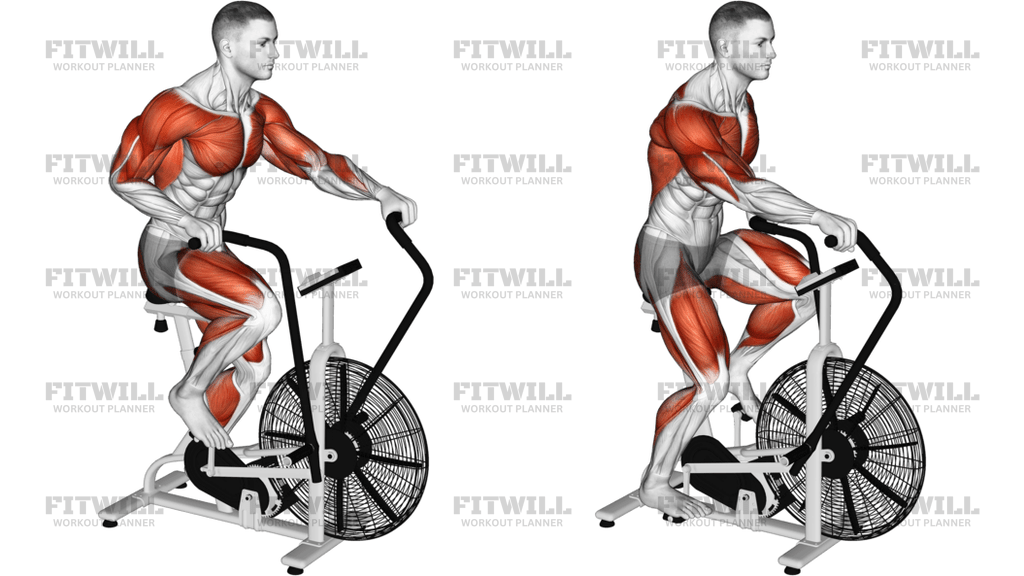
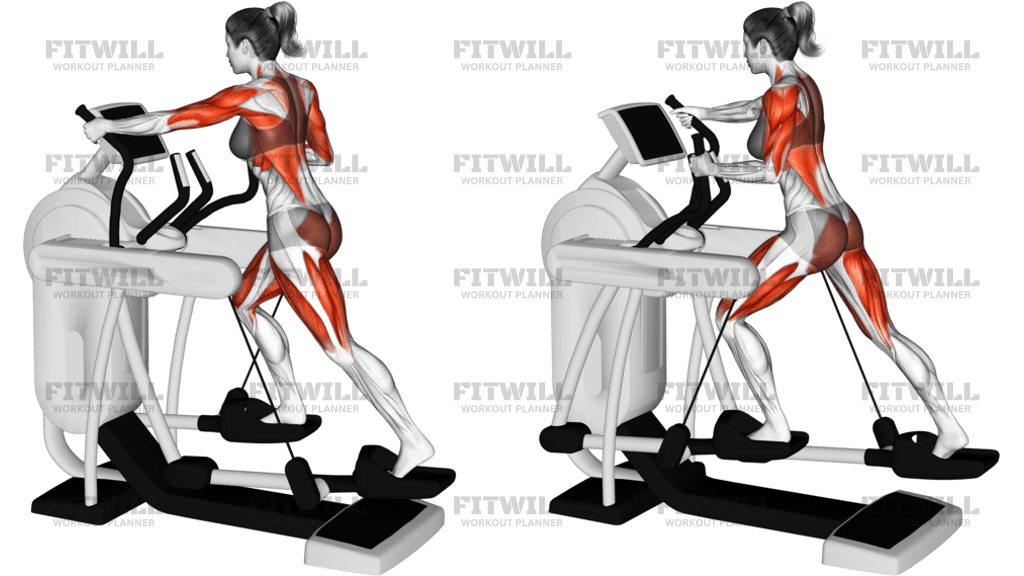
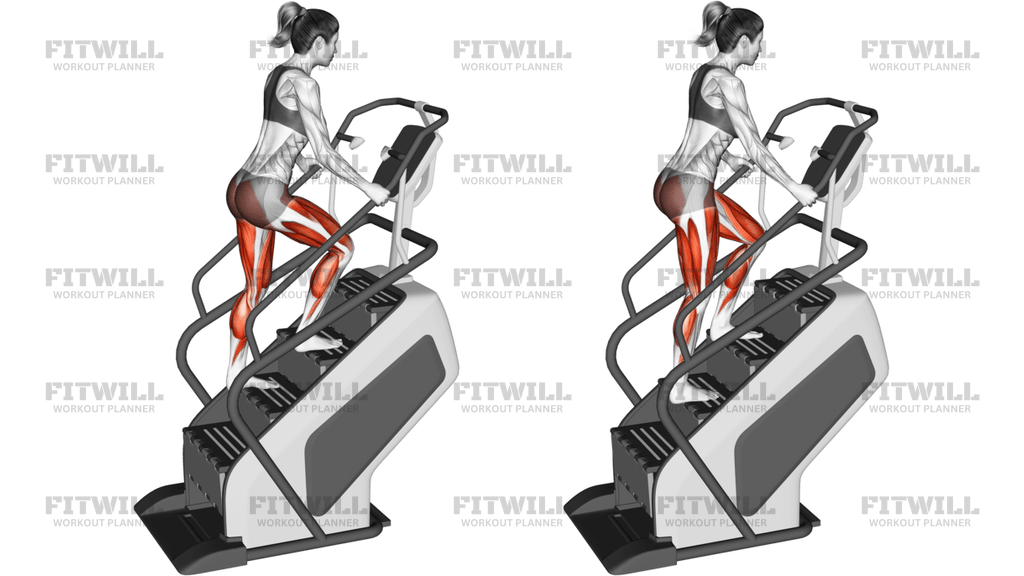
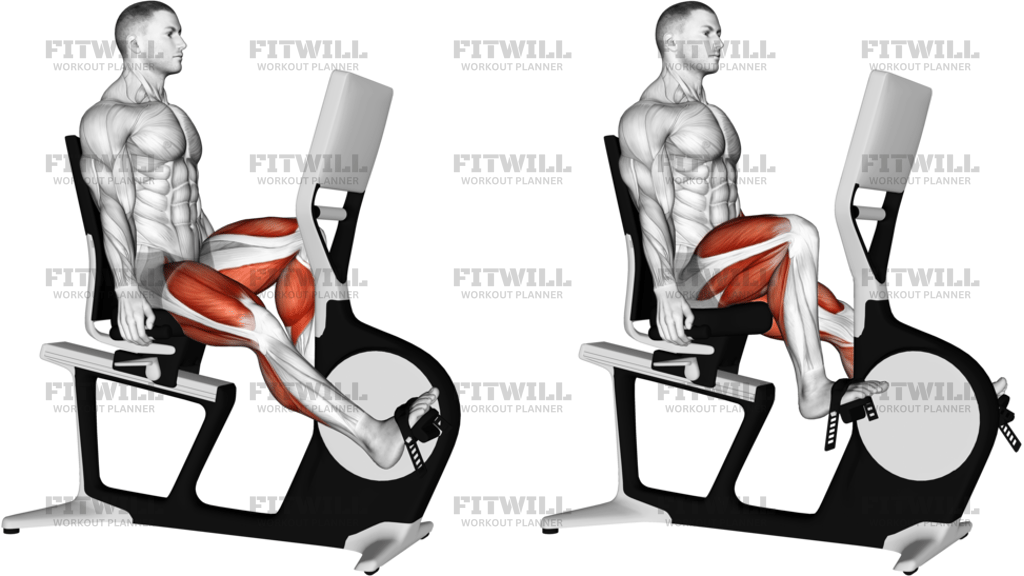
Hands Bike
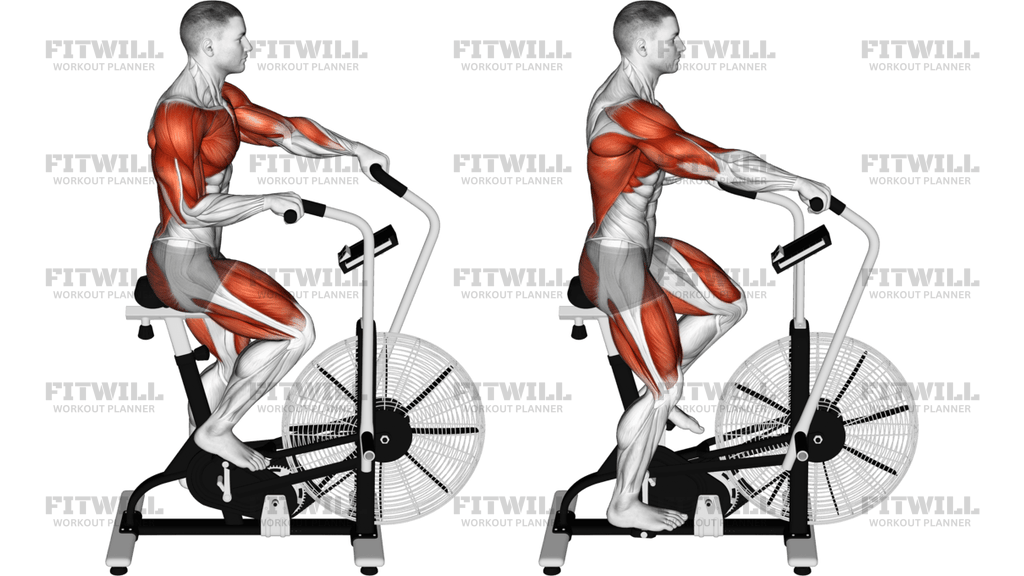
Hands Bike is a seated upper-body cardio exercise performed on an arm ergometer or lever-style hand bike. Instead of pedaling with the legs, you drive the handles in a smooth circular pattern with the arms while keeping the torso tall and the shoulders organized. The result is a conditioning movement that raises heart rate, trains local muscular endurance, and reinforces coordinated pushing and pulling through the shoulders, chest, upper back, and arms.
The setup matters because the machine can either support clean work or make you shrug, lean, and overreach. Sit close enough that you can keep a slight bend in the elbows at the farthest reach, with the chest lifted and the ribs stacked over the pelvis. The feet should stay planted on the platform, and the hands should stay wrapped around the handles without cranking the wrists. When the seat distance and handle height are right, the stroke feels smooth instead of choppy.
Each repetition should travel through the full circle with control. One arm extends as the other drives back, and the shoulders should stay down rather than creeping toward the ears. Think about pushing one handle away while guiding the other back toward the body, then letting the machine carry you into the next phase without losing tension. Breathing should stay rhythmic and unforced so the pace comes from steady effort, not from holding your breath.
Hands Bike is useful as a low-impact conditioning option, a warmup before upper-body lifting, or a dedicated cardio block when you want to spare the legs. It can also be a practical choice when you need to keep the lower body quiet while still training work capacity. The exercise is simple, but it rewards precision: small changes in seat position, grip, and trunk angle can strongly affect whether the effort lands in the delts, chest, triceps, and upper back or turns into awkward shoulder strain.
Use lighter resistance if you are learning the pattern, if the handles start bouncing, or if the torso begins to rock. A clean set should look smooth, repeatable, and controlled from the first rotation to the last. If your neck tightens, the elbows lock out hard, or the range shortens as fatigue builds, reduce the load and re-establish the circular path before continuing.
Fitwill
Log Workouts, Track Progress & Build Strength.
Achieve more with Fitwill: explore over 9600 exercises with images and videos, access built-in and custom workouts, perfect for both gym and home sessions, and see real results.
Start your journey. Download today!




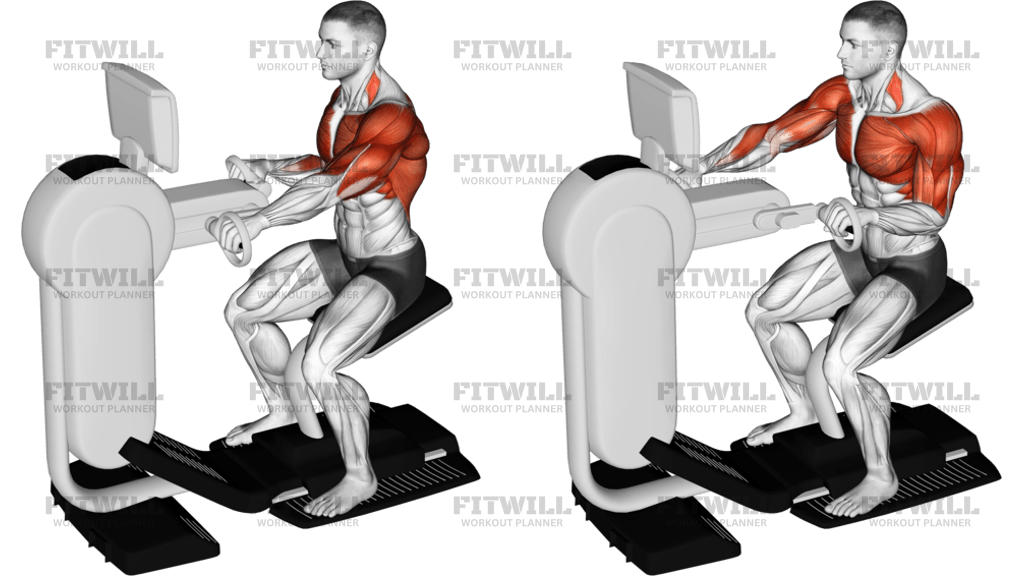
Instructions
- Sit on the machine with both feet planted on the platform and your hips centered on the seat.
- Adjust the seat distance so you can reach the handles with a slight bend in the elbows, not a locked-out shoulder.
- Wrap both hands around the grips, keep the wrists neutral, and lift the chest so the ribs stay stacked over the pelvis.
- Start the handles moving in a smooth circular path by driving one arm forward as the other arm comes back.
- Keep the shoulders down and avoid shrugging as the handles travel through the top and bottom of the circle.
- Maintain steady pressure on the grips so the motion stays continuous instead of jerky or bouncy.
- Exhale through the effort phase and keep your breathing even as the pace increases.
- Finish the set by slowing the handles under control and stepping off only after the flywheel or arms have settled.
Tips & Tricks
- Seat distance is the main setup variable: if you sit too far away, you will lock out the elbows and lose shoulder position.
- Keep the handles moving in one continuous circle rather than punching forward and then stopping at the top.
- Do not let the shoulders rise toward the ears; the effort should stay in the arms and upper back, not in a shrug.
- A neutral wrist helps you transmit force into the handles without irritating the forearms or elbows.
- If the torso starts rocking, the resistance is probably too high for the pace you are trying to keep.
- Use a cadence you can repeat for the full interval instead of starting hard and fading after 20 to 30 seconds.
- Keep the feet quiet on the platform so the lower body does not turn the movement into a full-body thrash.
- Back off the load if the circle shortens, the elbows flare wildly, or the handles begin to bounce off the machine.
Frequently Asked Questions
What muscles does Hands Bike work?
It mainly trains the shoulders, chest, triceps, upper back, and forearms while giving you a cardiovascular challenge.
Is Hands Bike the same as an arm bike?
Yes. This is an upper-body ergometer style movement where the arms drive the rotating handles instead of the legs driving pedals.
How should my seat be adjusted on the machine?
Set the seat so you can reach the handles with a soft bend in the elbows and without having to round the shoulders forward.
Should my elbows lock out during the circle?
No. Keep a small bend at the farthest reach so the shoulder stays organized and the motion stays smooth.
Can beginners use this exercise?
Yes, beginners usually do well with low resistance and a steady pace, because the machine guides the path.
What is the biggest form mistake on Hands Bike?
Most people either shrug the shoulders up or lean into the machine to force the handles, which turns the stroke into sloppy momentum.
How long should a set be?
It is commonly used for timed intervals, such as short bursts for conditioning or longer steady efforts for warmups and endurance work.
Is this a good option if I want low-impact cardio?
Yes. It lets you raise your heart rate without loading the hips, knees, or ankles the way a lower-body bike would.