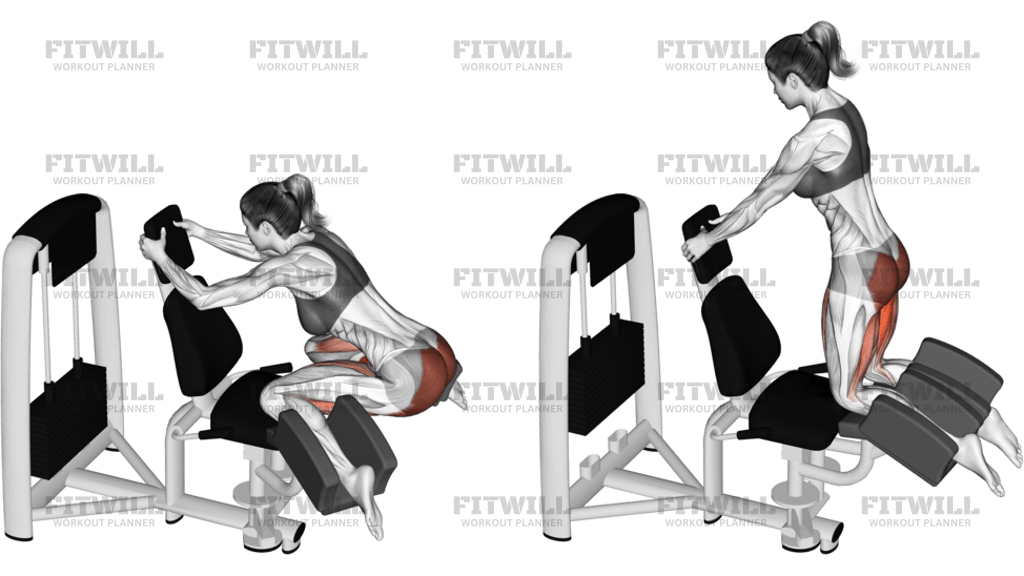
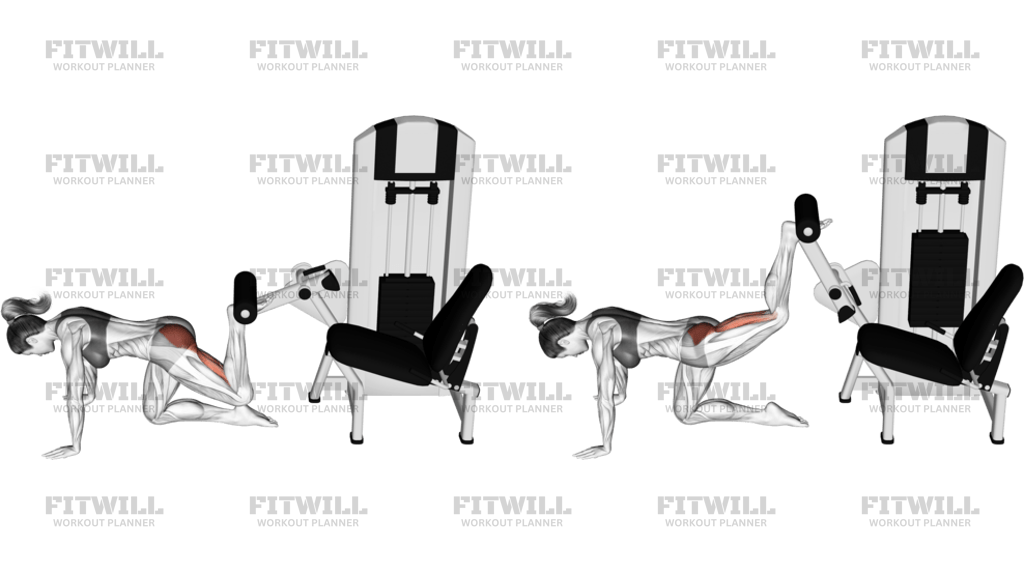
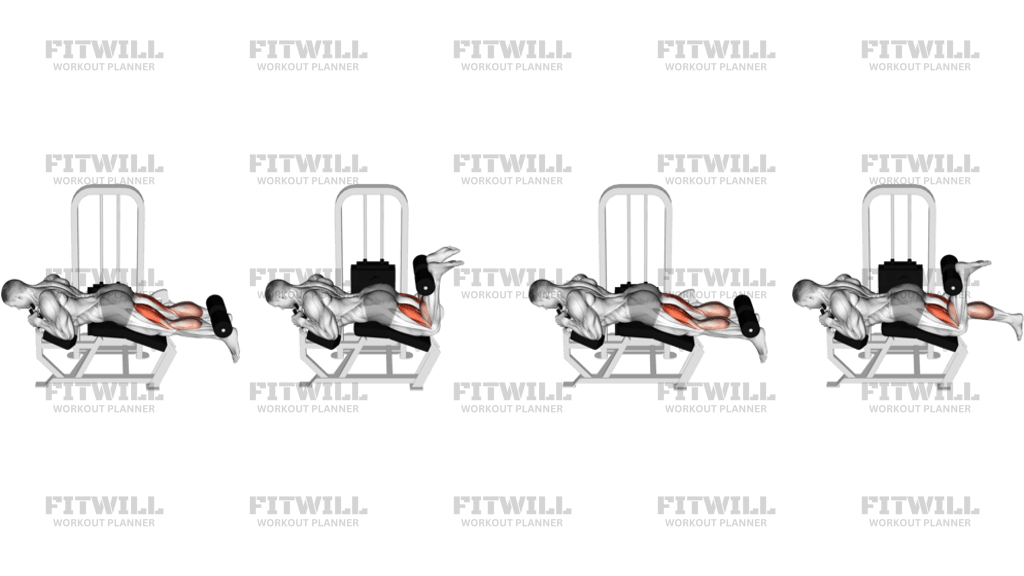
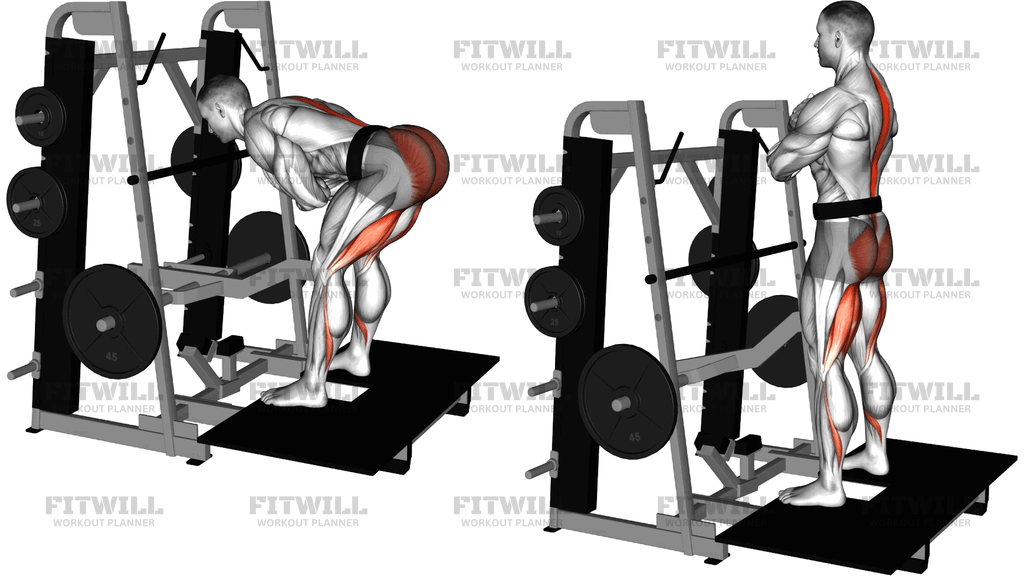
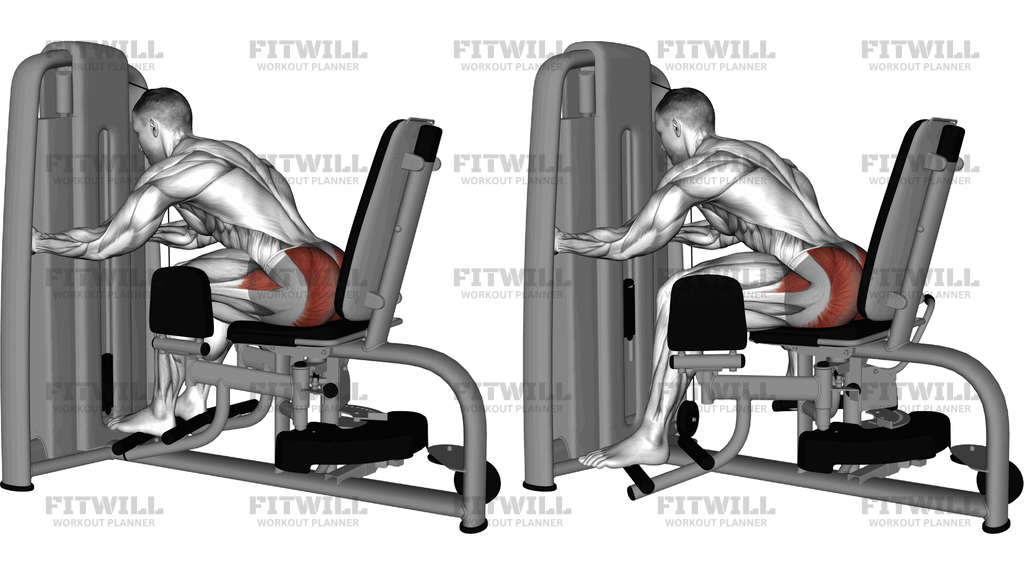
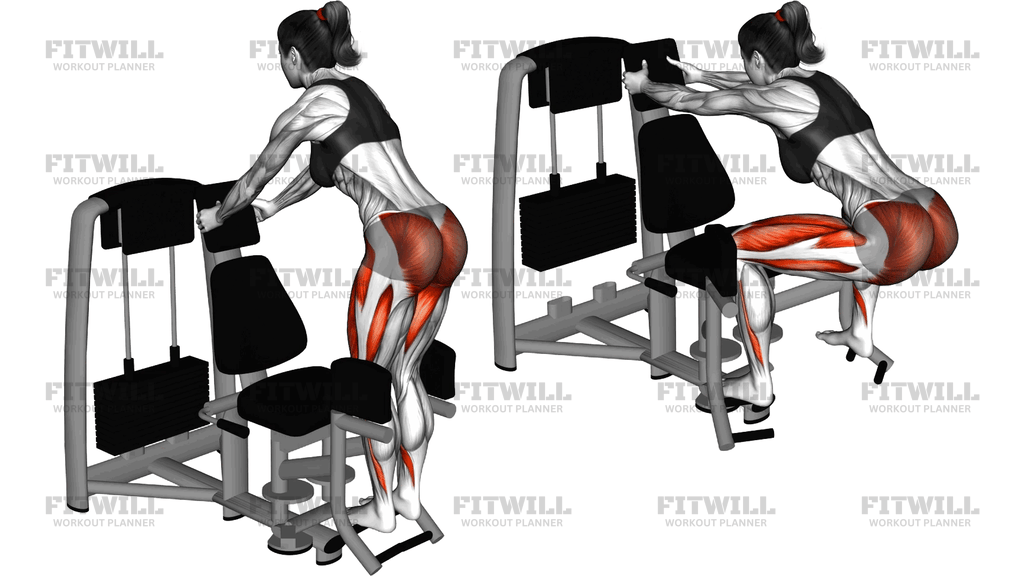
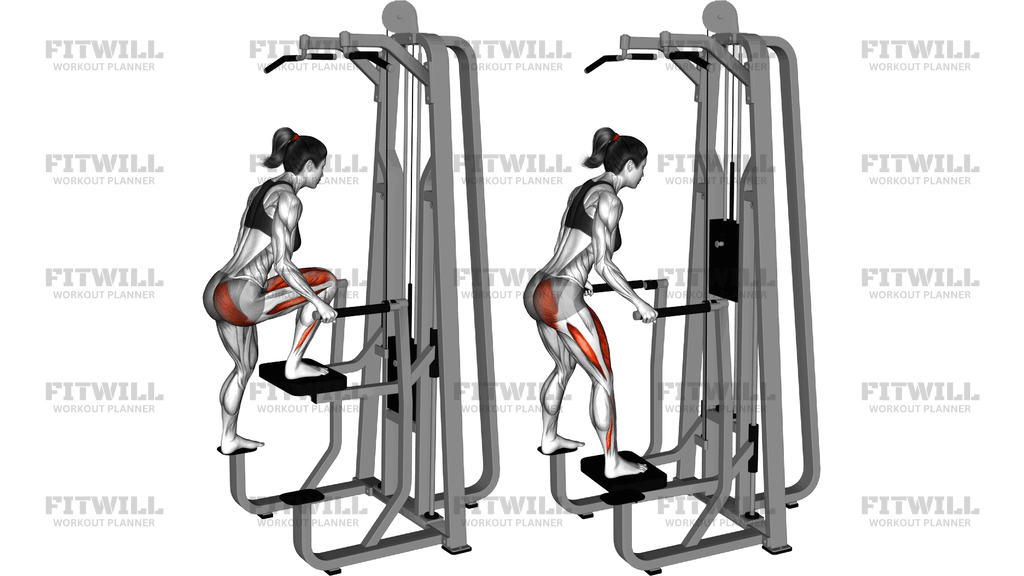
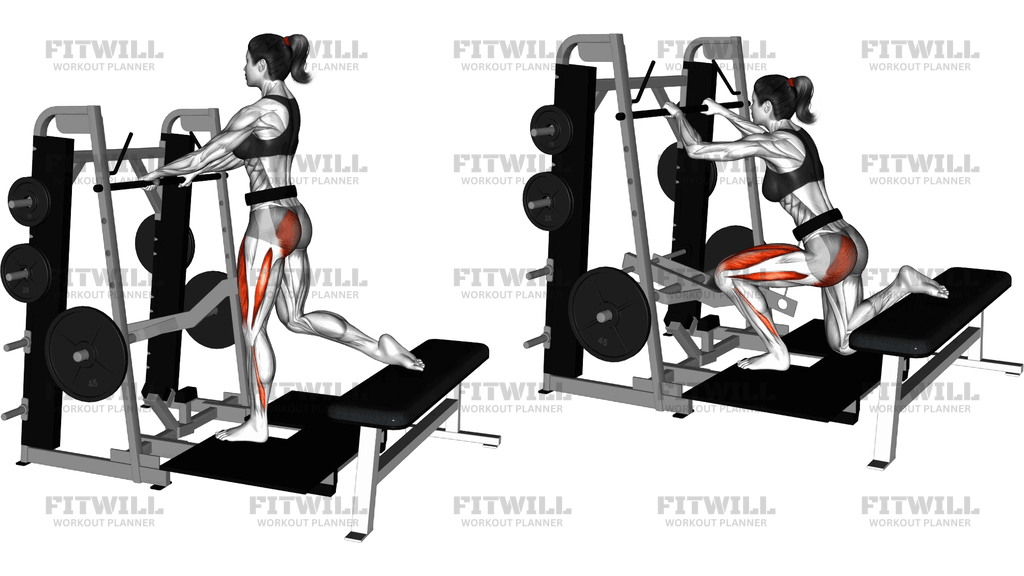
Lever Hip Thrust
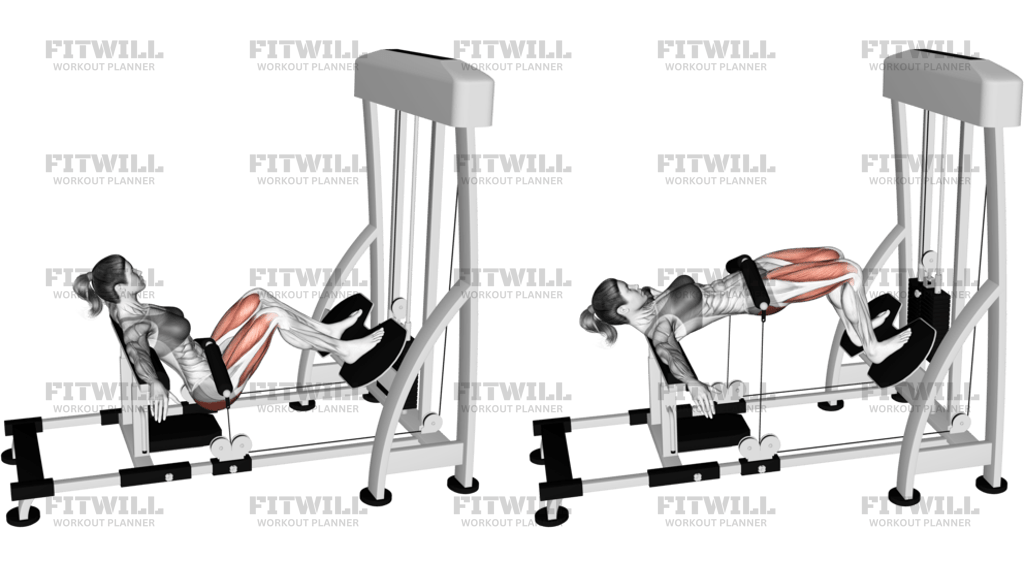
Lever Hip Thrust is a machine-based glute exercise that lets you train hip extension with the upper back supported and the feet braced on a platform. The lever path keeps the movement consistent, which makes it useful for building glute strength without having to balance a barbell across the hips. When the setup is correct, the machine guides you through a repeatable arc while still letting you control how hard the glutes, hamstrings, and trunk have to work.
This exercise is most effective when the pelvis and ribcage stay organized. The back pad supports the shoulder blades, the feet stay planted on the platform, and the pad across the hips should sit high enough to load the hips without sliding into the stomach. A solid setup matters because small changes in foot distance or torso angle can shift the emphasis from glutes toward hamstrings, lower back, or a shortened range of motion.
At the top of each rep, the goal is to drive the hips up until the torso is close to a straight line from shoulders to knees without overextending the low back. A slight posterior pelvic tilt and a hard glute squeeze finish the rep better than simply arching higher. On the way down, let the lever return under control until the hips are loaded again and the glutes can produce the next rep from a stable bottom position.
Lever Hip Thrust fits well in lower-body strength work, glute-focused sessions, and accessory blocks where you want a high-tension hip extension pattern with less setup friction than a free-weight thrust. It is beginner-friendly when the load is conservative and the range is controlled, but it still rewards precision: stable feet, smooth tempo, and a clean lockout matter more than chasing momentum or max load.
Use the machine to create repeatable reps, not to force a bigger range than your pelvis can control. If your lower back takes over, shorten the range slightly, adjust foot placement, and reset the brace before the next rep. Done well, this movement gives the glutes a direct, heavy stimulus with clear feedback from the machine and very little skill noise.
Fitwill
Log Workouts, Track Progress & Build Strength.
Achieve more with Fitwill: explore over 9600 exercises with images and videos, access built-in and custom workouts, perfect for both gym and home sessions, and see real results.
Start your journey. Download today!




Instructions
- Sit into the lever machine with your shoulder blades against the back pad and your upper back supported, then place both feet on the platform about hip-width apart.
- Slide the hip pad so it rests across the top of your hips, not low on the stomach, and keep your chin slightly tucked with your ribs stacked over your pelvis.
- Plant your heels and midfoot firmly, then brace before you start the first rep so the machine does not jerk you out of position.
- Drive through your heels and squeeze your glutes to extend the hips until your torso is nearly level from shoulders to knees.
- Finish the rep with a firm glute squeeze and only a small pelvic tuck, not a big arch through the lower back.
- Lower the lever slowly until the hips are back in the loaded bottom position and the tension stays on the glutes.
- Keep your knees tracking in line with your toes as you move, and do not let them cave inward or flare wildly outward.
- Exhale as you drive up, then inhale as you lower and reset for the next repetition.
- After the final rep, let the machine settle under control before releasing your brace and stepping out.
Tips & Tricks
- If you feel the movement mostly in your hamstrings, bring your feet a little closer so the shins are closer to vertical at the top.
- If the low back is taking over, stop the rep slightly short of full lockout and keep the ribs down instead of arching higher.
- The strongest glute squeeze usually comes from pushing the platform away through the heels while keeping the toes relaxed, not from rolling onto the forefoot.
- Keep the hip pad high on the hips so the pressure stays on the pelvis rather than digging into the abdomen.
- A controlled two- to three-second lowering phase makes the machine harder without needing extra weight.
- Do not let the knees drift inward when fatigue sets in; think about pressing them gently out in line with the toes.
- Use a load that lets you pause cleanly at the top without bouncing off the bottom stop.
- For glute bias, keep the stance moderate and the torso stable; for more hamstring involvement, move the feet slightly farther away.
- Stop the set when your pelvis starts to twist or the rep turns into a lower-back extension.
Frequently Asked Questions
What muscle does Lever Hip Thrust target most?
The glutes are the primary target, especially gluteus maximus. The hamstrings and trunk help stabilize the rep.
Can beginners perform this exercise?
Yes. The machine path makes it approachable for beginners if the load is light enough to keep the hips, ribs, and knees organized.
Where should my upper back sit on the machine?
Your shoulder blades should rest against the back pad so your torso can pivot around the hips without sliding forward.
How far should I lift at the top?
Lift until the torso is close to a straight line from shoulders to knees, then stop before the lower back starts to arch hard.
Should I feel this in my lower back?
No, the lower back should only stabilize. If it is doing the work, shorten the range and reset your brace and foot placement.
How should my feet be placed on the platform?
Start with both feet about hip-width apart and flat on the platform. Adjust slightly if you need more glute or hamstring emphasis.
What is the most common technique mistake?
Overextending the hips by arching the lower back instead of finishing the rep with the glutes.
How can I make the set harder without adding a lot of weight?
Slow the lowering phase, pause briefly at the top, and keep every rep fully controlled.