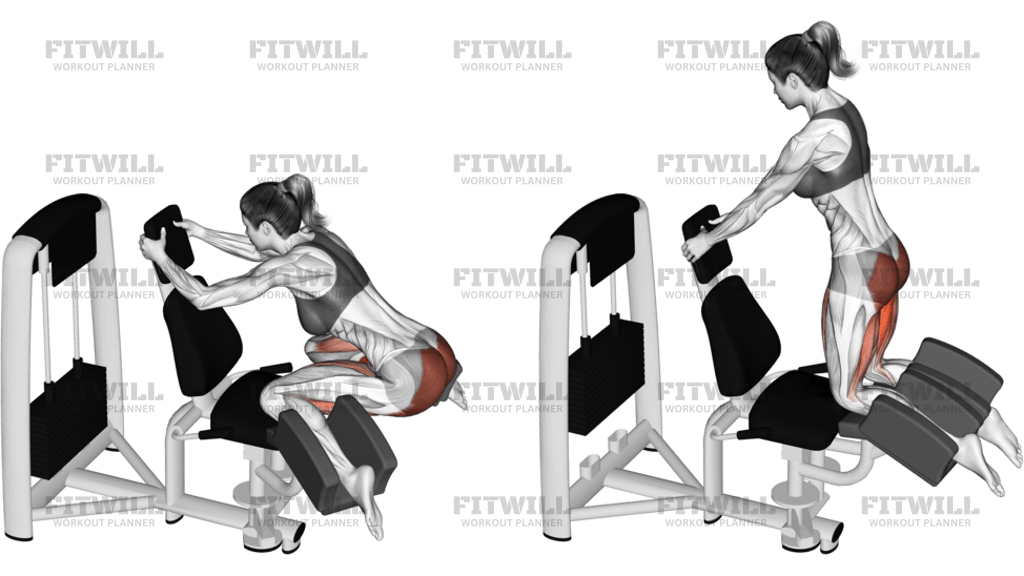
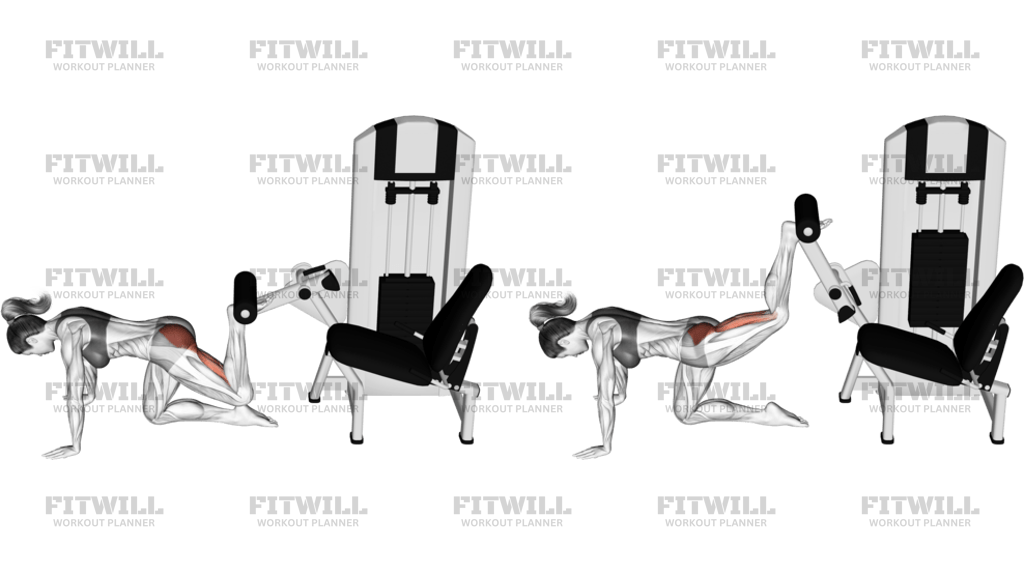
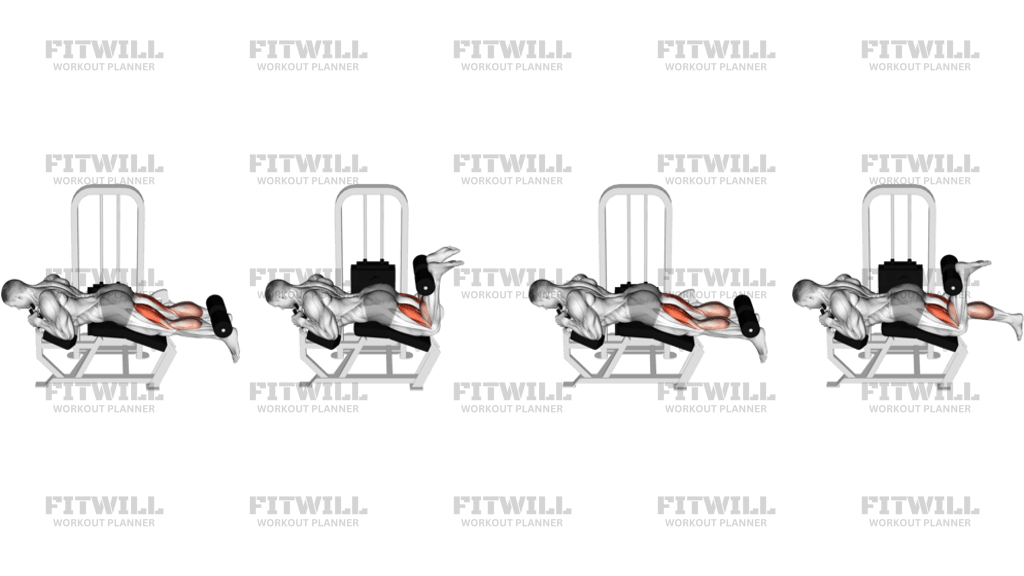
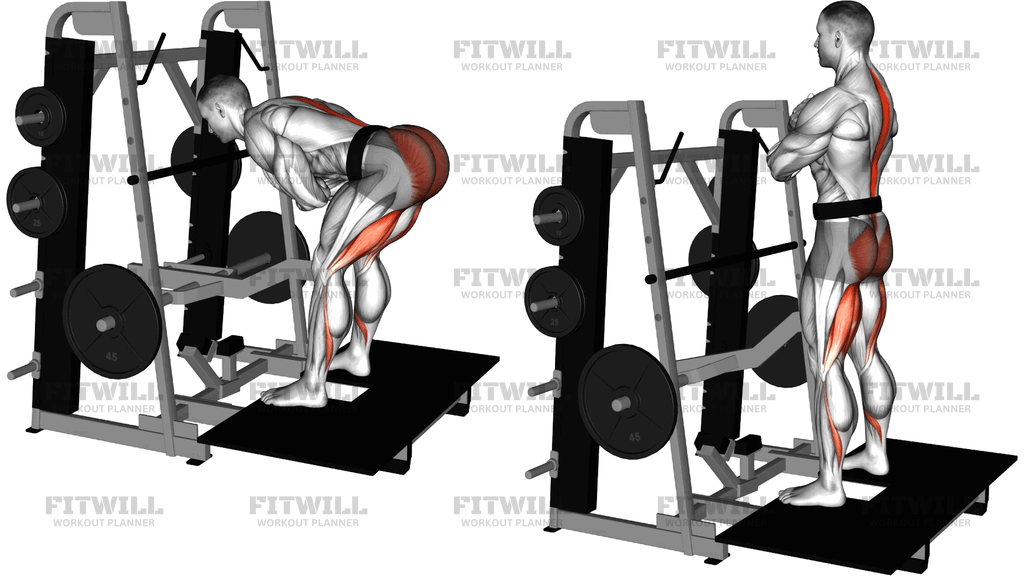
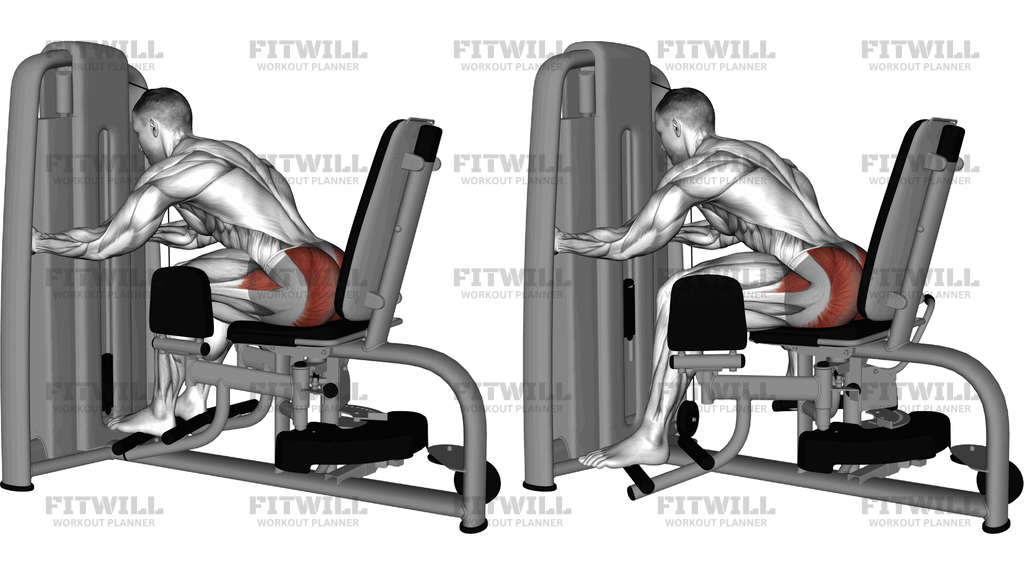
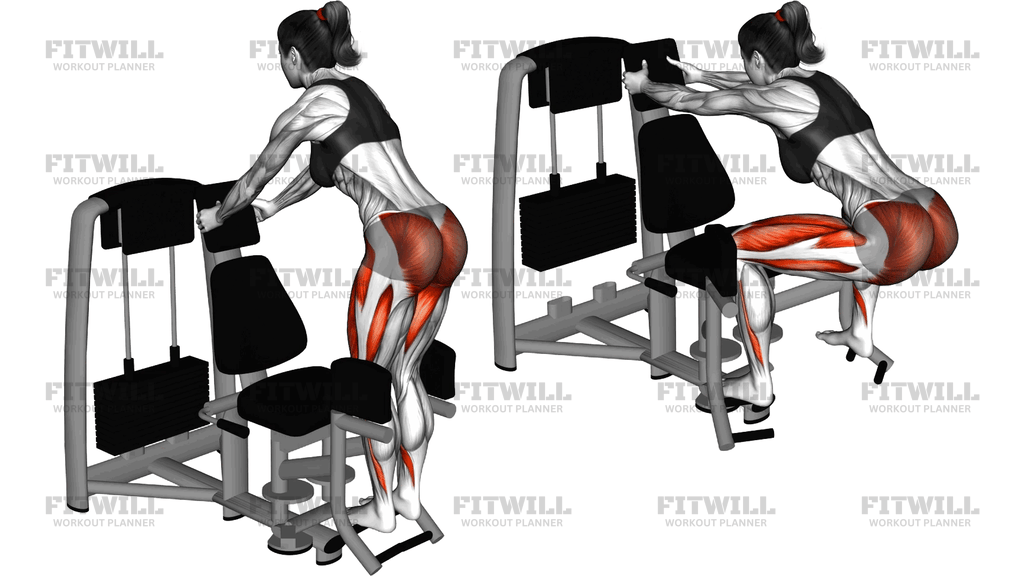
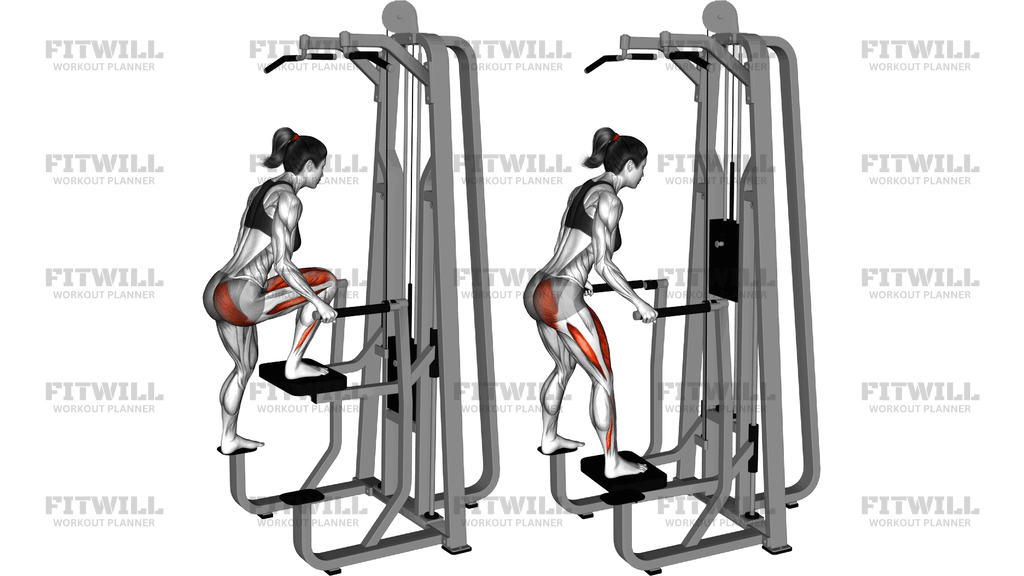
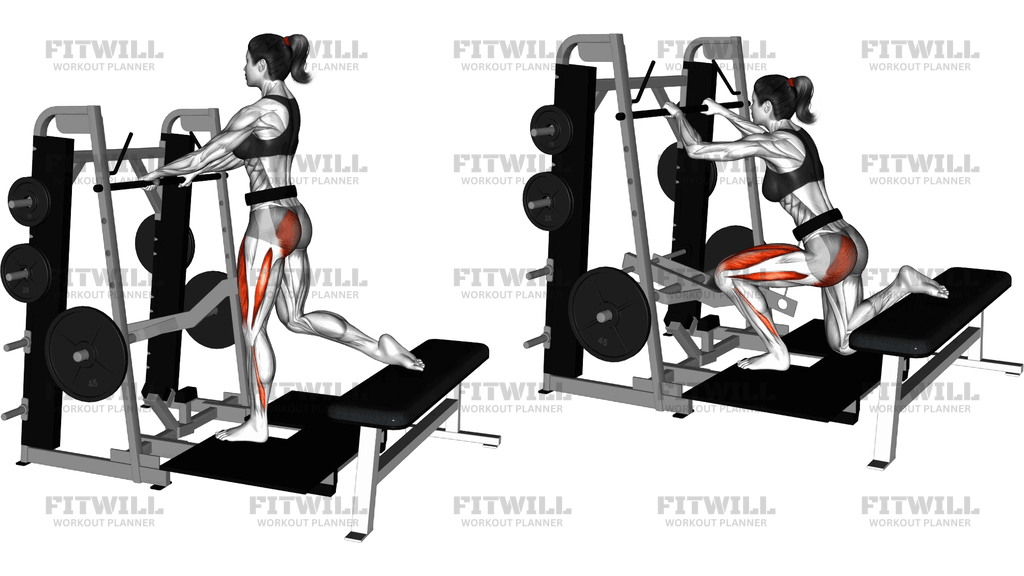
Lever Hip Thrust With Resistance Band
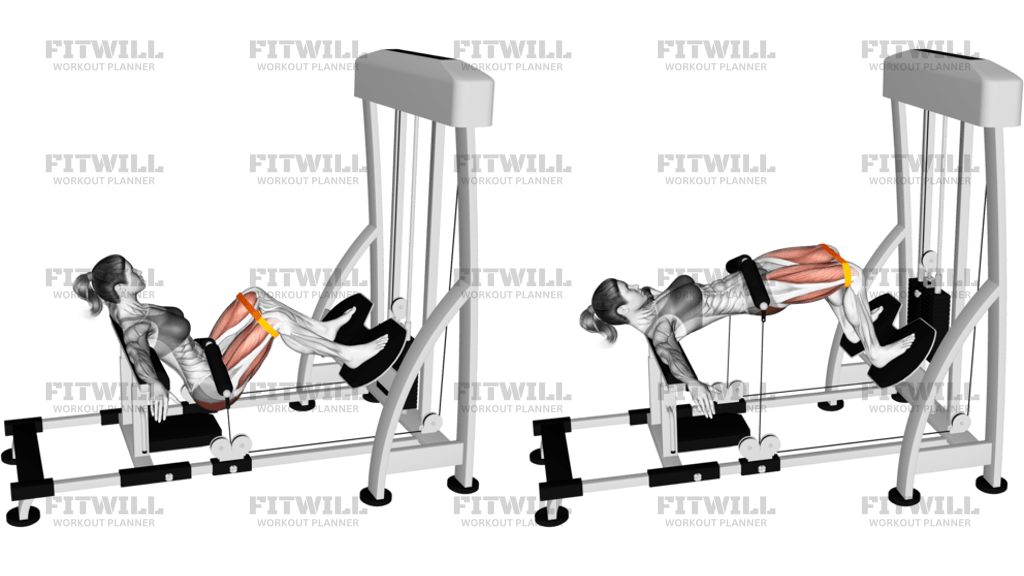
Lever Hip Thrust With Resistance Band is a machine-based hip extension exercise built around a padded back support, a fixed foot platform, and a resistance band that increases tension as the hips rise. The setup lets you load the glutes heavily while keeping the torso supported, which makes the movement useful for building lower-body strength without asking you to balance a bar across the pelvis.
The main job of the exercise is to train hip extension. The glutes do most of the work, with the hamstrings assisting as the knees and hips stay flexed through the bottom of the rep. The core, adductors, and lower back help you stay braced and prevent the ribs from flaring or the pelvis from tipping forward. Because the band adds more resistance near lockout, the top half of the rep should feel harder than the bottom half.
The setup matters as much as the drive. Your upper back should stay anchored on the pad, your feet should stay planted on the platform, and your shins should be close to vertical when the hips are near the top. If the feet are too far away, the hamstrings usually take over; if they are too close, the knees can drift forward and the motion turns into a squat. A solid setup lets the glutes create most of the force while the machine keeps the path consistent.
Each repetition should begin from a controlled lowered position, then move smoothly into full hip extension without bouncing off the bottom. Drive through the heels and midfoot, keep the chin tucked slightly, and finish by squeezing the glutes rather than arching the low back. The best top position is a straight line from shoulders through hips to knees, not a hyperextended spine. Exhale through the effort, inhale as you lower, and keep tension on the machine and band the whole set.
This exercise is a strong choice for glute-focused strength work, posterior-chain accessories, or lower-body days where you want stable resistance and repeatable reps. It also works well for lifters who want hip thrust mechanics with a more guided setup than a free barbell. Start with a load that lets you own the pause at the top, then progress only when every rep keeps the pelvis level, the knees tracking cleanly, and the band path under control.
Fitwill
Log Workouts, Track Progress & Build Strength.
Achieve more with Fitwill: explore over 9600 exercises with images and videos, access built-in and custom workouts, perfect for both gym and home sessions, and see real results.
Start your journey. Download today!




Instructions
- Sit into the machine and place your upper back across the padded support with your hips in front of the edge.
- Set your feet on the foot platform about shoulder-width apart so your shins are close to vertical at the top.
- Position the resistance band over your hips and hold the handle or side grips for stability.
- Lower your hips under control until you feel the glutes and hamstrings stretch without losing back contact on the pad.
- Brace your core, tuck your chin slightly, and drive through your heels and midfoot to lift the hips.
- Continue pressing until your torso and thighs form a straight line, then squeeze the glutes hard at the top.
- Keep the ribs down and avoid arching your lower back as the band tension peaks.
- Lower the hips slowly to the start while staying tight through the band and machine.
- Reset your breath and repeat for the planned number of reps.
Tips & Tricks
- Keep the upper back anchored on the pad so the hips move around a fixed contact point instead of sliding around.
- If you feel the hamstrings cramp, move the feet a little farther away and reduce the urge to pull the heels too close.
- A vertical or slightly back-leaning shin at lockout usually keeps the glutes working better than a deep knee bend.
- Do not chase extra height by arching the low back; finish with the pelvis level and the ribs stacked over the hips.
- Use the pause at the top to make the band useful, since that is where the resistance usually peaks.
- Keep your jaw and neck relaxed so you do not turn the set into a full-body strain pattern.
- If the band shifts or twists across the hips, reset before the next rep so the tension stays even.
- Choose a load that lets you control the lowering phase; sloppy eccentrics reduce the benefit of the guided machine setup.
Frequently Asked Questions
What muscle does Lever Hip Thrust With Resistance Band target most?
The glutes are the primary target, especially the gluteus maximus during hip extension.
Can beginners perform this exercise?
Yes. The machine support makes it beginner-friendly as long as the feet are set correctly and the lower back does not take over at the top.
Where should my feet be on the platform?
Place them about shoulder-width apart and adjust until your shins are close to vertical when the hips are fully extended.
Why add a resistance band to the hip thrust machine?
The band increases tension near the top of the rep, which makes the lockout harder and keeps the glutes working through the strongest part of the range.
What is the biggest form mistake on this exercise?
Overextending the lower back at the top instead of finishing with the glutes and a stacked ribcage.
Should I feel my hamstrings during the set?
Some hamstring involvement is normal, but if they dominate the movement, the feet are probably too close or the hips are not tracking cleanly.
Is this the same as a barbell hip thrust?
The pattern is similar, but the machine gives you a more guided path and the band changes the resistance curve at the top.
How should I breathe during the rep?
Inhale as you lower, then exhale as you drive the hips up and finish the lockout.