Lever Seated Fly
Lever Seated Fly is a seated machine chest fly that trains the pecs through a fixed, guided path. The image shows a user sitting upright on a pec deck-style lever machine, with the upper arms opening wide and then sweeping forward until the handles meet in front of the chest. That setup keeps the load consistent and makes the exercise useful for isolating the chest without needing to balance dumbbells or stabilize a bar.
This movement is primarily about horizontal adduction at the shoulder: the upper arms start out wide and then travel inward in a smooth arc. The chest does most of the work, while the front shoulders and arms help guide the handles. Because the machine supports the path, the quality of the rep depends more on posture, elbow angle, and control than on brute force.
The seat height matters. If the handles sit too high or too low, the resistance shifts away from the mid-chest line and the shoulders can take over. Set the seat so the handles line up roughly with the center of the chest, keep your shoulder blades set without over-pinching them, and avoid letting the torso rock as you bring the arms together. A clean squeeze at the front is more valuable than forcing a bigger stretch than your shoulders can comfortably tolerate.
Lever Seated Fly is a good accessory exercise for chest-focused sessions, hypertrophy blocks, or as a controlled finishing movement after presses. It works well when you want constant tension through the pecs and a clear, repeatable range of motion. Use moderate loads, a steady tempo, and a smooth return so the pecs stay loaded on the way back out.
If the shoulders feel irritated, shorten the bottom range slightly and keep the elbows softly bent instead of locked. Beginners can learn it easily because the machine guides the path, but the exercise still rewards discipline: stable torso, controlled opening, strong squeeze, and no swinging into the final rep.
Fitwill
Log Workouts, Track Progress & Build Strength.
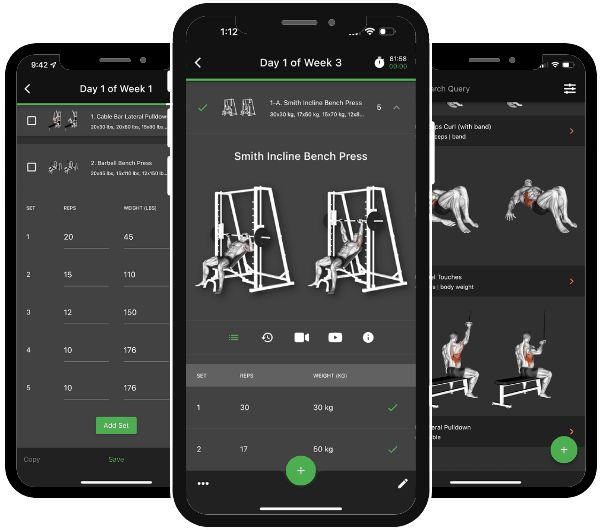
Achieve more with Fitwill: explore over 5000 exercises with images and videos, access built-in and custom workouts, perfect for both gym and home sessions, and see real results.
Start your journey. Download today!


Instructions
- Adjust the seat so the handles line up with mid-chest, then sit tall with your back against the pad and your feet flat on the floor.
- Grasp the handles with a soft bend in the elbows and let the arms open out until you feel a controlled stretch across the chest.
- Set your shoulders down and back just enough to keep the chest lifted without arching hard through the lower back.
- Brace your torso before each rep so your ribs stay stacked over your pelvis.
- Exhale and sweep the handles forward in a wide arc until your hands meet or nearly meet in front of the sternum.
- Squeeze the chest for a brief pause at the front without shrugging the shoulders.
- Inhale and return the arms outward under control, stopping before the machine pulls you into an overstretched shoulder position.
- Keep the same elbow angle on every rep so the chest, not the hands, drives the movement.
- Reset your posture between reps if the torso starts drifting, and finish the set before momentum takes over.
Tips & Tricks
- Set the seat first; if the handles are too high, the front delts will dominate and the chest squeeze will feel weak.
- Keep a soft elbow bend from start to finish so the handles move in a chest-fly arc instead of turning into a pressing motion.
- Think about bringing the upper arms together, not just the hands, to keep tension on the pecs.
- Stop the eccentric before your shoulders roll forward or you lose contact with the back pad.
- Use a moderate load that lets you pause for a clean squeeze at the front without bouncing the stack.
- Keep your neck long and your chin neutral so you do not crane forward as the handles come together.
- If the front of the shoulders feel more stressed than the chest, shorten the range and reduce the load.
- A slower return usually makes this exercise more effective than adding extra weight.
Frequently Asked Questions
What muscle does Lever Seated Fly target most?
It primarily targets the chest, especially the pectorals, with the front shoulders assisting.
Can beginners perform this exercise?
Yes. The machine path makes it beginner-friendly as long as the seat is set correctly and the load stays light enough to control.
Where should the handles line up when I set the seat?
They should line up roughly with the middle of your chest so the fly tracks across the pecs instead of drifting into your shoulders.
Should my elbows stay straight on Lever Seated Fly?
No. Keep a slight bend in the elbows and hold it steady so the movement stays in the chest and shoulders instead of turning into an arm action.
What is the main mistake people make on this machine?
Letting the shoulders roll forward and bouncing the handles back out too fast. That usually steals tension from the chest.
How deep should I stretch at the start?
Only open as far as your shoulders stay comfortable and your back stays against the pad. You do not need an extreme stretch to get a good chest contraction.
Is this better before or after bench pressing?
It usually works well after pressing as accessory work or later in the session when you want focused chest tension.
How do I know if the weight is too heavy?
If you cannot pause and squeeze at the front, or if your torso starts rocking off the pad, the load is too high.