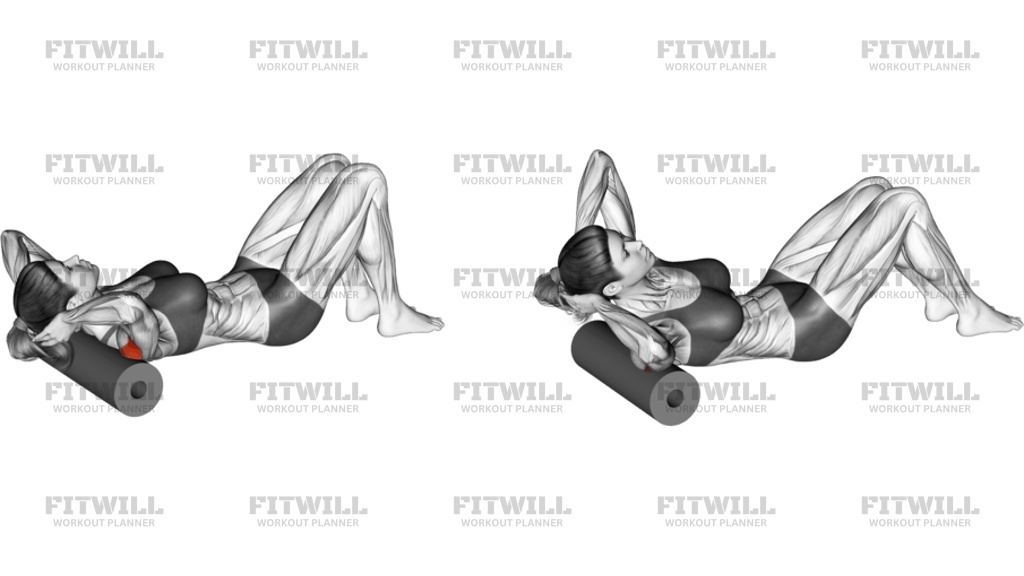
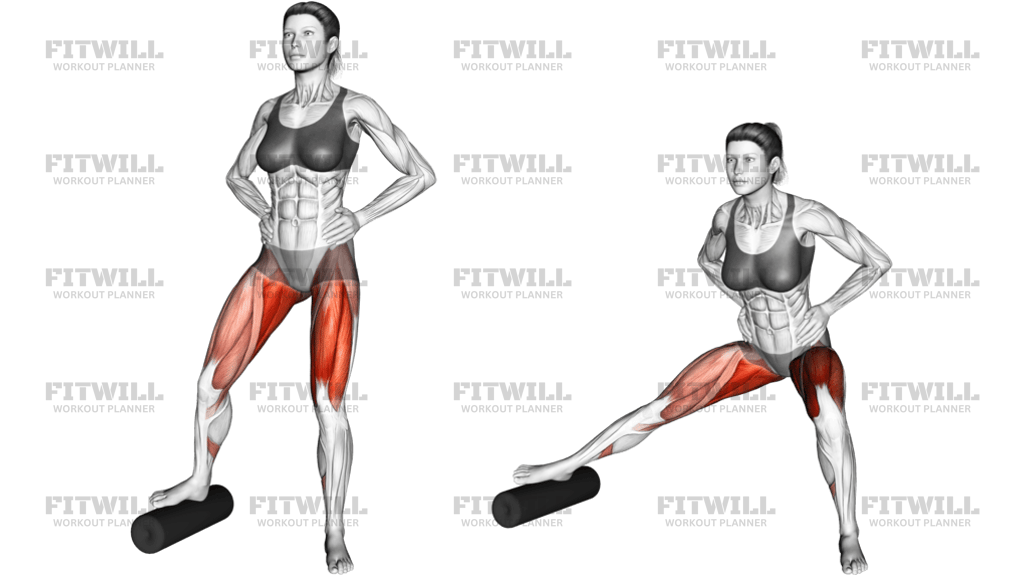
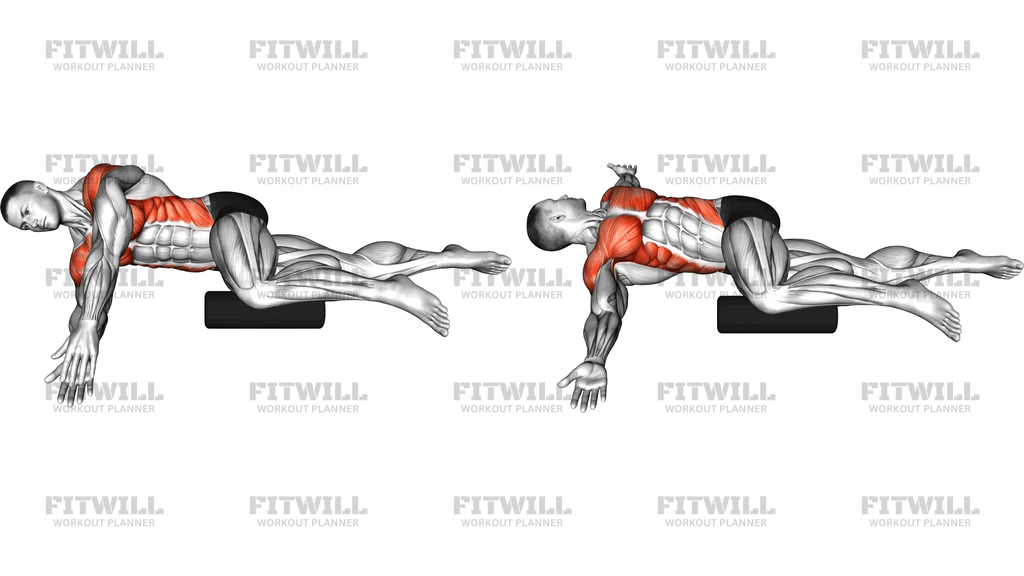
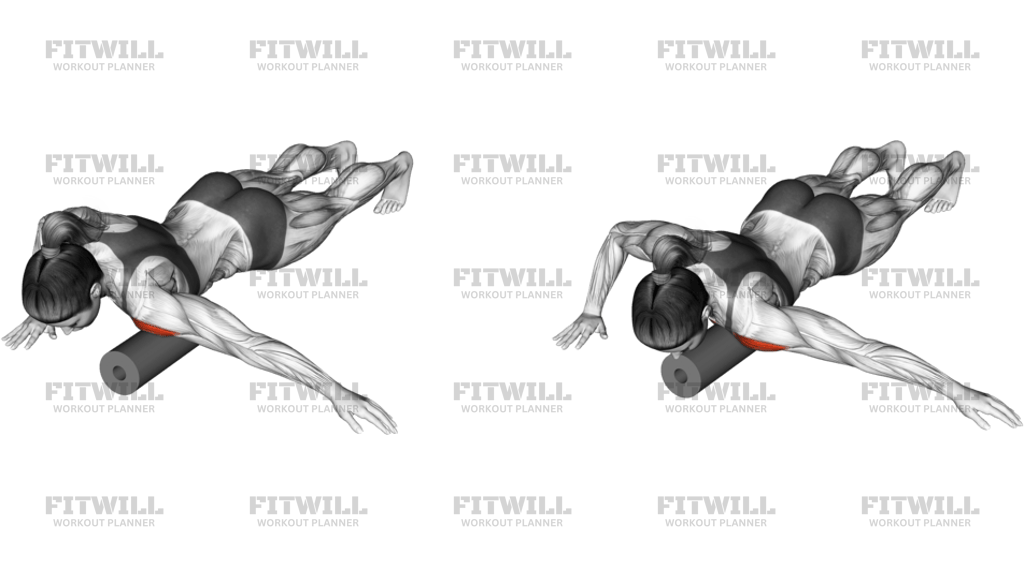
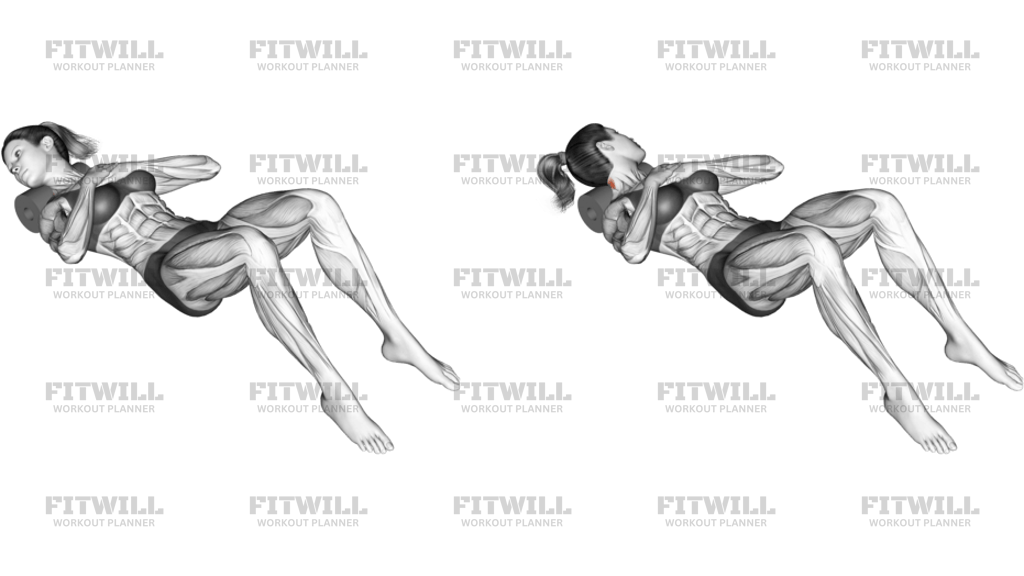
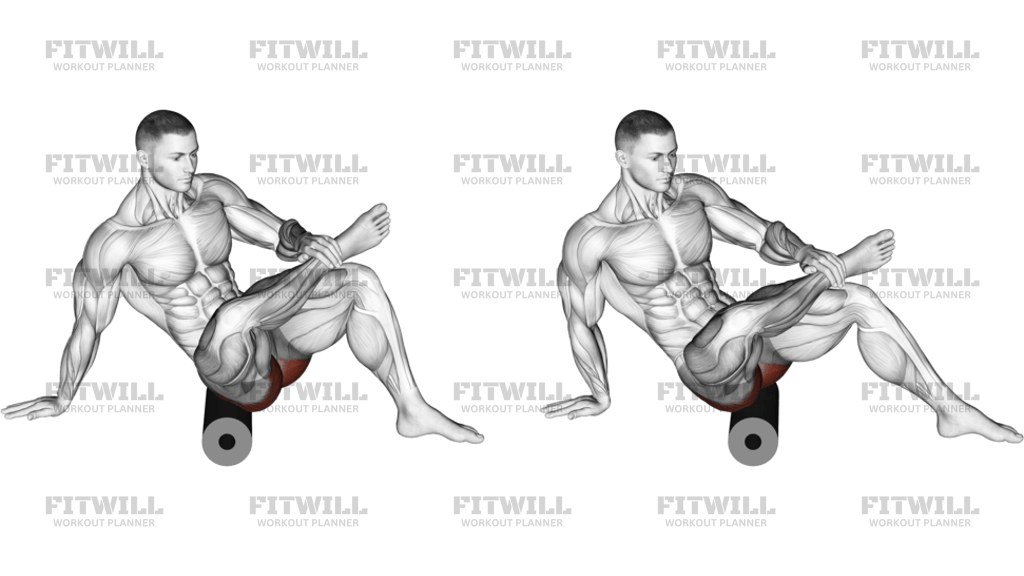
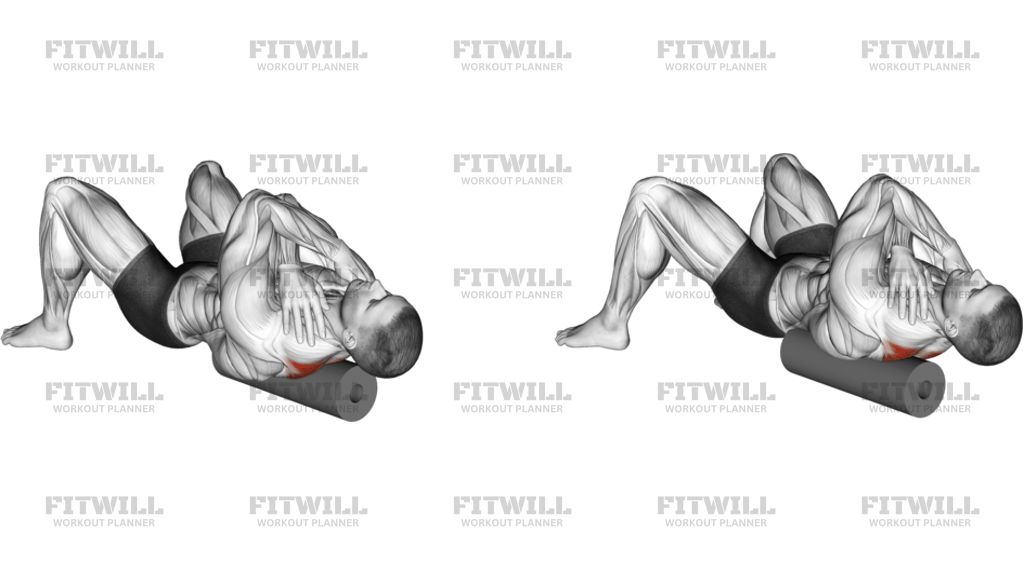
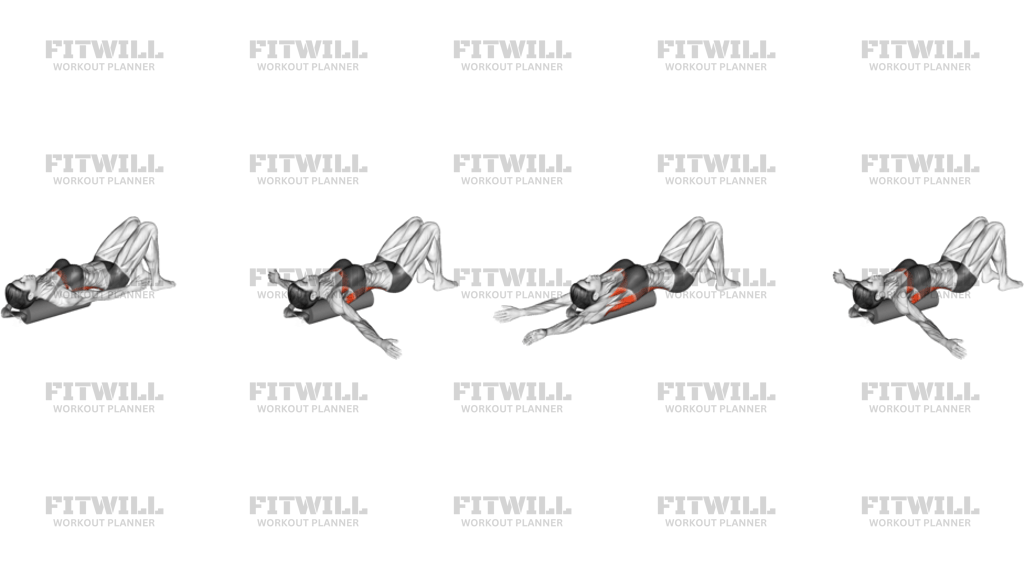
Roll Chest Lying On Floor
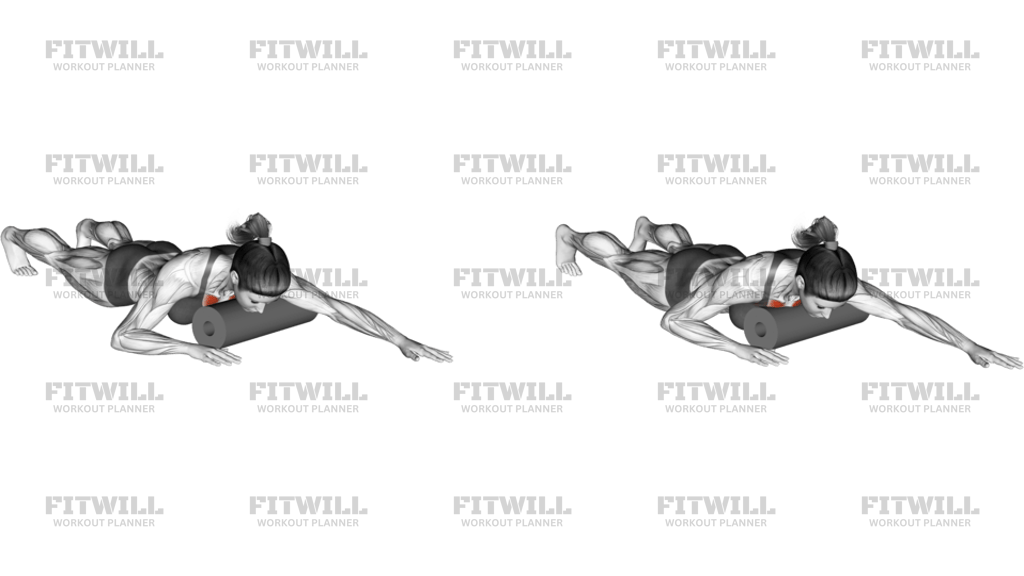
Roll Chest Lying On Floor is a floor-based chest mobility drill that uses a foam roll to create steady pressure across the front of the torso while you move slowly and breathe under control. It is useful when the pecs, front shoulders, and upper chest feel tight from pressing, desk posture, or overhead work, and it works best when the roller is placed exactly where you want the pressure rather than somewhere random.
The goal is not to grind through pain or chase a big range of motion. Roll Chest Lying On Floor should feel like a controlled release through the pectoral tissue and the front of the shoulder, with the ribs and low back staying quiet. The small changes in body angle are what change the contact point, so a few inches of shift can make the difference between useful pressure and irritating pressure.
Set the roller under the upper chest and use your hands and forearms on the floor to guide the load. Let your body sink into the roller, then make tiny rolls forward, back, and slightly side to side so the pressure traces across the pec major and the front shoulder line. Keep the neck long, the jaw relaxed, and the breath slow so the chest can soften instead of bracing against the roller.
This movement is a good warm-up before bench pressing, push-ups, dips, or any session where the shoulders need to open up before harder work. It also fits well at the end of a workout when the goal is recovery and restoring comfortable movement through the upper body. If the pressure moves into the collarbone, shoulder joint, or causes tingling, back off immediately and shift the roller lower or slightly wider on the chest.
[ Workout Log & Planner ]
Put your next workout in Fitwill
Keep your plan and training log ready when you are.


Instructions
- Lie face down on the floor with a foam roller placed under the upper chest, just below the collarbones and slightly to one side of the sternum.
- Reach the arm on the working side long on the floor and use the opposite forearm and hand to support your bodyweight.
- Let your ribs settle toward the floor, keep the neck long, and avoid shrugging the shoulder toward your ear.
- Sink gently into the roller until you feel firm pressure across the pec and front shoulder, not sharp pain.
- Make small forward-and-back rolls of a few inches to trace the tight line across the chest.
- Turn the torso a little inward or outward if you need to bias the inner pec or the front of the shoulder.
- Pause on a tender spot for a few breaths, then soften the pressure and continue with another short roll.
- Breathe in through the nose and exhale slowly as the chest relaxes against the roller.
- When you finish, ease off the roller carefully and switch sides if you want to repeat the work on the other chest.
Tips & Tricks
- Place the roller a little lower if the pressure lands on the collarbone instead of the pec tissue.
- Small body shifts matter more than big rolls; a few inches is enough to change the contact point.
- Keep the shoulder blade from hiking up toward the ear, or the front of the shoulder will take over the pressure.
- If the roller feels too aggressive, use one hand on the floor to take more bodyweight off the chest.
- Bias the arm overhead to open the front chest more, or tuck the elbow slightly if the stretch is too intense.
- Do not roll directly on the sternum; stay on the soft tissue to either side of the breastbone.
- Slow nasal breaths help the pecs relax and keep you from bracing against the roller.
- Stop immediately if you feel tingling, numbness, or a pinching sensation in the shoulder joint.
Frequently Asked Questions
What does Roll Chest Lying On Floor target most?
It mainly targets the pectorals and the front of the shoulders, with some upper-rib and arm support from the position on the floor.
Is Roll Chest Lying On Floor a stretch or a massage drill?
It is closer to a foam rolling mobility drill than a loaded strength exercise. The goal is to create controlled pressure and a gentle release through the chest.
Where should the foam roller sit for Roll Chest Lying On Floor?
Place it under the soft tissue of the upper chest, just below the collarbone and slightly off the center line. If it is on the sternum or shoulder joint, the pressure will feel wrong.
Can beginners do Roll Chest Lying On Floor?
Yes, as long as they keep the pressure light and use their hands on the floor to control how much bodyweight drops onto the roller.
How long should I stay on each side?
Usually 20-40 seconds of small rolls and brief pauses is enough per side. The chest should feel looser, not beaten up.
Why do my shoulders feel it more than my chest?
That usually means the roller is too high or the shoulder is shrugging forward. Lower the roller onto the pec tissue and keep the shoulder blade relaxed.
When is Roll Chest Lying On Floor most useful?
It is especially useful before bench press, push-ups, dips, or any workout where tight pecs limit shoulder position and chest opening.
What should I do if I feel tingling or sharp pain?
Stop the drill and change the roller position or skip the movement. Tingling, numbness, and sharp pain are signs the pressure is too aggressive.