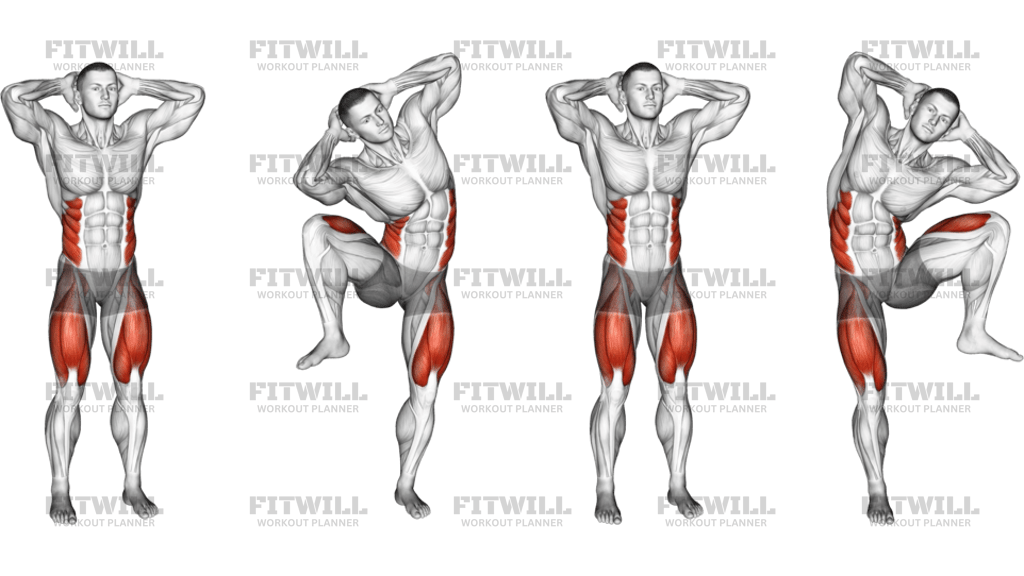
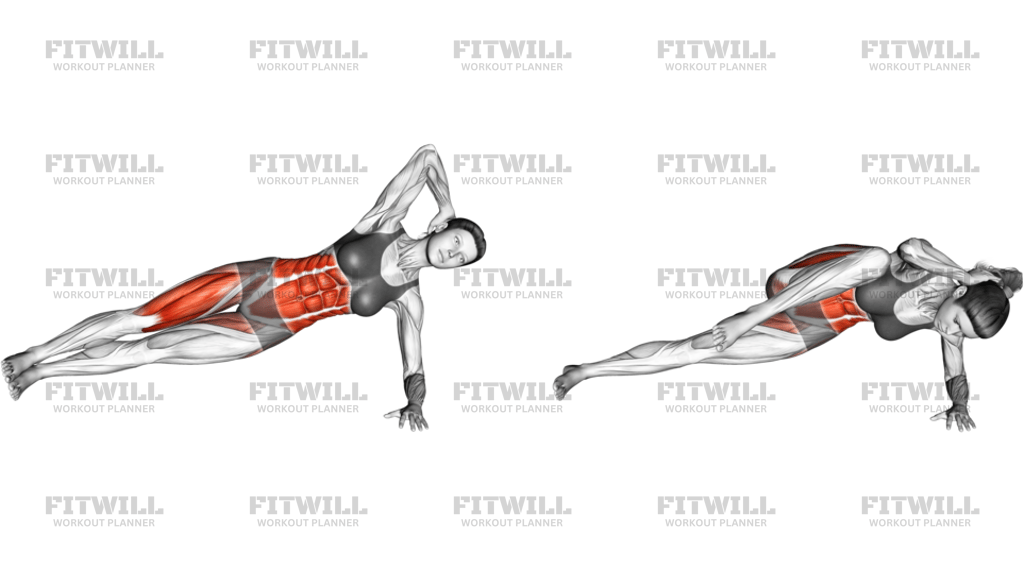
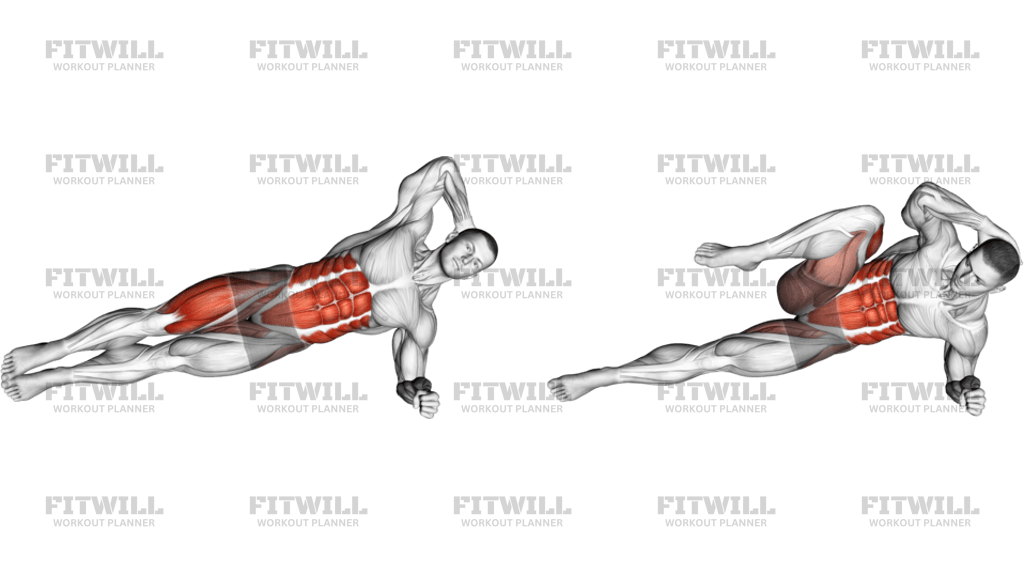
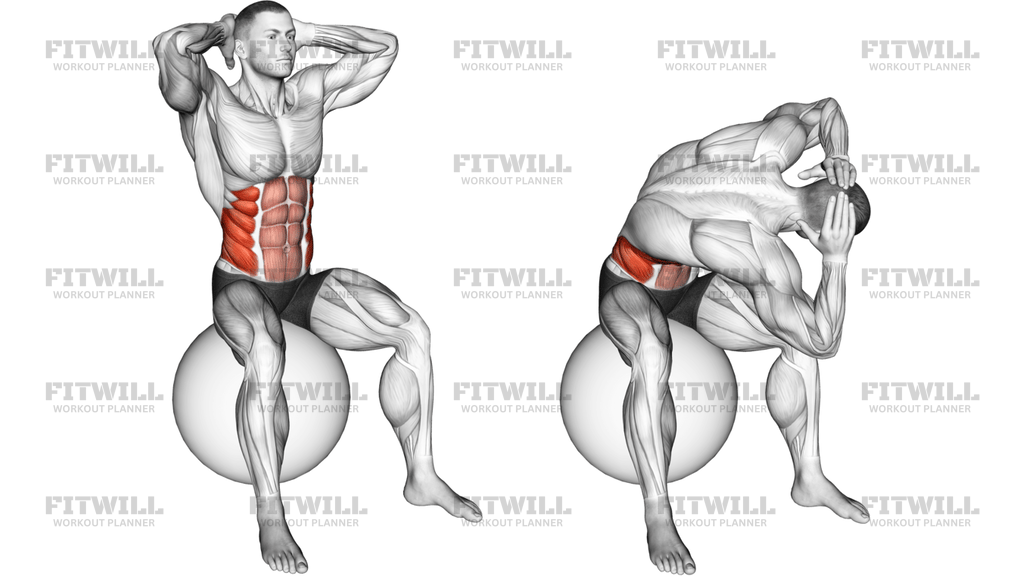
Lever Lying Crunch
Lever Lying Crunch is a machine-based abdominal exercise that trains spinal flexion under a guided path. It is useful when you want direct, repeatable tension on the abs without having to balance a free weight or fight for body position. The machine setup keeps the movement honest, but only if you let the trunk do the work instead of yanking through the handles or pushing through the legs.
The main target is the abs, especially the rectus abdominis, with the obliques and deep core helping control the ribcage and pelvis. Hip flexors assist, but they should not take over the rep. In practice, Lever Lying Crunch works best when the torso curls smoothly from the top of the ribcage rather than turning into a hip-driven sit-up.
Setup matters a lot on this movement. Position your upper back and shoulders on the pad, hook your feet under the rollers, and hold the handles with a light, steady grip. Your neck should stay relaxed, your chin slightly tucked, and your low back in contact with the pad so the first rep starts from a supported stretch instead of a collapsed position.
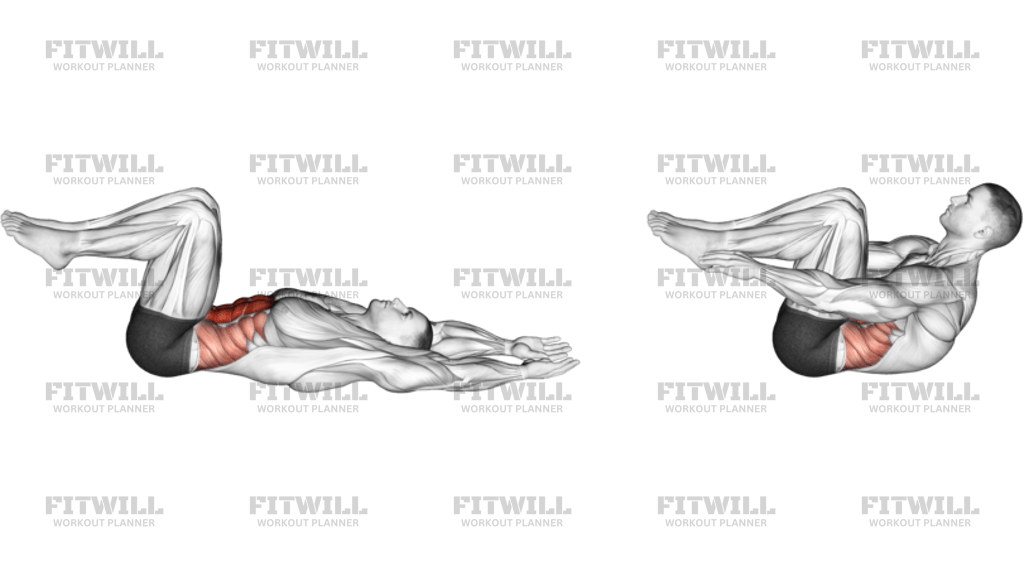
Each repetition should begin with an exhale and a deliberate curl of the sternum toward the pelvis. The shoulders and upper back travel forward while the hips stay anchored to the seat, creating a short, controlled crunch rather than a big heaving motion. At the top, the abs should feel shortened and tight; on the way down, return slowly until the torso is extended enough to feel tension again without losing control.
This is a strong accessory choice for core-focused sessions, bodybuilding work, or any program that needs a reliable ab movement after larger lifts. It is also a good option for beginners who need a fixed path and a clear target, as long as the resistance is light enough to keep the neck, arms, and hip flexors quiet. If the rep becomes jerky, shorten the range and slow the descent before adding more load.
The best sets look smooth from start to finish. Keep the elbows and hands passive, avoid pulling your head forward, and do not let the lower back peel away just to chase more range. A clean Lever Lying Crunch should feel like the ribs are folding toward the pelvis, with the machine simply providing resistance and structure to that motion.
[ Workout Log & Planner ]
Put your next workout in Fitwill
Keep your plan and training log ready when you are.


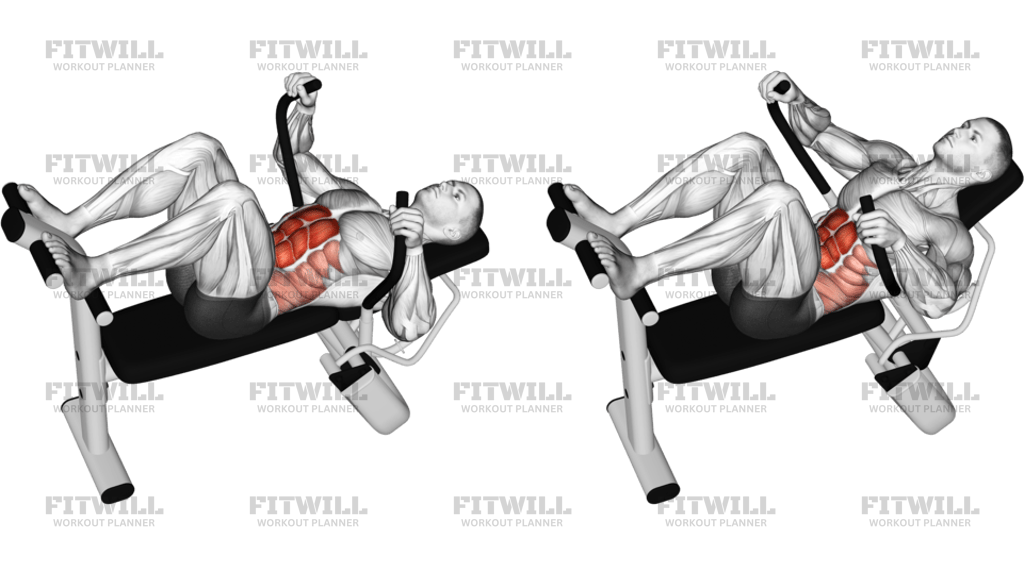
Instructions
- Set the seat and back pad so your upper back is supported, then hook your feet under the rollers with your knees bent and your hips anchored to the pad.
- Lie back with your shoulder blades resting on the pad, your chin slightly tucked, and your low back in contact with the machine.
- Grip the handles lightly and keep your elbows bent so your arms stay supportive instead of pulling the rep.
- Exhale and curl your ribcage toward your pelvis, lifting your shoulders and upper back off the pad.
- Keep your hips down and let the movement come from your abs rather than from swinging the legs or pulling with the arms.
- Squeeze the top position for a brief pause when your torso is curled and your abs are fully shortened.
- Inhale as you lower yourself slowly until your shoulders return to the pad and tension is still on the abs.
- Keep the neck relaxed and repeat for the planned reps before sitting up and releasing the handles under control.
Tips & Tricks
- Set the seat height so the first rep starts from a stretched but supported torso, not from a cramped position.
- Think about bringing your sternum toward your pelvis, not about sitting all the way upright.
- Keep a light grip on the handles; if your forearms burn before your abs do, you are pulling too hard.
- If your hip flexors dominate, shorten the range and keep the knees bent instead of driving the thighs forward.
- A slow lowering phase makes this machine much more effective than bouncing off the pad.
- Keep your chin tucked just enough to stop the neck from leading the movement.
- Stop the set when the shoulders start jerking or the lower back begins to arch off the pad.
- Use a load that lets you pause briefly at the top without losing the curl on the way back down.
Frequently Asked Questions
What muscles does Lever Lying Crunch train most?
It primarily trains the abs, especially the rectus abdominis, with the obliques and deep core helping control the curl.
How do I set up Lever Lying Crunch correctly?
Sit or lie so your upper back is supported, hook your feet under the rollers, and keep your low back and pelvis anchored before you start curling.
Should I pull on the handles during Lever Lying Crunch?
No. The handles are there for light support, not to drag your torso through the rep.
How high should I crunch on this machine?
Crunch until your shoulders and upper back lift and the abs shorten, but stop before you turn it into a full sit-up.
Why do I feel Lever Lying Crunch in my hip flexors?
That usually means the legs are helping too much or the range is too large. Keep the hips heavy and make the torso curl first.
Is Lever Lying Crunch good for beginners?
Yes, because the machine guides the path. Start light and learn to move the ribcage without jerking the neck or arms.
Can I use Lever Lying Crunch instead of floor crunches?
Yes. It gives you a fixed path and easier resistance control, which many lifters find better for progressive overload.
How should I progress Lever Lying Crunch?
Add resistance slowly, pause for a beat at the top, or slow the lowering phase while keeping the same smooth curl.