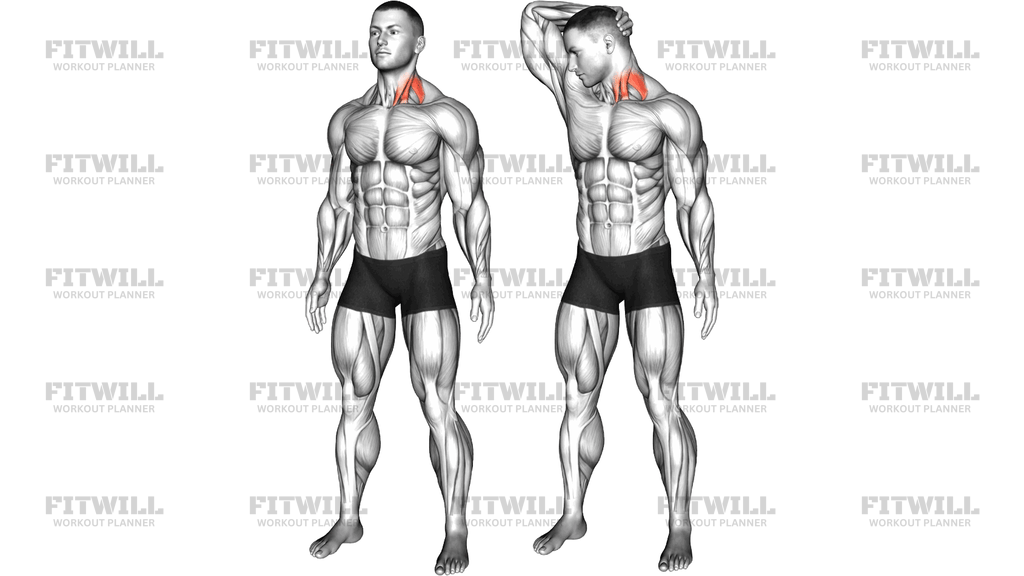
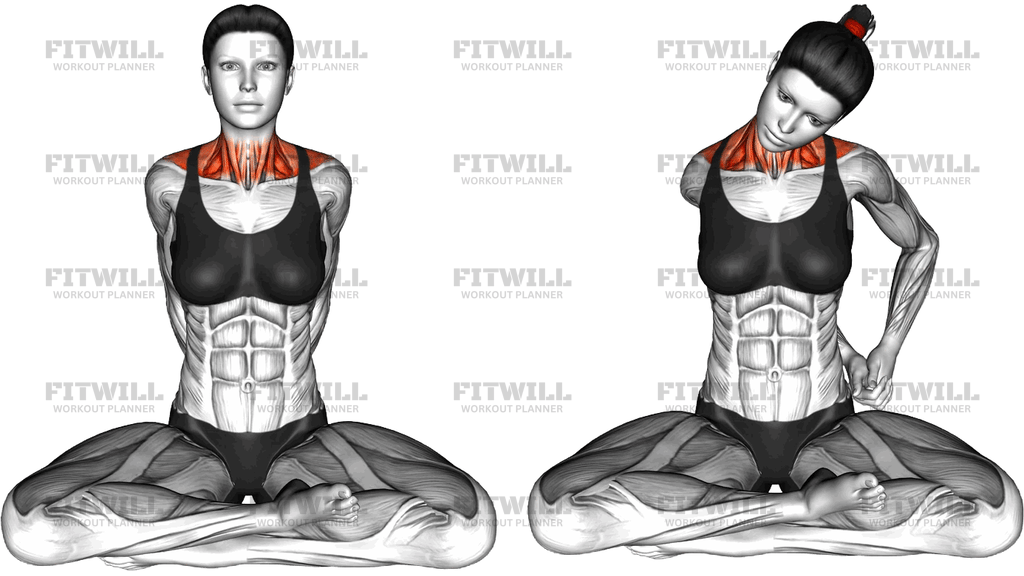
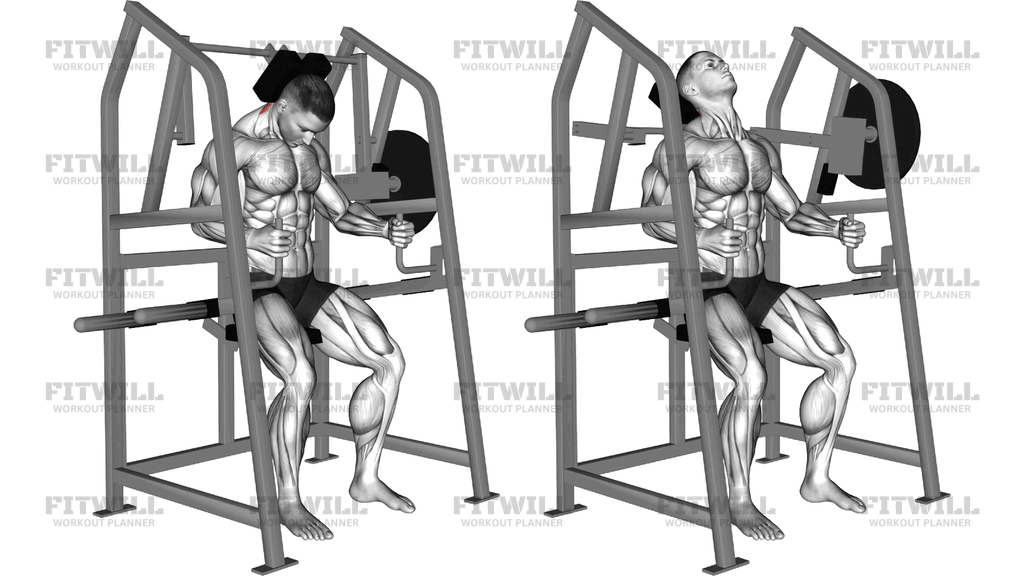
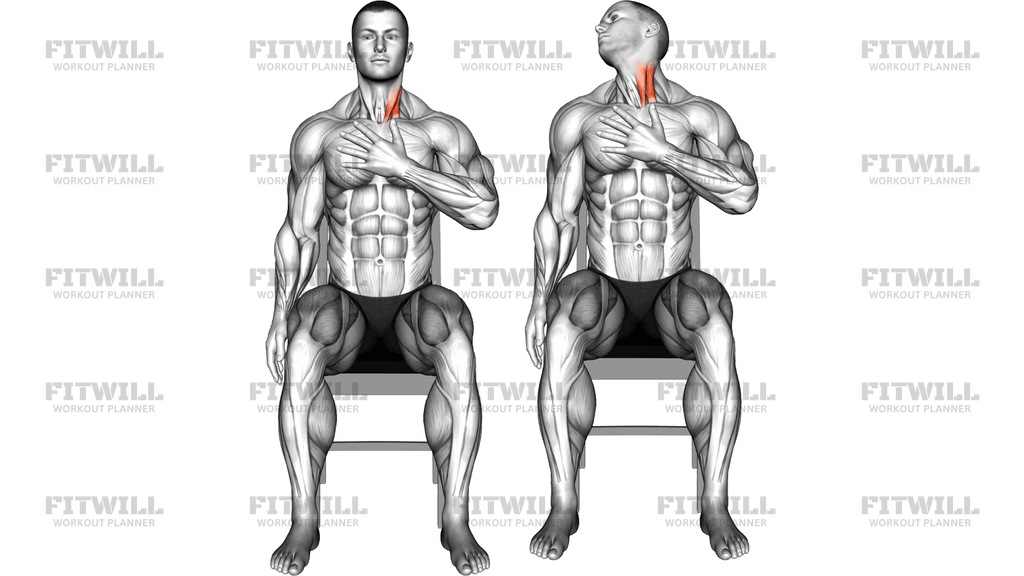
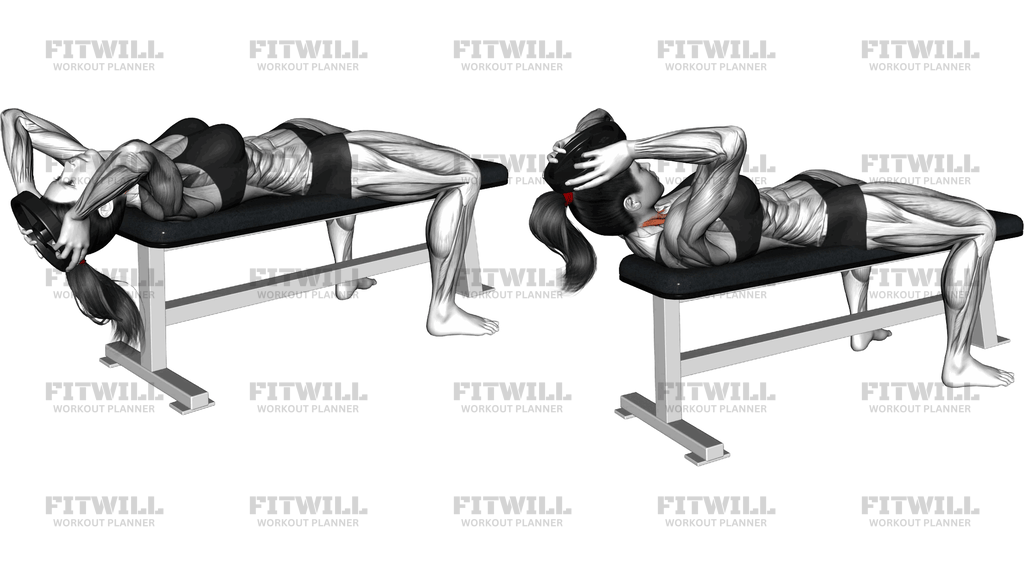
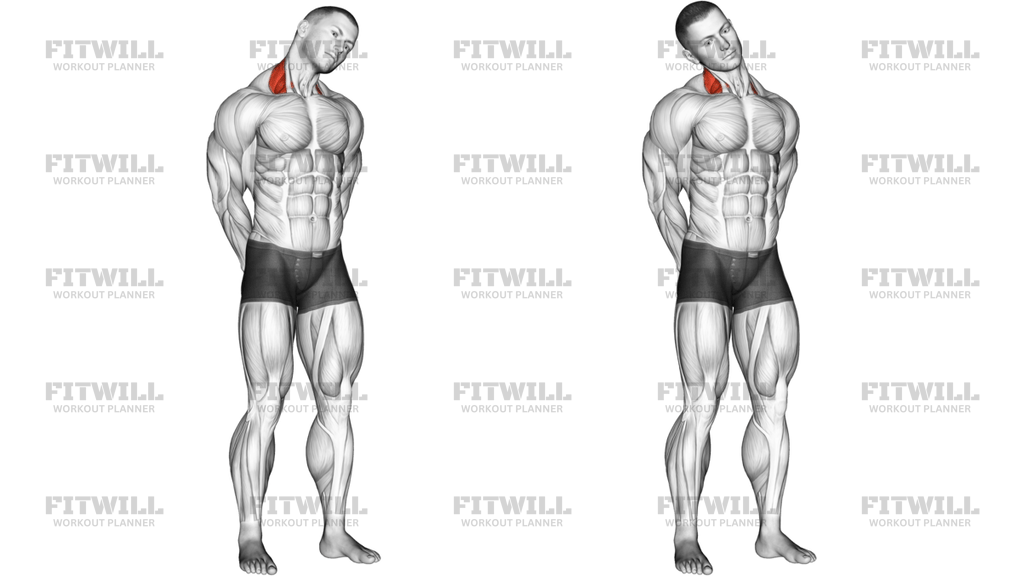
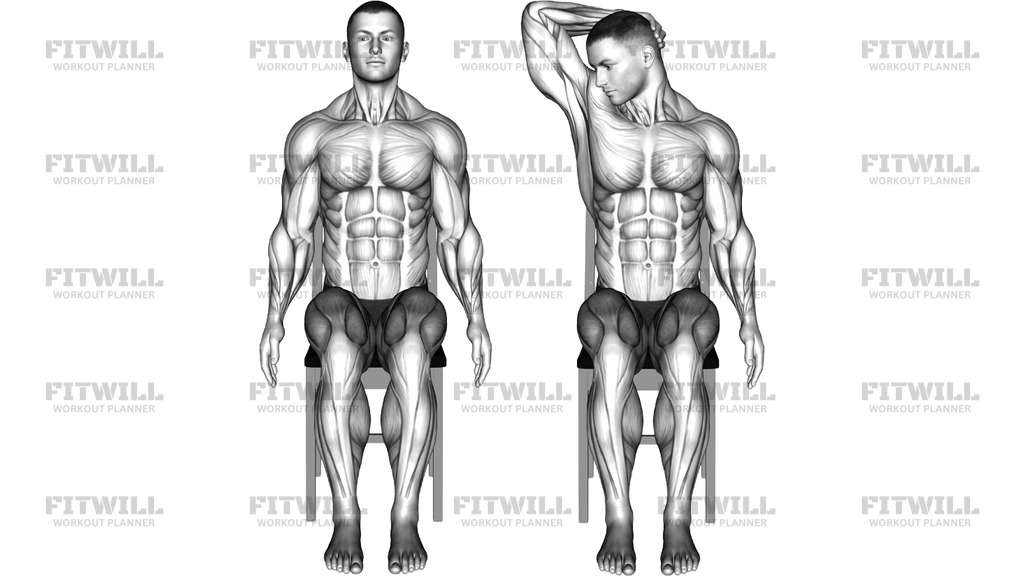
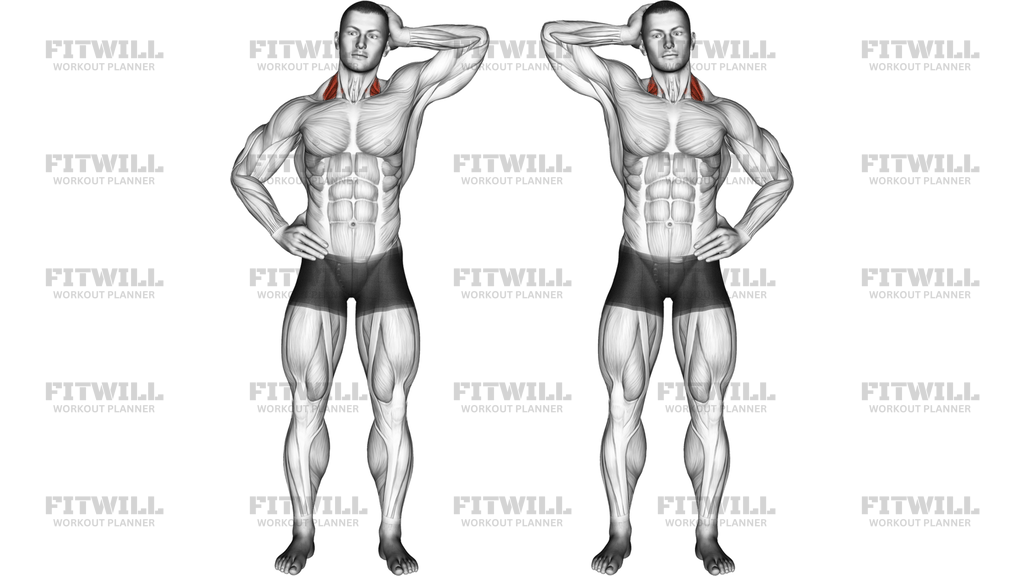
Lever Neck Left Side Flexion Plate Loaded
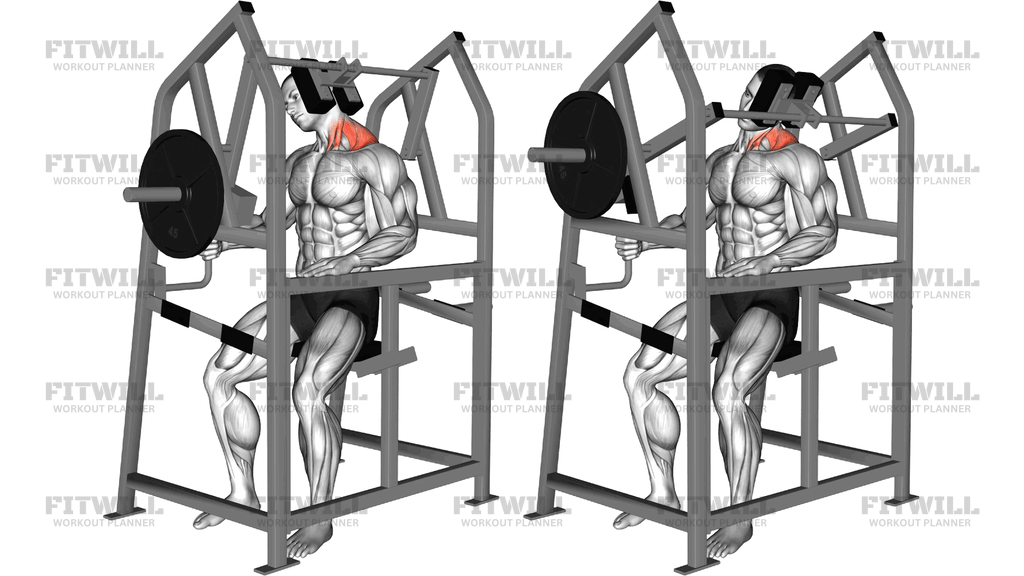
Lever Neck Left Side Flexion (Plate Loaded) is a seated neck isolation exercise that trains controlled side bending of the cervical spine against a lever arm. The machine fixes the path of resistance so the work stays focused on the side of the neck rather than turning into a whole-body heave, which makes setup and posture more important than load.
This movement is useful for building neck strength, postural tolerance, and better control around the head and upper cervical region. In the working range, the visible effort should come from the left side of the neck while the shoulders, rib cage, and torso stay quiet. Because the range is small and the neck is sensitive, clean repetitions matter more than chasing a big weight stack or plate load.
Set the seat so the head pad meets the side of the head at about ear level, then lock your hips and torso into the seat with your feet planted firmly. Keep your chest tall, chin gently tucked, and jaw relaxed before you start. The machine should feel like it is asking the neck to move on its own path, not like you need to twist, shrug, or lean to make the rep happen.
Each repetition should be a smooth tilt of the head toward the left shoulder, followed by a slow return to neutral. Move only as far as you can keep the neck controlled and pain-free, and stop the rep before the shoulder lifts or the torso shifts. A short pause near the fully shortened position can help you feel the working side, but the return should always stay deliberate and under control.
This is best used as accessory work, warm-up prep, or targeted neck training when you want specific strength without high speed or sloppy momentum. Light to moderate loads are usually enough, especially for beginners. If you feel pinching, headache symptoms, or strain spreading into the jaw or upper back, reduce the load, shorten the range, or stop and reset the setup.
[ Workout Log & Planner ]
Put your next workout in Fitwill
Keep your plan and training log ready when you are.


Instructions
- Set the seat height so the pad touches the side of your head around ear level, then sit deep into the seat with both feet flat.
- Brace your torso against the support, keep your chest tall, and relax your jaw before moving.
- Place your head in the starting position with the neck neutral and the shoulders stacked and quiet.
- Tilt your head toward the left shoulder by bending only through the neck, not by leaning the torso.
- Pause briefly when the left side of the neck is fully shortened and the pad has moved through a controlled arc.
- Slowly return the head to neutral without letting the weight slam back into the stack or plates.
- Keep breathing steady, exhaling through the effort and inhaling on the return.
- Repeat for the planned reps, then reset the machine before stepping out.
Tips & Tricks
- If the pad sits too high, you will feel it in the jaw or temple instead of the side of the neck.
- Keep both shoulders down; shrugging turns the rep into upper-trap compensation.
- Use a small, clean range rather than forcing your ear all the way toward the shoulder.
- A slower lowering phase usually gives better neck control than trying to bounce out of the top.
- Light loads are enough here; this machine is about precision, not maximal plate loading.
- Keep your torso pinned to the seat so the movement stays in the cervical spine.
- A neutral jaw and unclenched teeth help reduce unnecessary tension in the face and neck.
- Stop immediately if the rep creates sharp pain, dizziness, or a headache-like sensation.
Frequently Asked Questions
What does Lever Neck Left Side Flexion (Plate Loaded) train?
It trains the left side of the neck through controlled side bending, with the shoulders and torso staying still.
Where should the head pad sit on this machine?
It should contact the side of the head at about ear level, not the jaw line or the top of the skull.
Should my torso move during the rep?
No. The torso should stay pinned to the seat while the neck does the work.
How far should I lower my head?
Only as far as you can keep the motion smooth and pain-free without shrugging or twisting.
What is the most common mistake on this exercise?
Most people load it too heavy and start leaning, which turns a neck exercise into a body English rep.
Is this machine suitable for beginners?
Yes, if the load is kept light and the range stays short and controlled.
What should I feel working?
You should feel the left side of the neck doing the majority of the work, with only light support from the upper back.
Can I use this for warm-up work?
Yes. It works well as a light warm-up or accessory movement before or after bigger lifts.