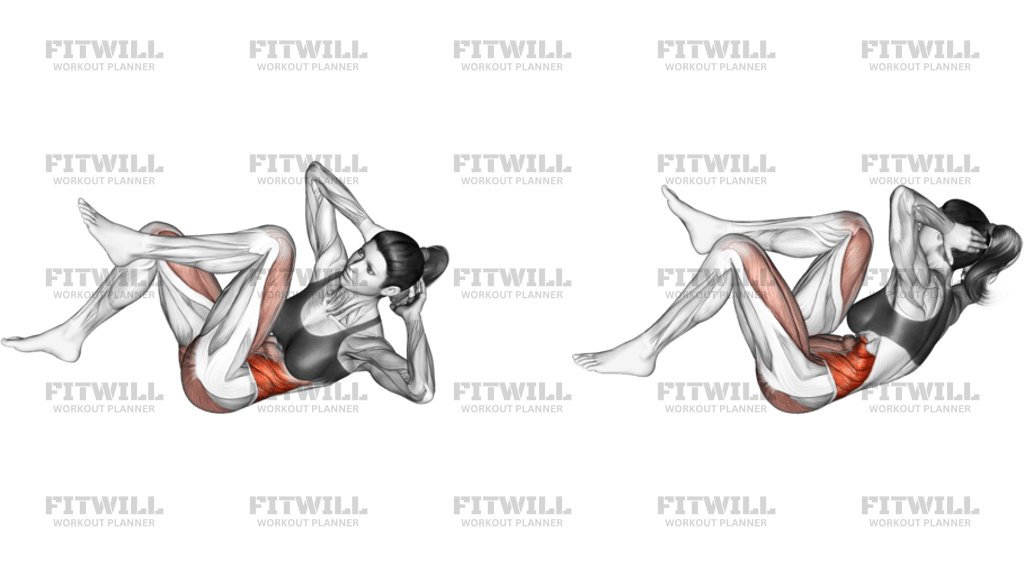
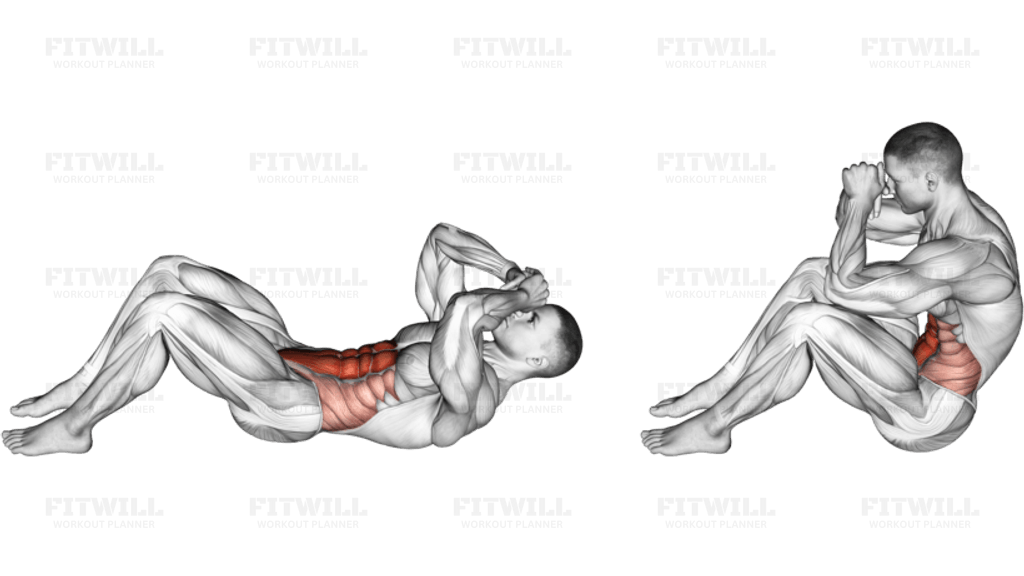
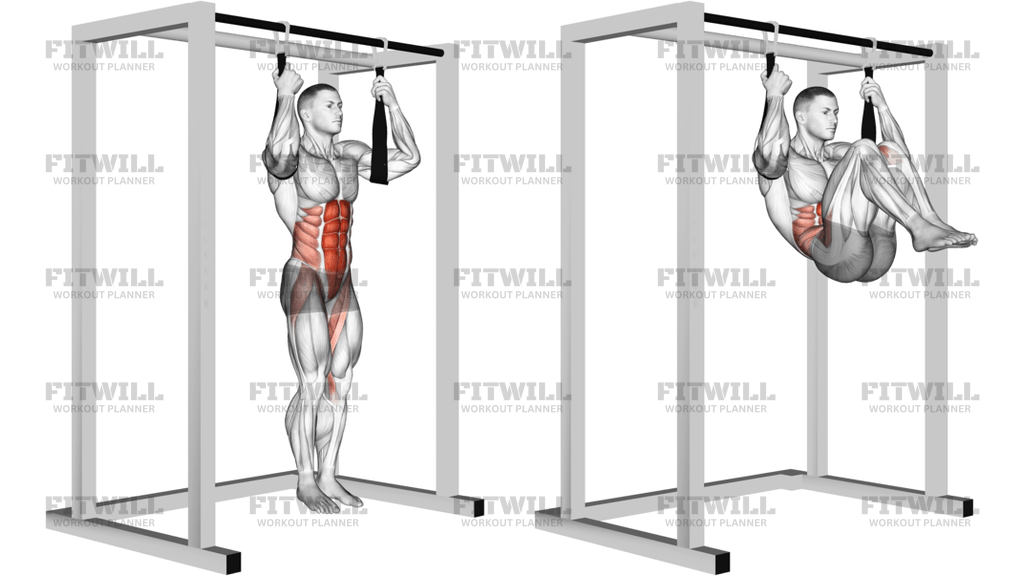
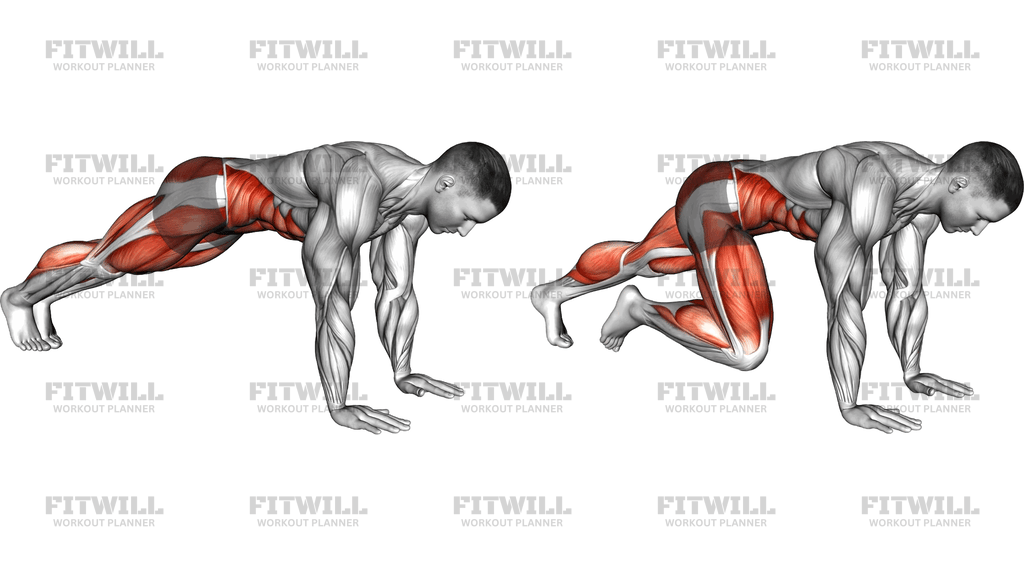
Lying Leg Hip Raise
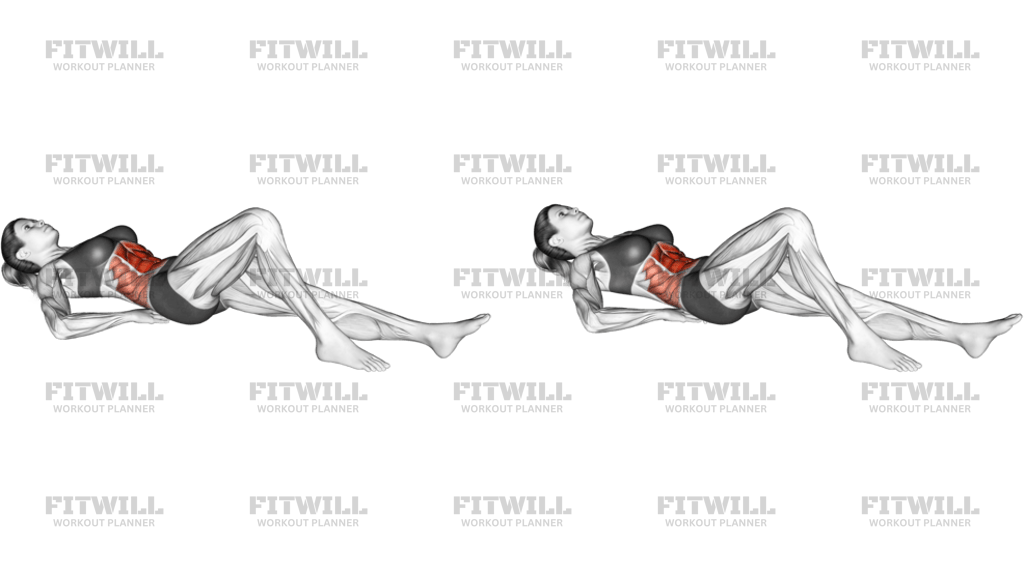
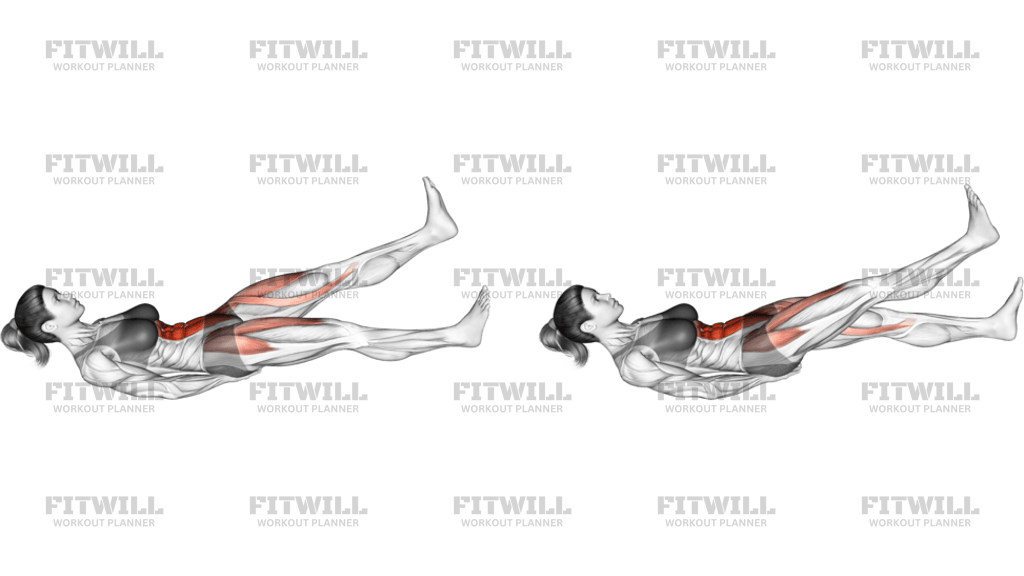
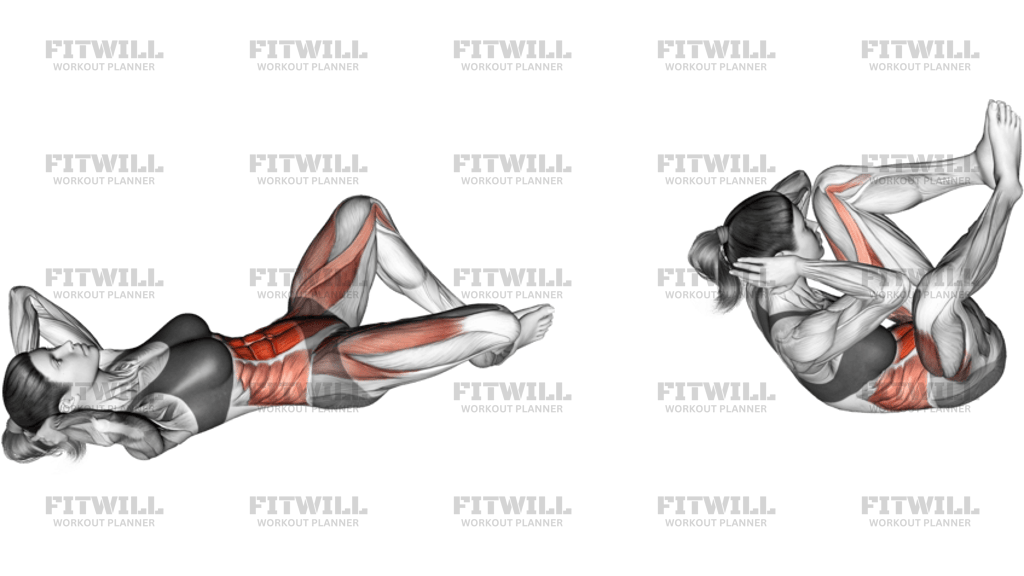
Lying Leg Hip Raise is a bench-based ab exercise built around a controlled curl of the pelvis and legs toward the torso. It trains the lower portion of the rectus abdominis hard, with the obliques and deep core helping you keep the trunk steady while the hips flex and the pelvis tilts. The movement is small on purpose: the quality comes from lifting the hips cleanly, not from swinging the legs or forcing a huge range.
The flat bench changes the exercise in an important way. With the upper body supported, the rep becomes a test of how well you can keep the rib cage down, keep the lower back from arching, and move the pelvis under control. That makes setup more important than load. If your shoulders, head, and grip on the bench are not stable before the first rep, the legs will take over and the target muscles lose tension.
Start with the body long and straight on the bench, then curl the hips upward so the thighs travel toward the torso and the pelvis lifts off the bench. At the top, the abs should feel like they are shortening hard rather than the legs just folding. Lower slowly until the torso is long again and the hips are back under control. The return matters as much as the lift because that is where many people lose tension and start to arch through the low back.
This is a useful accessory exercise for core training, ab-focused finishers, warmups, and bodyweight conditioning. It works best when you want a strict, repeatable rep pattern and a strong abdominal contraction without needing external load. If the movement turns into a kip, a leg swing, or a low-back arch, reduce the range and slow the tempo until the pelvis is doing the work again.
For most lifters, the safest version is the version they can control from the first inch of the rep to the last. Keep the neck relaxed, breathe out as the hips rise, and stop the set when the bench no longer supports clean pelvic control. Done well, Lying Leg Hip Raise is a precise core drill that teaches you to brace, curl, and resist extension through the midsection.
Fitwill
Log Workouts, Track Progress & Build Strength.
Achieve more with Fitwill: explore over 9600 exercises with images and videos, access built-in and custom workouts, perfect for both gym and home sessions, and see real results.
Start your journey. Download today!




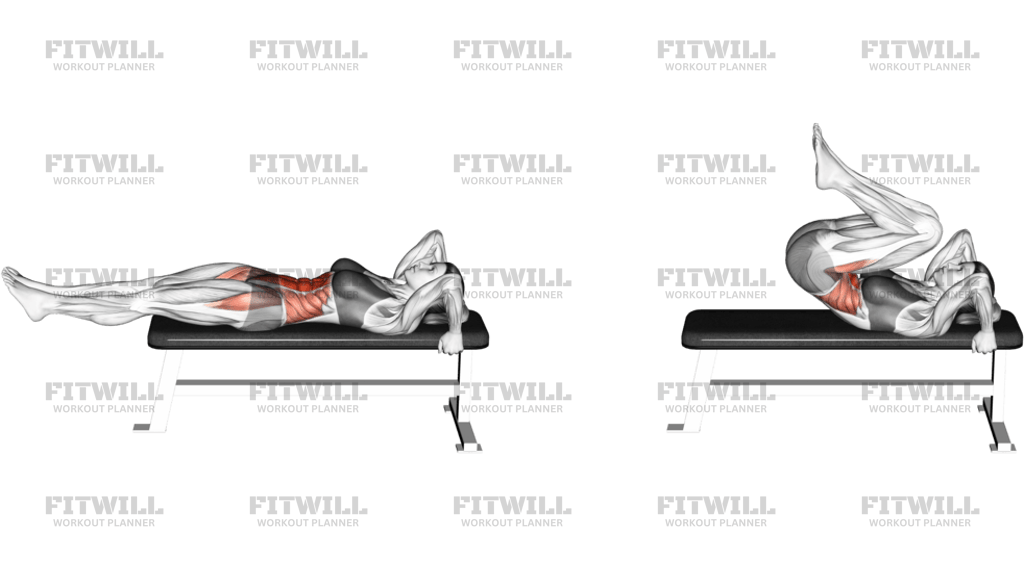
Instructions
- Lie face up on a flat bench with your head and upper back supported, and let your legs extend straight off the end of the bench.
- Grip the bench behind your head or along the sides so your torso stays anchored while the legs move.
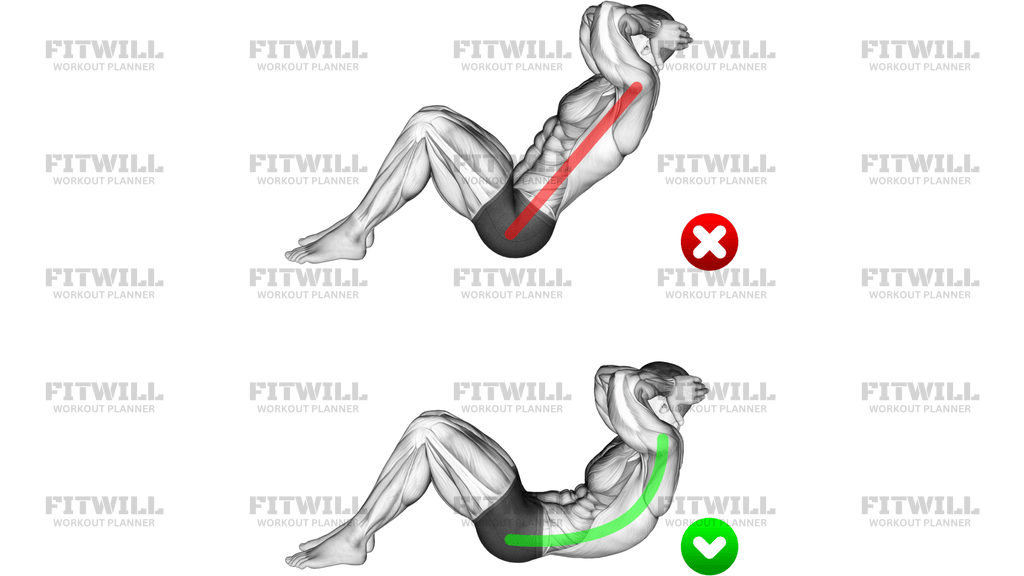
- Set your rib cage down, flatten your lower back gently into the bench, and brace before the first rep.
- Keep the legs straight and together as you begin the lift from the hips, not from a fast kick.
- Curl the pelvis upward and bring the thighs toward your torso until the hips lift and the abs fully shorten.
- Pause briefly at the top without losing tension or letting the legs swing higher than the pelvis.
- Lower the legs and hips slowly until your body is long again and the lower back stays controlled on the bench.
- Exhale as you lift, inhale as you lower, and reset your brace before each repetition.
- Stop the set if you have to arch, swing, or bend the neck to finish the rep.
Tips & Tricks
- Think about tipping the belt buckle toward your ribs; that pelvic curl is the point of the rep.
- Keep the legs long enough to challenge the abs, but bend the knees slightly if a straight-leg version makes you lose control.
- Do not let the lower back pop off the bench early; the hips should finish the curl, not the lumbar spine.
- A slower lowering phase usually works better here than chasing more reps, because the return keeps tension on the abs.
- If your grip on the bench feels weak, move your hands to a more secure spot before the set starts.
- The top position should feel like a hard abdominal crunch, not like a loose leg raise with extra momentum.
- Keep your chin slightly tucked so the neck does not take over when the pelvis lifts.
- Shorten the range if the legs start to drift or the bench starts to feel like a launch pad.
- Use body weight only until every rep looks the same; loading too early usually turns this into a hip flexor drill.
Frequently Asked Questions
What muscles does Lying Leg Hip Raise target most?
It primarily targets the rectus abdominis, with the obliques and deep core helping stabilize the torso.
Where should I feel the movement on the bench?
You should feel the abs curling the pelvis upward, with some work from the hip flexors, but not a sharp pull in the lower back.
How should my body be positioned on the bench?
Lie face up with your upper back and head supported, grip the bench for stability, and let the legs extend straight off the end.
Can I bend my knees during the rep?
A small bend is fine if it helps you control the pelvis, but the movement should still look like a deliberate curl rather than a loose tuck.
What is the most common mistake with this exercise?
Most people swing the legs or arch the low back instead of curling the pelvis, which shifts tension away from the abs.
Is this exercise good for beginners?
Yes, if they keep it bodyweight-only, use a short controlled range, and stop before form turns into momentum.
How do I know if I am lifting correctly?
At the top, the pelvis should curl up and the abs should harden; if the legs move more than the hips, the rep needs more control.
Should I add weight right away?
Not usually. Master the bench setup, the pelvic curl, and the slow return first, then progress only if the movement stays strict.