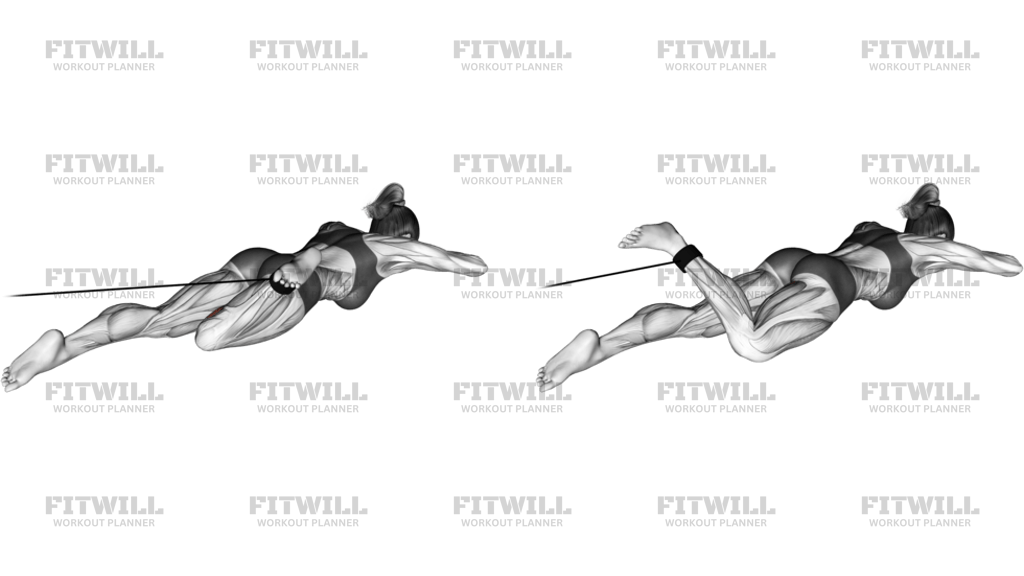
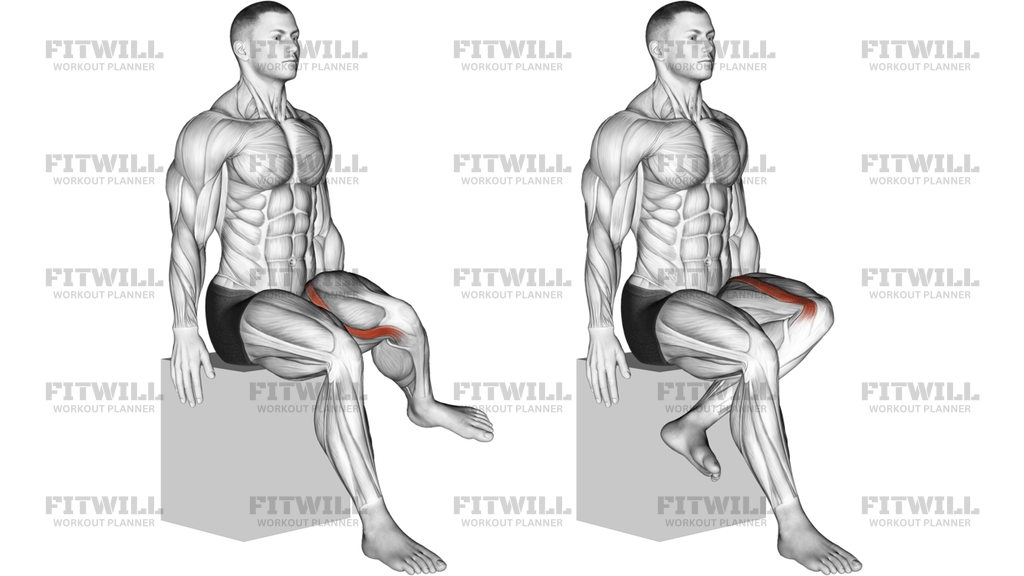
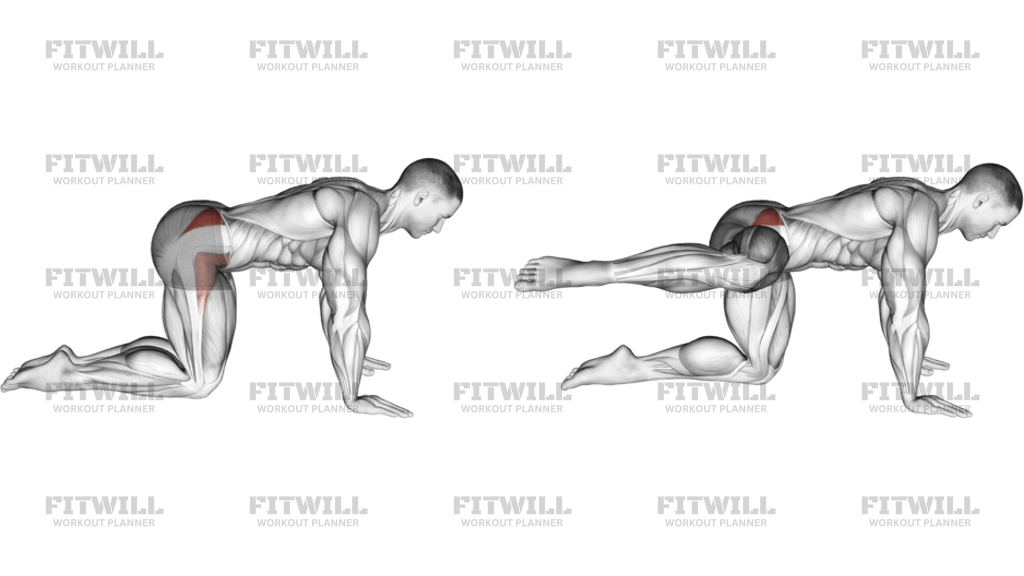
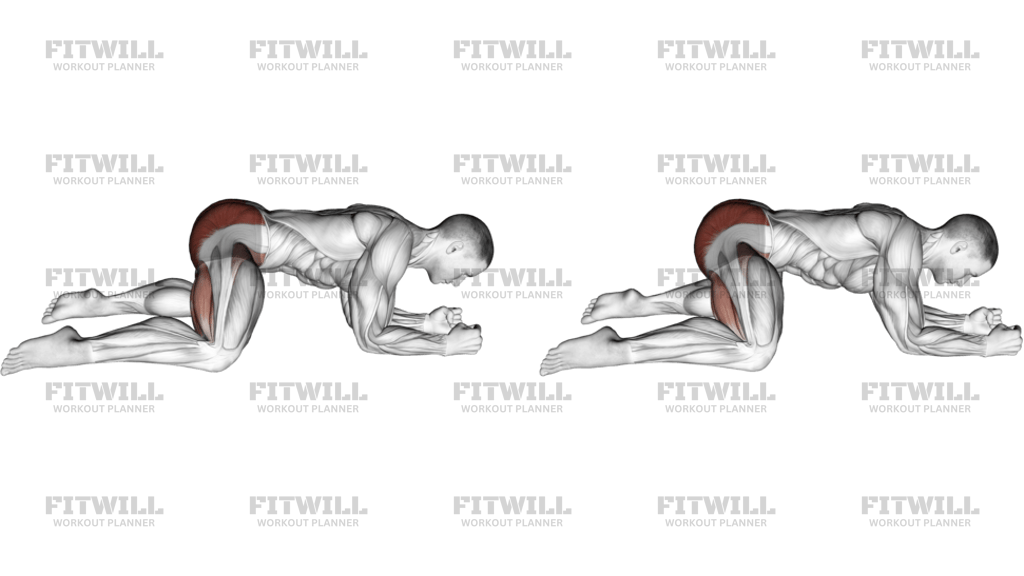
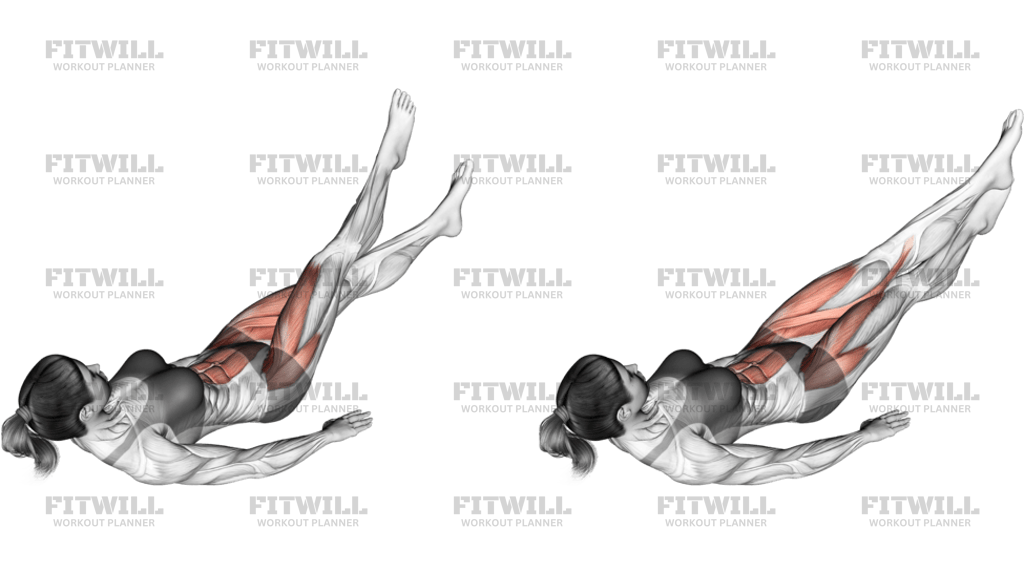
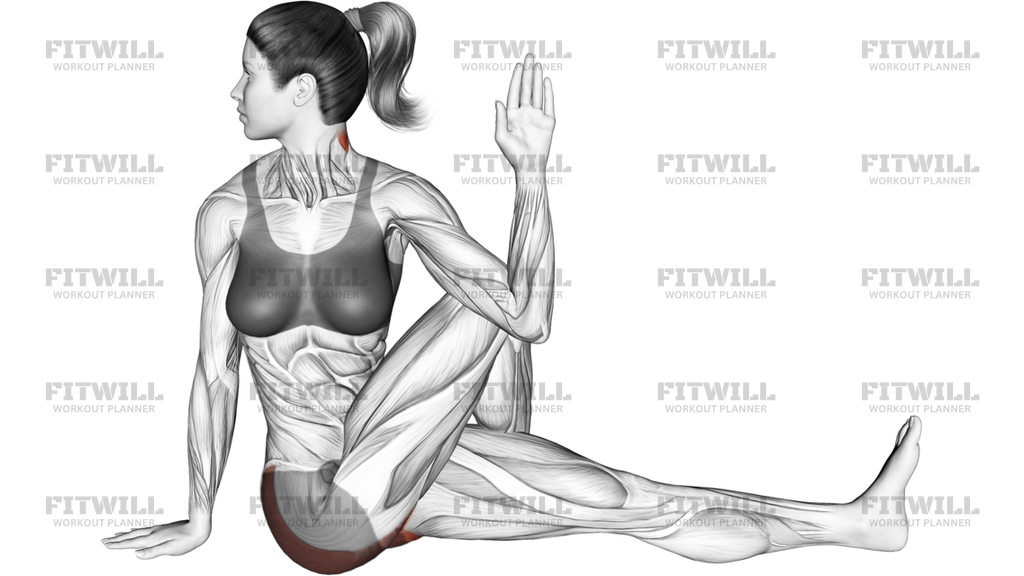
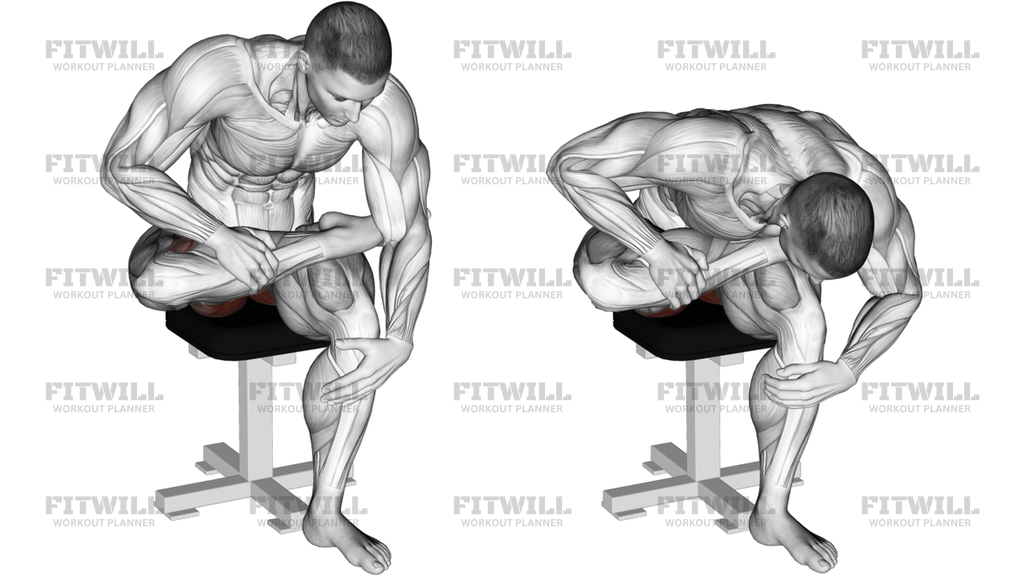
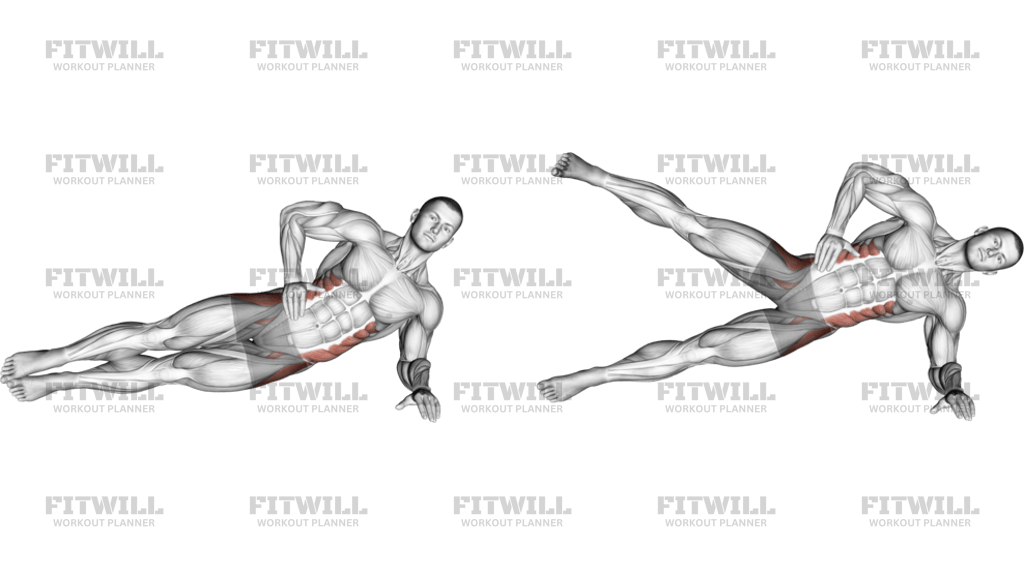
Rear Decline Bridge
Rear Decline Bridge is a bodyweight bridge variation that biases the hips and glutes while asking the core to keep the pelvis and ribs organized. With your upper back supported on the decline surface and your feet planted on the floor, the exercise turns a basic hip bridge into a slightly longer lever position that makes clean hip extension more demanding without needing external load.
The movement is built around the Gluteus maximus, with the hamstrings, rectus abdominis, and spinal erectors helping stabilize the torso and control the lift. When the setup is right, you should feel the hips do the work while the lower back stays quiet and the knees track steadily over the feet. That makes the exercise useful for glute activation, accessory work, and low-load posterior-chain training.
Setup matters because the decline angle changes how much tension you feel at the top and how easily you can overextend the spine. Plant the feet so the shins stay close to vertical when the hips are raised, keep the feet flat, and set the upper back firmly on the support before the first rep. If the feet are too far away, the hamstrings usually take over; if the ribs flare, the lower back does the job instead of the hips.
Each repetition should start from a controlled hang, then rise through the heels as the glutes drive the hips up. Finish by stacking shoulders, hips, and knees in a straight line without pushing the pelvis into an aggressive arch. The lowering phase should be just as deliberate, returning to the start with tension still on the hips rather than dropping quickly onto the bench or floor.
Rear Decline Bridge fits well in a warm-up, glute-focused accessory block, or core session when you want a simple movement that still rewards precision. It is also a practical option for beginners who need a bodyweight bridge before adding bands, dumbbells, or unilateral progressions. Keep the repetition quality high, because the benefit of this exercise comes from controlled hip extension and stable torso position, not from speed or range that the body cannot support safely.
[ Workout Log & Planner ]
Put your next workout in Fitwill
Keep your plan and training log ready when you are.


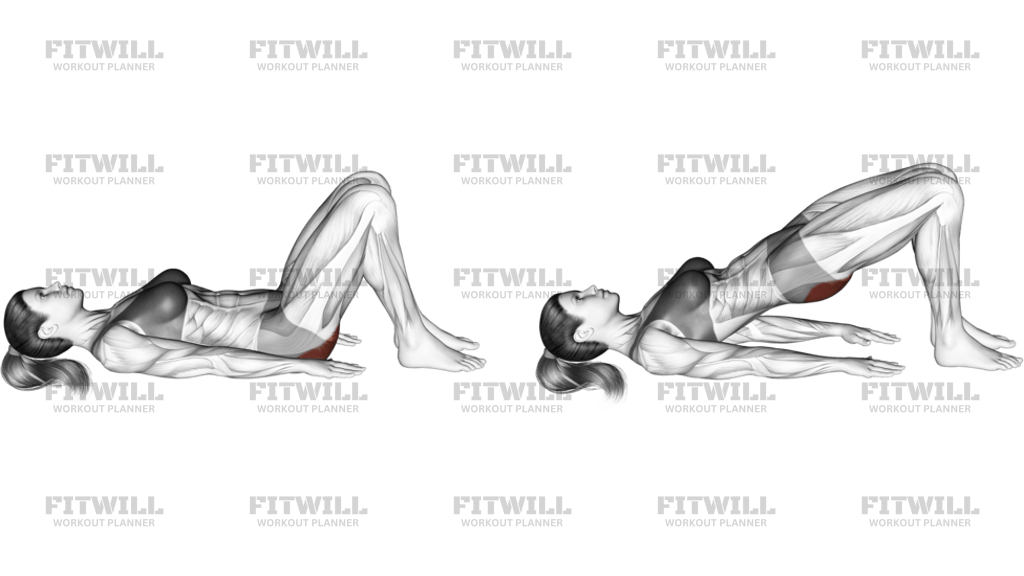
Instructions
- Sit on the floor in front of the decline support, then place your upper back and shoulders on the rear edge so your torso is supported and your knees are bent.
- Plant both feet flat and set them about hip-width apart, with your heels far enough away that your shins stay close to vertical when your hips are lifted.
- Tuck your chin slightly, keep your ribs down, and brace your midsection before the first rep so the lower back stays out of the lift.
- Press through your heels and drive your hips upward until your shoulders, hips, and knees form a straight line.
- Squeeze the glutes at the top without turning the rep into a lower-back arch or overextending the ribs.
- Hold the top position briefly, then lower your hips under control until they are just above the floor or the point where tension starts to fade.
- Keep your knees tracking in line with your toes and avoid letting them cave inward or flare outward during the ascent.
- Reset your brace at the bottom, then repeat for the planned number of reps with the same tempo and range on every repetition.
Tips & Tricks
- Put your heels in a position that lets the glutes finish the rep; if your hamstrings cramp early, bring the feet a little closer to your hips.
- Keep the ribcage stacked over the pelvis. If your chest pops up at the top, the lower back is stealing the finish.
- Think about rolling the pelvis slightly backward as you reach the top instead of just throwing the hips upward.
- Pause for a second at the top so the glutes actually own the lockout instead of bouncing through it.
- Lower slowly enough that you can feel tension stay on the hips all the way back down.
- Let your neck stay long and relaxed on the support; looking forward usually encourages rib flare and neck tension.
- Use a smaller range if the decline angle makes the bottom position feel loose or unstable.
- Exhale as the hips rise and re-brace at the bottom before the next rep.
- Stop the set when you can no longer keep the knees, ribs, and pelvis aligned.
- Make the rep harder with tempo and pauses before you chase a faster, sloppier rhythm.
Frequently Asked Questions
What muscle does Rear Decline Bridge target most?
The glutes are the main target, especially the Gluteus maximus.
Can beginners perform this exercise?
Yes. It is a good beginner bridge variation as long as the feet are set well and the lower back stays relaxed.
Where should my feet be during the bridge?
Place them flat and hip-width apart, with the heels close enough that your shins stay nearly vertical at the top.
What should I feel at the top of Rear Decline Bridge?
You should feel a hard glute squeeze with the torso stacked, not a pinch in the lower back.
Why do my hamstrings take over on this movement?
That usually means the feet are too far from the hips or the pelvis is not staying tucked as you lift.
How high should I raise my hips?
Lift until your shoulders, hips, and knees make a straight line, then stop before your lower back starts to arch.
Is Rear Decline Bridge the same as a regular glute bridge?
It is a similar pattern, but the decline setup changes the leverage and usually makes the top position feel more demanding.
How can I make this exercise harder without adding weight?
Use a slower lowering phase, add a pause at the top, or move to a single-leg progression once the standard version is clean.