Cable Standing Hip Thrust
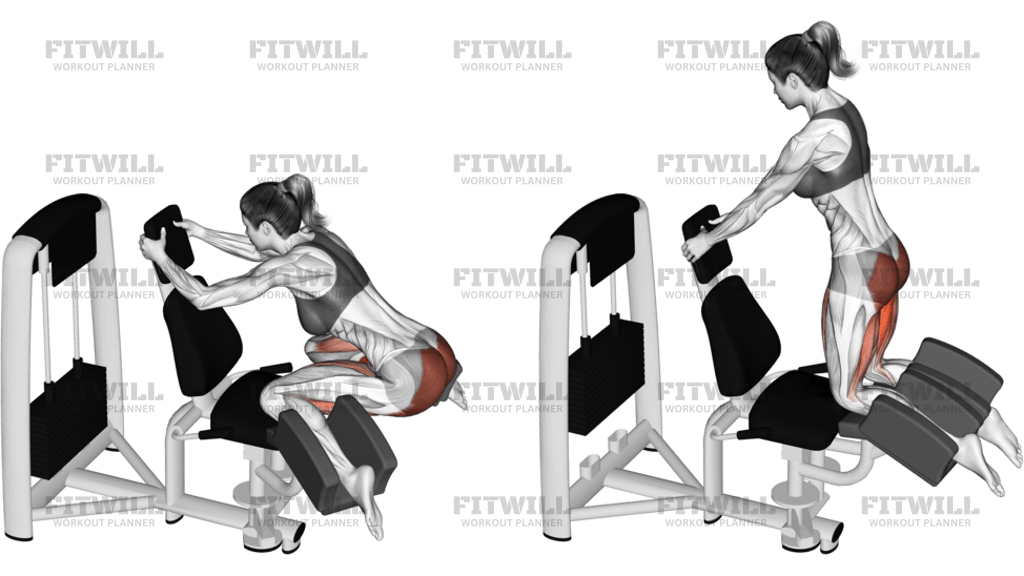
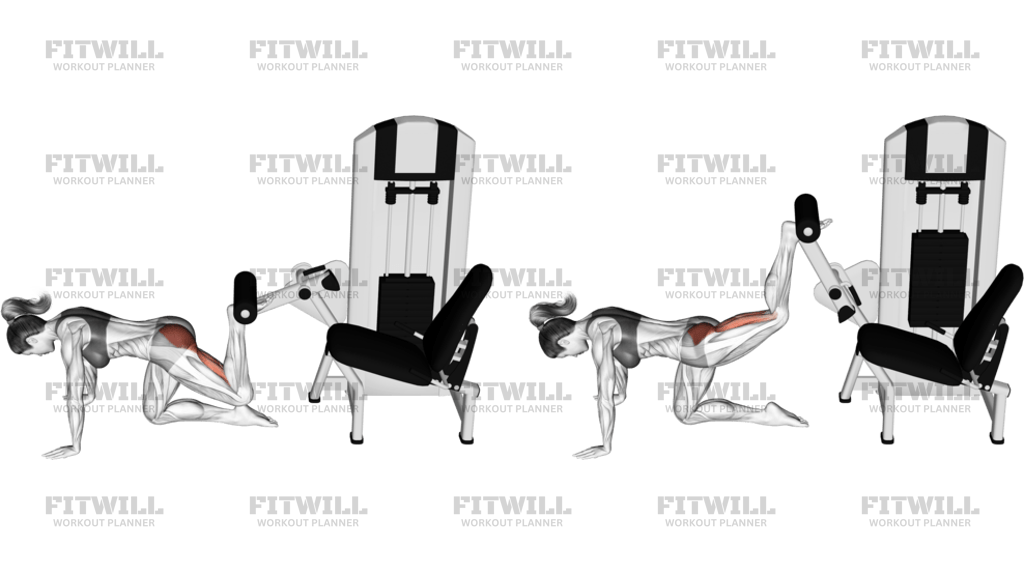
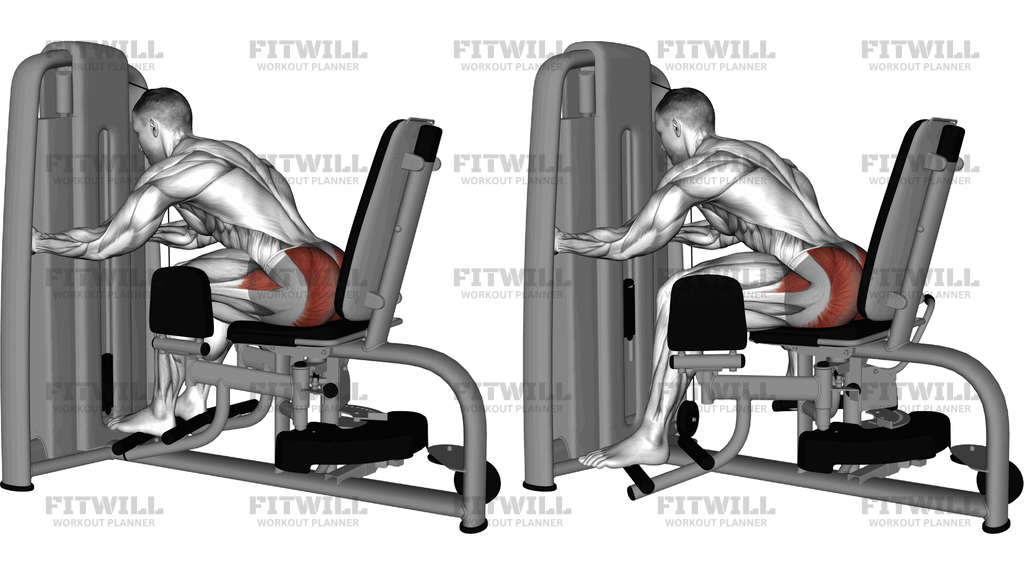
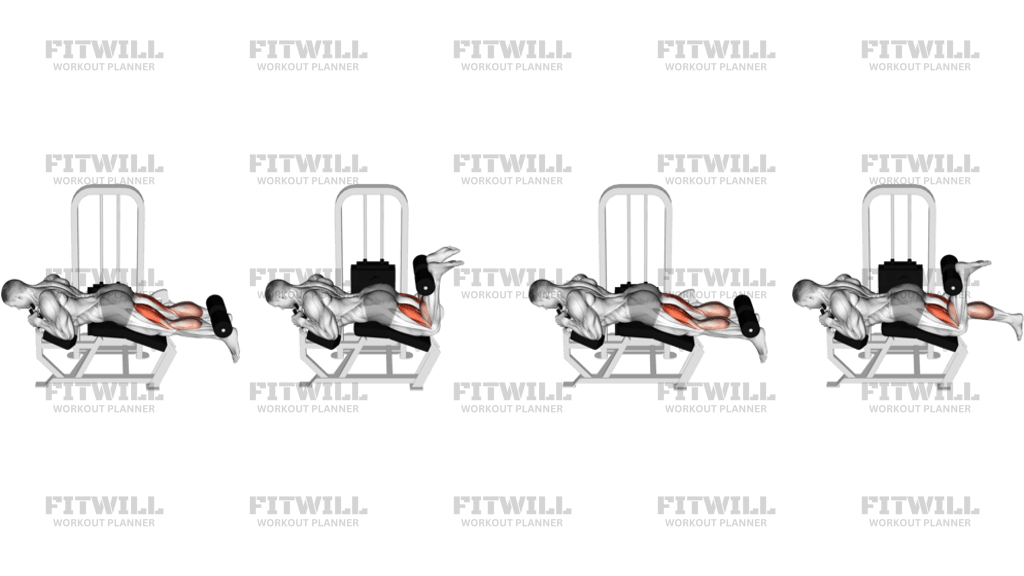
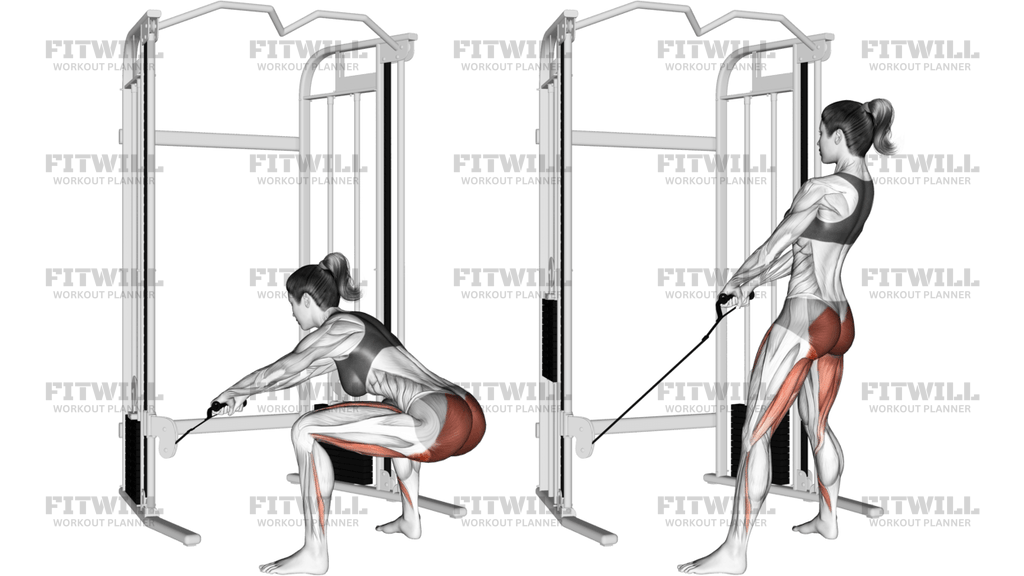
Cable Standing Hip Thrust is a low-cable hip extension exercise built around a strong hinge and a hard glute finish. In the image, the lifter faces the machine, holds the handle with both hands, sits the hips back, then stands up against the cable to drive the hips forward. That setup keeps tension on the posterior chain and gives the movement a clear, repeatable path.
This exercise trains the glutes most directly, with the hamstrings and core helping stabilize the torso while the hips move through flexion and extension. It works best when the cable stays taut, the spine stays neutral, and the finish comes from the hips rather than a backward lean. That is what separates a true hip thrust pattern from a loose standing pull on the stack.
The standing setup makes this a useful glute accessory when you want hip extension without a bench, floor contact, or a heavy barbell. It fits well after squats, deadlifts, split squats, or bridges, and it is also a good teaching tool for beginners who need a simple, guided hinge pattern. Because the resistance is smooth, it responds well to slower tempo work and controlled volume.
Good reps start with a stable stance and a clean hinge. If the load pulls you off balance, step a little farther from the stack and reduce the weight until you can control both the lowering and standing phases. Keep the handle close, drive through the midfoot and heels, and finish tall with the glutes squeezed. If the lower back takes over, shorten the range and reset the posture before the next rep.
[ Workout Log & Planner ]
Put your next workout in Fitwill
Keep your plan and training log ready when you are.


Instructions
- Set the pulley to the lowest position and attach the handle or rope so you can hold it with both hands.
- Face the machine, stand a step or two away from the stack, and hold the handle in front of your hips with your arms long.
- Place your feet about hip-width apart, soften your knees, and brace so your ribs stay stacked over your pelvis.
- Push your hips back into a shallow squat-hinge while keeping your chest long and your back neutral.
- Let the cable travel forward with you until you feel tension through the glutes and hamstrings, not a collapse in the lower back.
- Drive through your midfoot and heels to extend the hips and stand up, pulling the handle back toward your body as the hips come forward.
- Finish tall with the glutes squeezed, knees straight but not locked, and the cable still under control.
- Return by sending the hips back first, then bend the knees again and reset for the next rep without letting the stack slam.
Tips & Tricks
- If the cable yanks you forward, step farther away until the weight stack stays off the stop for the entire rep.
- Keep the handle close to your centerline; letting it drift away from the body usually turns the rep into an arm and shoulder exercise.
- Stop at a tall hip lockout, not a backward lean. Finishing by arching the low back reduces glute tension.
- Think 'hips back, hips through' on every rep so the movement stays a hinge instead of a squat.
- Keep the knees soft and track them in line with the toes; collapsing inward steals force from the glutes.
- Use a lighter load if you cannot pause cleanly at the top or if the stack touches down at the bottom.
- Exhale as you drive the hips forward; inhale as you sit the hips back and keep the torso braced.
- Slow the lowering phase if you want more glute tension and less momentum.
Frequently Asked Questions
What muscle does Cable Standing Hip Thrust target most?
It mainly targets the glutes, with the hamstrings and core helping control the hinge and keep the torso stable.
Is this the same as a cable pull-through?
The setup and motion are very similar. Both use a low cable and hip extension; this version is performed as a standing hinge with the handle held in front.
Should I feel this in my lower back?
No. You should feel the work mostly in the glutes and hamstrings. If the lower back is taking over, shorten the range and reduce load.
How far should I sit back on the descent?
Enough to load the hips without losing a neutral spine. The torso can lean forward, but the ribs should stay stacked and the back should not round.
Can beginners use this exercise?
Yes. The cable path is easy to learn, especially with a light stack and a controlled tempo.
What stance width works best?
Hip-width to shoulder-width is usually the easiest starting point. Choose the width that lets you hinge without the knees collapsing or the cable rubbing awkwardly.
Do I need a rope attachment?
A rope or handle both work if you can grip it securely with both hands and keep the line of pull comfortable.
What is the most common mistake?
Rushing the rep and finishing with a back arch instead of a true hip lockout.