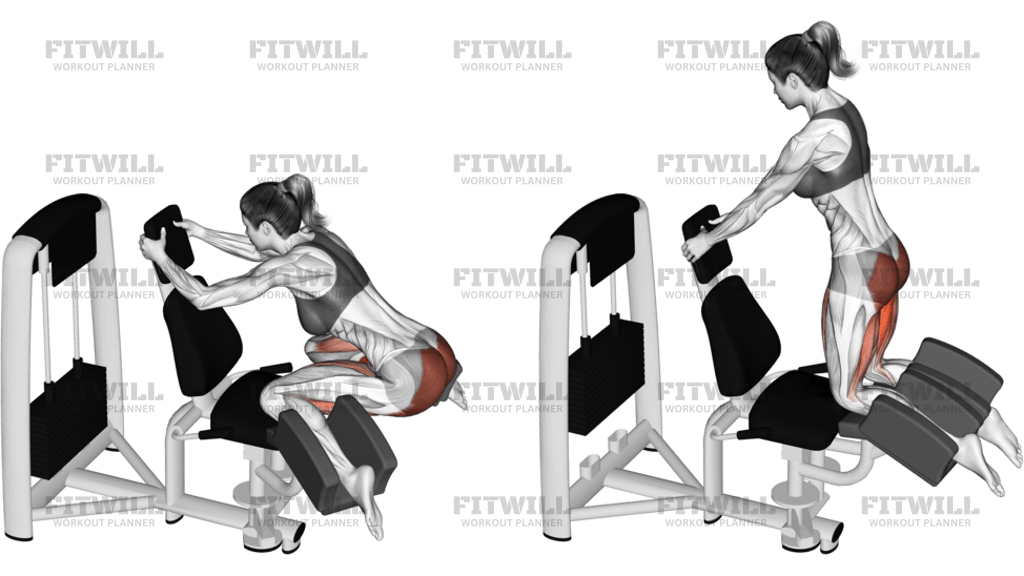
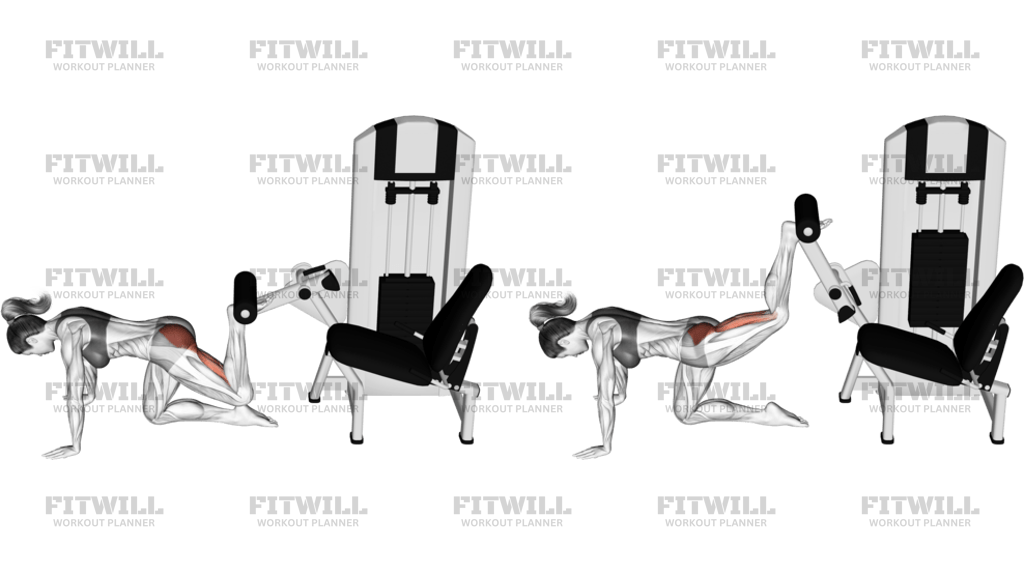
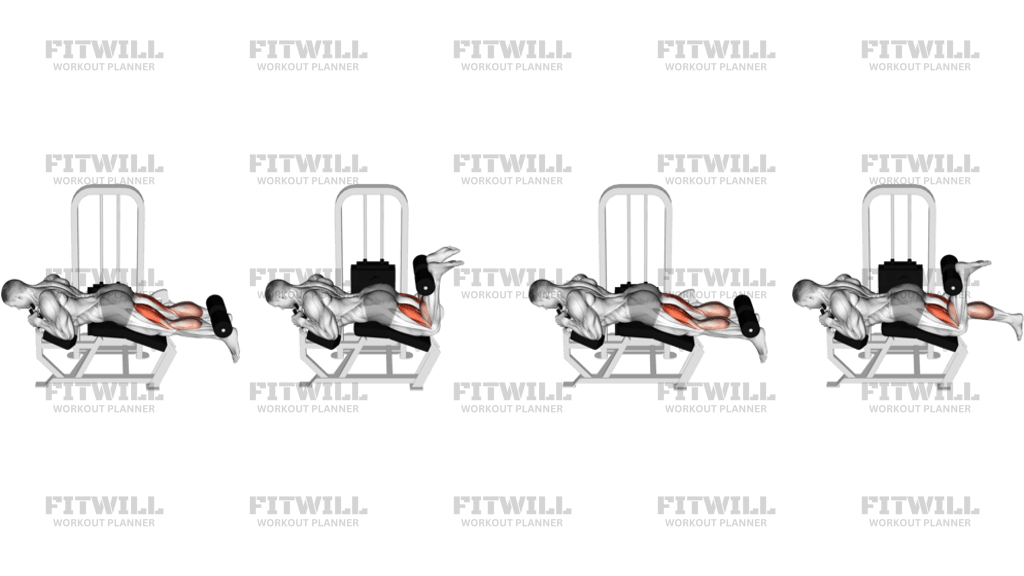
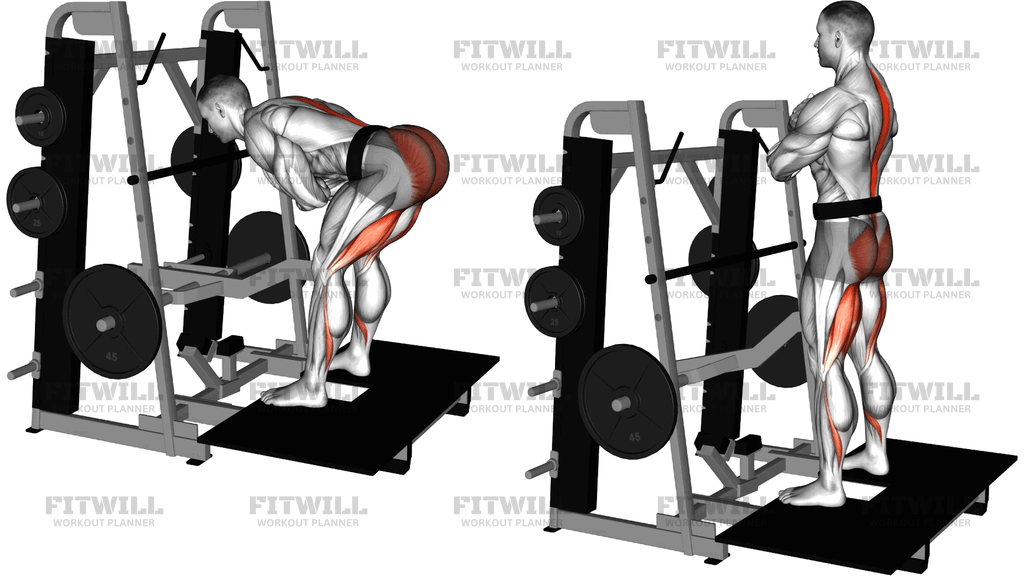
Lever Side Hip Abduction
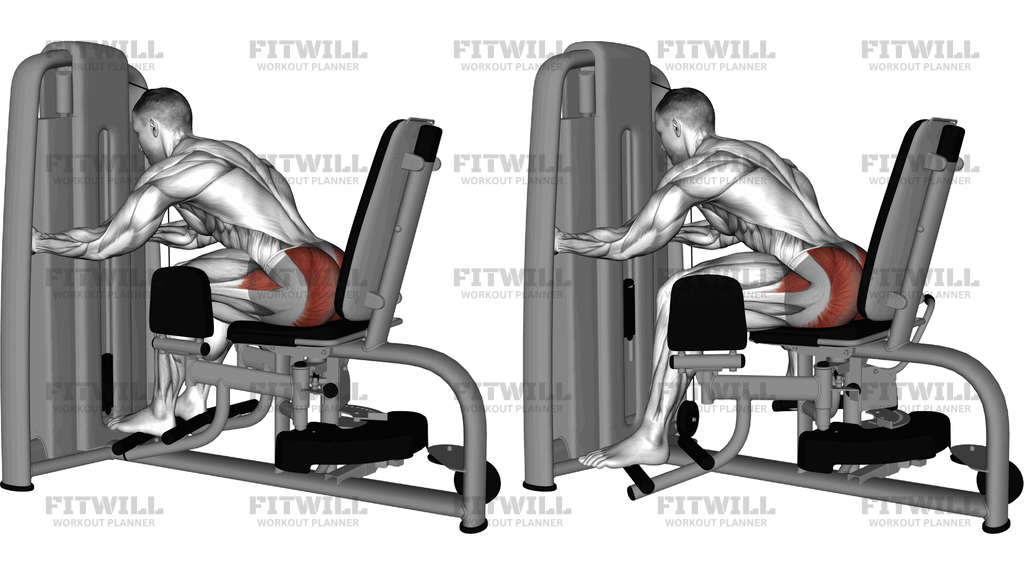
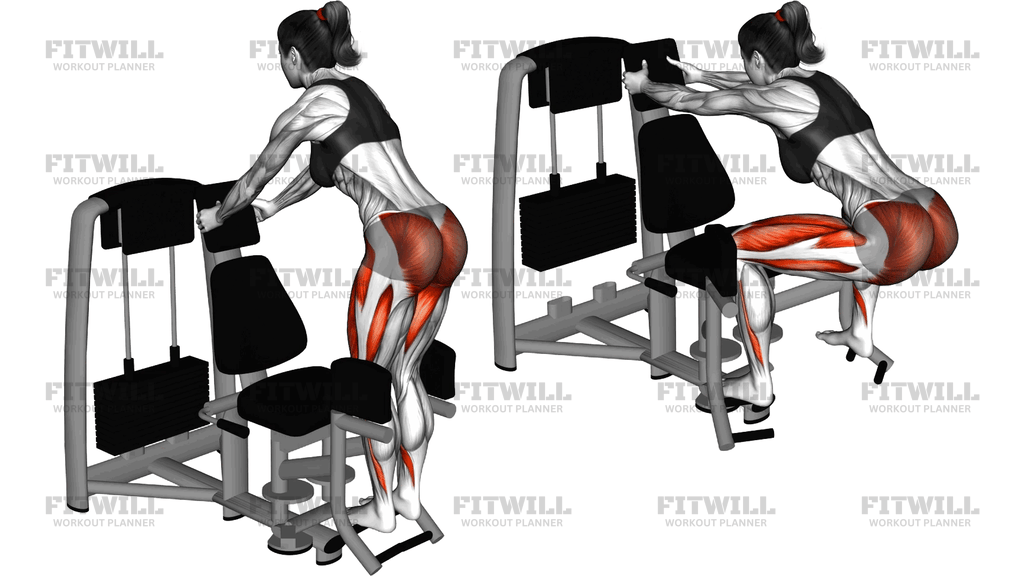
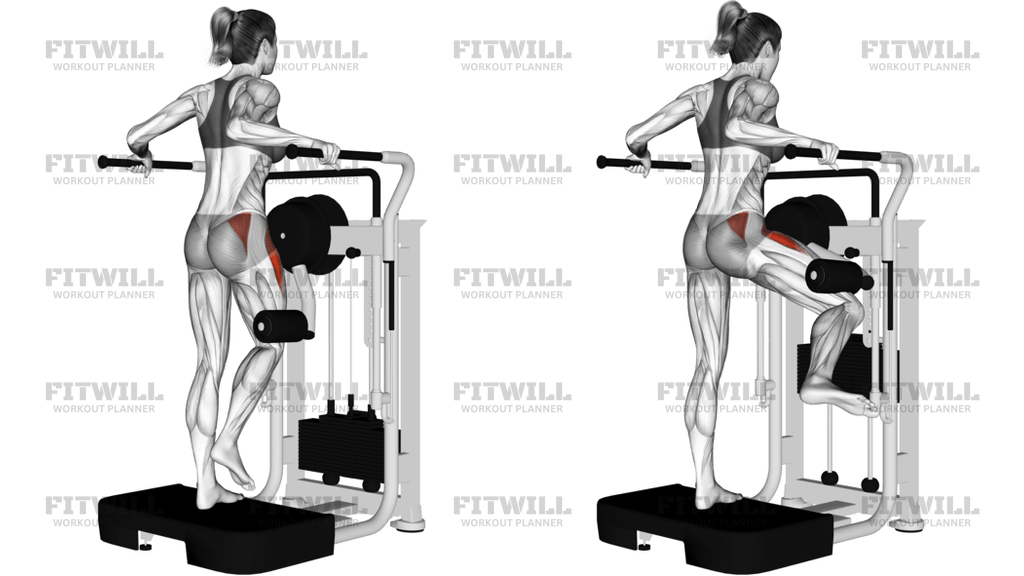
Lever Side Hip Abduction is a machine-based lower-body exercise built around moving one leg out to the side against controlled resistance. It is commonly used to train the outer hips and glutes while keeping the torso relatively still, which makes it useful for targeted strength work, warmups, and accessory training. The guided lever reduces balance demands, so the main challenge becomes clean hip control through the full arc of the repetition.
The exercise is especially helpful when you want to build the muscles that stabilize the pelvis during walking, running, squatting, or single-leg work. In practical terms, that means the outer glutes should do the work while the hips stay square and the lower back does not take over. On this movement, the visible path is short and lateral, so the quality of the setup matters more than chasing a large range or heavy stack.
A good set starts with the machine adjusted so the pad sits securely against the working leg and the pivot lines up with the hip. Once you are seated and braced, the leg should travel outward without the pelvis rolling, the rib cage flaring, or the torso swinging to help the rep. If the machine has a side-facing setup, keep the body pinned into the pad and let the hip drive the lever rather than leaning into it.
Use Lever Side Hip Abduction when you want direct hip abduction work that is easier to isolate than standing cable variations and less demanding than free-standing balance drills. It is also a practical finishing movement after squats, deadlifts, lunges, or machine leg work because it lets you load the outer hip without needing much setup space. Keep the motion smooth, use a range you can control on every rep, and stop before the pelvis starts to twist.
Safety comes from staying honest about the path of the lever and the feel in the hip joint. A slight pause at the open position can help you feel the glute work, but the return should still be slow enough to keep tension on the target muscles. If the movement turns into a torso lean, a hip hike, or a lower-back squeeze, the load is too heavy or the seat position is off. The best version of Lever Side Hip Abduction is controlled, repeatable, and centered on the outer hip rather than on momentum.
Fitwill
Log Workouts, Track Progress & Build Strength.
Achieve more with Fitwill: explore over 9600 exercises with images and videos, access built-in and custom workouts, perfect for both gym and home sessions, and see real results.
Start your journey. Download today!




Instructions
- Sit in the leverage machine with the pad against the outside of the working thigh, just above the knee, and place your feet on the machine's supports.
- Adjust the seat or back pad so your hip joint lines up with the lever's pivot and your pelvis stays square against the pad.
- Grip the handles or side support, plant the non-working leg firmly, and keep your torso tall before the first rep.
- Brace your midsection and start with the working leg brought in far enough to feel the inner edge of the range without letting the pelvis tip.
- Press the working leg outward in a smooth arc until the hip opens and the outer glute is fully shortened.
- Hold the open position briefly without leaning, twisting, or bouncing the lever.
- Lower the leg back toward the start under control until the stack or pad is ready for the next rep.
- Keep breathing steady, exhaling as you drive out and inhaling as you return.
- After the last rep, bring the lever back to the start slowly and step out only when the machine is fully still.
Tips & Tricks
- Set the pad just above the knee so the lever loads the hip instead of pressing into the shin or ankle.
- If your pelvis rolls open, reduce the range and keep the top of the rep below the point where the hips start to twist.
- Think about moving the thigh away from the midline, not pushing the whole side of the body away from the machine.
- A slight forward torso lean can be fine if it helps you stay stable, but do not turn the lift into a trunk swing.
- Use a pause near the open position to feel the outer hip instead of snapping through the top with momentum.
- Choose a load that lets you control the return as well as the press out; the lowering phase should not fall back to the stack.
- If your lower back burns before your hip does, shorten the range and recheck the seat position.
- Keep both shoulders level and avoid shifting your weight onto the non-working side.
Frequently Asked Questions
What muscles does Lever Side Hip Abduction work?
It mainly targets the outer hip and glute muscles that move the thigh away from the midline, with the core and lower back helping keep the torso steady.
Can beginners perform this exercise?
Yes. It is beginner-friendly because the machine guides the path, as long as the seat and pad are adjusted correctly and the load stays light enough to avoid twisting.
Where should the machine pad sit on Lever Side Hip Abduction?
The pad should sit against the outside of the working thigh, usually just above the knee, so the lever moves from the hip instead of slipping down the leg.
How do I know if my range is too wide?
If your pelvis starts to roll, your torso shifts, or you have to bounce the lever to finish the rep, the range is too wide for that load.
Should I lean my torso during Lever Side Hip Abduction?
A small natural lean is fine if it helps you stay pinned to the machine, but the torso should not swing to help move the lever.
What is the main mistake people make on this machine?
Most people use too much weight and let the hips rotate open, which shifts the work away from the outer glutes and into the lower back.
Is Lever Side Hip Abduction the same as a standing cable abduction?
No. The machine version removes most balance demands, so it is better for isolating the hip and keeping the rep path consistent.
Where does Lever Side Hip Abduction fit in a workout?
It works well after compound leg lifts or as a targeted accessory movement when you want extra outer-hip volume without much setup fatigue.