Cable Judo Flip
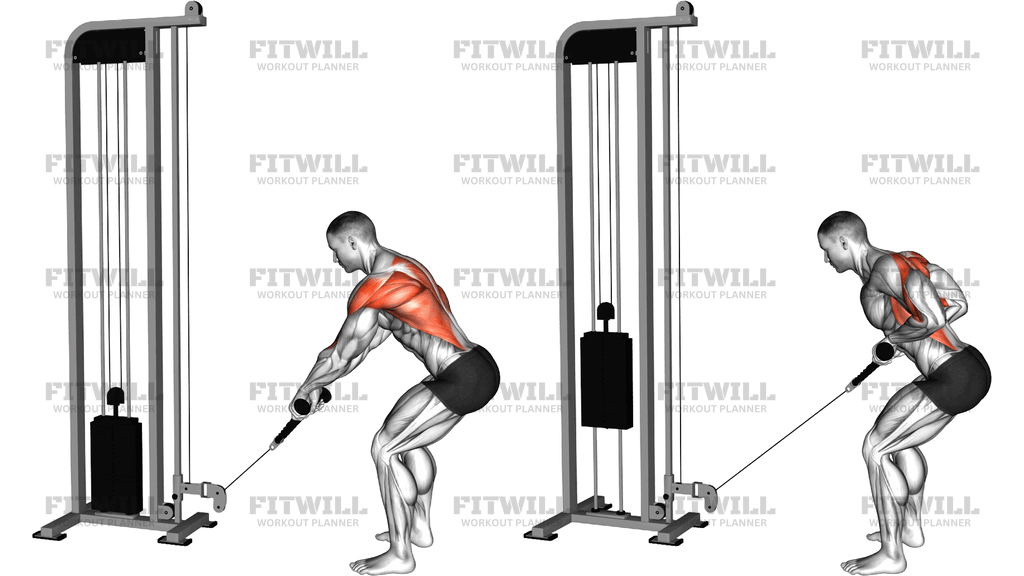
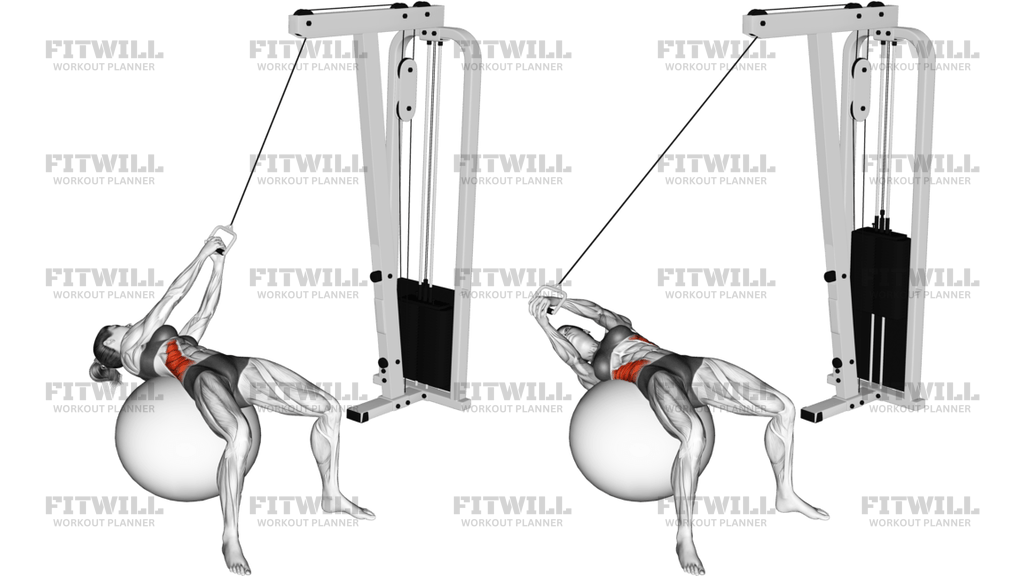
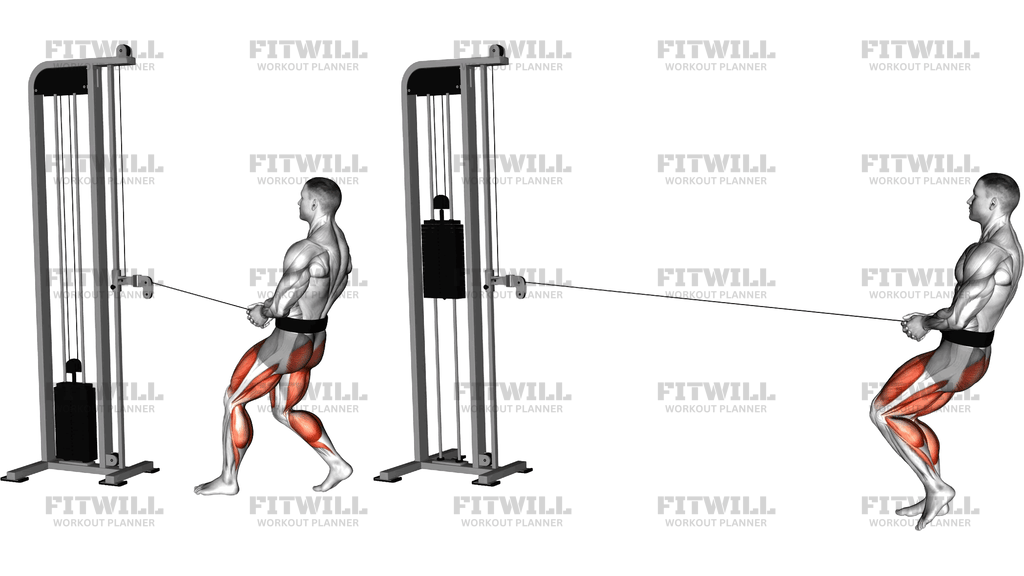
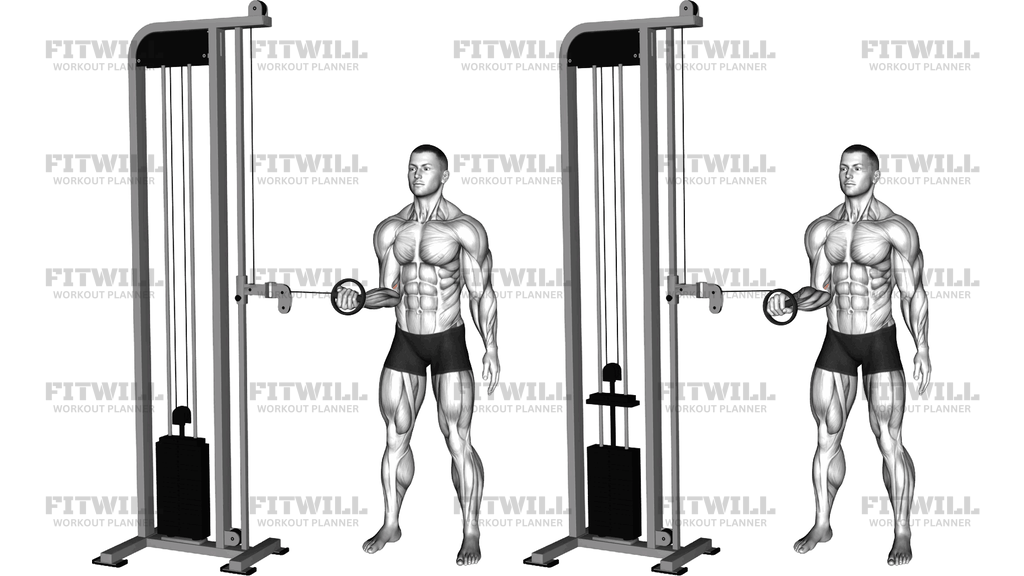
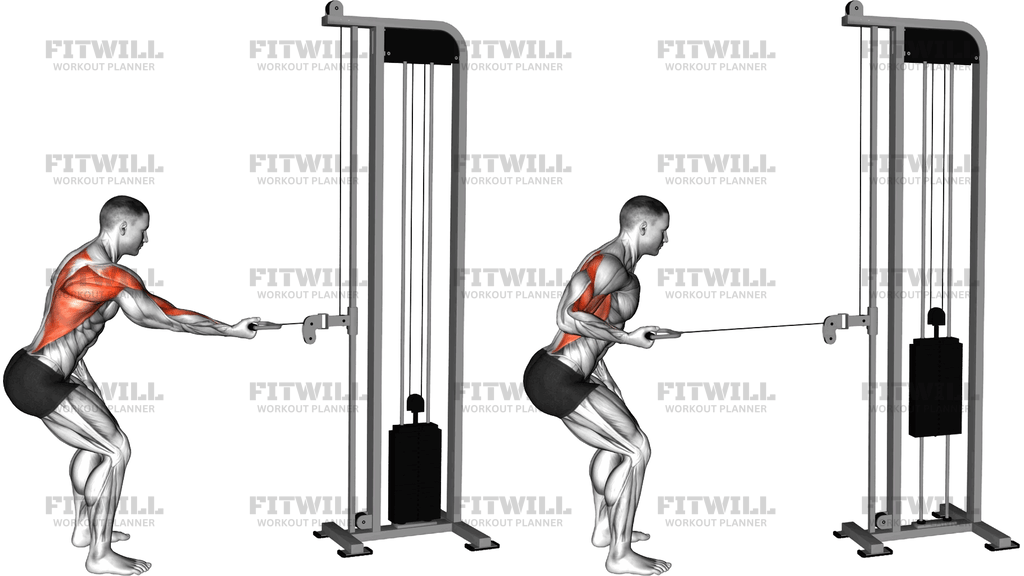
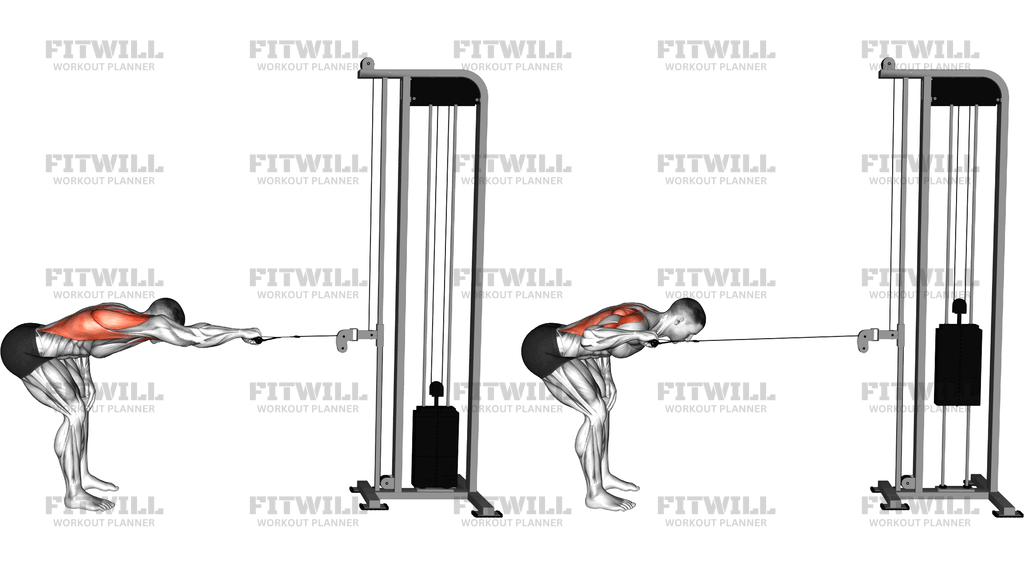
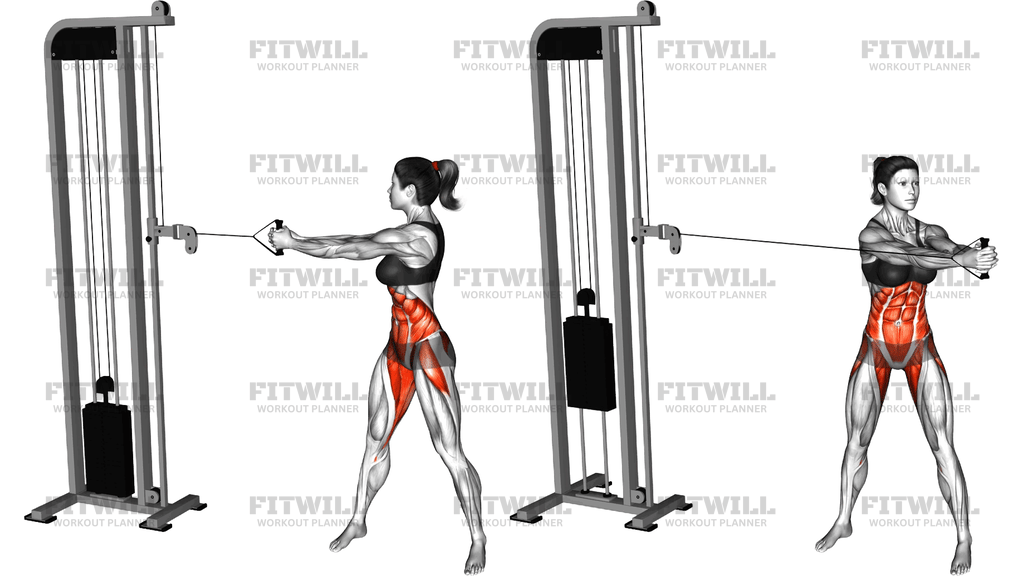
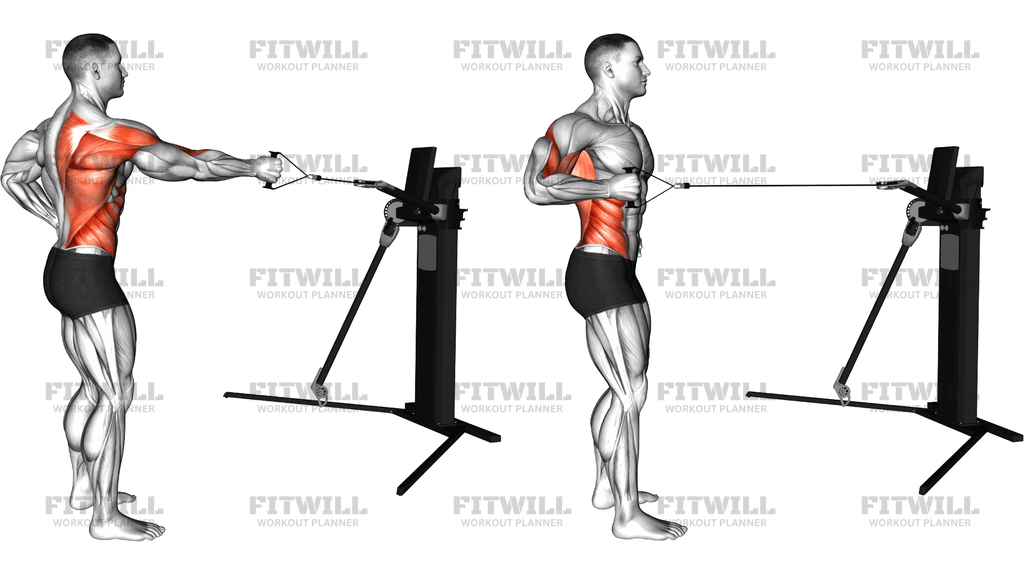
Cable Judo Flip is a cable-based trunk-flexion exercise performed from a standing position with a high pulley and handle attachment. The visible setup looks like a standing cable crunch pattern: you hold the handle high on the chest, keep your feet planted, and fold the ribcage toward the pelvis instead of swinging the whole body through the rep. That makes it useful for building abdominal strength, trunk control, and better awareness of how to brace and flex under tension.
Even though the cable keeps resistance smooth, the exercise still depends on clean body position. A stable stance, light knee bend, and a small hip hinge help you keep tension on the midsection instead of turning the movement into a squat, a shrug, or a yank. The shoulders should stay quiet while the spine rounds under control, with the abs initiating the crunch and the pelvis staying mostly fixed.
The bottom of the rep should feel like a strong contraction through the front of the torso, not a collapse in the low back. Lower the ribs toward the hips, hold the shortened position briefly, then return slowly until the trunk is tall again and the abs are lengthened. Breathing matters: exhale as you crunch down, then inhale as you control the cable back to the start.
This movement works well as accessory core training, as part of a trunk-focused circuit, or as a controlled finisher after your main lifts. It can also teach better bracing for athletes who need to resist spinal extension and manage force through the torso. Load it conservatively so the handle stays close to the upper chest and the path stays smooth from the first rep to the last.
If the label in this record was intended to describe a different exercise, the image still shows a standing high-cable crunch setup, so the coaching content should follow the visible movement pattern. That pattern is best trained with precision, not momentum, because the goal is to make the abs do the work while the cable simply adds constant tension through the range.
[ Workout Log & Planner ]
Put your next workout in Fitwill
Keep your plan and training log ready when you are.


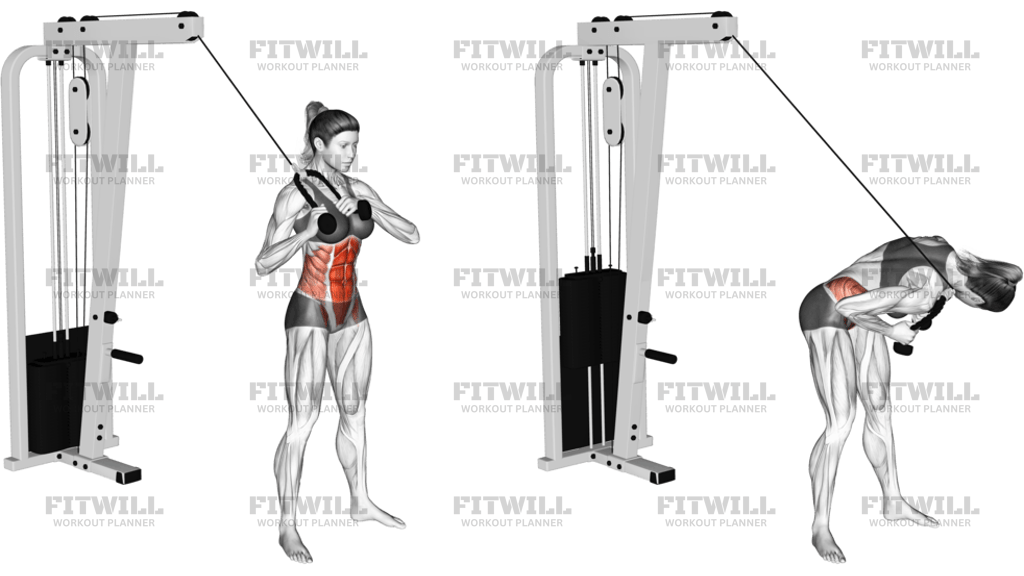
Instructions
- Set the cable pulley high and attach the handle so the line of pull comes down toward your upper chest or collarbone.
- Stand facing away from the stack with feet about hip-width apart, one foot slightly ahead of the other if that helps you feel balanced.
- Bring the handle to the top of your chest, keep your elbows close, and soften your knees without turning the movement into a squat.
- Take a breath, brace your midsection, and start each rep by pulling the ribs down rather than driving the hips back.
- Crunch your torso forward by rounding through the upper abs and bringing the sternum toward the pelvis.
- Keep the shoulders quiet and let the cable guide a smooth arc as you fold at the trunk instead of yanking with the arms.
- Squeeze hard in the shortened position for a brief pause, then exhale fully at the bottom of the rep.
- Return slowly until your torso is tall again and the abdominals are lengthened, then reset before the next rep.
Tips & Tricks
- Keep the handle anchored high on the chest; if it drifts away from the body, the arms and shoulders start stealing the rep.
- Think about bringing the lower ribs toward the pelvis instead of just bending at the hips.
- A small knee bend is enough; too much knee flexion turns the drill into a partial squat and reduces abdominal tension.
- Do not let the cable pull your head or shoulders forward before the abs start working.
- Use a lighter stack than you would for an arm movement, because the goal is trunk control, not heavy pulley momentum.
- Keep the descent smooth and slow so the abs stay loaded through the whole return phase.
- If you feel it mainly in the low back, shorten the range and reduce how far you fold.
- Stop each set when the torso starts jerking or the handle bounces off the chest.
Frequently Asked Questions
What does Cable Judo Flip look like in practice?
The visible setup is a standing high-cable crunch: you hold the handle at the upper chest and fold the torso forward under control.
Can beginners perform this exercise?
Yes. Beginners usually do best with a light stack and a short, controlled range so they can learn how to crunch without swinging.
Where should the handle stay during the rep?
Keep it pinned near the upper chest or collarbone so the cable stays connected to the trunk instead of turning into a straight arm pull.
What should move first, the hips or the ribs?
The ribs should move first. The hips stay mostly in place while the spine flexes and the abs create the crunch.
What muscles are working hardest here?
The rectus abdominis and the rest of the anterior trunk do most of the work, with the obliques and deep core helping control the fold.
Why does my lower back feel this exercise?
That usually means you are hinging too much or loading the stack too heavily. Shorten the range and focus on rounding the upper torso more cleanly.
Is this the same as a cable woodchop?
No. A woodchop is a rotation pattern, while this movement is a straight trunk-flexion crunch with very little twisting.
How should I progress it?
Add small amounts of load only after you can keep the handle fixed, the neck relaxed, and the return phase slow and controlled.