Lever Shrug Plate Loaded
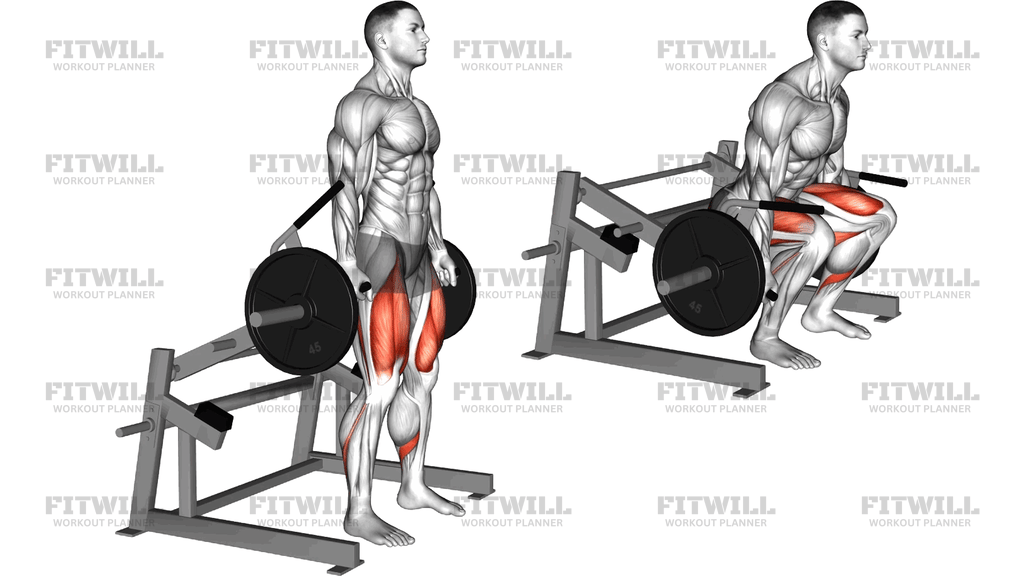
Lever Shrug Plate Loaded is a machine-based shrug built to overload the upper traps without requiring the timing or balance of free weights. The standing position and fixed lever arms make it easier to repeat the same path rep after rep, which is useful when you want to train trap size, upper-back tension, or simple vertical shoulder elevation with very little torso movement.
The main job in this lift is to raise the shoulders straight up and lower them back down under control. The trapezius does most of the work, while the upper back helps keep the shoulder girdle organized and the arms steady on the handles. Because the lever arms are loaded with plates, the resistance is usually smooth and direct, so small changes in posture or range show up quickly in the feel of the set.
Set the machine so you can stand tall with your hands on the handles at your sides, feet planted evenly, and your arms long but not locked hard. The chest should stay stacked over the pelvis, the neck should stay long, and the shoulders should begin each rep in a relaxed position rather than already bunched up toward the ears. That setup matters because a shrug is easy to turn into a half-rep bounce if you start stiff, lean back, or let the elbows bend.
Each repetition should be a clean upward drive of the shoulders, followed by a controlled return to the bottom. Think about lifting the shoulder blades and traps straight toward the ceiling, then lowering them until the weight settles without letting the body sway or the wrists curl. You should feel the work around the top of the shoulders and the base of the neck, not in the lower back or through a jerky arm pull.
This exercise fits well as an accessory movement after heavier pulling work, or as a focused trap exercise when you want direct tension without much technical fatigue. It is simple enough for beginners to learn, but only if the range stays short, the neck stays relaxed, and the load stays honest. Use it to build stable, repeatable trap work, not to chase momentum or turn the machine into a whole-body heave.
Fitwill
Log Workouts, Track Progress & Build Strength.
Achieve more with Fitwill: explore over 9600 exercises with images and videos, access built-in and custom workouts, perfect for both gym and home sessions, and see real results.
Start your journey. Download today!




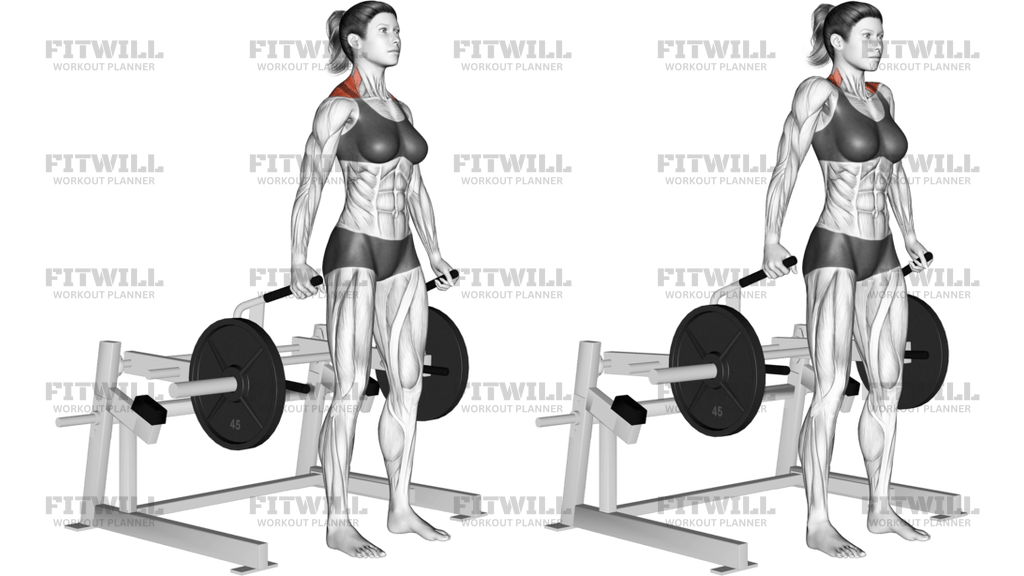
Instructions
- Stand centered on the lever shrug machine with your feet about hip-width apart and place your hands on the side handles with your arms hanging long.
- Plant your feet flat, keep your knees soft, and let the plates settle so both sides feel balanced before you start.
- Lift your chest slightly, stack your head over your ribs, and keep your neck long with your shoulders relaxed at the bottom.
- Brace your midsection and keep your elbows straight but not jammed as you prepare to shrug.
- Drive both shoulders straight up toward your ears without leaning back or bending your arms.
- Squeeze the traps hard at the top for a brief pause while keeping the handles close to your sides.
- Lower your shoulders slowly until they return to the relaxed starting position and the lever arms descend under control.
- Reset your posture and repeat for the planned reps, exhaling on the shrug and inhaling as you lower.
Tips & Tricks
- Think about moving the shoulders straight up and straight down; if you start rolling them, the traps usually lose tension and the neck takes over.
- Keep your chin level instead of jutting it forward, because a forward head posture makes the top of the shrug feel cramped and sloppy.
- Use a range that finishes with the shoulders high but does not force the elbows to bend or the torso to bounce.
- If the machine swings, slow the lowering phase and pause longer at the bottom before starting the next rep.
- Choose plates that let you hold the top position for a clear squeeze instead of needing a dip-and-drive to finish the rep.
- Keep your hands relaxed on the handles; death-gripping the bars often makes the forearms steal attention from the traps.
- Do not shrug one side higher than the other unless the machine setup is uneven; both shoulders should rise together.
- If your neck gets tight before your traps do, lower the load and shorten the set rather than chasing extra reps.
Frequently Asked Questions
What muscle does Lever Shrug Plate Loaded target most?
The upper traps are the main target, with the upper back and forearms helping you stabilize the handles.
How is Lever Shrug Plate Loaded different from a dumbbell shrug?
The lever arms guide the path and keep the resistance consistent, so it is easier to repeat strict upward shoulder motion without balancing two separate weights.
Should I roll my shoulders during Lever Shrug Plate Loaded?
No. The rep should be a vertical shrug only. Rolling the shoulders turns it into a different pattern and usually reduces tension on the traps.
How high should I shrug on this machine?
Lift until the shoulders are clearly elevated and the top traps are fully shortened, but stop before you have to lean back, bend your elbows, or jam your neck forward.
Can beginners use the Lever Shrug Plate Loaded machine?
Yes. It is beginner-friendly if the load is light enough to keep the movement strict and the neck relaxed.
Where should I feel Lever Shrug Plate Loaded?
You should feel the work across the top of the shoulders and the base of the neck, not as a lower-back or arm exercise.
What is the most common mistake on this machine?
The biggest error is turning the shrug into a bounce by leaning back, bending the elbows, or dropping too fast on the way down.
What grip should I use on the handles?
Use a neutral, relaxed grip that lets the arms stay long. The hands should support the machine, not start a pulling motion.