Smith Toe Raise
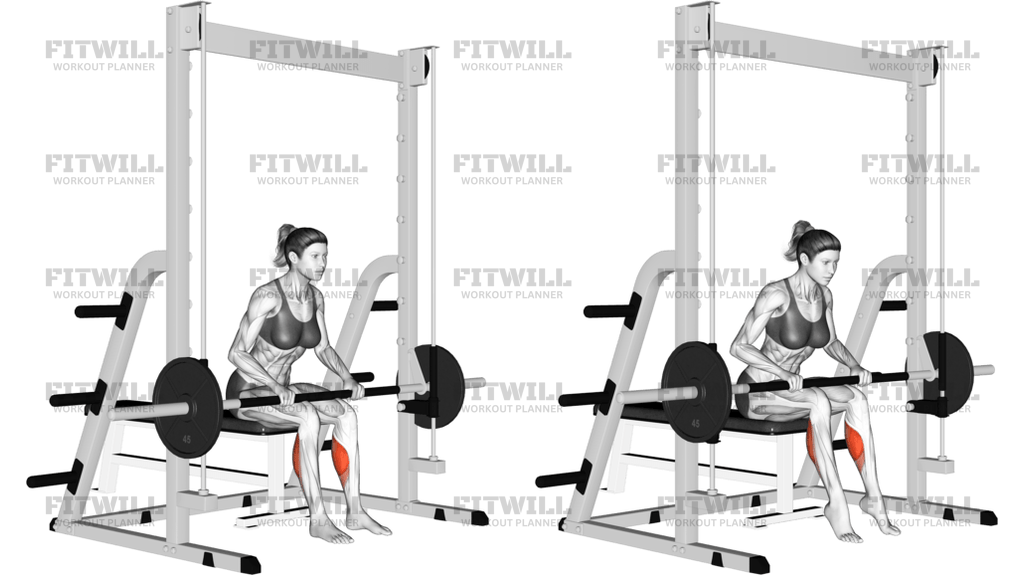
Smith Toe Raise is a seated lower-leg isolation exercise built around ankle dorsiflexion: you keep your heels anchored while lifting the toes and forefoot toward the shins against the fixed Smith Machine bar. It is useful for training the tibialis anterior, improving control in the front of the ankle, and balancing lower-leg work that often overemphasizes plantar flexion.
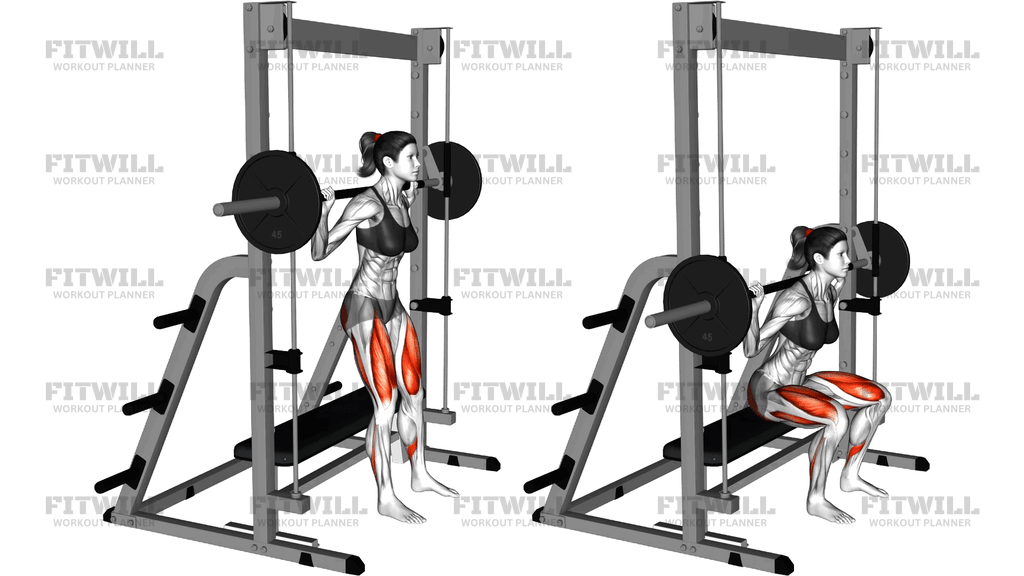
The setup matters more here than on many bigger lifts because the bar has to stay settled across the thighs while the feet stay planted and the motion stays small. Sit far enough under the bar that it rests just above the knees on the upper thighs, keep the torso tall, and position the feet so the heels can stay heavy on the floor as the toes travel upward.
A good rep starts with a calm brace, then the toes lift toward the shin without rocking the hips, bouncing the knees, or letting the bar slide. At the top, pause long enough to feel the front of the lower leg work, then lower under control until the forefoot is back on the floor and the stretch at the ankle is mild rather than forced.
This exercise is often used as accessory work after squats, runs, jumps, or calf training because it targets the smaller muscles that help with foot clearance, ankle balance, and lower-leg resilience. Keep the load light enough to repeat cleanly, and stop the set if the bar starts shifting, the knees begin to drive, or the front of the ankle feels pinched.
[ Workout Log & Planner ]
Put your next workout in Fitwill
Keep your plan and training log ready when you are.


Instructions
- Sit on a bench inside the Smith Machine so the bar sits across your upper thighs just above the knees, and plant both feet flat with the toes pointing forward.
- Hold the bar lightly for balance and place a pad or folded towel on the thighs if the bar pressure feels uncomfortable.
- Keep your heels heavy on the floor, your chest tall, and your torso stacked over your hips before the first rep.
- Brace your midsection, then pull your toes and forefoot upward toward your shins while the heels stay down.
- Lift only through the ankles; keep the knees quiet and avoid rocking the torso or sliding the bar.
- Pause briefly at the top when the front of the lower leg is fully contracted.
- Lower the toes slowly until the forefoot returns to the floor and the stretch feels controlled, not forced.
- Breathe out as you lift and inhale as you lower, keeping the tempo smooth for each rep.
- Reset the set if the bar shifts, the feet lose contact, or you can no longer keep the motion strict.
Tips & Tricks
- Use a lighter load than you would for calf raises; the target muscles are smaller and fatigue quickly.
- If the bar digs into your thighs, pad it before loading up so discomfort does not shorten the set.
- Keep the heels glued to the floor; the exercise stops being a toe raise once the heels start coming up.
- Think 'toes up, knees still' so the movement stays in the ankle instead of turning into a seated leg rock.
- A 2-3 second lowering phase builds more control and reduces bouncing off the bottom.
- Stop just short of the point where your toes curl or your ankles pinch; the rep should come from dorsiflexion, not gripping the floor.
- If the feet drift too far forward, the bar can roll on the thighs; adjust the bench until you can lift the toes without losing contact.
- Use the exercise for high-quality accessory volume, not max loading, because the shin muscles respond better to clean tension than brute force.
- Keep the toes pointing mostly forward; turning them out often shifts tension away from the front of the ankle.
Frequently Asked Questions
What muscles does Smith Toe Raise work?
It mainly targets the tibialis anterior and the other muscles that lift the foot toward the shin. The calves help stabilize the lower leg, but they are not the main driver.
Is Smith Toe Raise the same as a calf raise?
No. In a toe raise, the heels stay planted while the toes lift up; in a calf raise, the heels rise and the ankle points down.
How should the Smith bar sit on my legs?
Place it across the upper thighs just above the knees so it stays stable without pinching the kneecaps. A thin pad or towel can make the setup much more comfortable.
Should my heels move during the repetition?
No, the heels should stay on the floor the whole time. If they start lifting, the load is too heavy or the feet are too far back.
How high should I lift my toes?
Lift them as high as you can while keeping the knees still and the bar steady. The top position should feel like a strong shin contraction, not a hard ankle jam.
Why do I feel this in my shins so quickly?
That is the point of the exercise, and the front of the lower leg often fatigues fast. If the burn turns into cramping, reduce the load and shorten the range slightly.
Can beginners do this exercise?
Yes, it is beginner-friendly when the load is light and the movement is strict. Start with a small range and learn to keep the heels down before adding resistance.
What is the most common mistake?
Letting the torso rock or bouncing the knees to fake more range. The rep should come from the ankles moving, not from shifting your whole body on the bench.