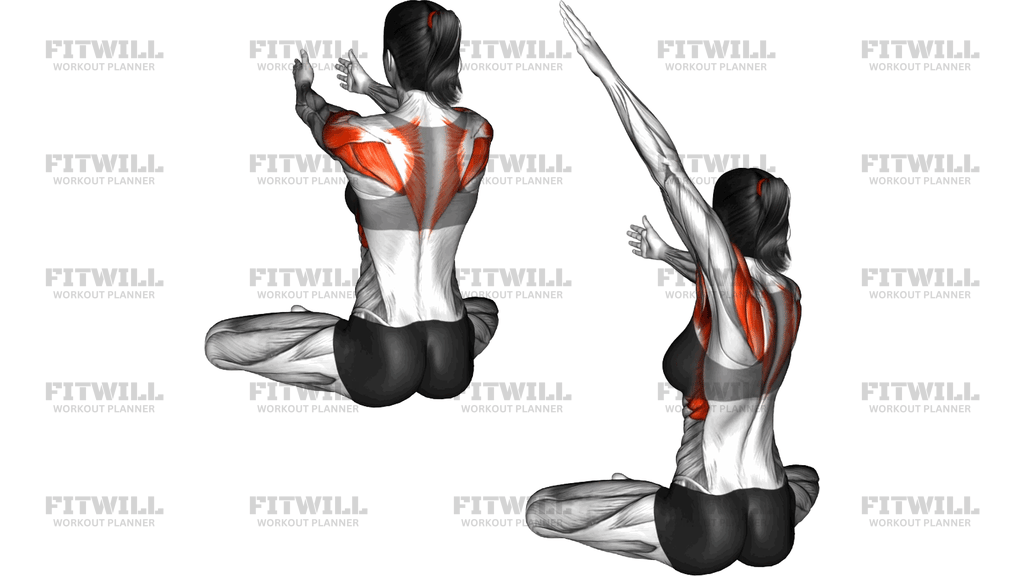
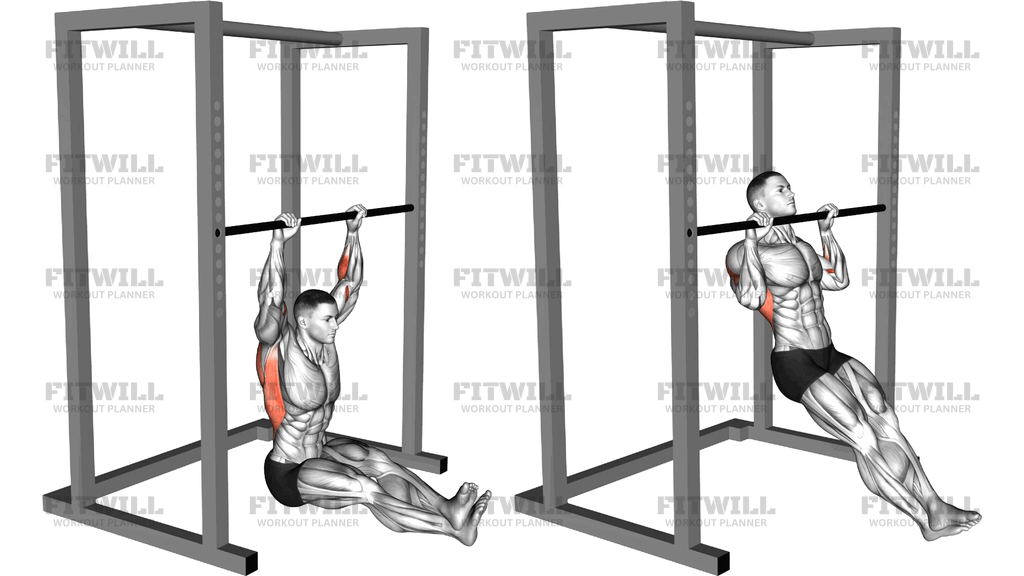
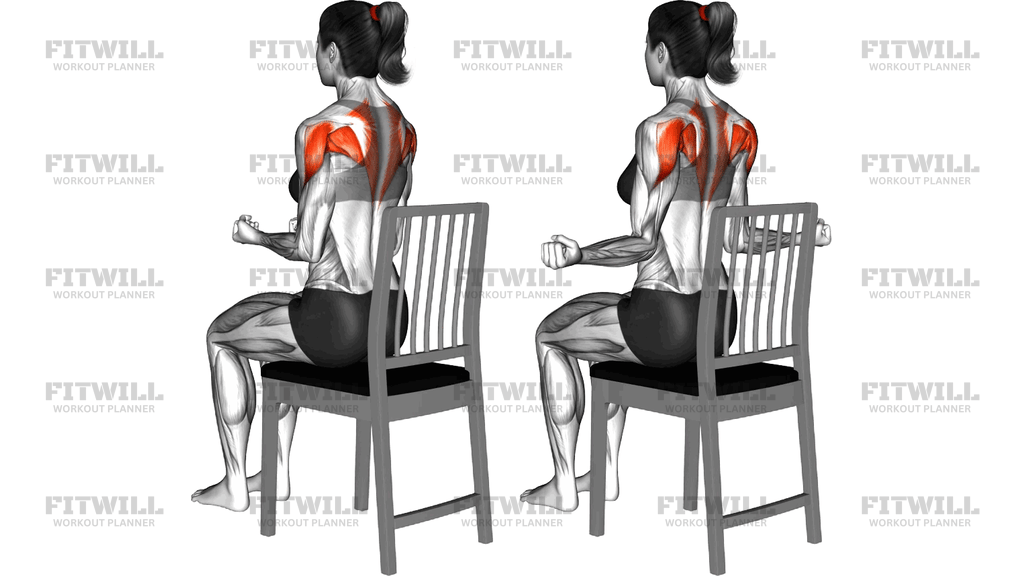
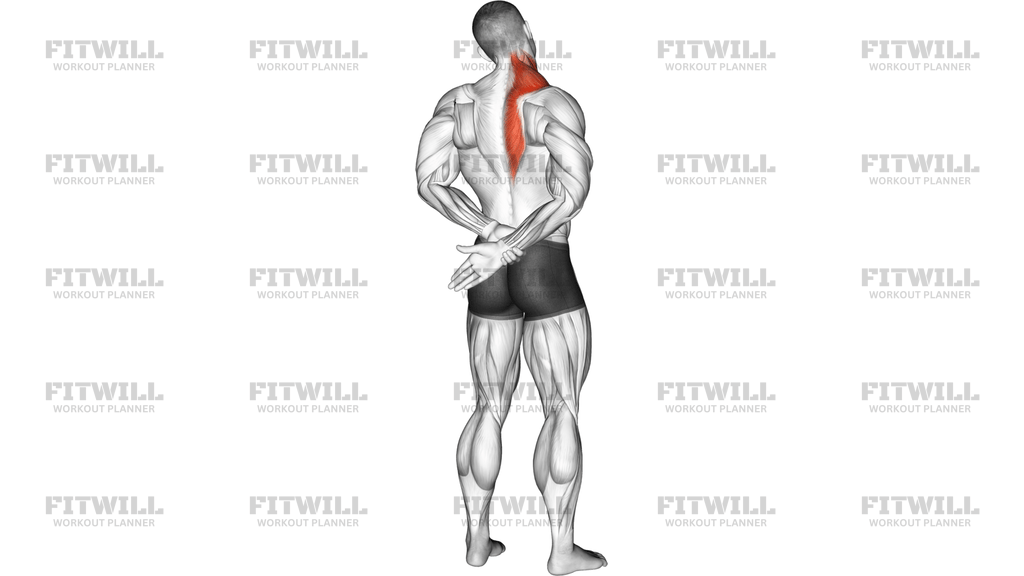
Bodyweight Standing Close-Grip One-Arm Row
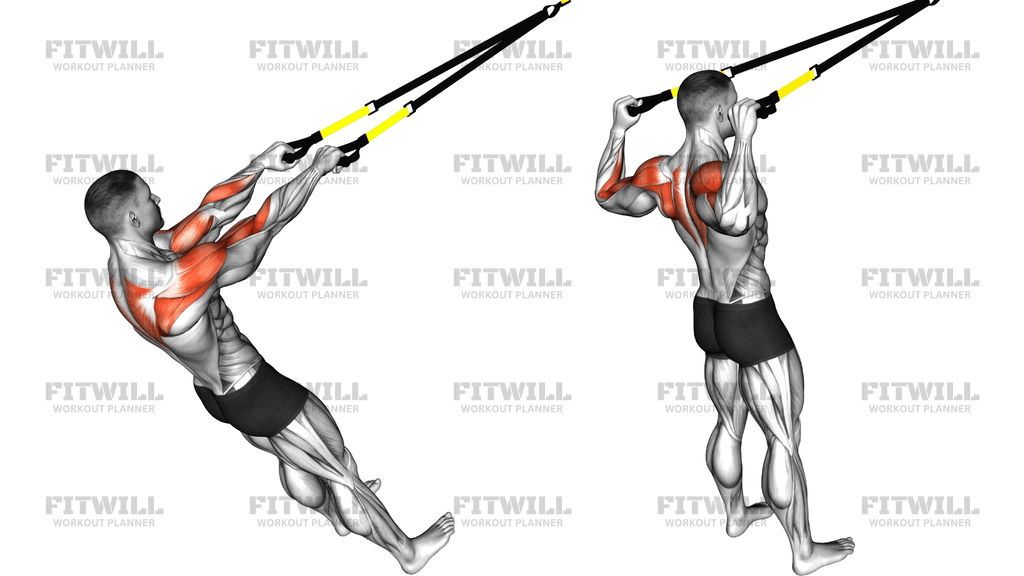
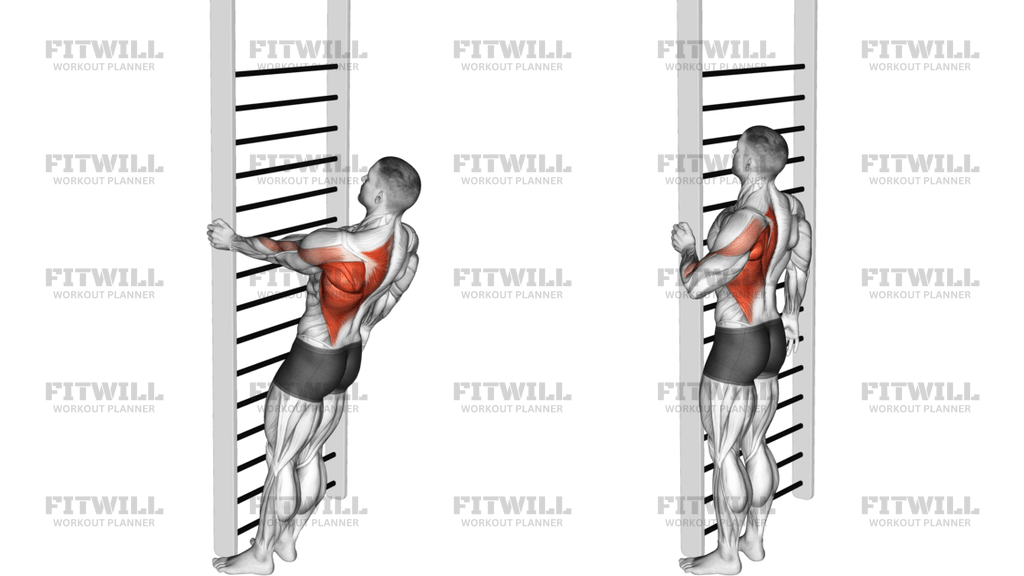
Bodyweight Standing Close-Grip One-Arm Row is a standing horizontal pulling exercise done with one hand on a fixed bar or wall bar while the body leans back into a straight line. It trains the upper back, lats, traps, rear shoulders, and biceps while also asking the trunk to resist twisting. That makes it useful when you want a simple bodyweight pulling drill that still rewards strong scapular control and a clean finish on each side.
The close-grip setup changes the feel of the row. Because the hand stays near the body and the elbow tracks close to the ribs, the pull is focused and easy to feel through the upper back rather than becoming a wide, swinging motion. The working side should stay square and organized, with the shoulder set down before the pull starts and the chest staying lifted instead of collapsing toward the floor.
Setup matters a lot on Bodyweight Standing Close-Grip One-Arm Row because the body angle controls the difficulty. Step your feet far enough forward that the arm can fully straighten without your shoulder hiking up or your lower back arching to help. A good rep starts from a long reach, then the torso stays rigid as the elbow drives back toward the lower ribs or waist. If your hips rotate or the free shoulder spins forward, the load is too aggressive or the stance is too narrow.
On each repetition, pull smoothly, pause briefly at the top, and lower under control until the working arm is long again. The goal is not to yank your chest to the bar, but to keep tension on the back as you move through a consistent path. That controlled return matters just as much as the pull because it teaches the shoulder blade to move cleanly under load and keeps momentum from taking over the set.
Bodyweight Standing Close-Grip One-Arm Row fits well in back sessions, unilateral accessory work, or any program that needs more horizontal pulling without a machine or dumbbells. It is also a practical regression or bridge exercise for people learning to row with better shoulder position and less body English. Keep the neck relaxed, the ribs stacked, and the feet planted so the repetition stays smooth, repeatable, and safe on both sides.
[ Workout Log & Planner ]
Put your next workout in Fitwill
Keep your plan and training log ready when you are.


Instructions
- Stand facing a sturdy wall bar or fixed horizontal rung and grip it with one hand at about chest height using an overhand close grip.
- Walk your feet forward until your arm is straight and your body forms a long line from head to heels with a slight backward lean.
- Square your hips and shoulders to the bars, keep your free arm relaxed by your side, and let the working shoulder settle down away from your ear.
- Brace your midsection so your ribs do not flare as you begin the row.
- Pull your elbow back close to your side and drive your chest toward the hand without twisting your torso.
- Finish when your hand reaches the lower-rib or upper-waist line and squeeze the shoulder blade back for a brief pause.
- Lower yourself slowly until the working arm is fully straight again and the shoulder stays packed instead of shrugging up.
- Reset your body position, switch sides after the planned reps, and step closer to the bars to end the set safely.
Tips & Tricks
- Move your feet forward to make the row harder; stepping back a little is the easiest way to reduce the lever.
- Keep the elbow tucked close to your side so the pull stays near the ribs instead of turning into a flare-out rear-delt row.
- If your shoulder creeps toward your ear at the top, shorten the range slightly and keep the neck long.
- Press through both feet evenly so the torso stays square and the free side does not rotate forward.
- A brief pause with the hand near the lower ribs usually gives a better back contraction than trying to yank higher.
- Lower with a slow, deliberate return so the shoulder blade reaches a long position without the chest dumping away from the bar.
- Keep the wrist straight on the rung; bending it back usually makes the arm do extra work and reduces pulling force.
- If your lower back starts arching, bring the feet closer to the bars and keep the ribs stacked over the pelvis.
Frequently Asked Questions
What muscle does Bodyweight Standing Close-Grip One-Arm Row target most?
It emphasizes the upper back and traps, with strong help from the lats, rhomboids, rear shoulders, and biceps.
Can beginners do Bodyweight Standing Close-Grip One-Arm Row?
Yes. Start with your feet closer to the wall bars so the body angle is less demanding, then build range and leverage as control improves.
Where should my hand be on the bars for Bodyweight Standing Close-Grip One-Arm Row?
A chest-height rung usually works best. The grip should let you start with a long arm and finish by pulling the hand toward the lower ribs or upper waist.
What is the most common mistake in this row?
People usually twist the torso or shrug the working shoulder. Keep the hips square and let the elbow travel back without turning the pull into a whole-body swing.
What should I feel at the top of Bodyweight Standing Close-Grip One-Arm Row?
You should feel the shoulder blade and upper back do the work, not the neck. The finish should feel like a controlled squeeze, not a yank.
How do I make Bodyweight Standing Close-Grip One-Arm Row harder?
Walk your feet farther forward so more bodyweight has to be controlled, then add a slower lowering phase or a longer pause at the top.
What if my shoulder feels pinched during this exercise?
Shorten the range, keep the shoulder down, and stand a little closer to the bars. If the pinch stays, swap to a supported row variation.
Can I use Bodyweight Standing Close-Grip One-Arm Row as a substitute for cable rows?
Yes, it can fill that horizontal-pull slot when you do not have cables. It is especially useful for unilateral back work and scapular control.