Bodyweight Squatting Row
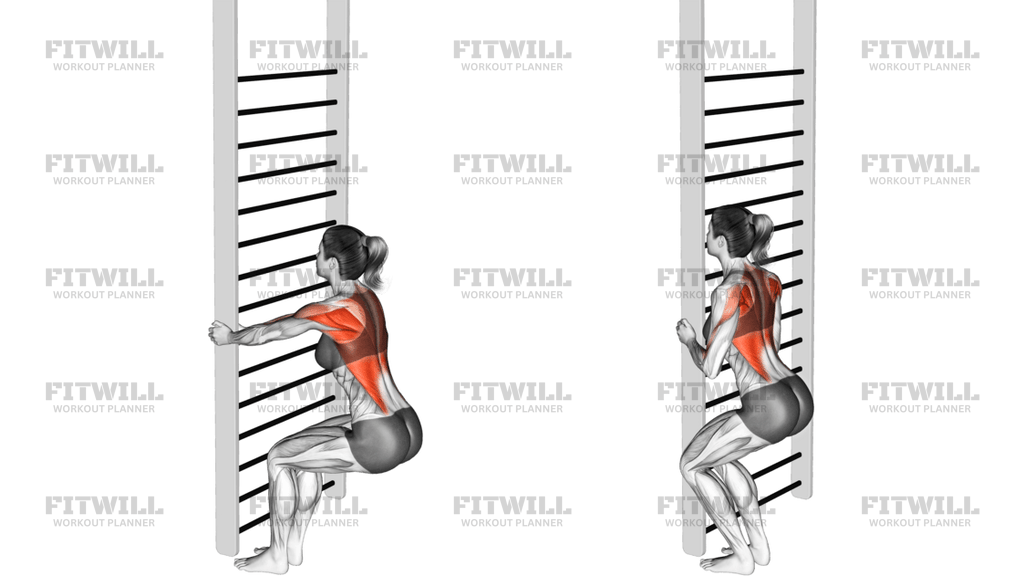
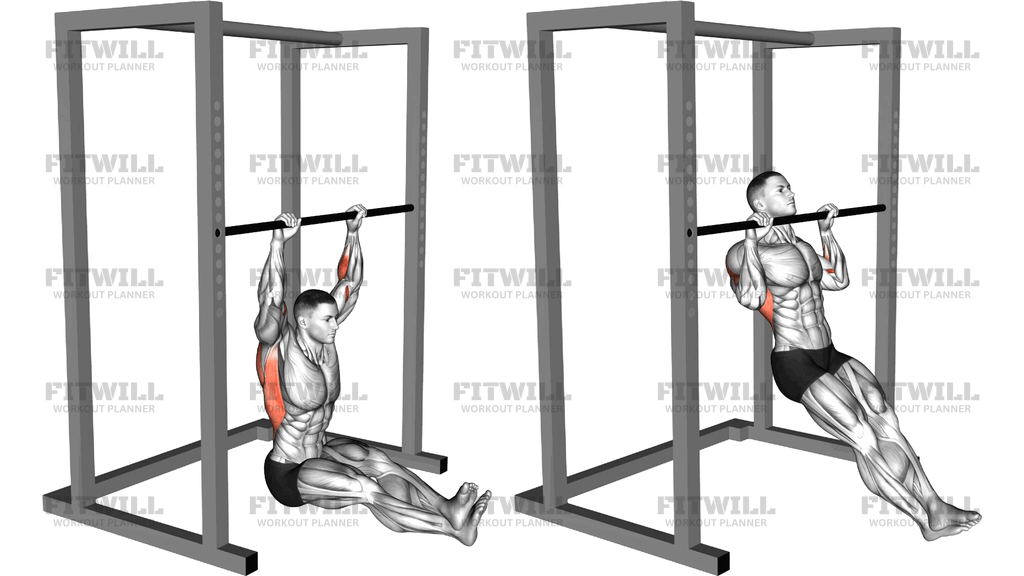
Bodyweight Squatting Row is a supported upper-back drill done against wall bars or another fixed rail. You begin in a squat with both hands anchored in front of you, then row your chest toward the bars by bending the elbows and squeezing the shoulder blades together. The result is a hybrid pattern that trains pulling strength while the legs and trunk stay under constant tension.
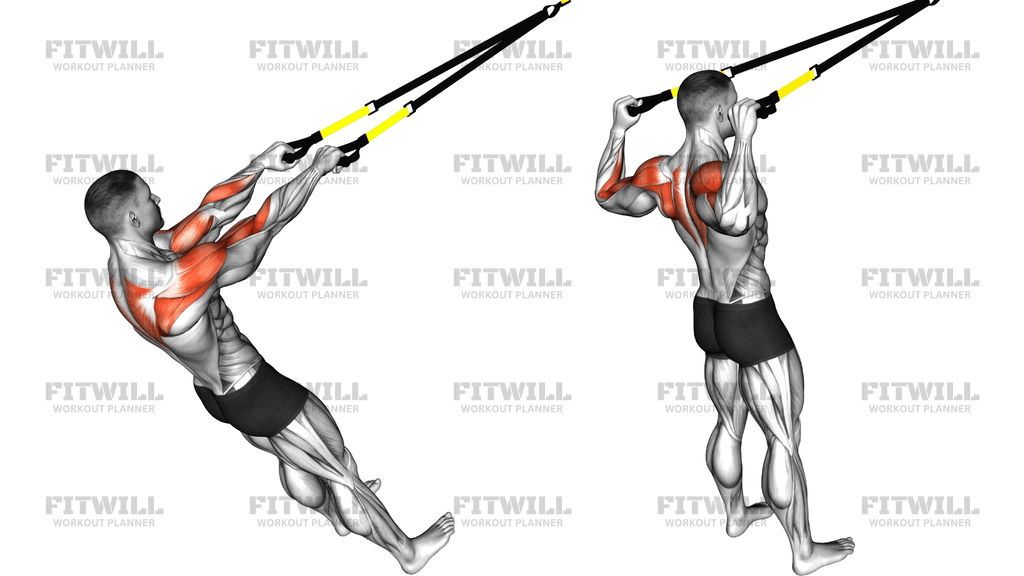
The main emphasis is the traps, with the rhomboids, lats, and biceps helping to finish the pull and hold the body in position. Because the squat never disappears, the glutes, quads, and core also have to keep you balanced and organized. That makes Bodyweight Squatting Row useful when you want an upper-back movement that still teaches posture, bracing, and control through the whole chain.
The setup matters more than forcing a bigger range. Place your hands on a fixed rung or rail around chest height, walk your feet forward until your arms are long, and then sit back into a stable squat with the heels down. Keep the ribs stacked over the pelvis, let the shoulder blades stay down away from the ears, and make sure the hands are not so low that the shoulders get jammed forward. If the position feels cramped, stand a little closer to the bars or choose a higher rung.
Each rep should feel like a clean pull against a stable anchor, not a swing or a curl. Row by driving the elbows back and bringing the chest closer to the bars, then pause briefly before returning to the long reach under control. The squat depth should stay as deep as you can hold without losing foot pressure, rounding the low back, or collapsing the knees inward. Breathe in to settle the squat, exhale as you row, and reset before the next rep.
Bodyweight Squatting Row fits well in warm-ups, accessory circuits, posture-focused sessions, or bodyweight strength work when you want a row that also asks for lower-body stability. It is especially useful for beginners who need a lighter entry into upper-back training and for experienced lifters who want a controlled pulling pattern without heavy loading. Keep the reps crisp, and stop the set once the shoulders start shrugging, the heels start lifting, or the squat can no longer stay steady.
[ Workout Log & Planner ]
Put your next workout in Fitwill
Keep your plan and training log ready when you are.


Instructions
- Stand facing the wall bars, grasp a stable rung or vertical rail with both hands at about chest height, and walk your feet forward until your arms are nearly straight.
- Set your feet about shoulder width apart, lower into a squat, and keep your heels flat with your knees tracking over your toes.
- Lean back only enough for the bars to support you, while keeping your ribs stacked over your pelvis and your neck long.
- Draw your shoulders down away from your ears and brace your midsection before the first pull.
- Pull your elbows back and squeeze your shoulder blades together until your chest moves closer to the bars.
- Pause briefly at the top while keeping the squat position steady and your head neutral.
- Straighten your arms slowly to return to the long reach without letting the upper back collapse.
- Repeat for the planned reps, then step your feet back toward the bars and stand up carefully to finish.
Tips & Tricks
- Set the hands high enough that you can row without shrugging the shoulders toward your ears.
- If your heels start lifting, shorten the squat instead of walking farther from the bars.
- Think about driving the elbows behind you, not curling the hands toward your shoulders.
- Keep pressure through the whole foot so the squat does not tip forward onto the toes.
- A slow return makes the upper back work harder than a fast drop back to the start.
- If your knees cave inward as you row, the stance is usually too narrow or the squat is too deep.
- Keep the chin level and the back of the neck long so the pull does not turn into a head thrust.
- Use a smaller step away from the bars if the front of the shoulders feels pinched at the start.
Frequently Asked Questions
What muscles does Bodyweight Squatting Row work most?
It mainly targets the traps and upper back, with the rhomboids, lats, and biceps helping to finish the pull.
Is Bodyweight Squatting Row more of a row or a squat?
It is a hybrid, but the row is the main action and the squat is the supported base that keeps the whole body under tension.
How far should I stand from the wall bars?
Stand far enough that your arms are long at the start and you can row without leaning into the bars or losing heel pressure.
Can beginners use Bodyweight Squatting Row?
Yes. It works well for beginners as long as the squat stays stable and the pull stays smooth.
Why do my shoulders shrug during the pull?
Usually the bars are too low or you are pulling with the hands instead of driving the elbows back. Start a little higher and keep the shoulders down.
Should I keep my heels on the floor?
Yes. Flat heels keep the squat stable and stop the movement from turning into a forward lean.
Can I use a suspension trainer instead of wall bars?
Yes, as long as the anchor is fixed and does not swing when you row.
What if I feel Bodyweight Squatting Row mostly in my arms?
Shorten the range a little and focus on squeezing the shoulder blades together before the elbows bend too much.