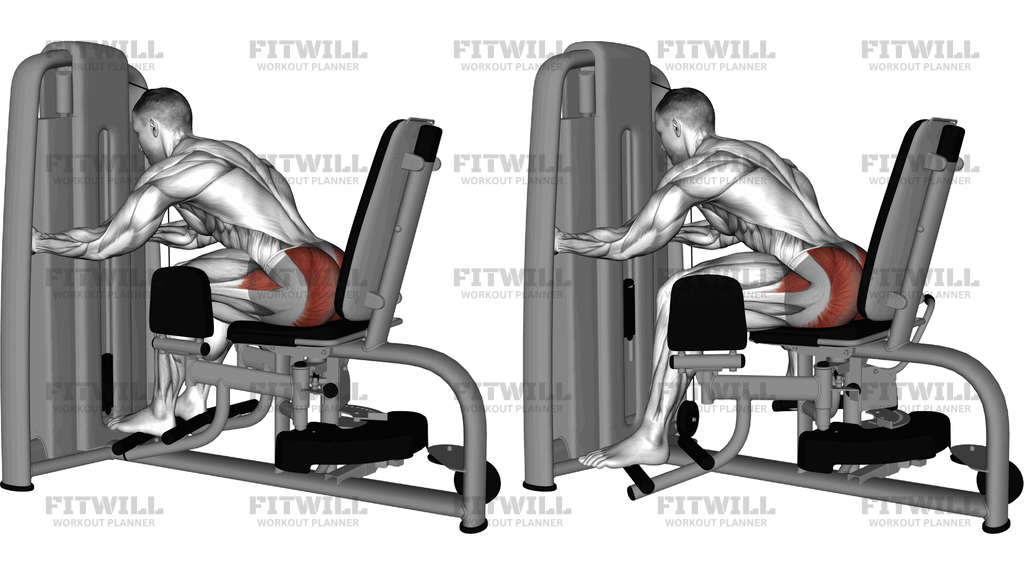
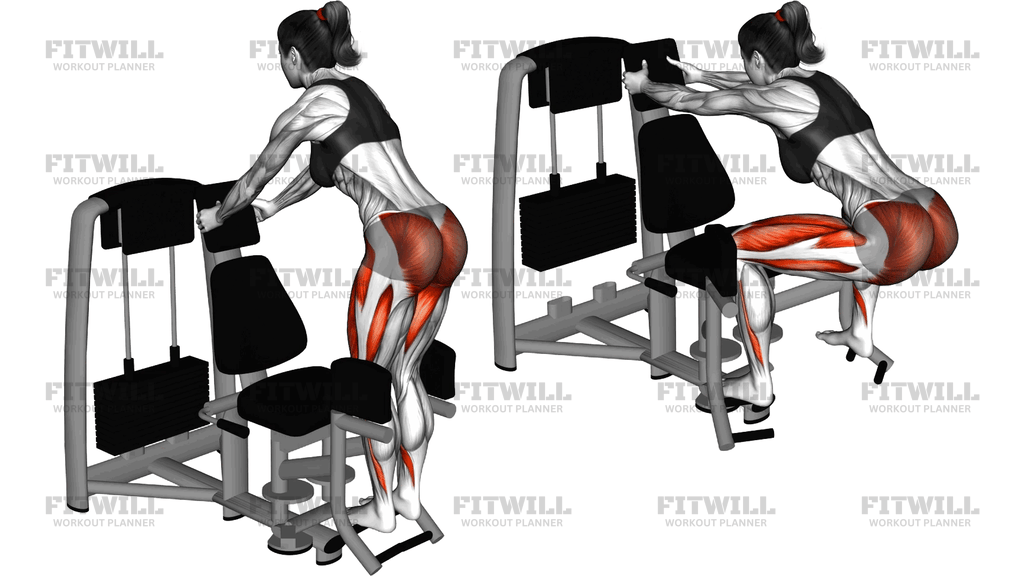
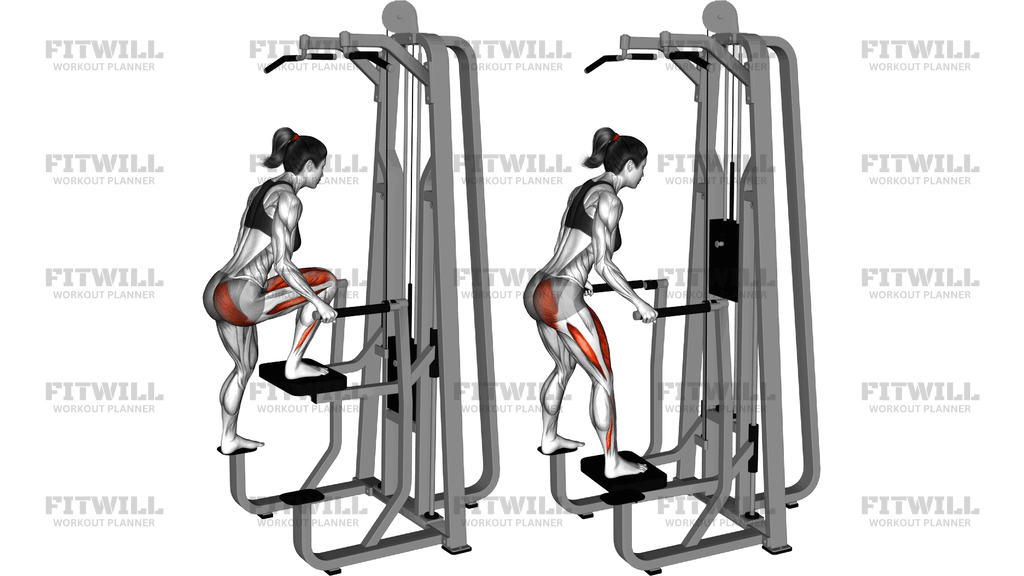
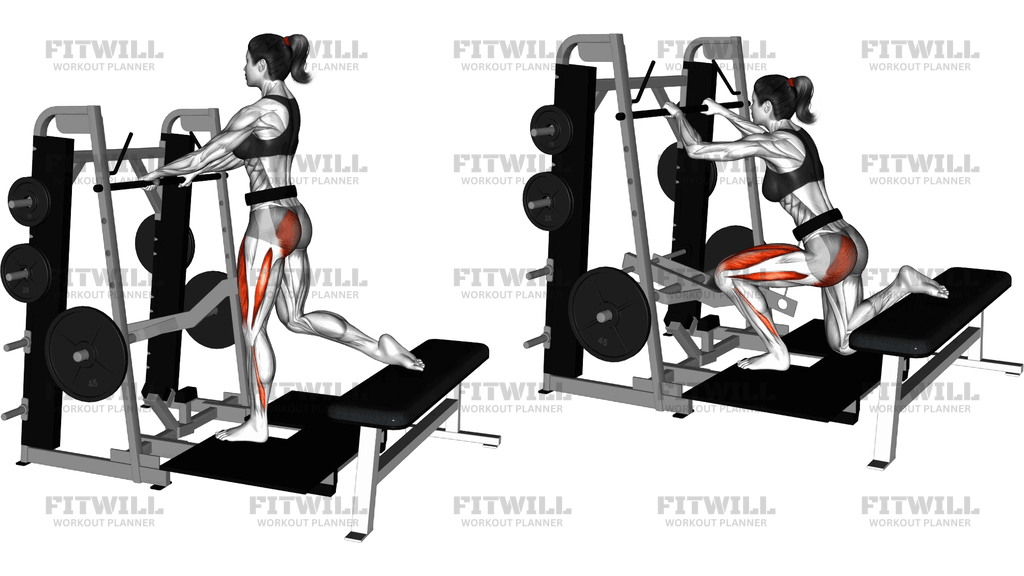
Lever Reverse Hyperextension Plate Loaded
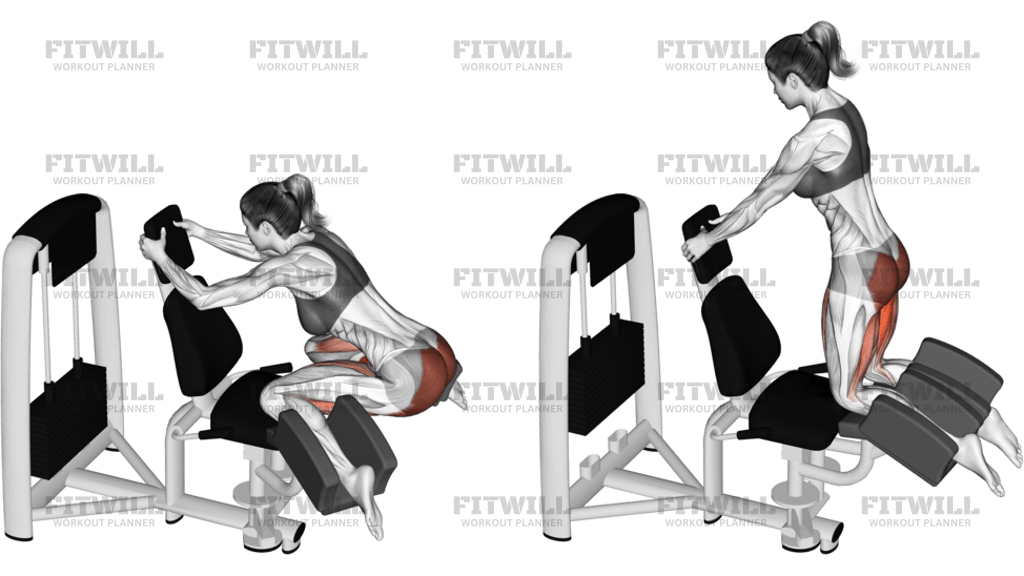
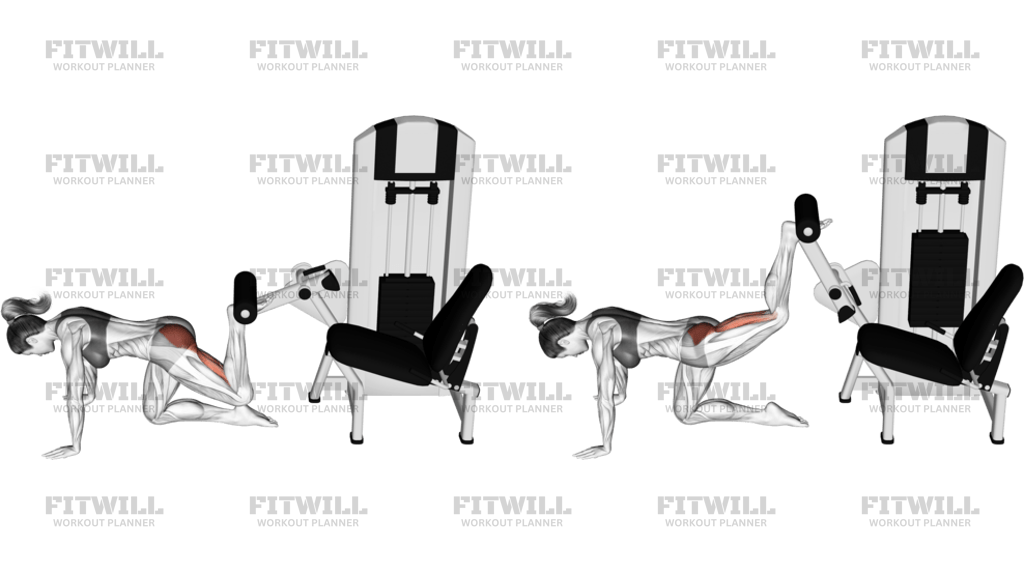
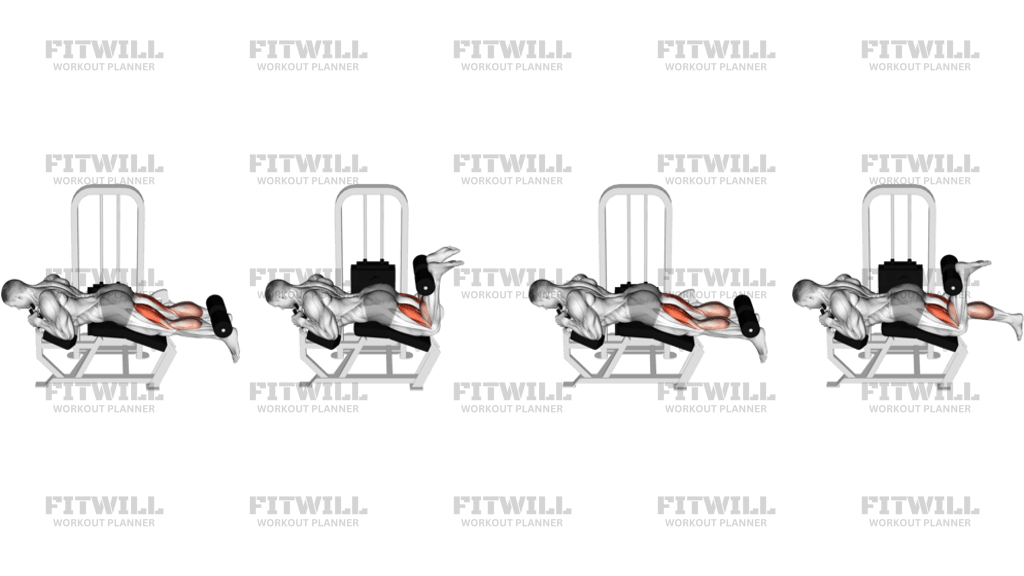
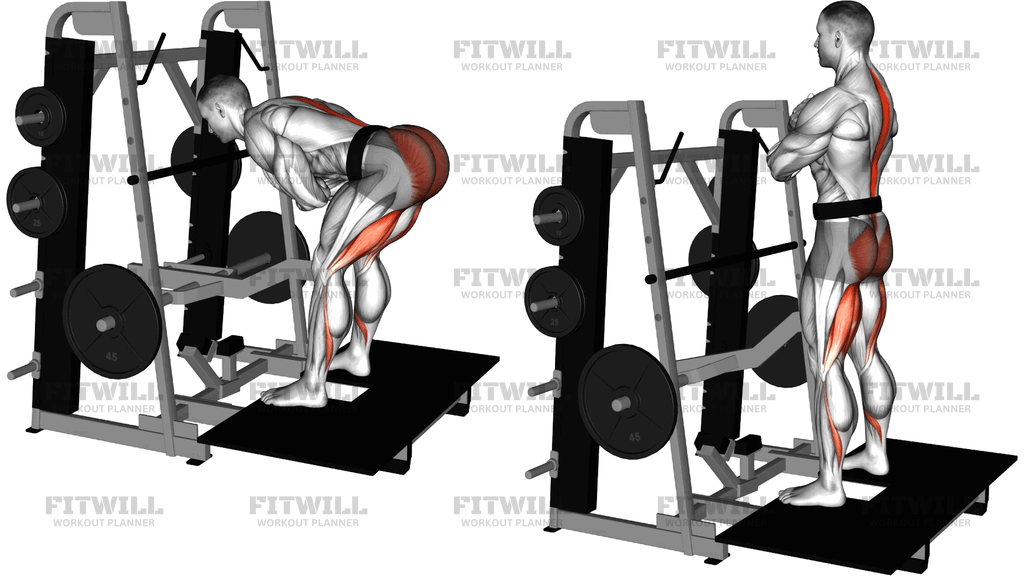
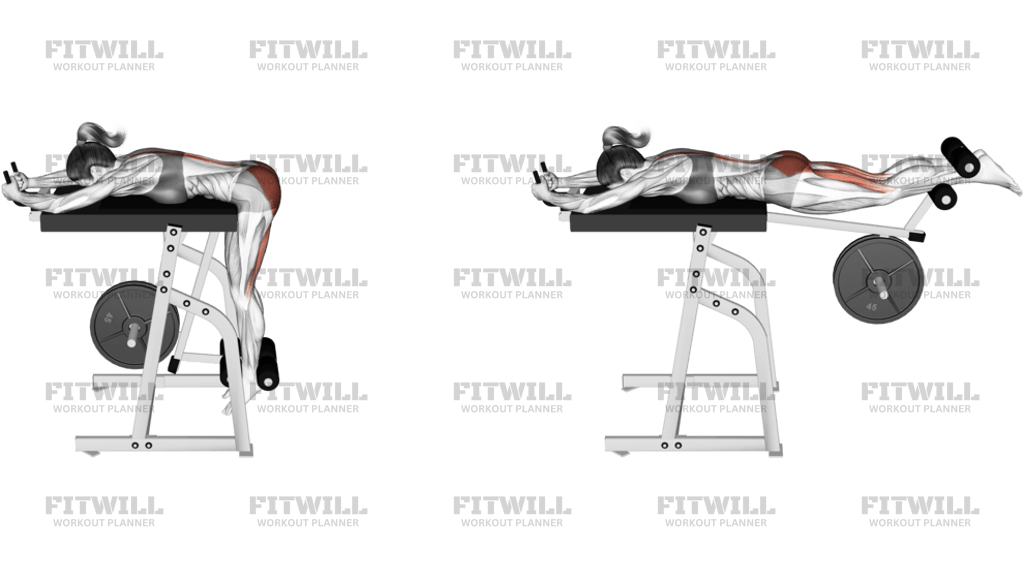
Lever Reverse Hyperextension (plate Loaded) is a machine-based hip extension exercise that loads the glutes through a long, controlled arc. On this lever machine, the pelvis stays anchored while the legs travel through space, so the movement trains the posterior chain without asking you to balance a free weight or brace against a barbell. The result is a very direct glute exercise with hamstrings and spinal erectors contributing as stabilizers.
The setup matters because the machine only works well when your hips are secured against the pad and the lever can swing without pushing you out of position. If the pelvis slides, the low back takes over and the rep turns into a sloppy swing. When the pad is positioned correctly, you can keep tension on the glutes from the bottom of the movement all the way to the top.
This exercise is most useful as accessory work for lifters who want stronger hip extension for squats, deadlifts, sprinting, jumping, or general posterior-chain development. It also fits well for people who want a glute-focused option that is easier to control than a free-weight reverse hyper or a fast swinging variation. The plate-loaded resistance makes it easy to scale the challenge while keeping the same machine path.
Good reps look smooth, not explosive. Lift the legs by extending the hips, pause briefly at the top without leaning back, and lower under control until the lever returns to the start. The goal is to feel the glutes finish the rep while the torso stays quiet and the spine stays neutral. If the machine design or pad position changes the feel, adjust the range and load before adding weight.
[ Workout Log & Planner ]
Put your next workout in Fitwill
Keep your plan and training log ready when you are.


Instructions
- Load the machine and adjust the pad so your hips are supported and the lever can move freely through its arc.
- Lie face down on the platform with your pelvis anchored on the pad, grip the handles, and let your legs hang straight down from the lever.
- Set a neutral spine, lightly brace your midsection, and keep your head in line with your torso before the first rep.
- Begin the rep by driving the thighs upward from the hips instead of swinging the legs.
- Lift until your glutes are fully contracted and your body is in its strongest position without arching your lower back.
- Pause briefly at the top while keeping tension on the lever and your torso still.
- Lower the legs slowly until the lever returns to the start position with control.
- Reset your brace, breathe steadily, and repeat for the planned number of reps.
Tips & Tricks
- Place the pad on the front of the pelvis, not the stomach, so the lever can move without folding you in half.
- Keep a slight knee bend if locking the legs makes the movement feel like a low-back swing.
- Stop the ascent when the glutes are fully squeezed; do not chase extra height by arching your lumbar spine.
- Let the lever lower under control because dropping the legs removes tension from the glutes and hamstrings.
- Use the handles only to steady your torso, not to pull yourself through the rep.
- Choose a load that lets you pause at the top for a full second without losing position.
- If the hamstrings cramp early, shorten the range and slow the tempo before adding weight.
- Keep your ribcage down so the movement stays in the hips instead of turning into a back extension.
Frequently Asked Questions
What muscle does Lever Reverse Hyperextension (plate loaded) target most?
The glutes are the primary target, with the hamstrings and lower back working to support the hip extension.
Can beginners perform this exercise?
Yes. Beginners should start with a light plate load, a short controlled range, and a firm brace on the pad.
Where should my hips sit on the machine pad?
Your pelvis should stay anchored on the pad so the lever swings freely and your lower back does not slide into the movement.
Should my knees stay locked during the rep?
A soft knee bend is fine. Avoid locking hard if it makes you swing the lever or feel the tension move into your back.
What is the biggest mistake on this machine?
The biggest mistake is using momentum from the legs or lower back instead of controlling the lever with the glutes.
How is this different from a back extension?
A back extension emphasizes torso hinging, while this movement keeps the pelvis anchored and drives the legs through hip extension.
When should I use Lever Reverse Hyperextension in my workout?
It fits well after your main lower-body lifts or as a glute and posterior-chain accessory on leg day.
What should I do if I feel it mostly in my lower back?
Reduce the load, shorten the range, and re-check that your hips are anchored and your ribcage stays down.