Cable Assisted Inverse Leg Curl
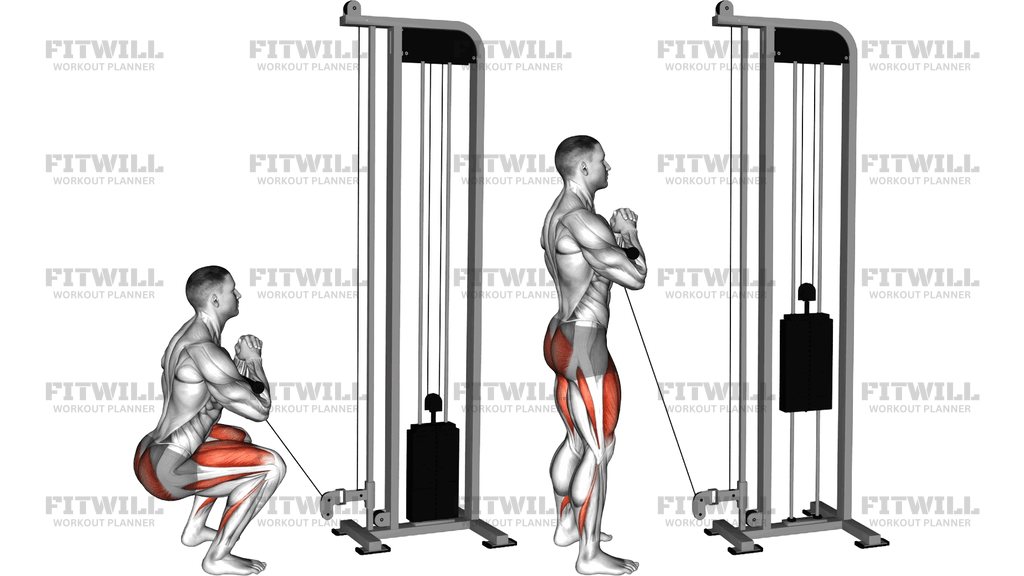
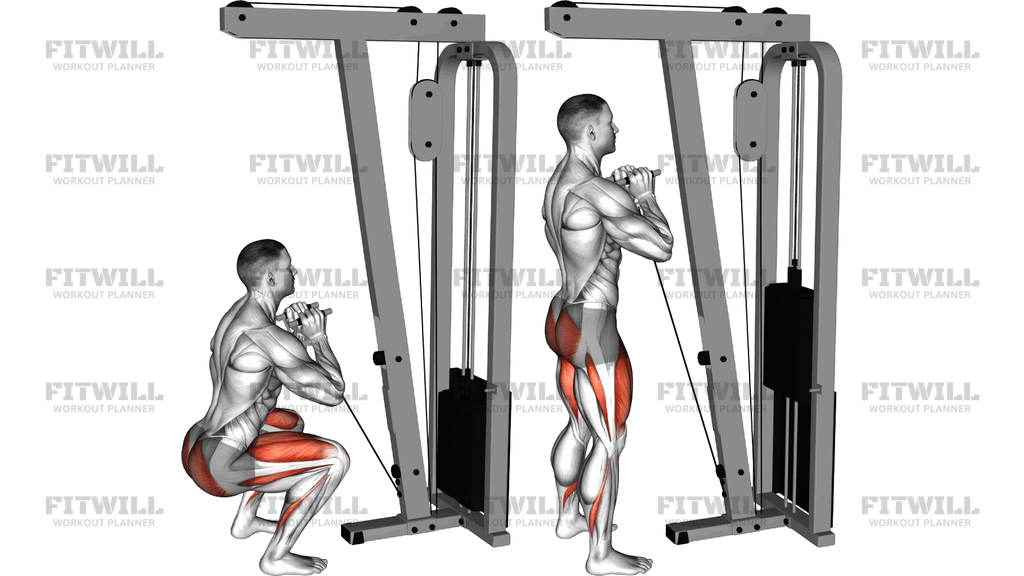
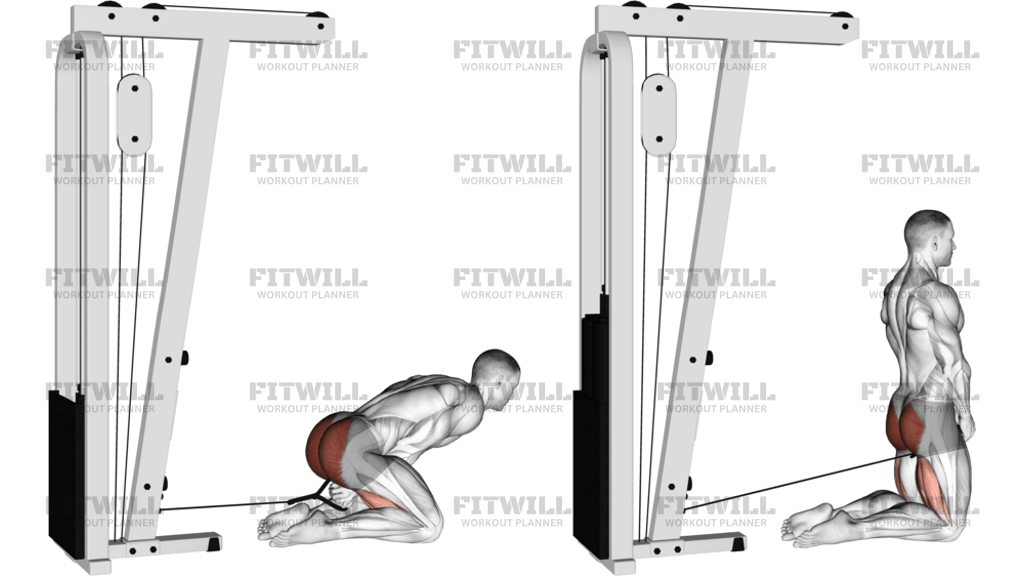
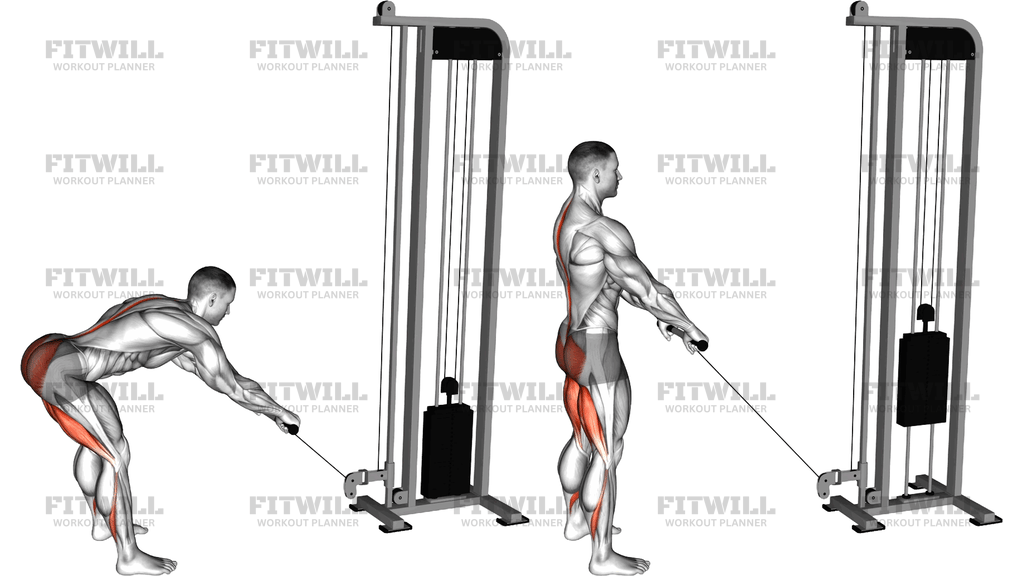
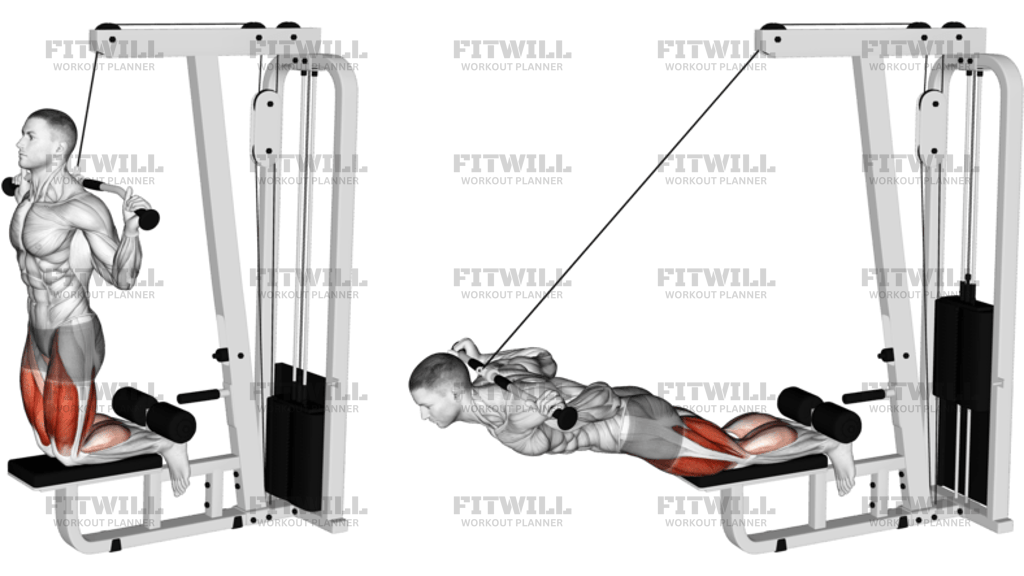
Cable Assisted Inverse Leg Curl is a hamstring-focused assisted curl pattern that uses a high cable to reduce how much of your bodyweight you have to move. In the image, the lifter is set up on a bench with the cable running to the upper body, which lets the legs and hips work through a harder lever while the machine takes some of the load off the rep. That assistance matters: it keeps the movement honest when the hamstrings are the limiter, instead of turning the exercise into a sloppy hip swing.
This variation is useful when you want to train knee flexion strength and eccentric control without needing a full bodyweight Nordic or an unassisted inverse curl. The hamstrings are the main target, with the calves, glutes, and trunk helping keep the body line stable. Because the movement is long-lever and easy to cheat, the setup has to be precise. A small change in cable length, bench position, or how far you lean can change whether the tension stays on the hamstrings or gets dumped into the lower back and shoulders.
The best rep starts from a tall, braced position with the ribs stacked over the pelvis and the neck neutral. From there, lower under control and let the cable assist just enough to keep the descent smooth. The hamstrings should lengthen as you move away from the start, then shorten as you curl back to the top. If you lose the straight body line, shrug the shoulders, or start yanking with the arms, the cable is no longer assisting the curl - it is just hiding a bad rep.
Use this exercise when you want posterior-chain work that is more targeted than a general leg day movement but less brutal than a strict bodyweight inverse curl. It fits well in accessory blocks, hamstring-focused sessions, or sprint-prep work where you want stronger knee flexion and better control in the stretched position. Light to moderate resistance is usually enough to make it productive; the goal is not to maximize weight, but to keep the line of pull clean and the rep smooth.
Treat every repetition like a controlled drill. Set the bench and pulley first, then own the same body position on every rep. If the knees feel irritated, shorten the range and reduce the load before the set gets messy. Done well, Cable Assisted Inverse Leg Curl is a very specific hamstring builder that rewards patience, positioning, and a clean return to the start.
[ Workout Log & Planner ]
Put your next workout in Fitwill
Keep your plan and training log ready when you are.


Instructions
- Set a high cable pulley and attach the handle you will hold during the rep.
- Kneel on the bench with the knees supported and the lower legs positioned so the cable can assist the curl without jerking you forward.
- Hold the handle near the upper chest or shoulders and stand tall through the torso before the first rep.
- Brace your ribs down, squeeze your glutes lightly, and keep your head and neck in line with your spine.
- Lower yourself slowly by letting the body lean away from the upright start while the hamstrings control the descent.
- Keep the movement smooth until you reach the lowest position you can own without breaking the body line or arching the lower back.
- Curl back toward the start by driving the hamstrings and keeping the handle steady instead of pulling with the arms.
- Exhale as you come back up, inhale as you lower, and reset fully before the next rep.
- Stop the set if you lose knee support, start swinging, or feel the tension shift out of the hamstrings.
Tips & Tricks
- Set the cable high enough that the line of pull supports the rep instead of dragging you sideways.
- Keep the handle close to the shoulders so the arms do not turn the movement into a row.
- If your lower back arches first, shorten the range before you add load.
- Use a slower lowering phase than lifting phase to keep the hamstrings working through the stretch.
- Stay anchored through the knees and shins; shifting around on the bench usually means the load is too heavy.
- A small amount of cable assistance is enough - if the stack is doing most of the work, the exercise stops being a hamstring drill.
- Do not chase a big range by folding at the hips; keep the torso long and let the curl happen under control.
- Choose reps that still look identical from the side on the last set rep, not just the first one.
Frequently Asked Questions
What does Cable Assisted Inverse Leg Curl train most?
It mainly trains the hamstrings through knee flexion and eccentric control, with help from the glutes, calves, and trunk.
Why use the cable instead of doing a strict inverse leg curl?
The cable reduces how much bodyweight you have to control, which makes it easier to keep the rep smooth and focus on the hamstrings.
Where should I feel the exercise working?
You should feel the hamstrings doing most of the work, especially as you lower under control and curl back to the start.
How should the handle be held?
Hold it close to the upper chest or shoulders so the cable can assist the body, not turn the movement into an arm pull.
Can beginners use this variation?
Yes, if they keep the assistance light and use a short, controlled range. The key is owning the position rather than chasing depth.
What is the most common mistake with the bench setup?
The most common issue is starting too far from the pulley or losing support at the knees, which makes the rep swingy and hard to control.
How is this different from a lying leg curl machine?
A lying leg curl isolates knee flexion on a machine path, while this exercise asks you to control your own body position with cable assistance.
Should I use a full range of motion?
Use the deepest range you can control without arching the back, collapsing the torso, or letting the cable take over the rep.