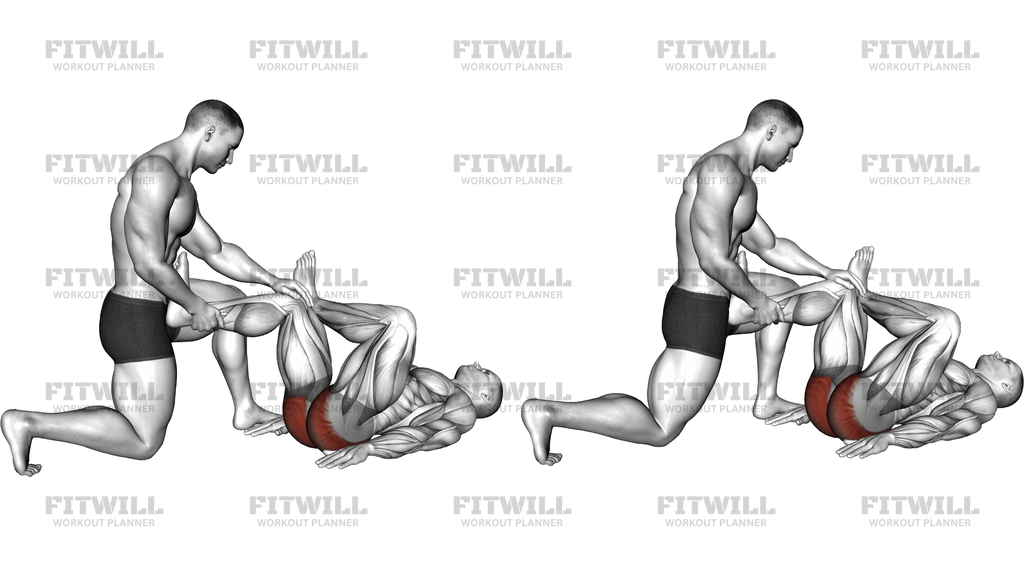
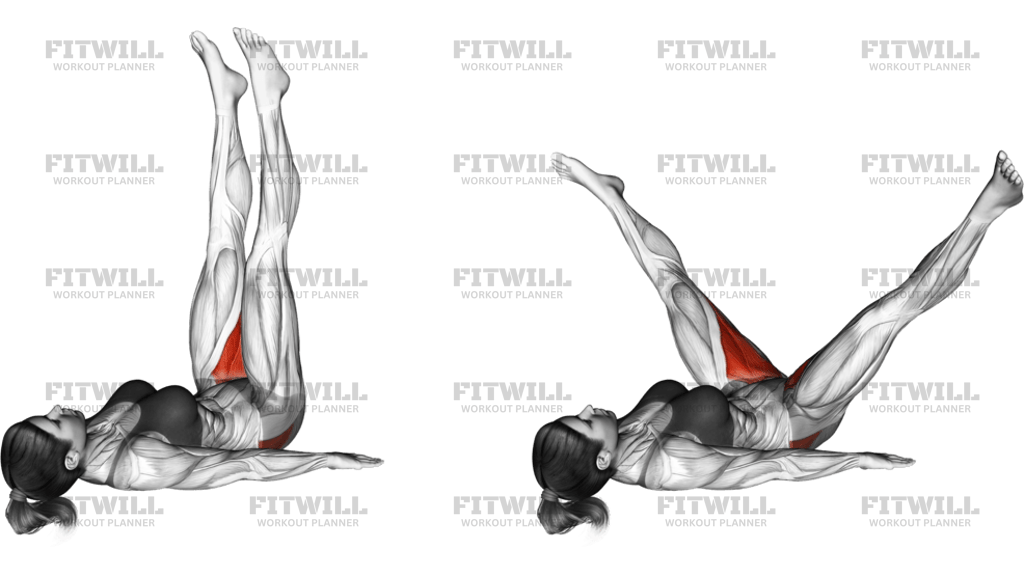
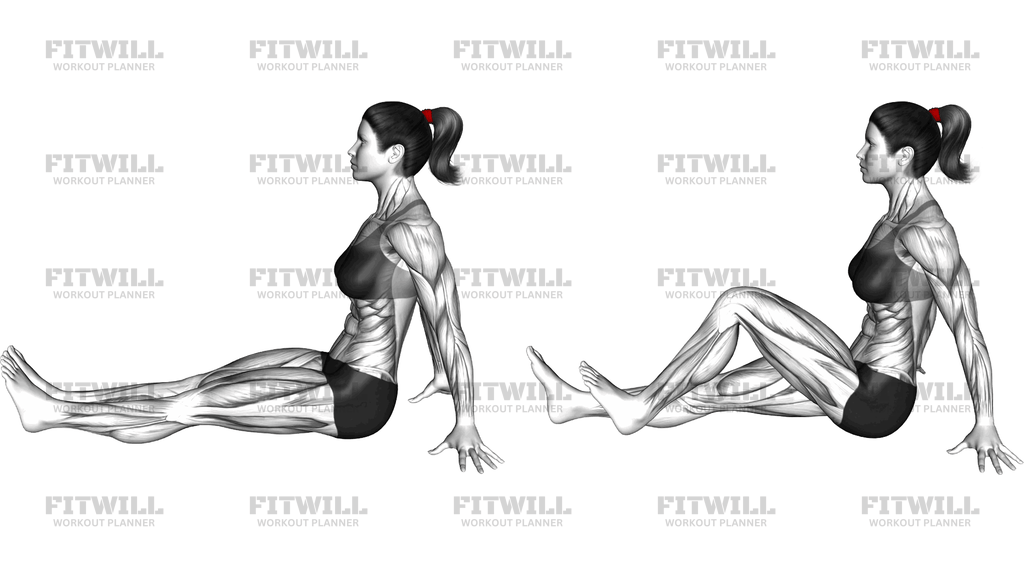
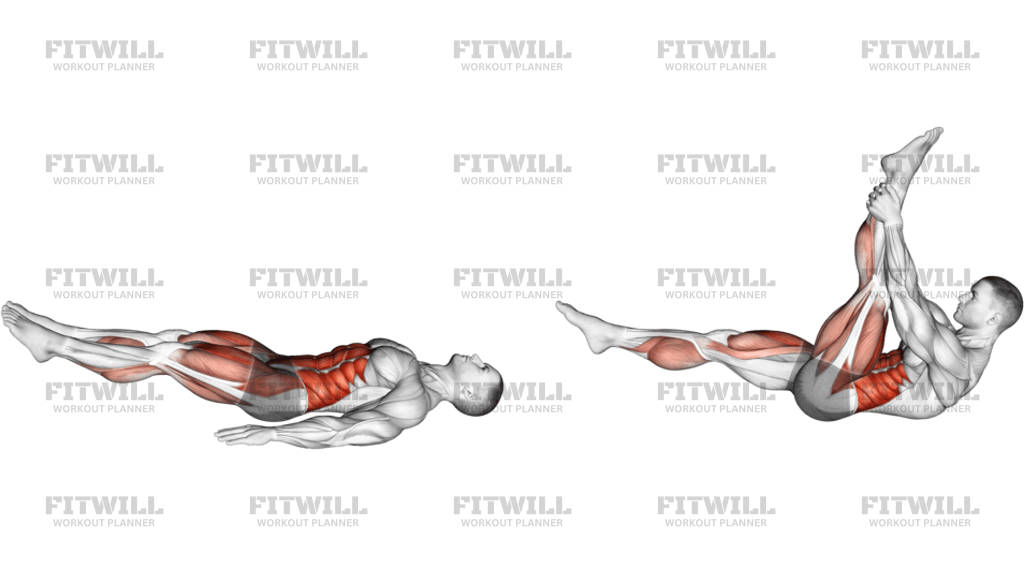
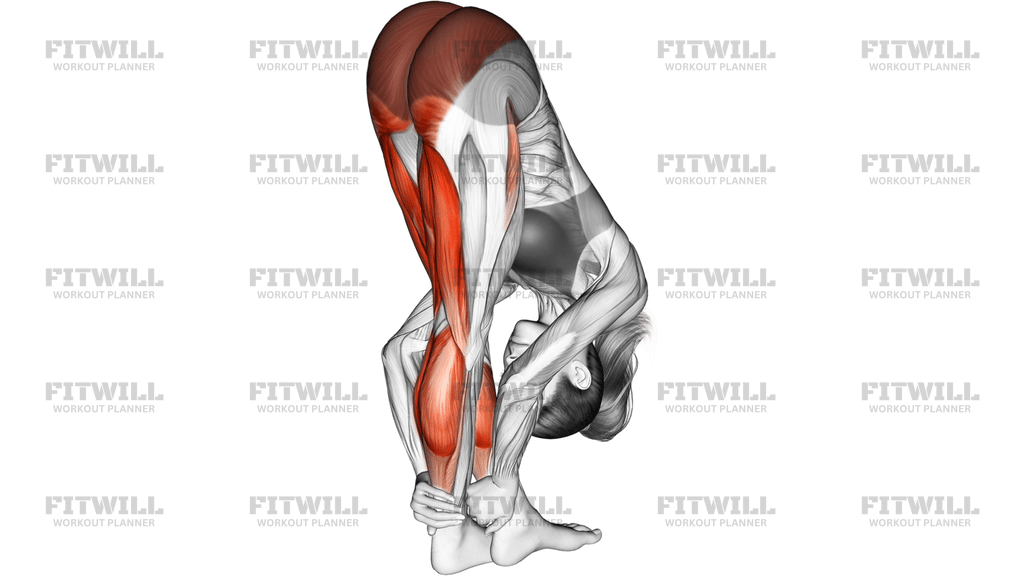
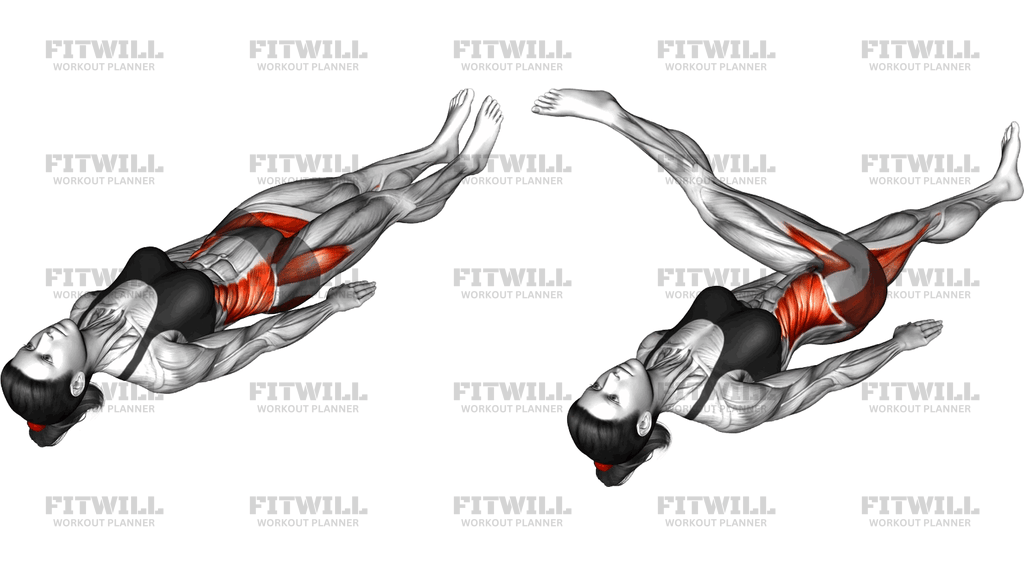
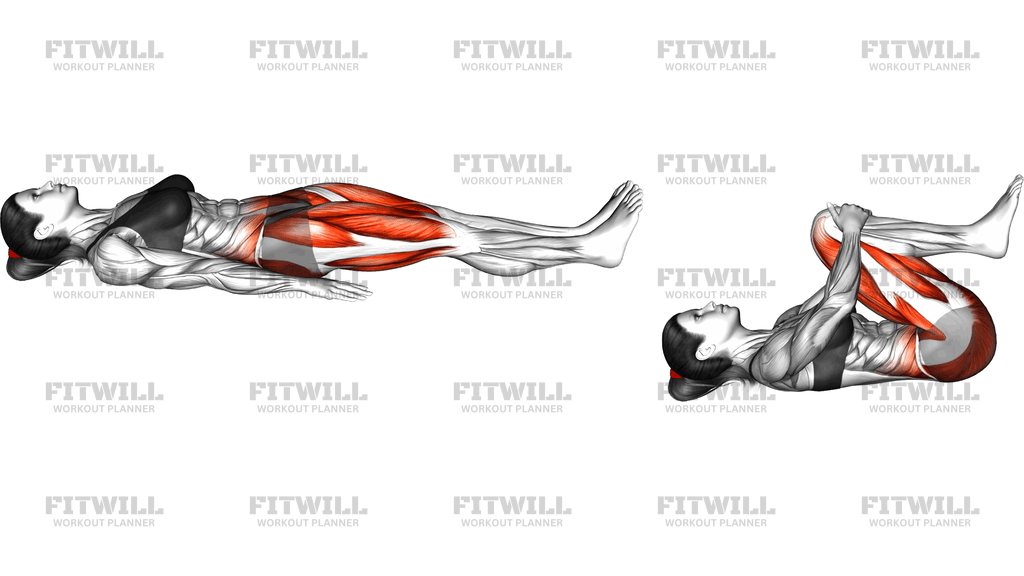
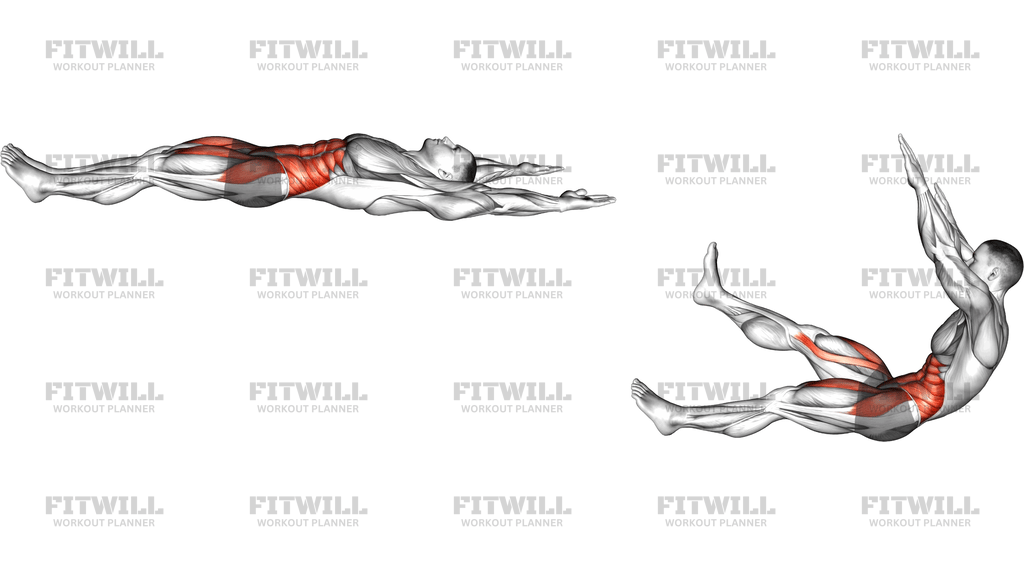
Lying Lower Back Stretch
Lying Lower Back Stretch is a floor-based recovery exercise that helps you unload the lumbar area without needing equipment beyond an exercise mat. It is most useful when your lower back feels tight after hinging, sitting, running, or a heavy strength session and you want a calm, controlled way to ease into a stretch. The setup matters because the floor gives you a stable reference point for the pelvis, ribs, and shoulders, which helps you relax the area you are trying to open.
The movement is simple, but the details determine whether it feels like a useful release or just a passive rest. On this exercise, the lower back should soften while the shoulders and arms help position and support the stretch. The goal is not to force a dramatic range; it is to find a position where you can breathe steadily and let the spine settle closer to the mat.
Lying Lower Back Stretch works well as part of a warm-up, cool-down, mobility block, or between harder sets when your back needs a reset. It is especially helpful for people who spend a lot of time seated or who feel their lumbar area get stiff from repeated hinging patterns. Because the body stays on the floor, beginners can use it safely as long as they move gradually and avoid yanking the knees or trunk into position.
Good reps are slow, quiet, and easy to repeat. Use your hands to guide the position rather than to haul your body deeper into the stretch, and keep your breathing smooth enough that your ribs stay relaxed. If the stretch starts to feel sharp in the low back, groin, or hips, shorten the range and let the position settle before you try to go further.
Lying Lower Back Stretch is most effective when you treat it like a controlled reset instead of a race for more range. Hold each rep long enough for the tension to drop, then come out of the position gradually so the lower back does not tighten up again. Used consistently, it can help you restore comfort after training and make the next session feel less stiff through the trunk and hips.
Fitwill
Log Workouts, Track Progress & Build Strength.
Achieve more with Fitwill: explore over 9600 exercises with images and videos, access built-in and custom workouts, perfect for both gym and home sessions, and see real results.
Start your journey. Download today!




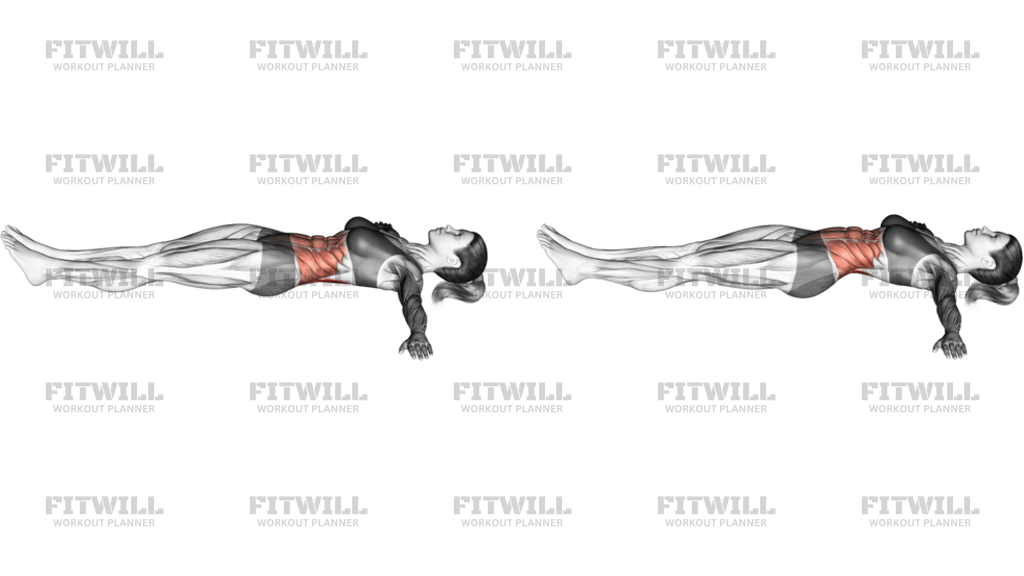
Instructions
- Lie on your back on an exercise mat with your head resting down and your shoulders relaxed against the floor.
- Bend both knees and bring your feet in so your lower back can settle flat instead of arching off the mat.
- Exhale and draw both knees toward your chest, using your hands behind the thighs or around the shins for support.
- Keep your chin slightly tucked and let your neck stay long instead of pushing your head forward.
- Pull only until you feel a mild stretch through the lower back and outer hips, not a sharp pinch.
- Hold the position and breathe into your ribs and belly without forcing the knees tighter each breath.
- If one side feels tighter, ease that knee a little closer while keeping the opposite side relaxed and even.
- Lower one foot at a time back to the mat, then release the other leg slowly and reset before the next rep.
Tips & Tricks
- Keep your shoulders heavy on the mat; if they pop up, you are pulling the knees too hard.
- Use your hands as guides, not levers. The stretch should come from the hips and lower back relaxing, not from jerking the thighs closer.
- If both knees to chest feels crowded, pull one knee at a time and keep the other leg bent or long on the floor.
- Let your exhale soften the stretch. A long breath out usually drops the ribs and makes the low back settle better.
- Avoid flaring the elbows and lifting the head, which turns the stretch into a neck and shoulder effort.
- A small amount of rocking is fine, but bouncing will tighten the lumbar area instead of releasing it.
- If your hamstrings pull first, keep the knees slightly more bent so the stretch stays in the lower back instead of behind the legs.
- Come out of the position slowly so the spine does not rebound into a bigger arch when you release.
Frequently Asked Questions
What does Lying Lower Back Stretch target most?
It mainly targets the lower back, with the hips and glutes helping the stretch settle.
Should my knees be bent or straight in Lying Lower Back Stretch?
Bend both knees first so your lower back can flatten against the mat, then draw them in to find the stretch.
Do I hold both knees or one knee at a time?
Both knees works well for a general lower-back release, while one knee at a time is better if one side feels tighter.
Should I feel Lying Lower Back Stretch in my lower back or hamstrings?
You should feel the main stretch around the lower back and hips. If the hamstrings take over, bend the knees a little more.
How long should I hold each rep?
A short hold of about 15 to 30 seconds is usually enough to let the low back relax without losing position.
Can I use Lying Lower Back Stretch after deadlifts or squats?
Yes. It is a good cooldown choice after hinging or squat work when your lumbar area feels compressed or tight.
Why do my shoulders get involved in Lying Lower Back Stretch?
Your arms help hold the position and keep the knees from drifting too far, so some shoulder and arm tension is normal.
What should I do if the stretch feels sharp?
Back off immediately, reduce the knee pull, and keep the stretch mild. Sharp pain is a sign to shorten the range or stop.