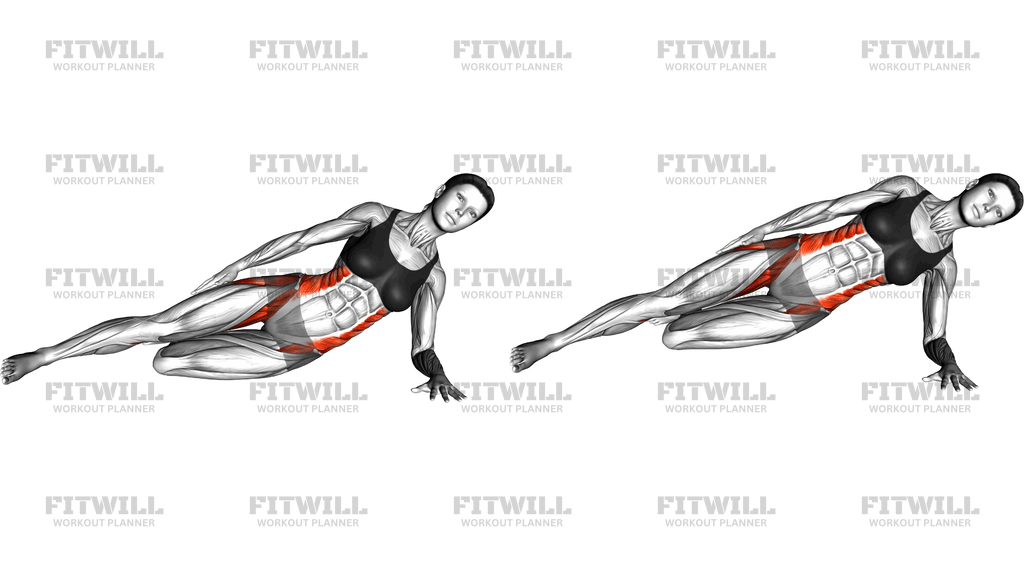
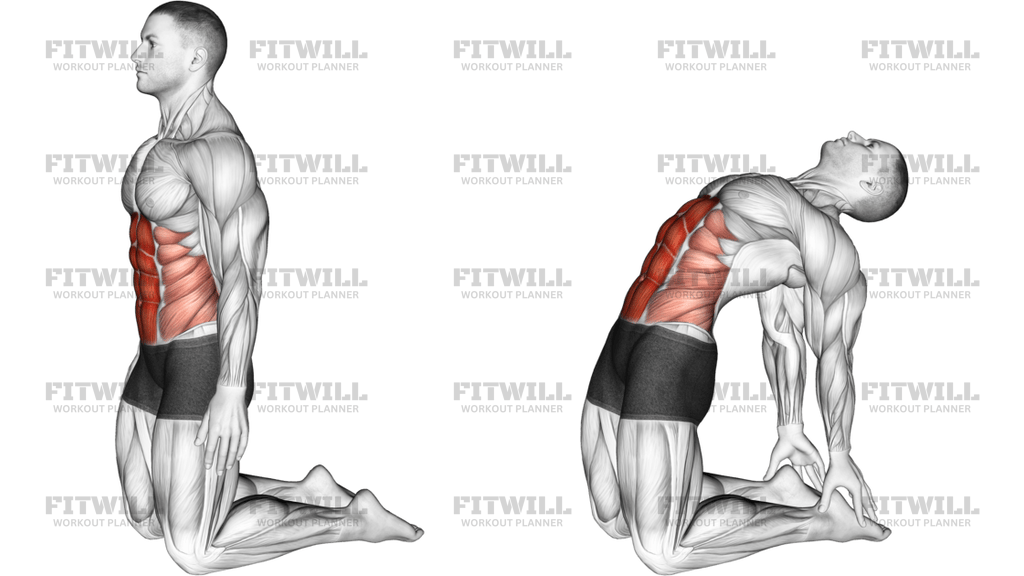
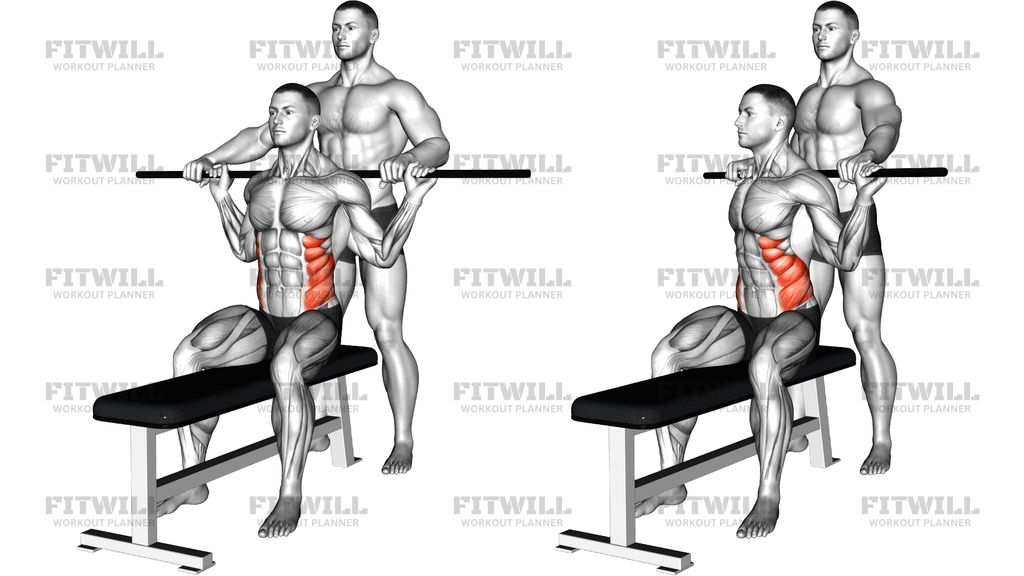
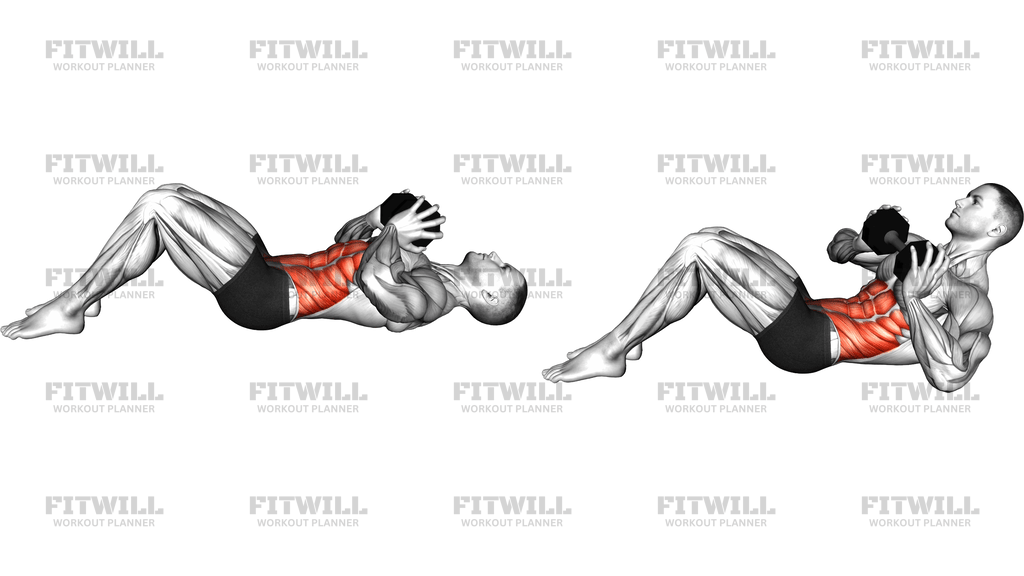
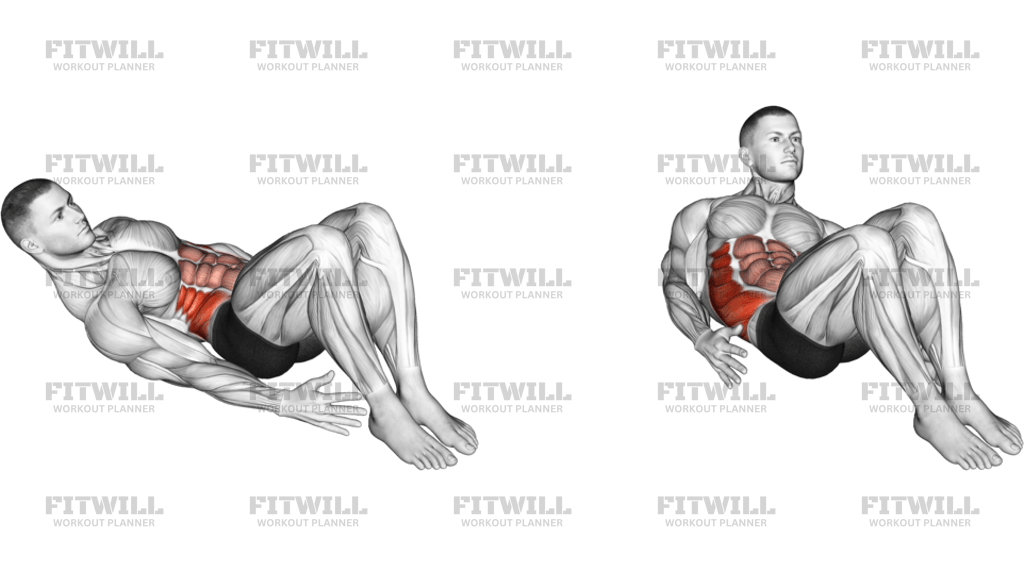
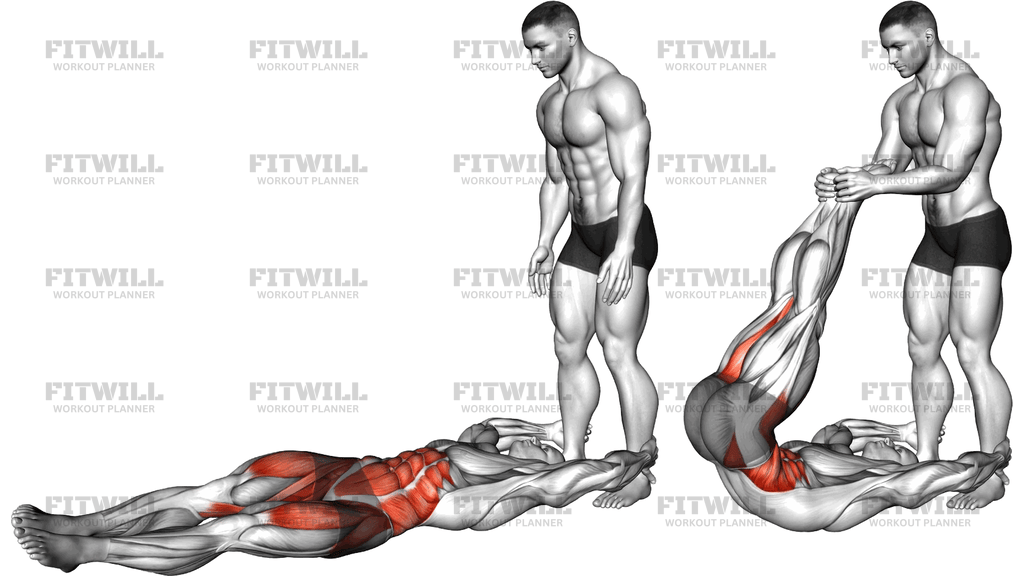
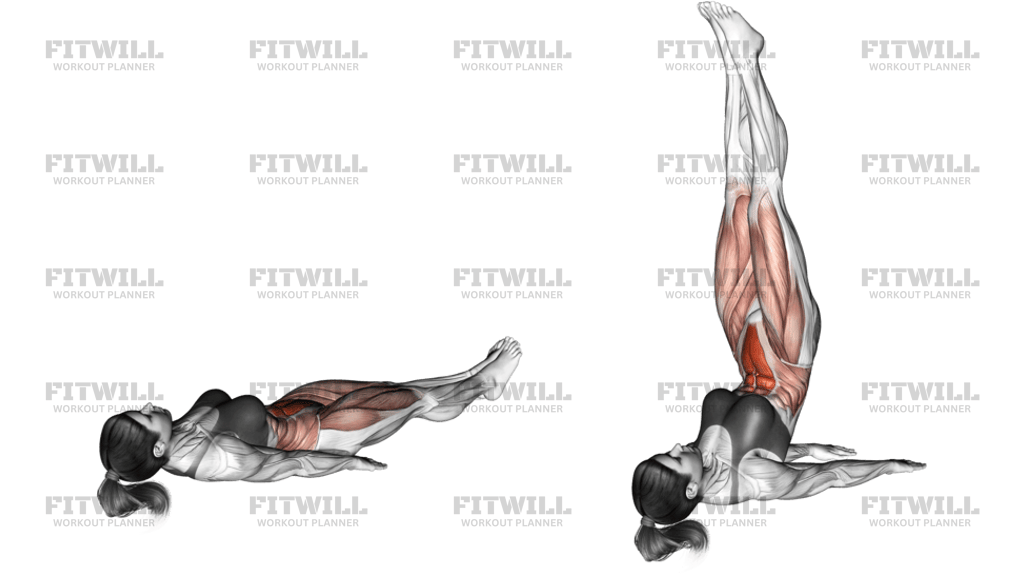
Abdominal Stretch
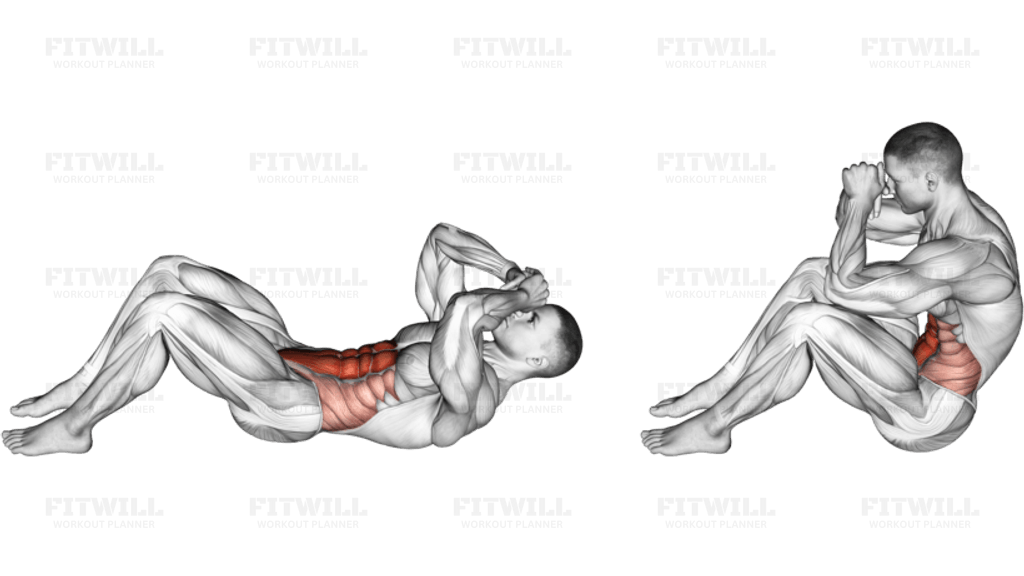
Abdominal Stretch is a floor-based stretch for the front of the torso, waist, and hips. In this version, you sit on a mat, draw the knees in, and round the trunk to lengthen the rectus abdominis while easing tension through the lower back and hip flexors. The setup matters because the position of the pelvis, ribcage, and neck changes whether the stretch lands in the abs or just collapses the spine.
This movement is usually used after core training, back extensions, or any session that leaves the midsection feeling tight and compressed. The image shows a controlled seated hold, not a fast dynamic drill, so the goal is a calm stretch with steady breathing and a smooth change of shape through the torso. The shoulders should stay relaxed, the chin should stay softly tucked, and the knees should be held close enough to create tension without pinching the hips or forcing the lumbar spine.
Treat the stretch as a controlled rep pattern: settle into the start position, lengthen the front of the body, then ease deeper only as your breathing allows. If you are too upright, the stretch shifts away from the abdomen; if you round aggressively or yank on the knees, it becomes a rough back bend reversal instead of a clean abdominal stretch. A small, repeatable range with a still lower body usually gives the best result.
Use this exercise when you want to restore comfort after abdominal work, improve awareness of torso position, or cool down from training that has a lot of spinal flexion or bracing. It is friendly for beginners because it uses body weight and a mat, but the stretch should never be forced. Keep the movement pain-free, avoid bouncing, and come out of the position slowly so the trunk does not snap back into extension.
[ Workout Log & Planner ]
Put your next workout in Fitwill
Keep your plan and training log ready when you are.


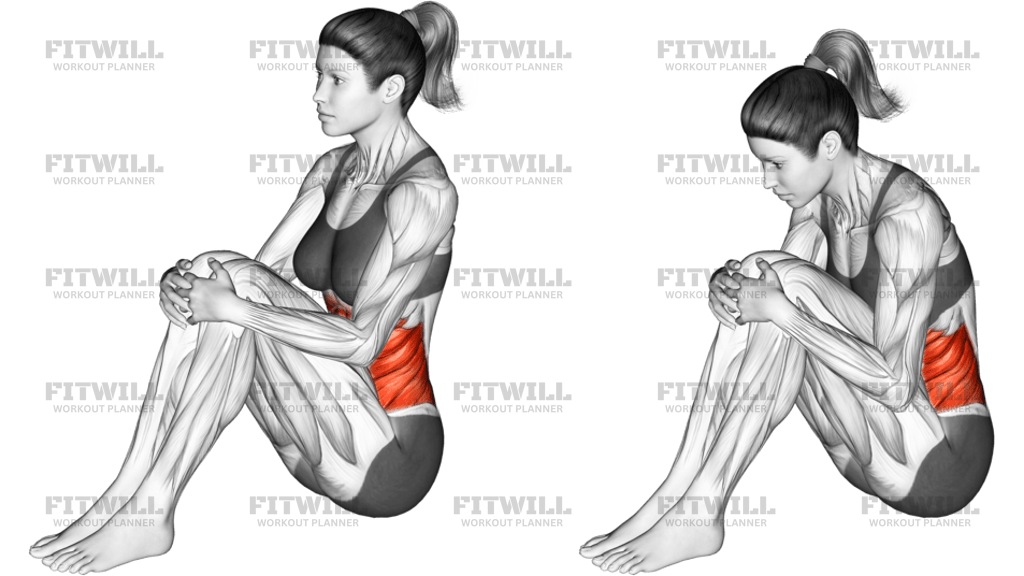
Instructions
- Sit on the mat with your knees bent and feet planted lightly in front of you.
- Hug your shins or knees and keep your hands from pulling your shoulders up.
- Tuck your chin slightly and round your upper back as you draw the ribs down.
- Let the pelvis tilt back so the front of the torso lengthens.
- Exhale and settle into the stretch instead of forcing deeper immediately.
- Keep the knees close to the chest or upper abdomen without cranking on the legs.
- Hold the rounded position for a controlled breath or two, then ease the tension slightly.
- Return to a taller seated position slowly and repeat with the same range on each rep.
Tips & Tricks
- Think of pulling the sternum away from the pelvis, not just yanking the knees inward.
- Keep the neck long; looking down is fine, but do not collapse the head into the chest.
- If the stretch is mostly in the hips, slide your feet a little farther away and round the trunk more gently.
- If you feel pinching in the lower back, reduce the rounding and keep the pelvis more neutral.
- Use slow exhales to soften the abdominal wall and make the stretch easier to hold.
- Hold the shins with a light squeeze instead of a hard grip so the upper body can relax.
- Stay on the mat and avoid rocking back and forth through the spine.
- A small, consistent stretch is more useful here than chasing the deepest possible position.
Frequently Asked Questions
What does Abdominal Stretch work?
It mainly stretches the rectus abdominis, with support from the obliques, hip flexors, and deep core muscles.
Is this more of an abs stretch or a back stretch?
The goal is to open the front of the torso, but the rounded seated position can also ease tension in the lower back.
Do I need equipment for this exercise?
No. A mat is enough, and body weight provides the resistance through the stretch position.
How should I hold my legs during the stretch?
Wrap your arms around the shins or knees and keep the hold gentle enough that you are not forcing the hips forward.
Should my feet stay flat on the floor?
Either a light planted foot position or a relaxed tucked position can work, as long as the torso can round without strain.
What is the biggest mistake with this stretch?
Pulling hard on the knees and collapsing the neck usually turns the stretch into a sloppy curl instead of a controlled abdominal lengthening.
Can beginners use this stretch?
Yes. It is beginner-friendly if you keep the range small and breathe instead of forcing depth.
When should I use Abdominal Stretch in a workout?
It fits well during a cooldown, after core work, or after exercises that leave the front of the torso feeling tight.