Run And Semi Squat Jump
Run and Semi Squat Jump is a bodyweight cardio drill that combines a quick running rhythm with a shallow jump-and-land pattern. It is built to raise heart rate, challenge coordination, and keep the legs working continuously without requiring a deep squat or a long stride. The exercise is most useful when you want a simple athletic conditioning movement that still asks for foot speed, balance, and clean landing mechanics.
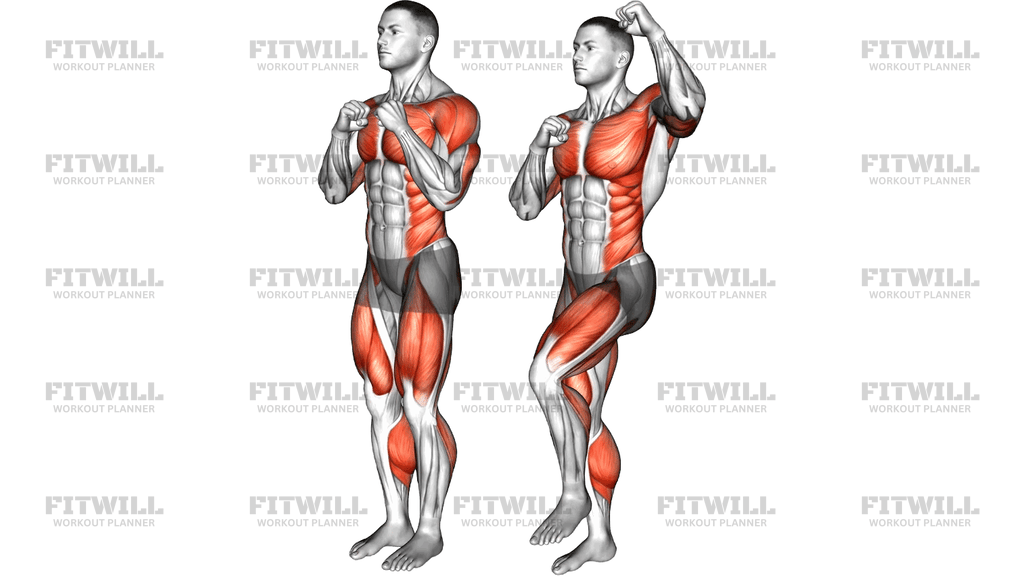
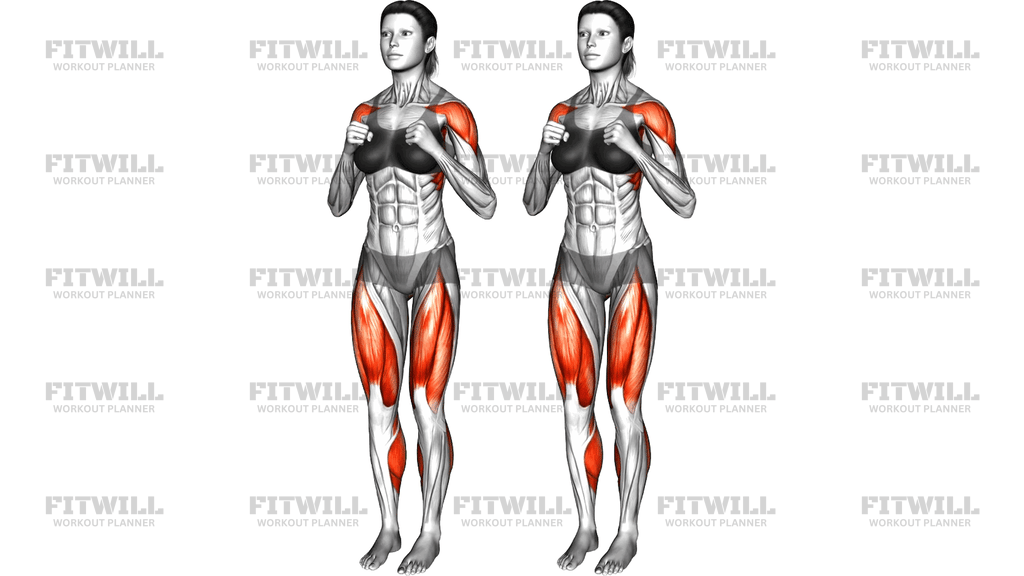
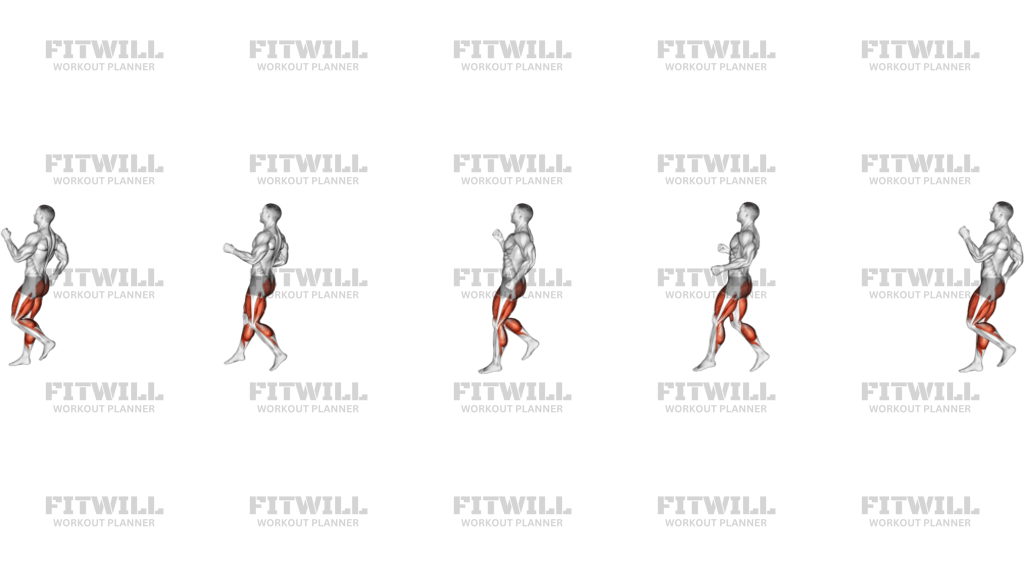
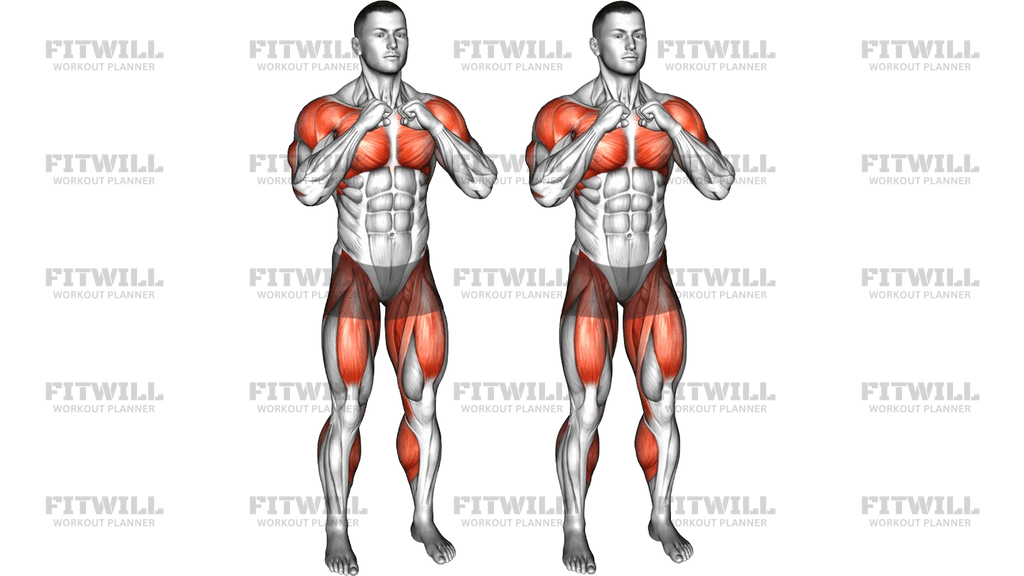
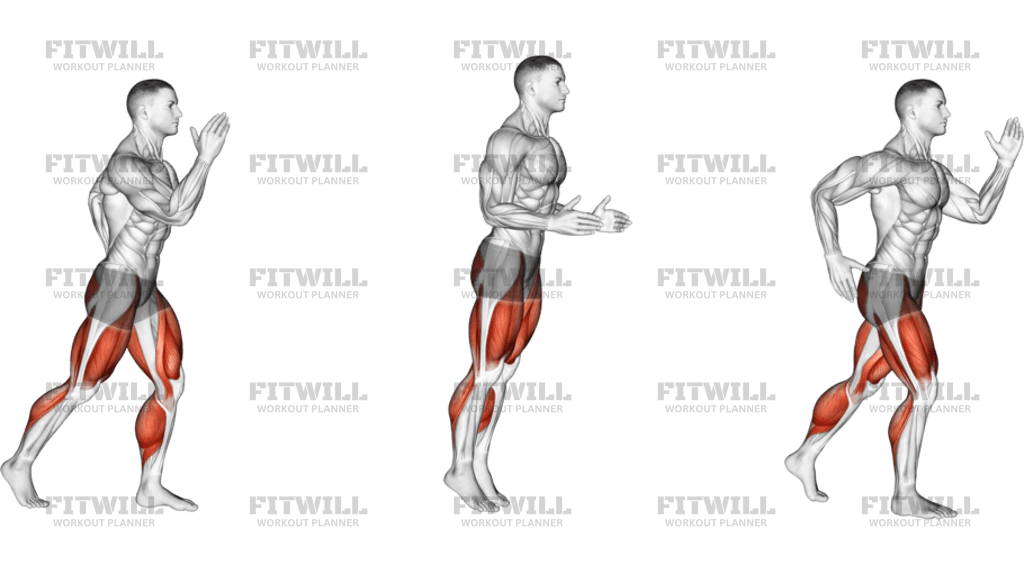
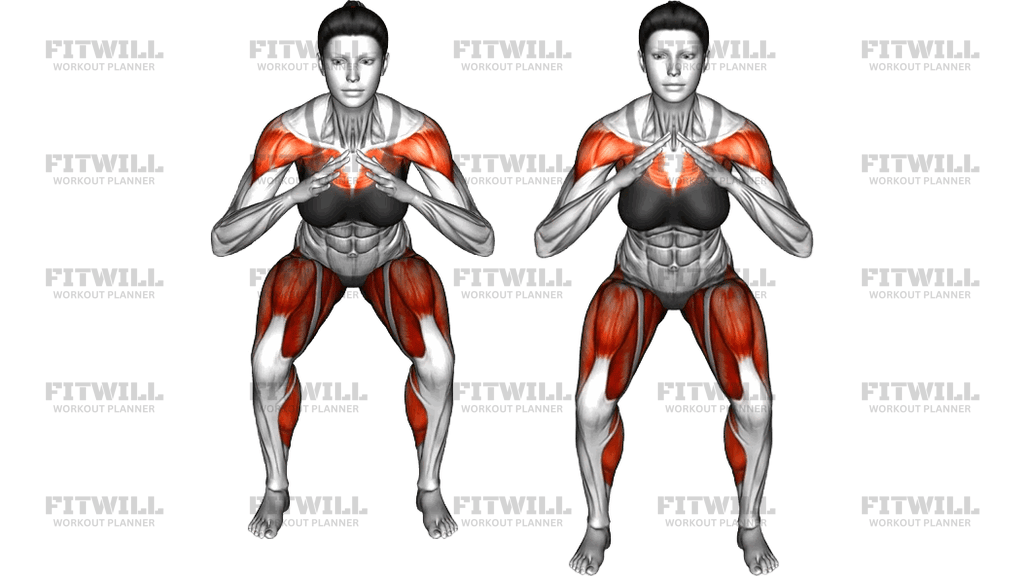
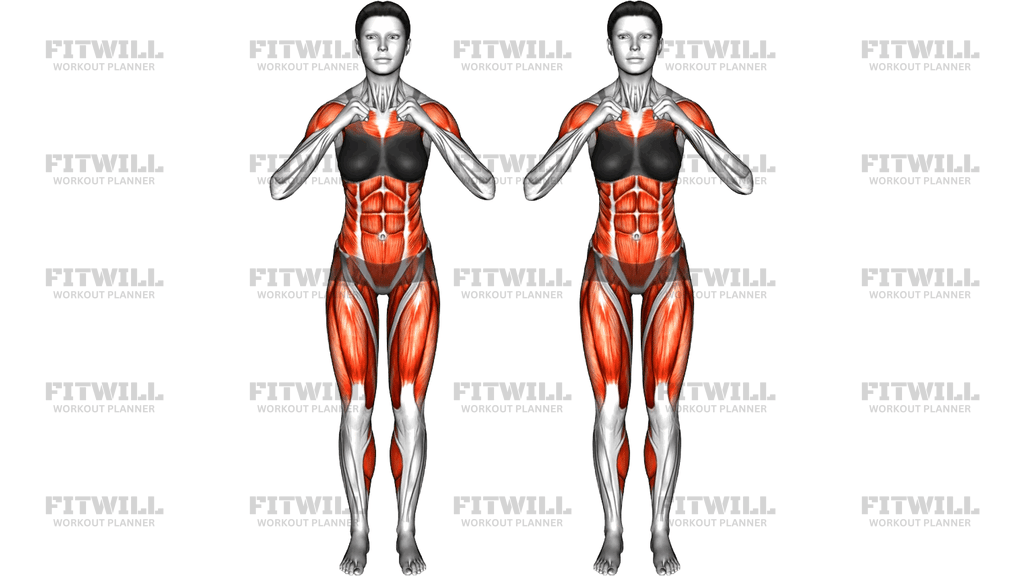
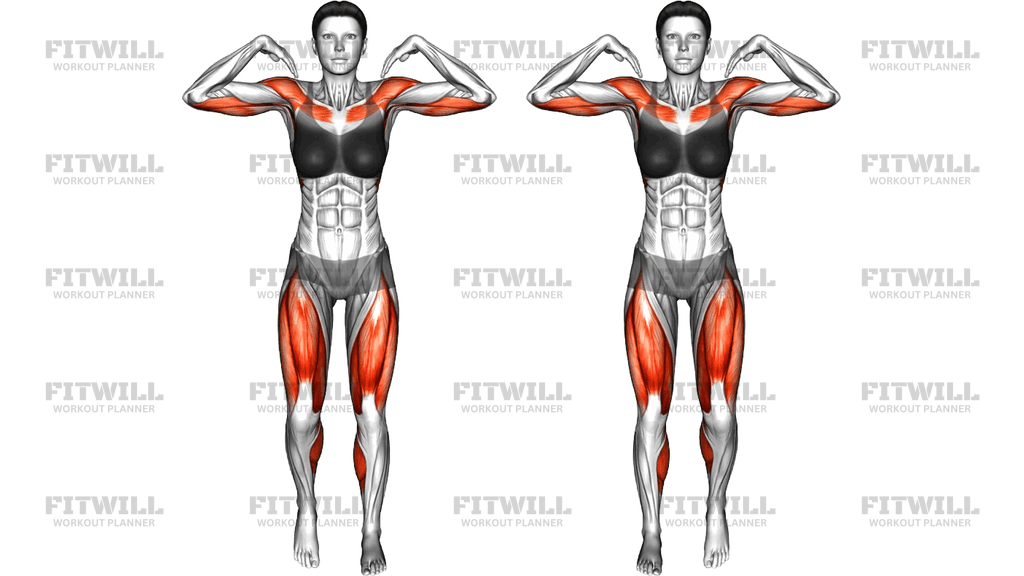
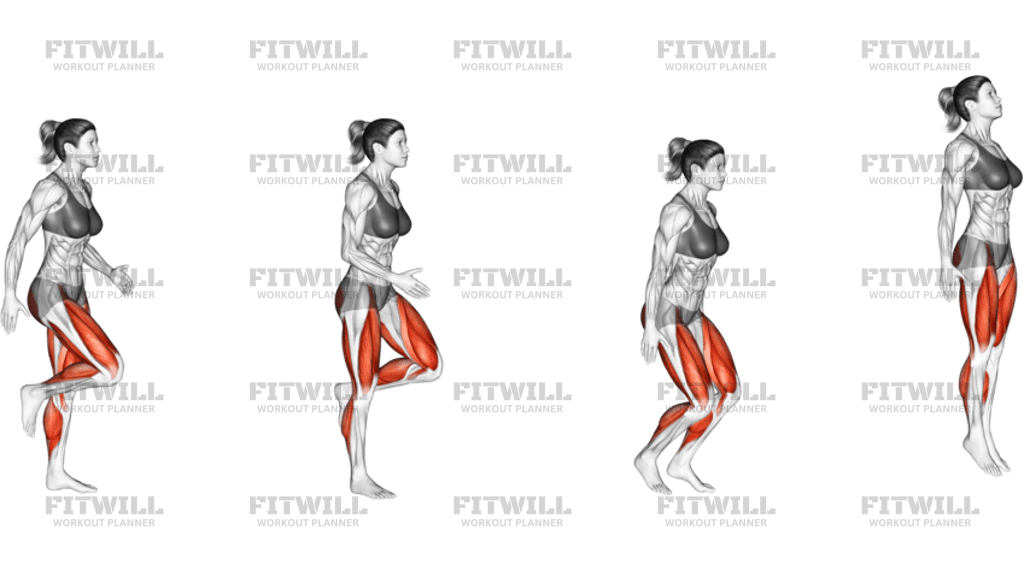
The main training effect comes from the repeated drive through the quads, glutes, calves, and core while the body stays upright and responsive. The image shows a tall posture with a light running step and then a small squat-based hop, so the setup matters more than raw jump height. Keep the feet under the hips, stay on the balls of the feet, and let the knees bend only enough to absorb the landing instead of sinking into a full squat.
Good execution is about rhythm and control. The running phase should feel quick and light, with short contacts and relaxed arms that help balance the body. The jump phase should be small and springy, not explosive to the point that the torso pitches forward or the landing becomes loud. Think of loading the legs briefly, driving up just enough to clear the floor, and returning to a soft, stable position before repeating the pattern.
This exercise fits well in warmups, conditioning circuits, or athletic prep blocks where you want to build heat without needing equipment. It can also be scaled down easily by turning the run into a march and the jump into a gentle heel lift if impact needs to stay low. Because the movement is repetitive, pacing matters: a clean cadence with consistent breathing is better than chasing speed and losing alignment.
The safest reps are the ones that keep the knees tracking in line with the toes, the chest lifted, and the landings quiet. If the feet start slapping the floor, the knees cave inward, or the torso folds forward, the drill is becoming too fast or too aggressive. Reduce the height, shorten the interval, and keep the motion crisp enough that each repetition still looks like the pattern in the image.
Fitwill
Log Workouts, Track Progress & Build Strength.
Achieve more with Fitwill: explore over 9600 exercises with images and videos, access built-in and custom workouts, perfect for both gym and home sessions, and see real results.
Start your journey. Download today!




Instructions
- Stand tall with your feet about hip-width apart and your arms relaxed at your sides.
- Shift onto the balls of your feet and begin a light running step in place with short, quick contacts.
- Keep your chest up, ribs stacked over your pelvis, and eyes looking forward as you move.
- After the running rhythm is established, lower into a shallow quarter-squat by sending the hips slightly back.
- Drive through the floor and make a small jump, keeping the lift low and the motion springy.
- Land softly on the forefoot, then let the heels settle as the knees bend to absorb the impact.
- Immediately flow back into the running rhythm or the next squat jump without pausing too long on the floor.
- Exhale on the drive up and inhale as you reset, keeping the cadence smooth for the full set.
Tips & Tricks
- Keep the jump small; the goal is a quick, repeatable landing, not maximum height.
- Use the arms to balance the rhythm instead of swinging them wildly across the body.
- Think quick feet on the run phase so each contact stays light and under the hips.
- If the knees drift inward on landing, widen the stance slightly and slow the cadence.
- Stay in a shallow squat range so the torso does not fold forward to chase depth.
- Land quietly; a loud landing usually means the legs are absorbing too late or too hard.
- Use a softer surface or supportive shoes if the repeated hops feel harsh on the joints.
- Stop the set as soon as the rhythm gets choppy or the feet start slapping the floor.
Frequently Asked Questions
What muscles does Run and Semi Squat Jump work most?
It mainly targets the quads, with strong help from the glutes, calves, and core during the run-and-land rhythm.
Is this exercise appropriate for beginners?
Yes, as long as the jump stays small. Beginners can march instead of run or remove the hop and keep the same shallow landing pattern.
How low should I squat during the jump?
Only as low as you can while keeping the torso tall and the landing quiet. A quarter squat is usually enough.
What is the most common form mistake?
Most people either jump too high or let the knees cave inward. Both make the drill louder and less controlled.
Should my heels stay off the floor the whole time?
During the running phase they should stay light and mostly on the forefoot, but on the landing they can settle softly as you absorb the impact.
Can I make the movement easier without changing the exercise?
Yes. Slow the cadence, turn the run into a march, and keep the hop very small while you keep the same upright posture.
What should I feel if I am doing it correctly?
You should feel the legs working continuously, especially the quads and calves, with the core helping you stay stable and upright.
Where does this fit in a workout?
It works well in warmups, conditioning circuits, or athletic prep blocks when you want a simple bodyweight drill that lifts the heart rate.