Iron Cross Stretch
Iron Cross Stretch is a floor-based mobility drill that opens the glutes, hips, and lower back while teaching the trunk to stay quiet as one leg moves across the body. The position shown in the image is a supine setup on a mat with the arms spread wide for balance and the working leg crossing over the body in a controlled arc. That wide base matters because it lets you keep one shoulder anchored while the hip and lumbar area rotate into a stretch.
The primary target is the glutes, especially the outer and upper fibers that feel tight when the hip rotates inward and across the midline. The hamstrings, core, and lower back assist by stabilizing the pelvis and preventing the torso from rolling with the leg. In anatomy terms, the main work centers on the Gluteus maximus, with support from Biceps femoris, Rectus abdominis, and Erector spinae. Because this is a stretch rather than a loaded strength movement, the goal is not force or range for its own sake; the goal is to create a smooth line of tension that you can hold and breathe through.
Good setup decides the quality of the stretch. Lie flat on the mat, open both arms out to the sides, and keep the non-working shoulder and opposite arm heavy against the floor. The supporting leg should stay long and relaxed while the crossing leg moves slowly, so the pelvis turns only as far as you can control. If the lower back starts to twist hard or the shoulder lifts, the range has gone too far and the stretch is no longer targeting the right tissues.
Use a slow crossing action and a calm breathing rhythm. Exhale as the leg drifts across the body, then pause where you feel a firm stretch through the glute and outer hip without sharp pain. On the way back, reverse the path with control and reset the pelvis before starting the next rep. A clean rep should look smooth from entry to exit, with no bouncing, no jerking, and no strain through the neck.
Iron Cross Stretch is useful in warm-ups, recovery sessions, mobility blocks, and lower-body training days when the hips need opening before squats, lunges, running, or deadlift work. It also works well after long periods of sitting because it restores rotation without loading the joints. Beginners can use it safely if they keep the motion small and the shoulders down. If one side feels much tighter, do not force symmetry by yanking the leg farther; instead, spend a little longer on the restricted side and let the tissue relax into the range.
Fitwill
Log Workouts, Track Progress & Build Strength.
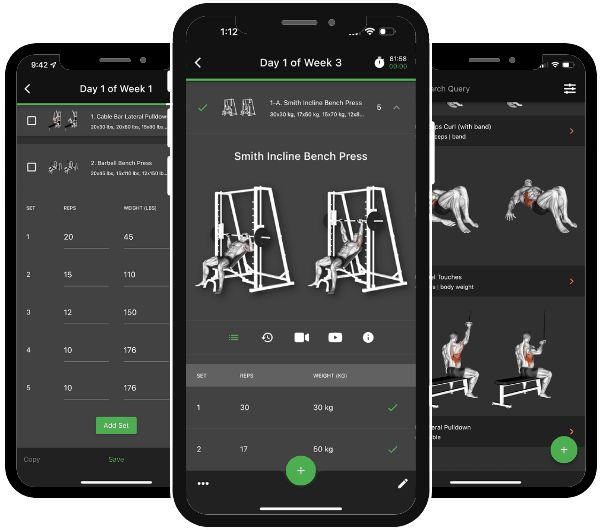
Achieve more with Fitwill: explore over 5000 exercises with images and videos, access built-in and custom workouts, perfect for both gym and home sessions, and see real results.
Start your journey. Download today!


Instructions
- Lie on your back on the mat and open both arms out wide so your body forms a T shape.
- Keep both shoulder blades and the upper back heavy against the floor before you move the leg.
- Extend both legs long to start, then brace lightly so the pelvis stays level.
- Lift one leg and bend the knee only as much as the image or your mobility allows.
- Cross that leg slowly over the body toward the opposite side while the opposite arm stays planted.
- Let the hip and lower back rotate just enough to feel the stretch in the glute and outer hip.
- Exhale as you move into the stretch, then pause briefly at the end range without bouncing.
- Bring the leg back to center under control and reset the pelvis before the next repetition.
- Repeat on the other side with the same range, speed, and breathing pattern.
Tips & Tricks
- Keep the opposite shoulder glued to the floor so the stretch comes from the hip, not from rolling onto your side.
- Cross the leg only until the glute feels loaded; if the knee collapses toward the floor too fast, the stretch usually turns into a lower-back twist.
- Let the moving thigh stay controlled rather than forcing the knee with your hand or momentum.
- Point the toes naturally instead of pulling aggressively through the ankle, which can tighten the hamstring and change the feel of the stretch.
- Use a long exhale to soften the outer hip before trying to gain a little more range.
- Keep your neck relaxed and your gaze neutral so the upper body does not tense against the floor.
- If one side is much tighter, hold that side a little longer instead of trying to match the looser side immediately.
- Stop the rep before sharp pinching appears in the front of the hip or knee.
Frequently Asked Questions
What does the Iron Cross Stretch target most?
It mainly targets the glutes and outer hip, with the lower back and core helping stabilize the rotation.
Can beginners perform this exercise?
Yes. Beginners usually do best with a smaller range and a focus on keeping the opposite shoulder flat on the mat.
Where should I feel the stretch?
You should feel it mainly in the crossed-leg glute and outer hip, not as a sharp pull in the knee or a pinch in the front of the hip.
Why are the arms stretched out to the sides?
The wide arm position helps anchor the shoulders so the pelvis can rotate without the whole torso rolling over.
Should the leg be forced all the way across the floor?
No. Stop when you feel a strong but manageable stretch and the opposite shoulder is still staying down.
What is the most common mistake?
Letting the shoulder pop up or using momentum to yank the leg across the body instead of moving slowly.
Is this more of a warm-up or a recovery stretch?
It can work as either. Many people use it in a warm-up to open the hips or after training to ease glute tightness.
How do I make the stretch easier if it feels too intense?
Reduce the crossing angle, keep the bent knee higher, and shorten the hold until your hips relax.