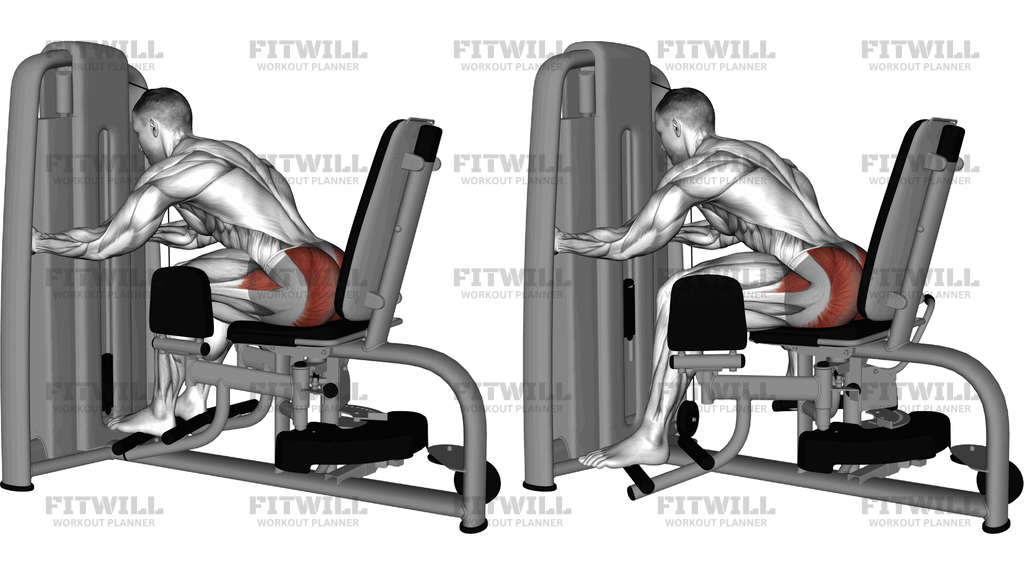
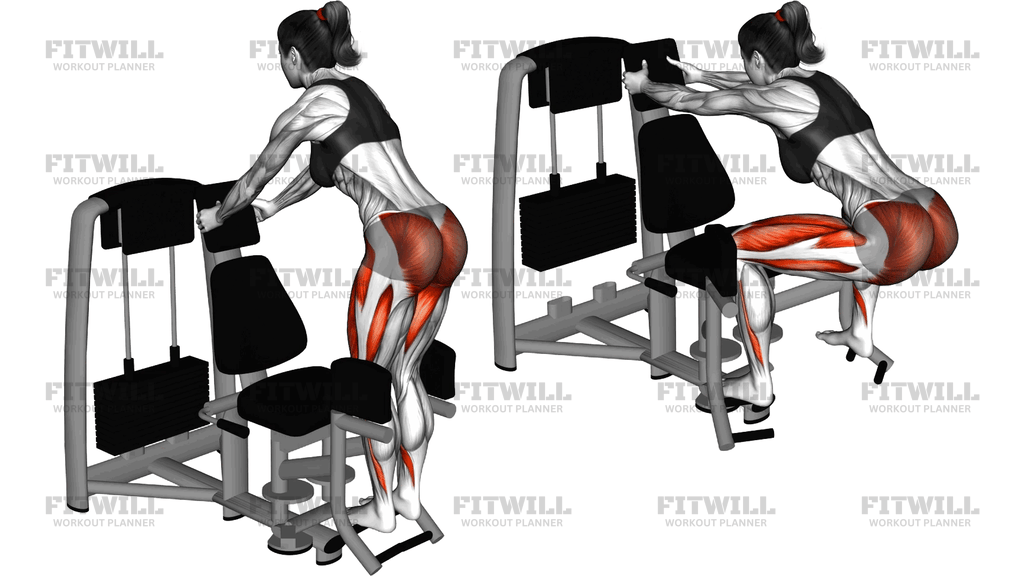
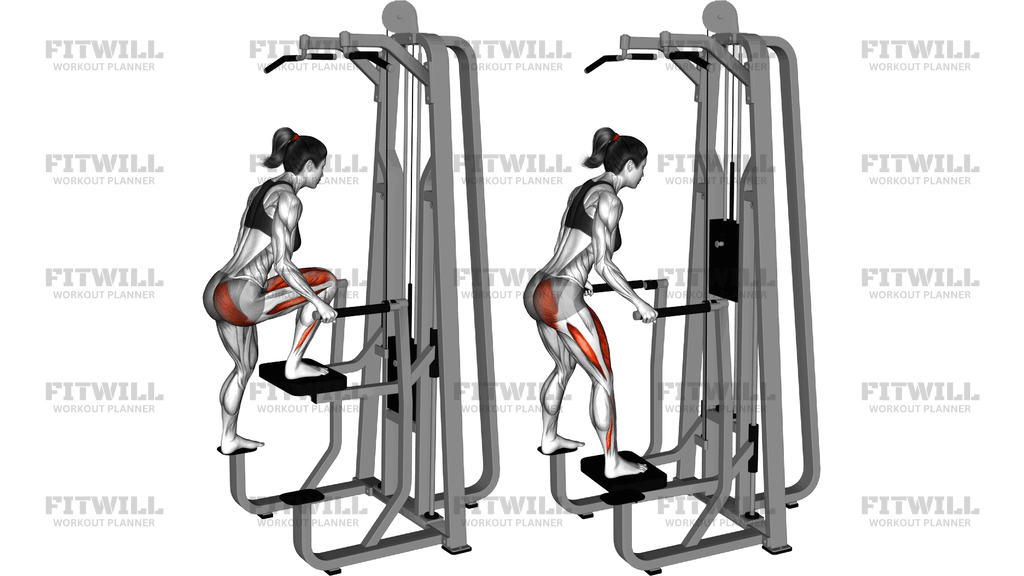
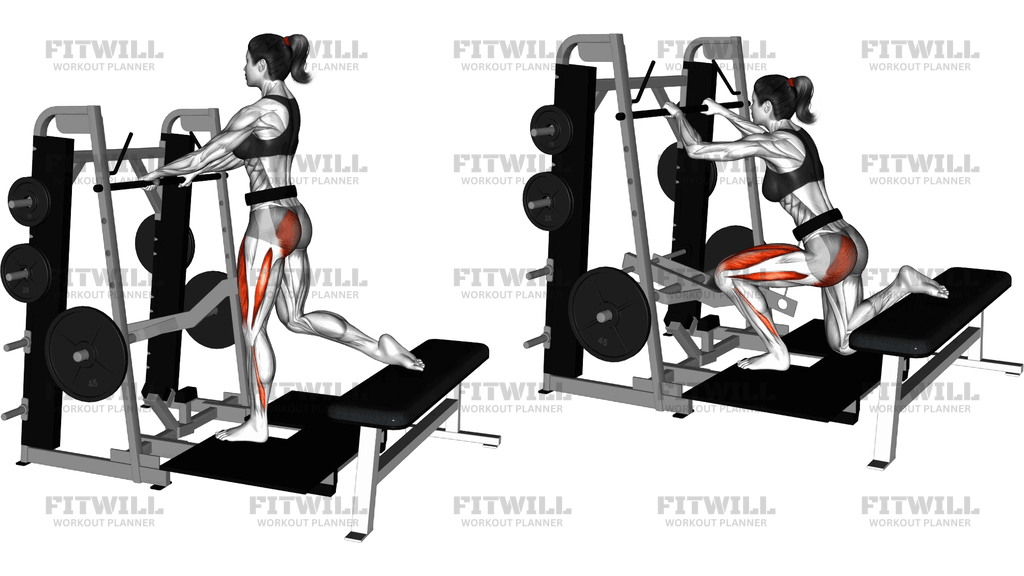
Lever Seated Leg Press Version 2
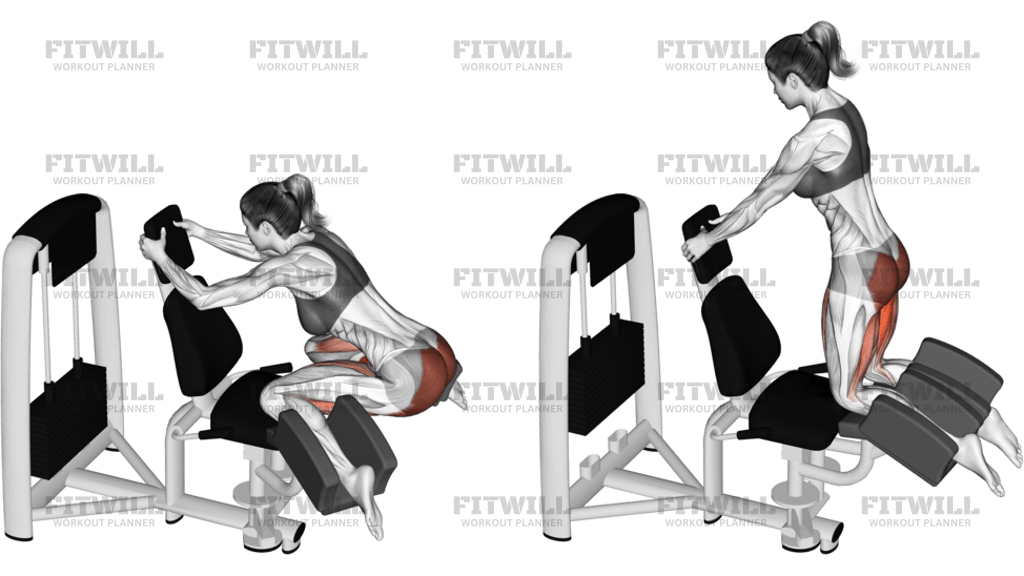
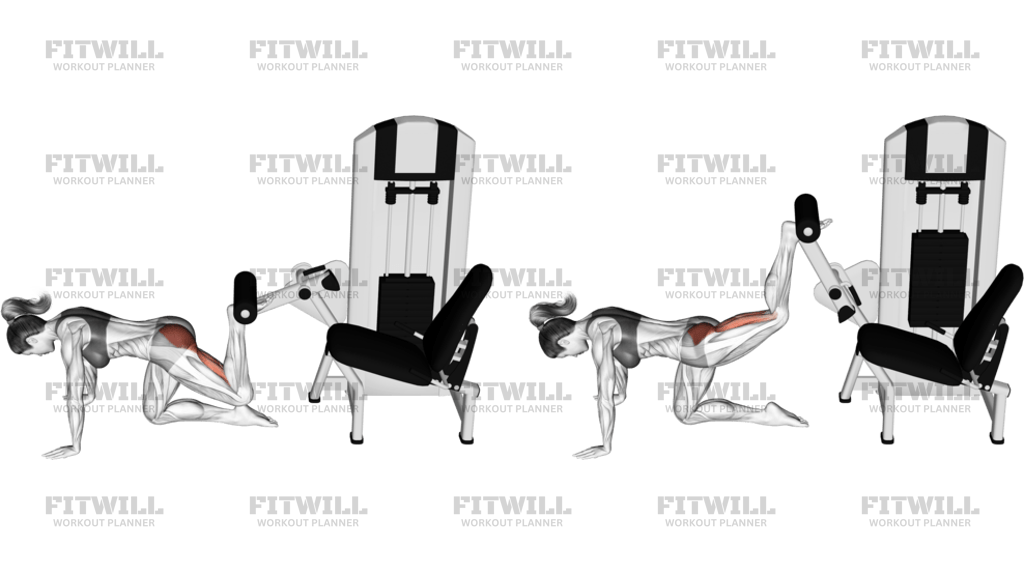
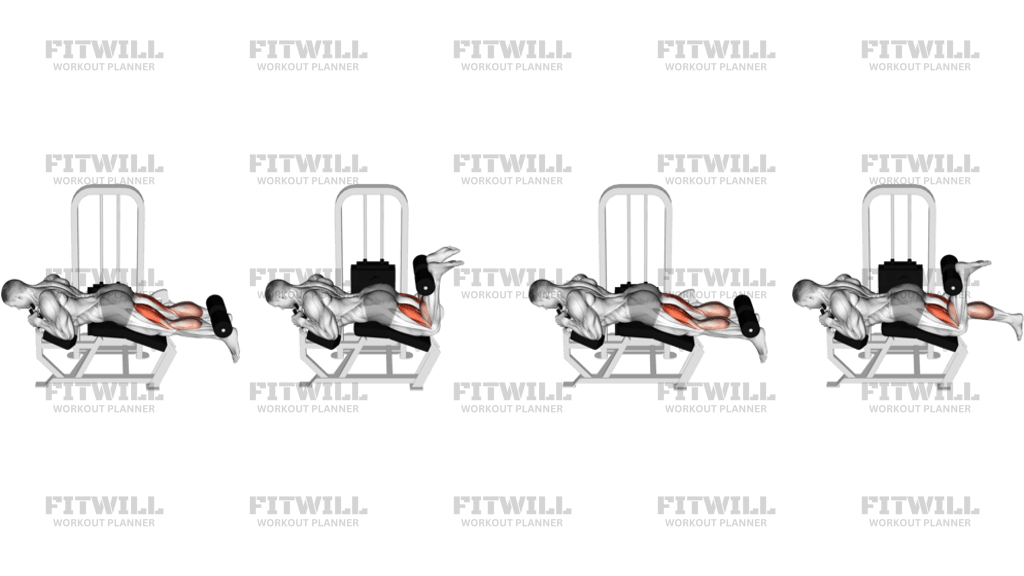
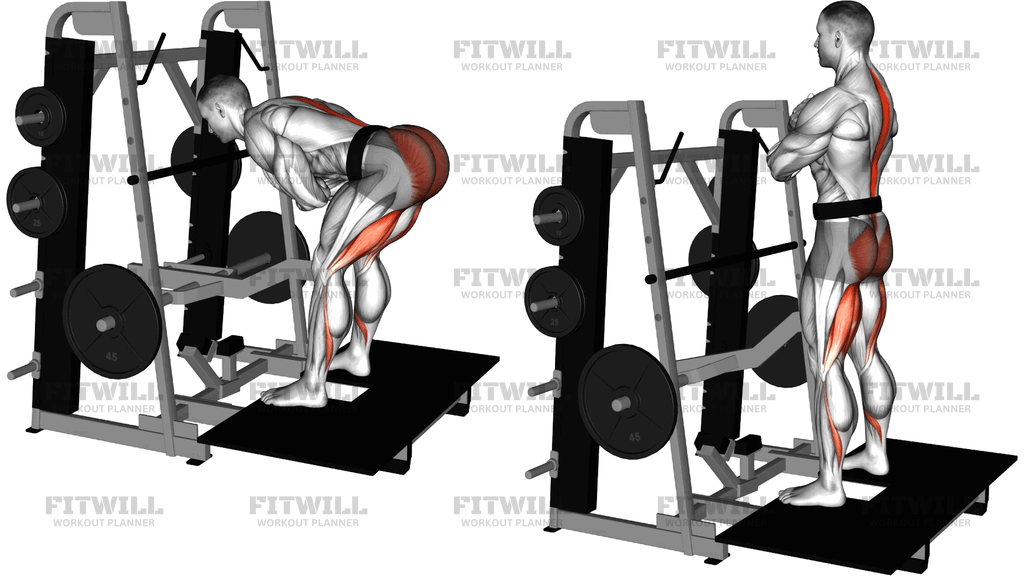
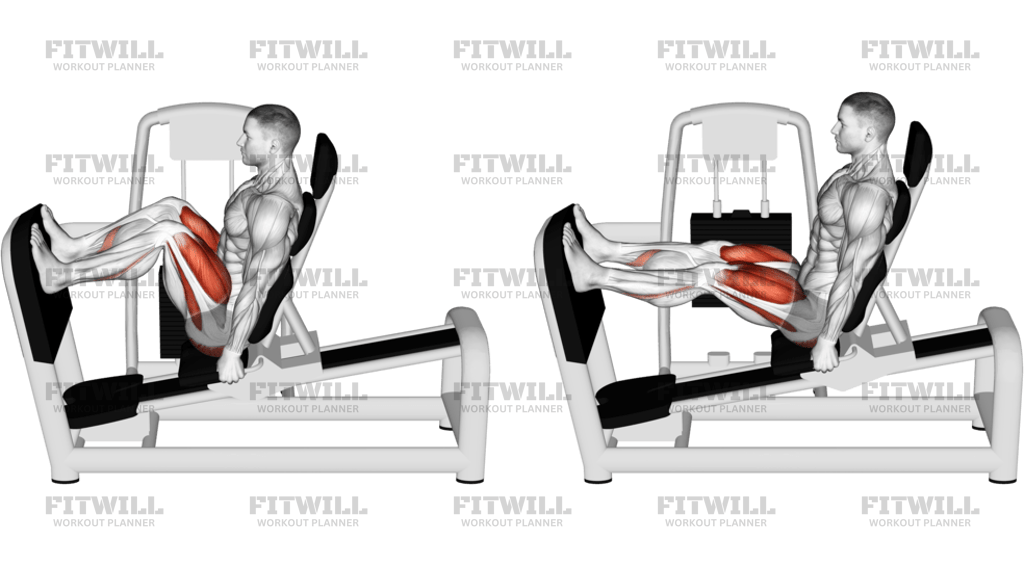
Lever Seated Leg Press Version 2 is a machine-based lower-body press that lets you train the legs and hips while your back stays supported against the seat. The image shows a seated leverage leg press with the feet placed high on the platform, which usually shifts more of the work toward the glutes and hamstrings while the quads still contribute strongly on every rep. It is a useful strength exercise when you want a guided pressing pattern without having to balance a free weight.
The setup matters because seat distance, back support, and foot placement decide which joints move most and how much range you can use. In Lever Seated Leg Press Version 2, the torso should stay anchored to the pad, the hips should stay heavy in the seat, and the feet should press evenly through the whole platform contact point. If the seat is too close, the knees can fold too deeply; if it is too far away, you may shorten the range and lose tension at the bottom.
This exercise trains hip and knee extension together, so it is valuable for building lower-body strength without the same balance demands as standing squats or lunges. The glutes are the primary focus here, with the hamstrings, quads, core, and lower back helping to stabilize the torso and control the sled. Because the motion is guided by the machine, the goal is not to bounce the weight but to press smoothly and keep the same body shape from the first repetition to the last.
A clean repetition starts with a firm back and pelvis and ends with the knees nearly extended without snapping them into lockout. Lower the platform under control until the thighs come back toward the torso as far as your hips can tolerate without the pelvis rolling off the pad. Press through the heels and midfoot, keep the knees tracking in line with the toes, and exhale as you drive the sled away. That controlled path is what makes the exercise effective for strength and hypertrophy rather than just moving weight.
Lever Seated Leg Press Version 2 fits well in a leg day, glute-focused session, or accessory block after a squat or hinge movement. It can also work well for lifters who want a machine option that is easier to load progressively while still keeping the target muscles under tension. Use a range that stays pain-free at the knees and hips, and reduce the load if the lower back starts to round, the pelvis lifts, or the sled only moves because you are bouncing out of the bottom.
Fitwill
Log Workouts, Track Progress & Build Strength.
Achieve more with Fitwill: explore over 9600 exercises with images and videos, access built-in and custom workouts, perfect for both gym and home sessions, and see real results.
Start your journey. Download today!




Instructions
- Sit in the leverage leg press with your back and head against the pad and place your feet high and about shoulder-width on the platform.
- Adjust your hips so they stay down in the seat and bend your knees enough that your thighs can travel toward your torso without your lower back peeling off the pad.
- Grip the side handles or seat handles firmly, keep your chest quiet, and set your feet so pressure stays through the heels and midfoot.
- Unlock the sled and lower it slowly by bending your knees and hips until you feel a deep, controlled stretch in the glutes and hamstrings.
- Keep your knees tracking in line with your toes and avoid letting them collapse inward as the platform comes down.
- Press the platform away by driving through your heels and midfoot until your legs are mostly straight.
- Finish the rep without snapping the knees hard into lockout or letting the pelvis lift off the seat.
- Inhale on the way down, exhale as you press up, and keep the same smooth tempo for every repetition.
- After the last rep, guide the sled back to the starting hooks and release it only when it is fully supported.
Tips & Tricks
- A higher foot placement usually shifts more emphasis to the glutes and hamstrings; lower foot placement tends to bias the quads more.
- If your hips tuck under at the bottom, shorten the range before your lower back rounds off the seat.
- Keep pressure spread across the heels and big toe side so the platform does not drift toward the toes.
- Do not let the knees cave inward as you press; think about pushing them in the same line as the second toe.
- Use a controlled bottom position instead of bouncing the sled, especially if the machine has a lot of travel.
- Stop just short of hard knee lockout so the glutes stay loaded and the joint is not slammed at the top.
- If the weight feels like it shifts you forward in the seat, lower the load and reset the back pad distance.
- A slow lowering phase makes this exercise much more effective than chasing heavy, short-range reps.
Frequently Asked Questions
What muscles does Lever Seated Leg Press Version 2 work?
It mainly trains the glutes and hamstrings, with the quads, adductors, and core helping to control the press.
Is Lever Seated Leg Press Version 2 good for beginners?
Yes. The machine path makes it easier to learn than a free squat, as long as you start with a light load and learn the seat and foot position first.
Where should my feet go on Lever Seated Leg Press Version 2?
The image shows a higher foot placement on the platform, which usually keeps more work on the hips and posterior chain. Keep your feet about shoulder-width apart and press through the heels and midfoot.
How deep should I lower the sled?
Lower it only as far as you can while keeping your hips in the seat and your lower back from rounding. Depth should come from control, not from forcing the knees into your chest.
Should my knees lock out at the top?
No. Finish with strong but soft knees so you keep tension on the legs and avoid slamming the joints into full lockout.
Why does my lower back lift during this press?
That usually means the sled is coming too far down for your hip mobility or the seat is set too close. Shorten the range or adjust the machine before adding load.
Is Lever Seated Leg Press Version 2 a replacement for squats?
It is a useful lower-body strength exercise, but it is not the same as squatting because the machine removes balance and trunk demand.
What should I do if my knees hurt on this machine?
Reduce the range, check that your knees track with your toes, and make sure the sled is not dropping too deep before the pelvis stays anchored.