Lying Leg Tuck Hip Back Stretch
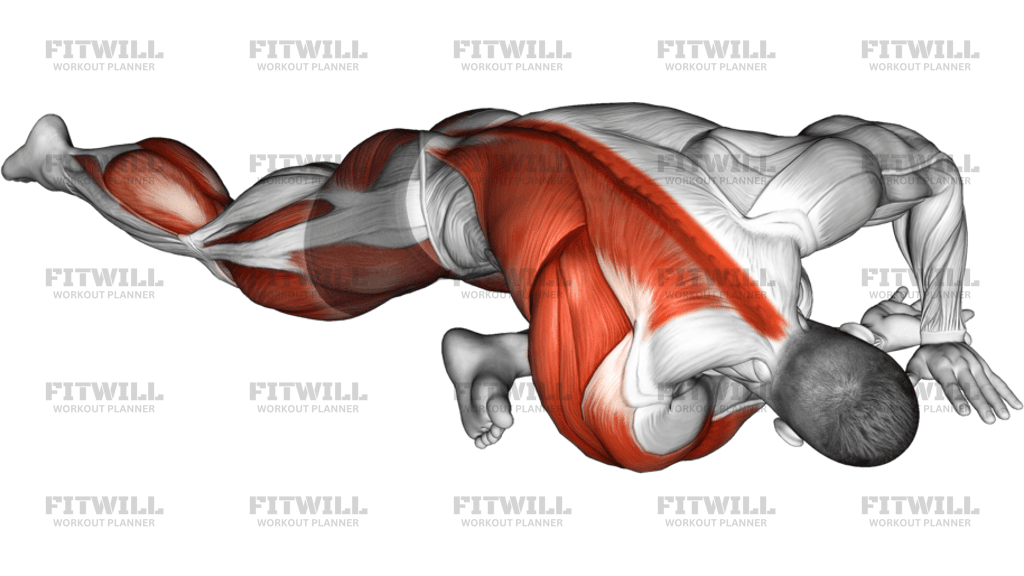
Lying Leg Tuck Hip Back Stretch is a floor mobility drill for opening the hip, glute, and inner-thigh line while the shoulders and hands help support and steady the body. The setup matters because this stretch only works cleanly when the tucked leg, long leg, and torso are arranged so the hips can slide back without twisting or dumping into the lower back. It is best treated as a controlled mobility repetition, not a passive collapse into the floor.
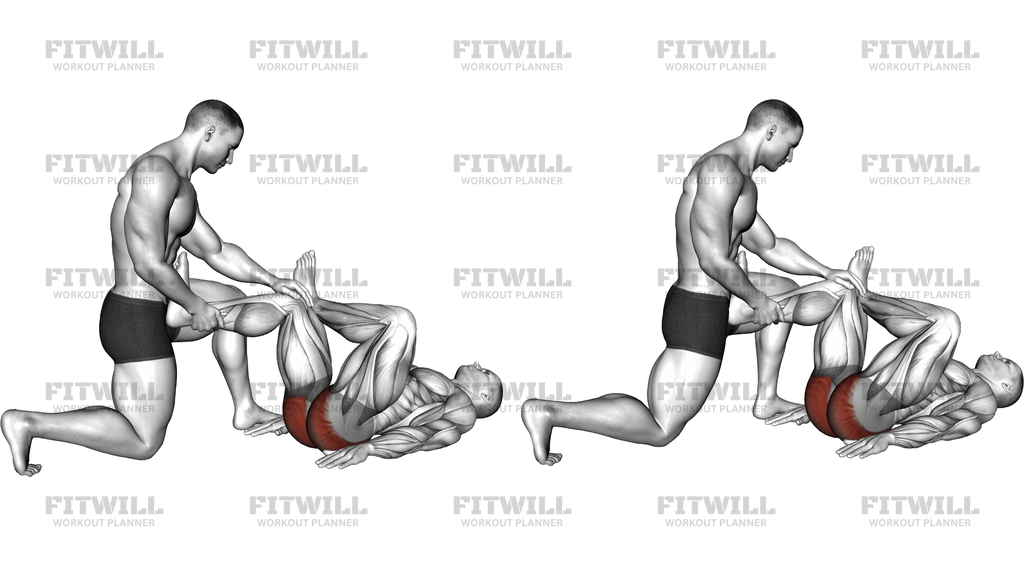
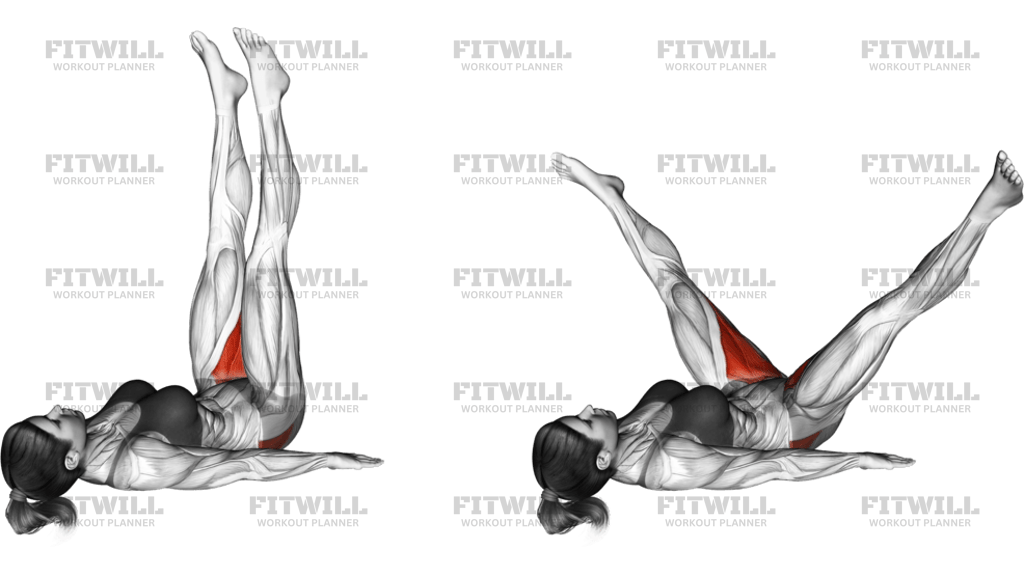
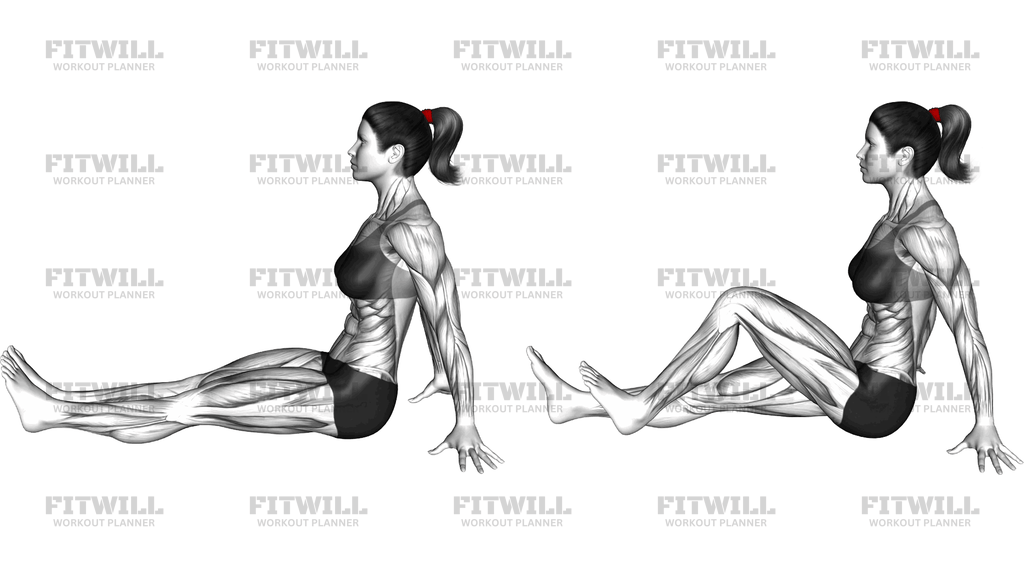
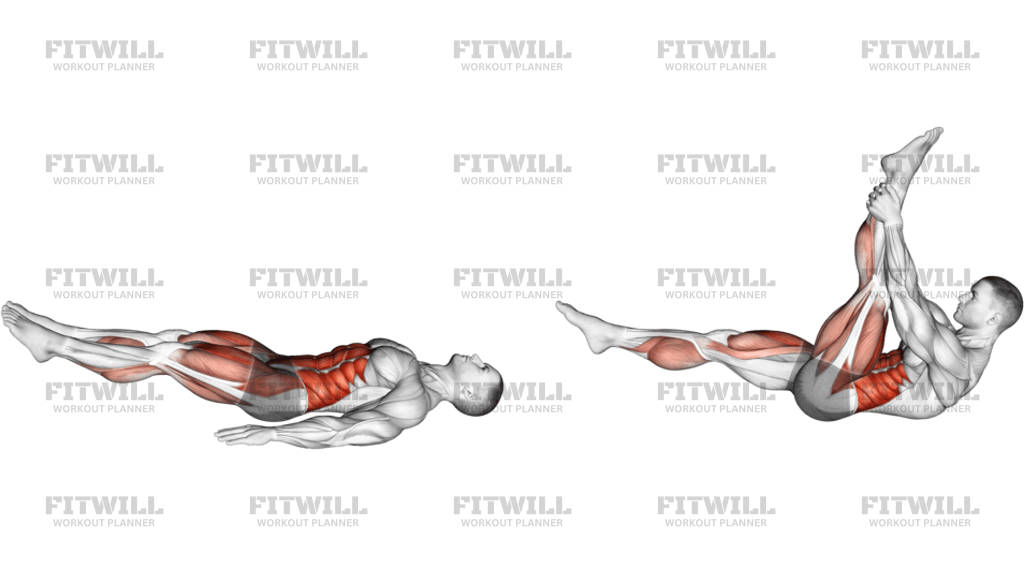
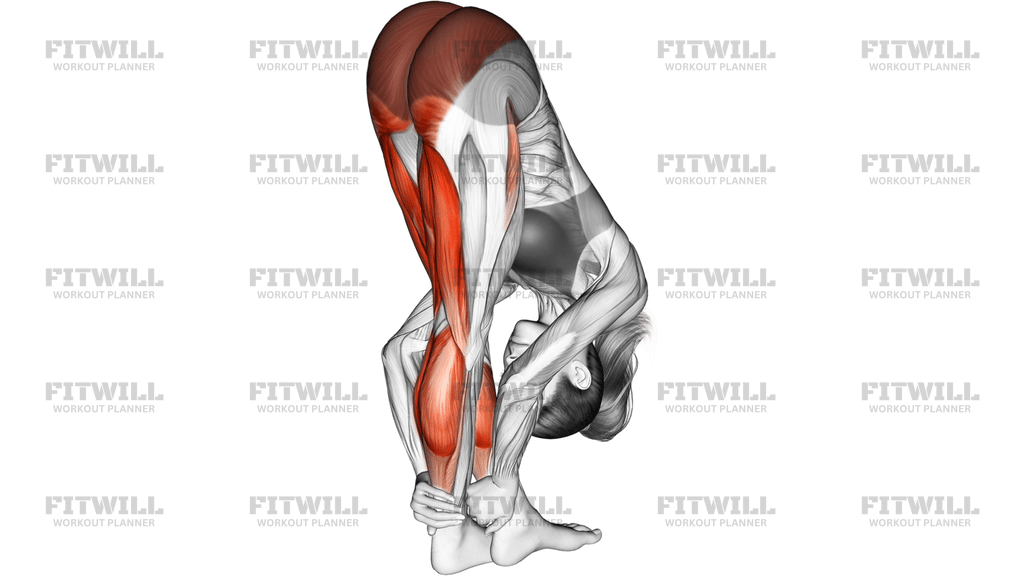
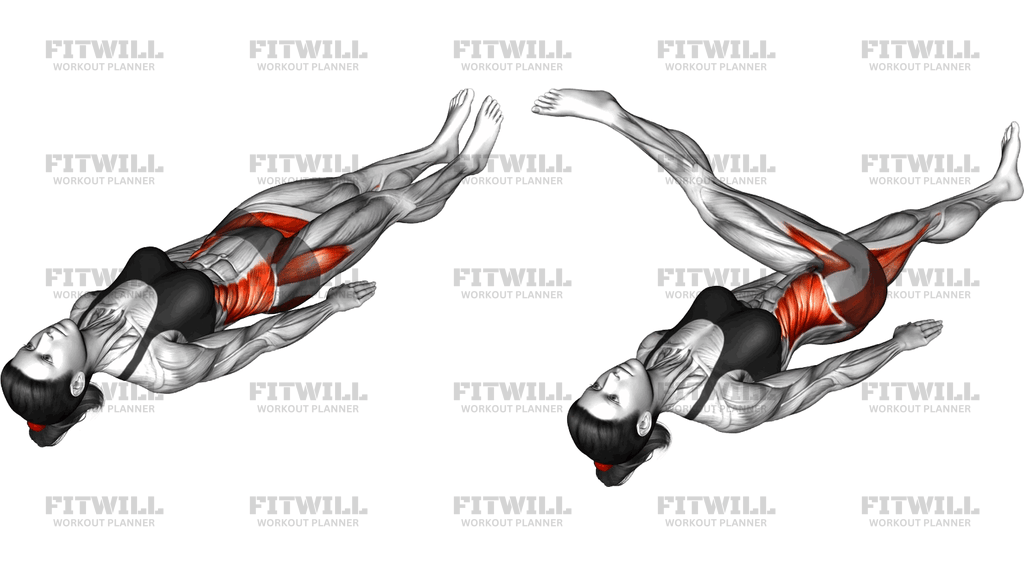
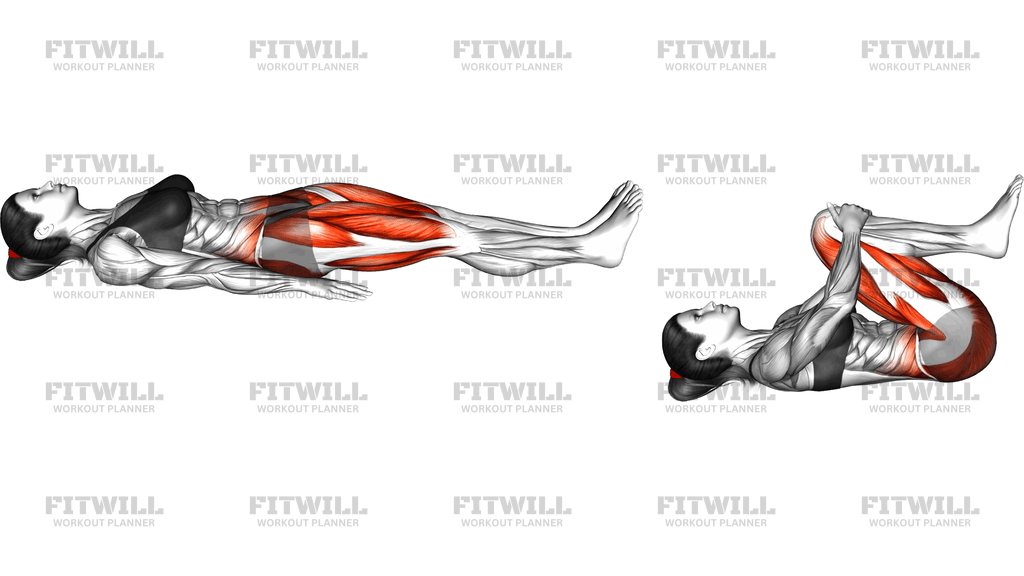
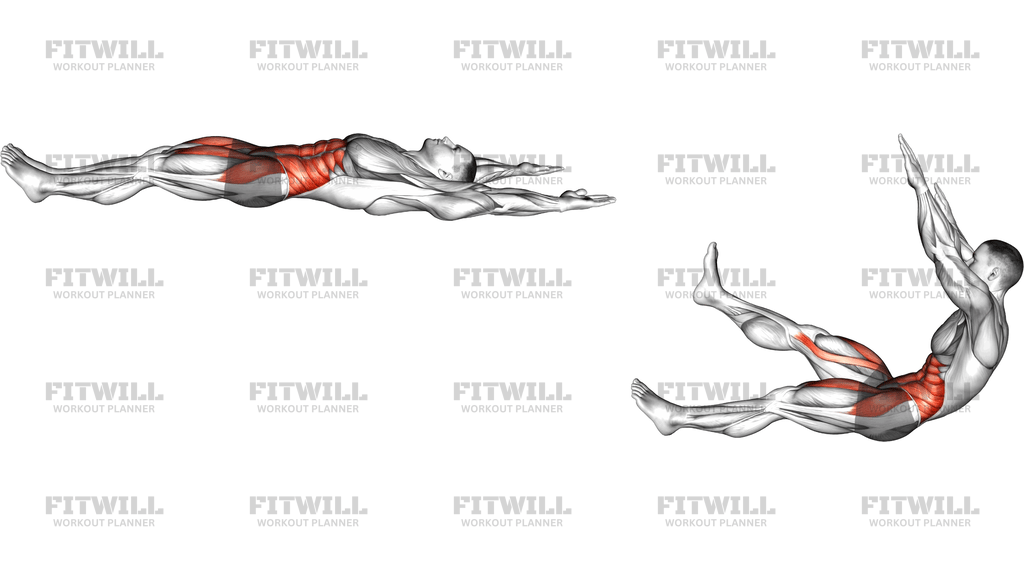
The image shows a low, mat-based position with the torso close to the ground, both hands bracing, one leg tucked tightly under the body, and the other leg extended back. That setup places the stretch where many people need it most: around the front of the hip, the outside of the glute, and the adductor line of the tucked side. As the hips travel back, the goal is to keep the chest long, the ribs quiet, and the pelvis organized so the stretch stays in the target area instead of shifting into the low back or shoulders.
This movement is useful in warm-ups, mobility circuits, recovery work, or as a reset between harder lower-body lifts. It can help prepare the hips for squats, lunges, crawling patterns, and floor transitions by teaching the body how to find range without speed. Because the position uses body weight and the hands for support, the exercise also exposes side-to-side differences very quickly; one side may feel tight, pinchy, or much more limited than the other.
Quality matters more than depth. Slide or shift into the range gradually, hold long enough to feel the stretch settle, then return with control before repeating or switching sides. Do not force the tucked knee farther than the hips can follow, and do not chase a bigger stretch by letting the spine round hard or the shoulders collapse. The clean version feels steady, deliberate, and repeatable, with the breath helping the body relax into the position instead of bracing against it.
[ Workout Log & Planner ]
Put your next workout in Fitwill
Keep your plan and training log ready when you are.


Instructions
- Start on a mat with both palms under your shoulders, one knee tucked under your torso, and the other leg extended back with the toes lightly on the floor.
- Keep your chest low, your neck long, and your ribs stacked so the torso stays steady before you move.
- Plant both hands firmly and shift your hips back toward the heel of the extended leg until you feel a clear stretch in the tucked side.
- Let the tucked knee stay close to the floor and avoid forcing it farther forward than your hips can follow.
- Keep the extended leg long behind you and let the back hip open without arching your lower back.
- Breathe out slowly as you settle into the end range, then hold the stretch without bouncing.
- Return forward with control until the pressure eases, then repeat the same side if prescribed.
- Switch sides and match the same range, tempo, and breath on the other hip.
Tips & Tricks
- A small shift back is usually enough; this stretch should feel like opening, not cranking the knee deeper.
- Keep pressure even through both hands so the shoulders do not dump toward the tucked side.
- If the low back takes over, shorten the range and keep the ribs lower.
- A slow exhale often lets the hip settle farther than pushing harder with the arms.
- Pad the tucked knee if the floor feels sharp or the joint starts to ache.
- Do not let the extended leg turn out aggressively if you want the stretch to stay in the hip line.
- If one side feels blocked, pause there for a few breaths instead of forcing a bigger shift.
- Keep the movement smooth and avoid bouncing in and out of the end position.
Frequently Asked Questions
What does Lying Leg Tuck Hip Back Stretch stretch the most?
It primarily targets the front and outer hip on the tucked side, with help from the glute and inner-thigh area depending on your setup.
Why do my arms work during this stretch?
Your hands are supporting part of your body weight, so the shoulders and triceps stabilize the position while the hips move back.
Should I keep the tucked knee close to the floor or lift it?
Keep it as low and relaxed as your mobility allows, but do not force it into pain or collapse into the joint.
How far back should I shift my hips?
Only until you feel a clear stretch in the target hip area while your spine stays controlled and your breathing stays smooth.
Is this a good warm-up before squats or lunges?
Yes. It works well when you need hip opening and a quick reset before lower-body training.
What is the most common form mistake?
People usually push too far and let the lower back or shoulders take over instead of keeping the stretch in the hip.
Can I stay on one side if it feels tighter?
Yes, but only for a few controlled breaths. Then switch sides so you do not overload one hip or twist the torso.
What should I do if the kneeling side feels uncomfortable?
Use padding under the knee, shorten the range, and keep more weight in your hands until the position feels stable.