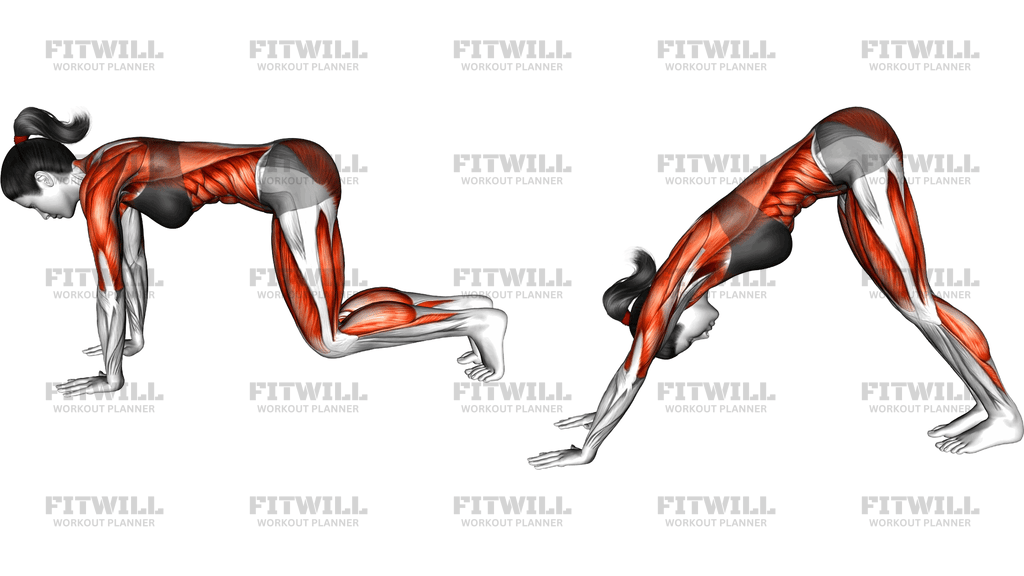
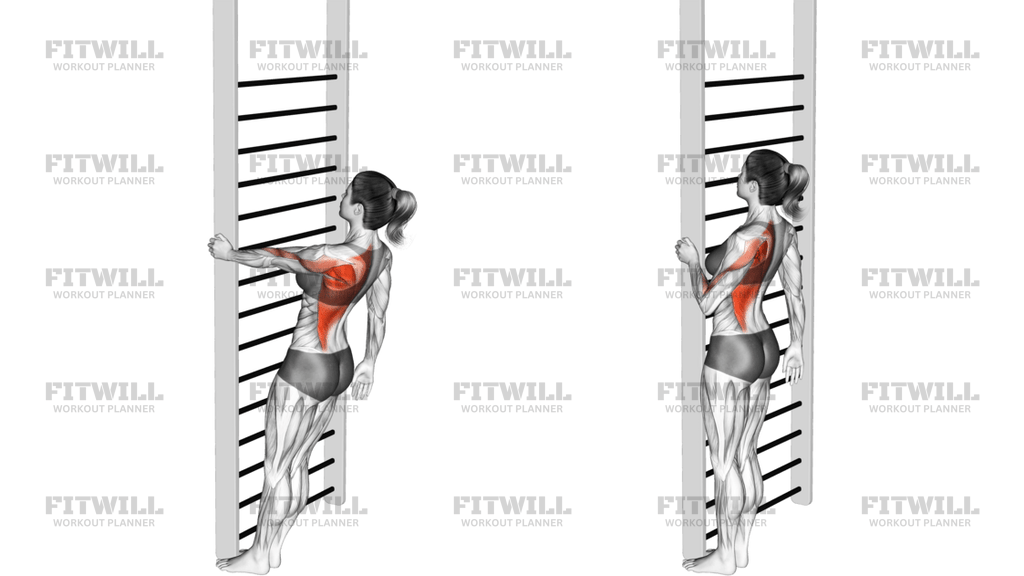
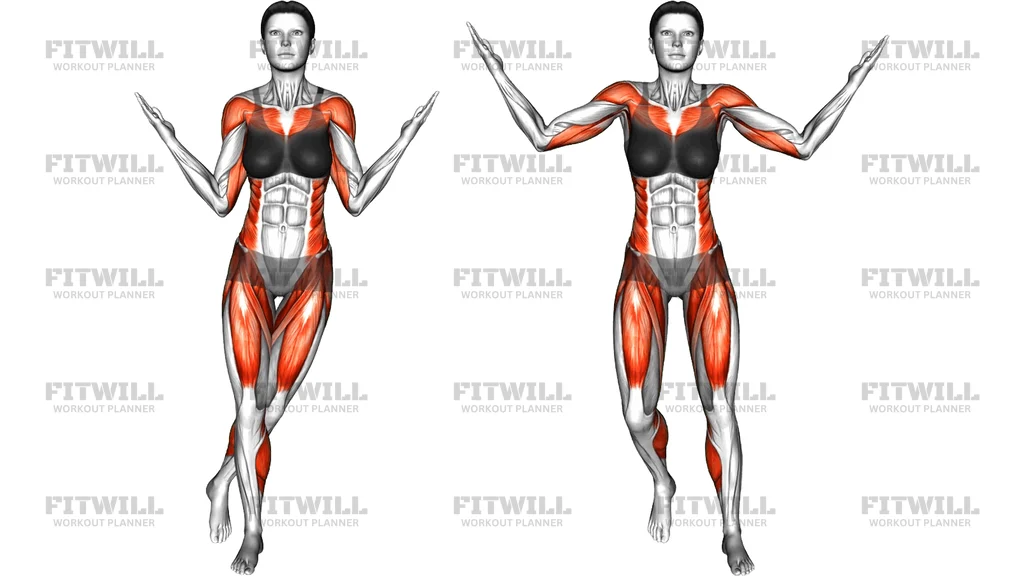
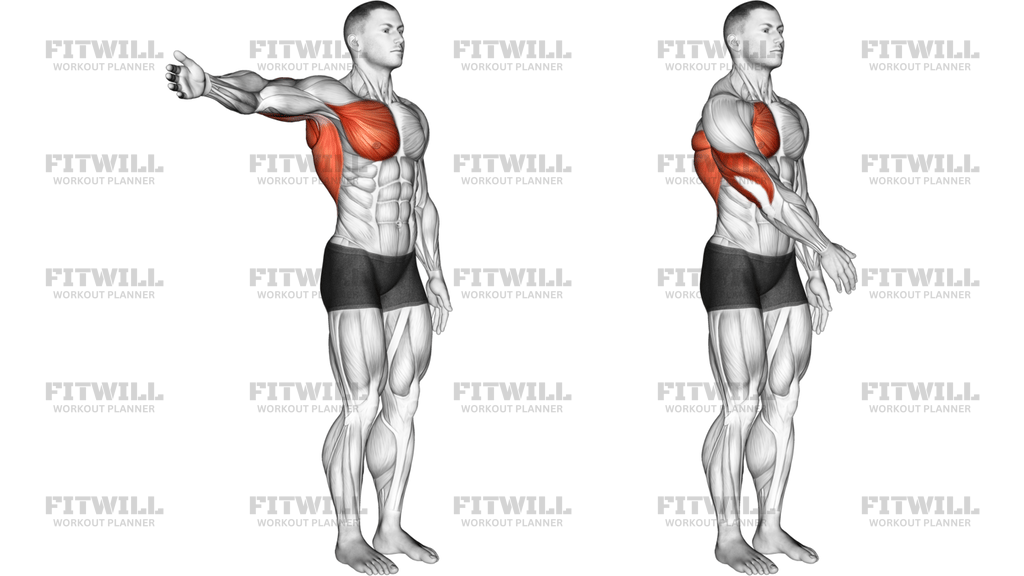
Self Assisted Inverted Pullover
Self Assisted Inverted Pullover is a bench-assisted bodyweight drill that teaches you to control an inverted body line from the floor instead of swinging through it. The bench gives you a fixed handhold so you can create leverage while the trunk, hips, and shoulder girdle stay organized. It is useful when you want a controlled pulling-or-bracing pattern that still feels athletic and challenging.
The main training effect comes from the lats and upper back helping to stabilize the shoulder position while the abs and hip flexors drive the body into the inverted position. That combination matters because the exercise only works well when the ribs stay down, the pelvis stays tucked, and the shoulders do not shrug. If the setup is loose, the movement turns into a jerk from the arms and lower back instead of a clean body raise.
Start by lying on your back beside a flat bench with your head and shoulders close enough to grip the edge or front leg securely with both hands. Keep your legs long at first, then set your ribcage down and brace as if you were starting a hollow-body hold. The bench should feel like an anchor, not something you are yanking on for momentum.
From there, lift the lower body by curling the pelvis upward and bringing the legs into the inverted position under control. Keep the motion smooth, avoid kicking off the floor, and let the rep finish only when the hips are fully organized and the line is stacked. Lower slowly until the heels hover or lightly touch down, then reset before the next repetition.
This exercise works well as accessory work in a core block, light pulling session, or bodyweight conditioning circuit, especially if you want a lower-load option that still challenges control. Beginners can use a smaller range and a slight knee bend to keep the rep smooth. If the neck tightens, the shoulders shrug, or the low back starts to arch, shorten the range immediately and keep the finish cleaner rather than chasing extra height.
[ Workout Log & Planner ]
Put your next workout in Fitwill
Keep your plan and training log ready when you are.


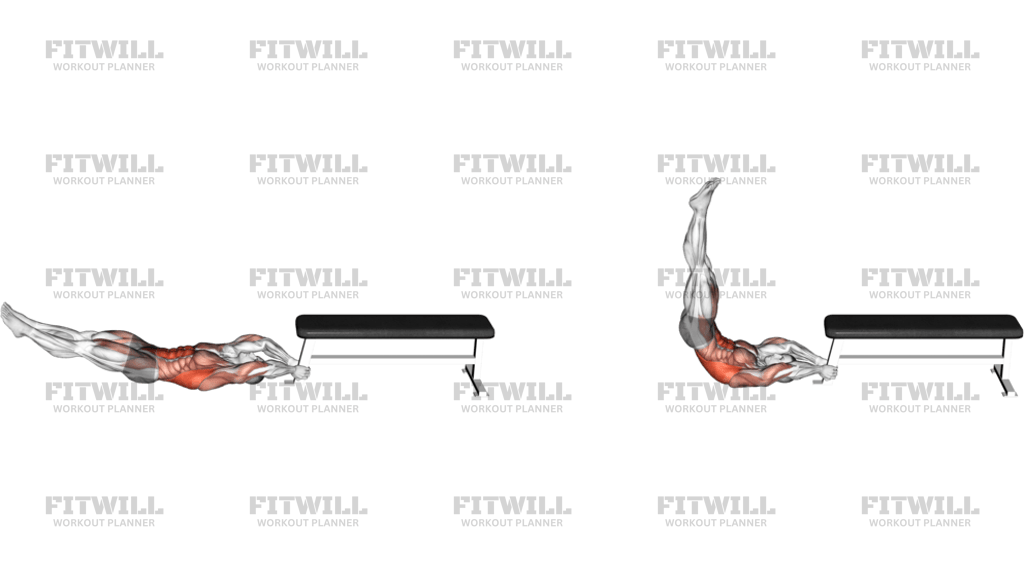
Instructions
- Lie on your back next to a flat bench and grip the near edge or front leg with both hands for a fixed anchor.
- Keep your head, shoulders, and upper back close to the bench while your legs extend long on the floor.
- Set your ribcage down, tuck your pelvis slightly, and brace before the first rep so your low back stays quiet.
- Start the raise by lifting both legs together and curling the pelvis upward instead of kicking through the movement.
- Bring the legs toward the inverted position until the hips are stacked and the body line feels controlled.
- Squeeze your abs at the top without shrugging the shoulders or pulling hard enough to lose the anchor.
- Lower the legs slowly under control until the heels hover or lightly touch the floor again.
- Reset your brace and grip before the next rep, then release the bench only after the set is complete.
Tips & Tricks
- Treat the bench like a brace point, not a pull-up handle; the arms should stabilize, not jerk you upward.
- A small knee bend makes the inversion smoother if straight legs pull your pelvis out of position.
- Keep the lower ribs tucked down; once they flare, the lift usually shifts into the low back.
- If your shoulders creep toward your ears, move closer to the bench and shorten the range.
- Exhale as the legs rise to help keep the pelvis curled and the trunk compact.
- Lowering the legs slowly matters more here than forcing a higher finish position.
- Use a non-slip floor or mat so the body does not slide away from the bench mid-rep.
- Stop the set when the grip starts to loosen or the hips stop stacking cleanly over the torso.
Frequently Asked Questions
What muscles does Self Assisted Inverted Pullover work most?
The main work comes from the abs and hip flexors, with the lats, upper back, forearms, and shoulders helping you stay controlled on the bench.
Why do I need a bench for Self Assisted Inverted Pullover?
The bench gives you a fixed handhold so you can create leverage and control the inversion without needing a hanging bar.
Should my legs stay straight the whole time?
Straight legs make the movement harder, but a slight knee bend is a good way to keep the pelvis tucked and the rep smooth.
Is Self Assisted Inverted Pullover good for beginners?
Yes, if you keep the range small and avoid swinging. Beginners usually do better with bent knees and a slower lowering phase.
Where should I feel the exercise?
You should feel the lower abs and hip flexors doing most of the work, with the shoulders and forearms mainly acting as support.
What is the most common mistake in this movement?
Most people either yank on the bench or arch the low back as the legs rise, which takes tension away from the trunk.
How should I breathe during Self Assisted Inverted Pullover?
Exhale as the legs rise and keep the torso braced, then inhale on the controlled way down before the next rep.
How can I make this exercise harder without adding weight?
Keep the legs straighter, slow the lowering phase, or hold the top position a little longer once the body line is stacked.