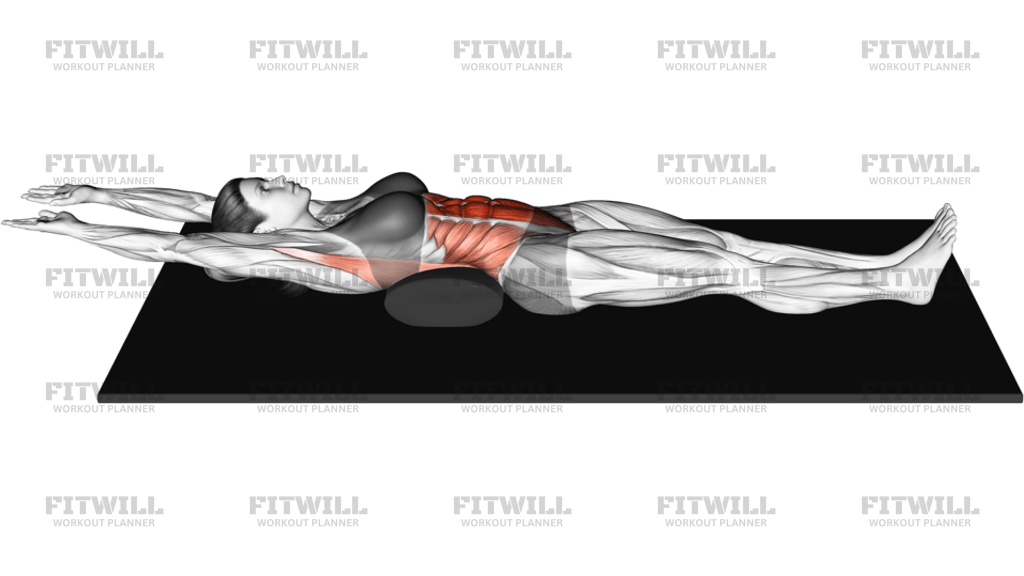
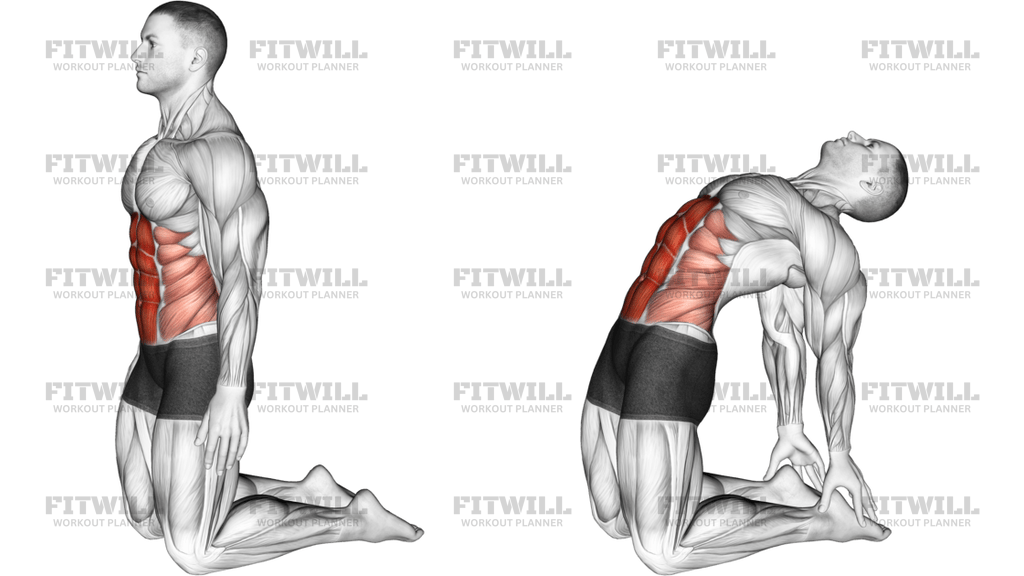
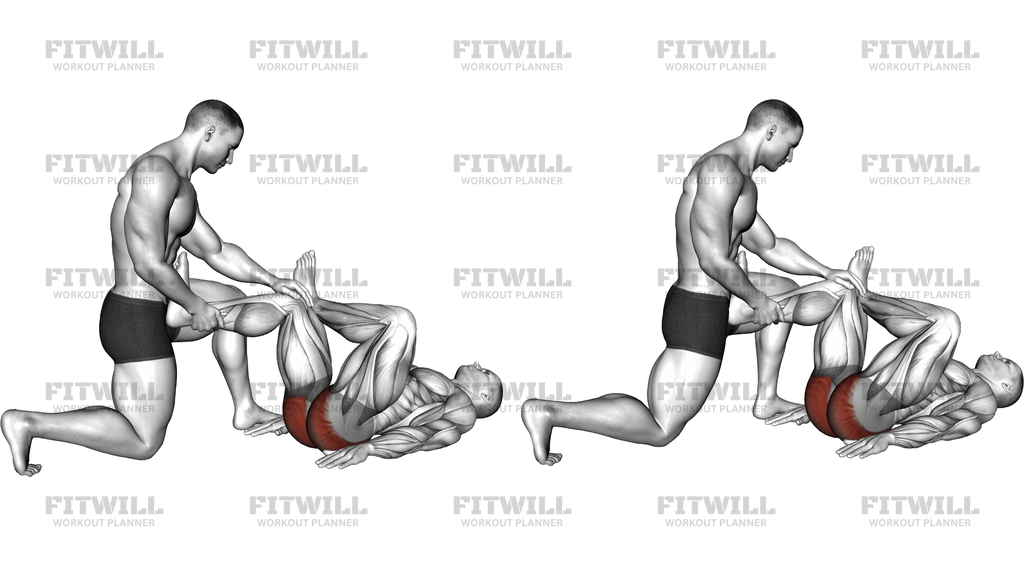
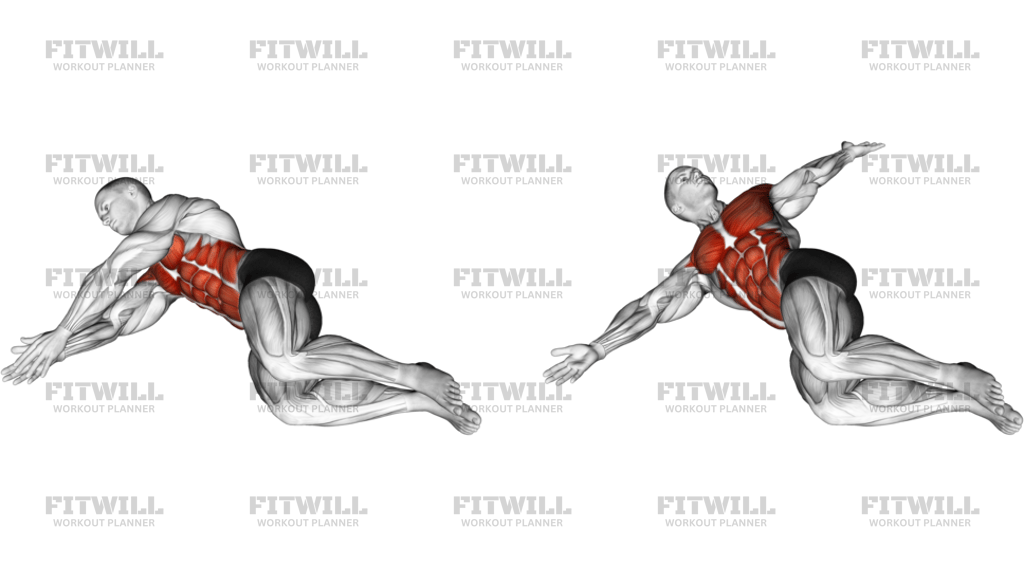
Spine Backbend Stretch
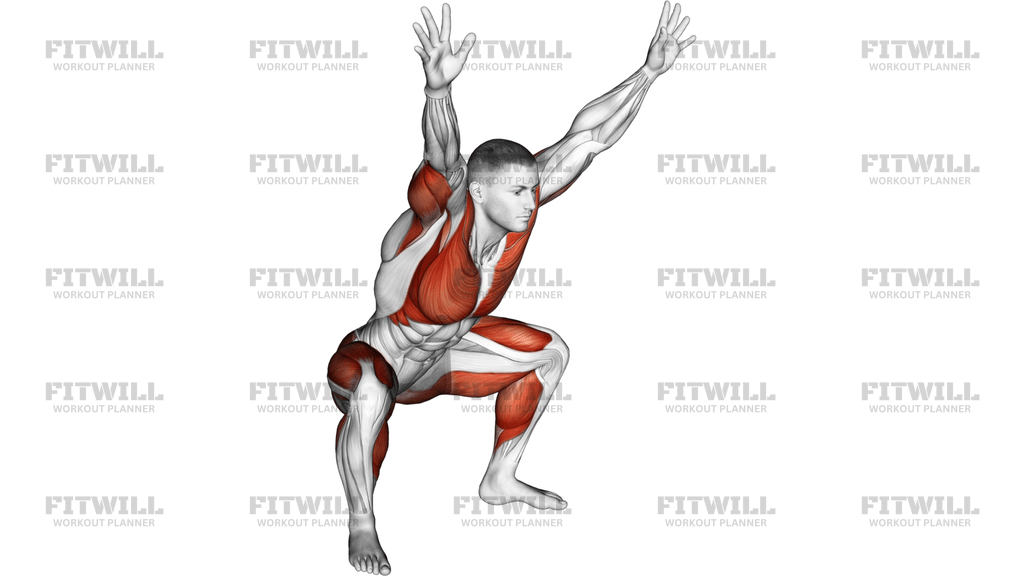
Spine Backbend Stretch is a standing spinal mobility drill that opens the front of the body while teaching you how to extend the spine without collapsing into the low back. In the pictured variation, you stay tall, lift the arms overhead, and lean into a small backbend with the feet grounded and the ribs under control. The goal is not to chase a huge arch; it is to create a smooth, repeatable extension that feels balanced from the ankles through the hips and all the way up through the chest and upper back.
This stretch is useful when your torso feels stiff from sitting, pressing, overhead work, or any training that leaves the front of the body shortened. It can help mobilize the thoracic spine, lengthen the abdominal wall, and create a gentle opening through the hip flexors and lower ribs. Because the movement is simple, the setup matters a lot: if the pelvis tips forward too aggressively or the chest flares uncontrollably, the stretch turns into a low-back jam instead of a controlled backbend.
Start by stacking your body first. Plant both feet, keep a soft bend in the knees, and brace lightly so the pelvis and ribcage stay organized. Reach the arms overhead or place the hands in the pictured position, then grow tall before you lean back. The backbend should build gradually from the upper spine and chest while the glutes stay lightly engaged and the neck stays long. That combination helps you distribute the stretch instead of dumping all of the motion into one irritated segment.
Treat each repetition like a careful mobility rep rather than a forced pose. Breathe into the ribs, pause only as long as the position stays comfortable, and return by stacking the ribs over the pelvis before you reset. If you feel pinching in the low back, a jammed neck, or a sharp pull in the front of the hips, reduce the range immediately. Spine Backbend Stretch works best as warm-up, recovery, or a light accessory drill when the goal is better posture, cleaner spinal extension, and a more open front line of the body.
Fitwill
Log Workouts, Track Progress & Build Strength.
Achieve more with Fitwill: explore over 9600 exercises with images and videos, access built-in and custom workouts, perfect for both gym and home sessions, and see real results.
Start your journey. Download today!




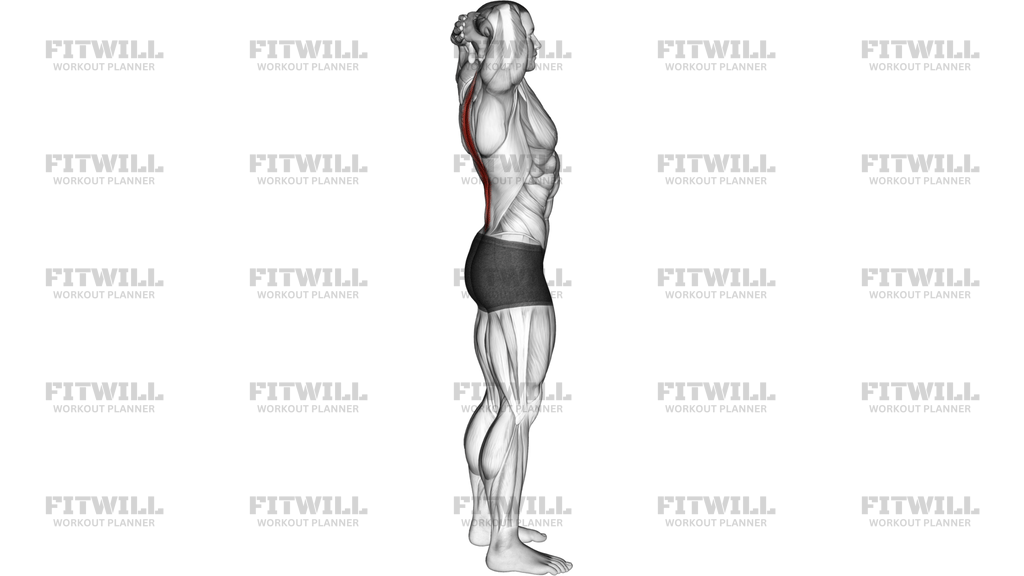
Instructions
- Stand tall with both feet flat on the floor, about hip-width apart, and keep your weight centered over the middle of each foot.
- Keep a soft bend in the knees and stack your ribs over your pelvis before you begin the stretch.
- Reach the arms overhead, or use the pictured hand position, so the shoulders are set without shrugging hard.
- Lightly squeeze the glutes and brace just enough to stop your lower back from taking over the movement.
- Lift the chest and sternum first, then lean back a few inches to create a smooth spine backbend.
- Let the motion spread through the upper back and mid-back instead of hinging only at the low back.
- Breathe into the ribs while you hold the end position for a brief, pain-free pause.
- Return by stacking the ribs back over the pelvis before you lower the arms and reset.
- Repeat with the same controlled range on each rep instead of chasing a deeper arch.
Tips & Tricks
- Keep the backbend small at first; this drill should feel like controlled opening, not a max pose.
- A light glute squeeze helps keep the pelvis from dumping forward and protects the low back.
- If your shoulders are tight, separate the hands slightly or lower the arms a bit so the chest can open without strain.
- Think about lengthening through the crown of the head before you lean back.
- Do not throw the head behind you; keep the neck long and let the upper chest lead the arc.
- If you feel a pinch in the lumbar spine, reduce the range and make the ribs stay quieter.
- Keep both heels planted so the stretch stays balanced instead of shifting you onto your toes.
- Exhale as you settle into the backbend, then inhale into the side ribs to keep the torso open.
- This works better as a smooth mobility rep than as a long, aggressive hold.
Frequently Asked Questions
What does Spine Backbend Stretch target most?
It mainly opens the front of the torso and mobilizes the spinal extension pattern, with the chest, abdominal wall, thoracic spine, and hip flexors all contributing.
Is this the same as a cobra stretch?
No. Cobra is done face down, while this version is a standing backbend with the feet planted and the spine extending upward and back.
How far should I lean back?
Only as far as you can keep the movement smooth and pain-free. The stretch should feel like a gentle arc, not a hard compression in the low back.
Should my knees stay straight?
Soft knees are usually better. Locking the knees can push the pelvis forward and make it harder to control the backbend.
Where should I feel the stretch?
You should feel it through the front of the torso and along the spine, with some opening in the hips or hip flexors if you keep the pelvis organized.
Can beginners do this safely?
Yes, if they keep the range small, keep the glutes lightly on, and stop before the low back starts to pinch.
What is the most common mistake?
Dumping all of the motion into the lumbar spine and flaring the ribs instead of spreading the backbend through the whole torso.
When should I use this stretch?
It fits well in a warm-up, between mobility drills, or after long periods of sitting when the front line of the body feels tight.