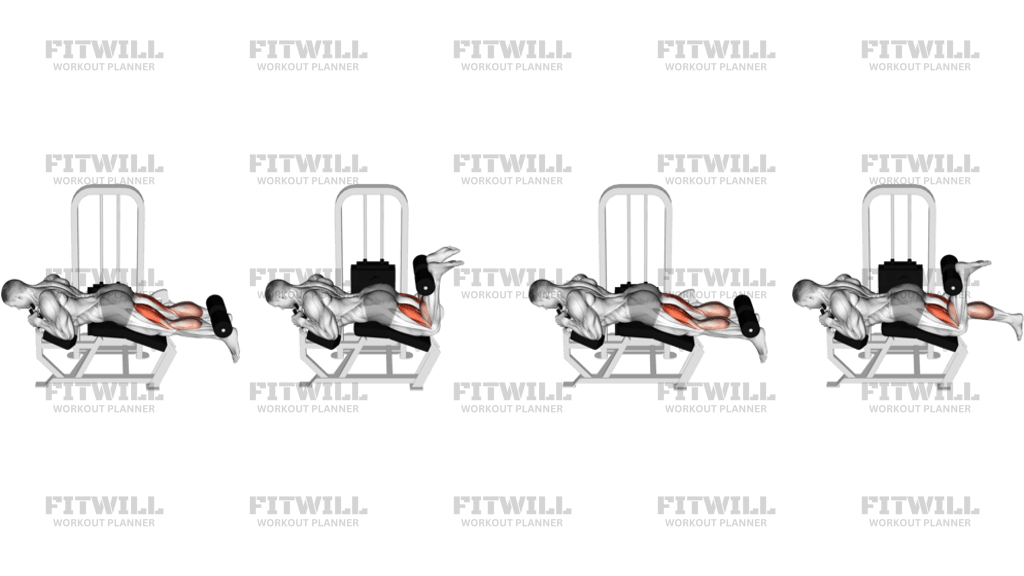
Lever Kneeling Leg Curl Plate Loaded
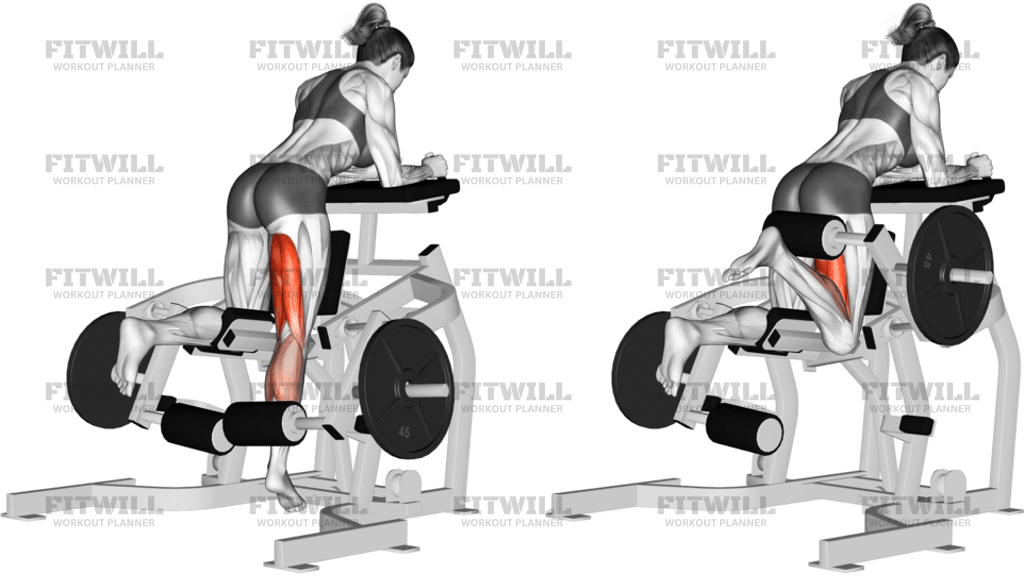
Lever Kneeling Leg Curl Plate Loaded is a plate-loaded hamstring machine exercise built around knee flexion against a lever arm. You lie face down with your chest and forearms supported, one thigh and knee anchored on the pad, and the working ankle hooked under the lower roller so the machine can isolate the curl without much help from the hips or lower back.
The main target is the hamstrings, especially because the movement starts from a long muscle position and finishes in a strong shortened squeeze. The glutes and core help keep the pelvis steady, but the machine should do most of the work. That is why the setup matters so much: if your hips drift, your lower back arches, or the roller sits too high or too low on the leg, the tension shifts away from the hamstrings.
A good rep begins with the knee aligned to the machine's pivot and the ankle pad sitting just above the heel and low calf. Keep your chest heavy on the upper pad, press your forearms into the support, and square both hips before you move. From there, curl the heel toward the glute in a smooth arc, then control the return until the leg is almost straight again without letting the stack slam down.
This exercise is useful as a focused accessory after squats, deadlifts, lunges, or hip hinges, or any time you want direct hamstring work without the fatigue of standing balance demands. It can help build strength, size, and better hamstring control for sprinting, jumping, and posterior-chain training. Because the lever path is fixed, you can keep the tension consistent and compare sides more easily than with many free-weight curl variations.
Use a load that lets you keep the pelvis down and the torso still through every rep. If the pad lifts your hips, the machine feels cramped at the bottom, or you have to kick or swing to finish the curl, the weight is too heavy or the seat position is off. The safest and most productive reps are the ones where the hamstrings stay loaded all the way through the lowering phase and the machine moves in a clean, controlled line.
Fitwill
Log Workouts, Track Progress & Build Strength.
Achieve more with Fitwill: explore over 9600 exercises with images and videos, access built-in and custom workouts, perfect for both gym and home sessions, and see real results.
Start your journey. Download today!




Instructions
- Adjust the chest pad, knee support, and ankle roller so your working knee lines up with the machine pivot and the roller sits just above the heel.
- Lie face down on the upper pad and plant your chest and forearms so your torso stays heavy and stable.
- Secure the non-working leg on the support and keep both hips square to the machine.
- Start with the working leg extended until you feel a comfortable hamstring stretch, not a pull in the lower back.
- Brace your midsection and curl the heel toward your glute in a smooth arc.
- Keep the thigh pressed into the pad so the hips do not lift as the knee bends.
- Pause briefly near the top and squeeze the hamstrings without twisting the pelvis.
- Lower the weight slowly until the leg is almost straight again, keeping tension on the machine.
- Reset your position before the next rep if the roller shifts or your body starts to slide.
Tips & Tricks
- Set the roller low enough that it catches the lower calf or just above the heel; if it rides up the leg, the curl usually feels weaker and less stable.
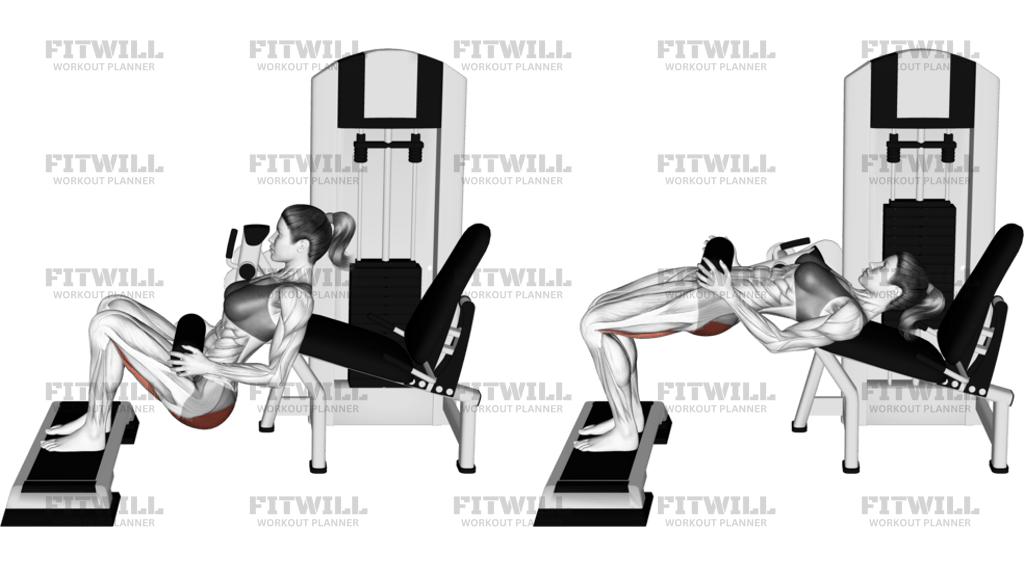
- Keep the hips pressed into the pad on every rep so the motion stays a true hamstring curl instead of a hip extension cheat.
- Do not let the weight stack drop between reps; the lowering phase is where the hamstrings stay loaded the longest.
- If the bottom position feels cramped, move the pad or seat before adding weight rather than shortening the range with your hips.
- Use a controlled squeeze at the top instead of kicking the machine hard for extra range.
- A slightly slower cadence usually works better here than explosive reps because the lever arm can build momentum fast.
- Keep your head and neck neutral instead of craning forward to watch the movement.
- Choose lighter loads when training one leg at a time, since side-to-side control matters more than absolute weight.
- Stop the set if you feel the work shift into the lower back or if the knee joint feels pinchy at the start of the curl.
Frequently Asked Questions
What muscles does Lever Kneeling Leg Curl Plate Loaded train most?
It mainly trains the hamstrings. The glutes and core help stabilize your pelvis while the machine handles most of the resistance.
Where should the ankle roller sit on Lever Kneeling Leg Curl Plate Loaded?
It should sit just above the heel or low on the calf, not up near the Achilles. That keeps the machine comfortable and gives you a cleaner pull path.
Is Lever Kneeling Leg Curl Plate Loaded good for beginners?
Yes, if the machine is adjusted well and the load is kept light. The chest support makes it easier to learn hamstring work without balancing the whole body.
Should my hips move during the curl?
No. Your hips should stay pressed into the pad while the knee does the bending. If the pelvis lifts, the set has become too heavy or the setup is off.
Why does the machine feel different from a lying leg curl?
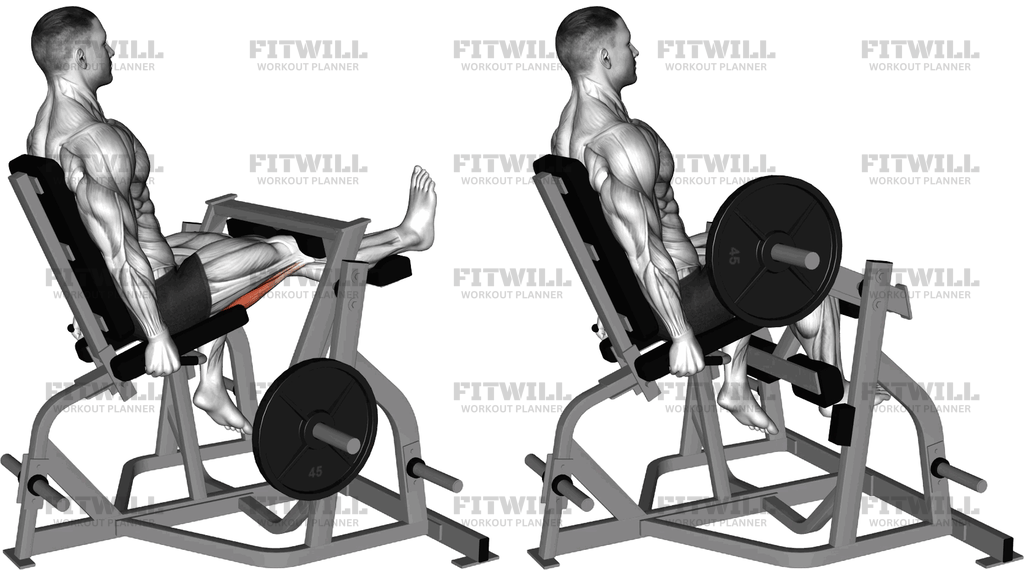
The kneeling position changes the torso support and usually makes it easier to keep the pelvis still. Many people feel a stronger isolated hamstring squeeze because there is less chance to arch or swing.
What is the most common mistake on this exercise?
Letting the hips lift or using a quick kick to start the curl. Both reduce hamstring tension and make the rep less controlled.
How should I choose the load?
Pick a weight that lets you curl smoothly, pause briefly at the top, and lower under control. If you have to twist, kick, or bounce the stack, it is too heavy.
Can I use this as a substitute for deadlift hamstring work?
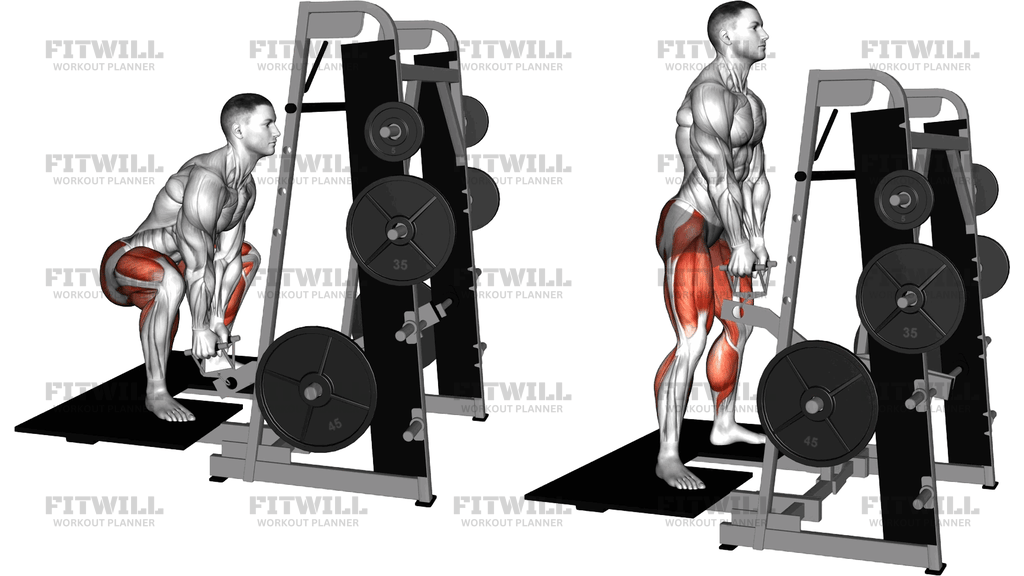
It can complement deadlifts, but it does not replace hip-hinge work. This machine is best for direct knee-flexion hamstring training, not total posterior-chain loading.