Lever Seated Hip Adduction
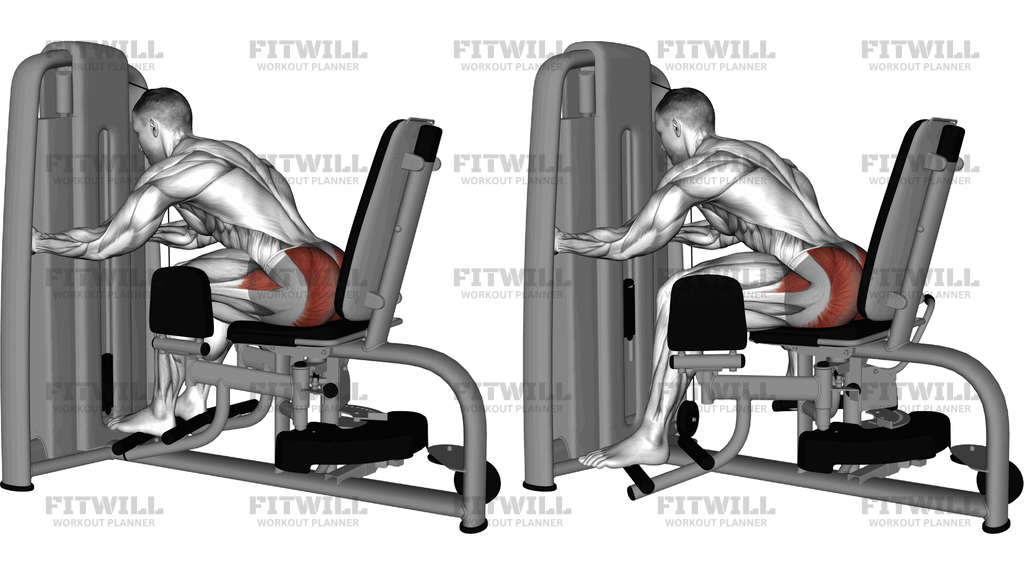
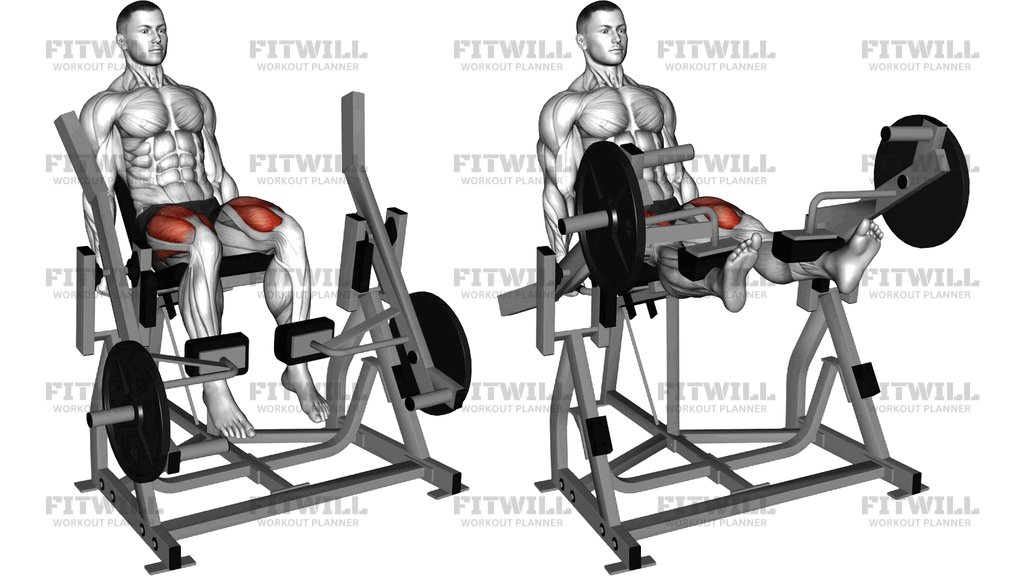
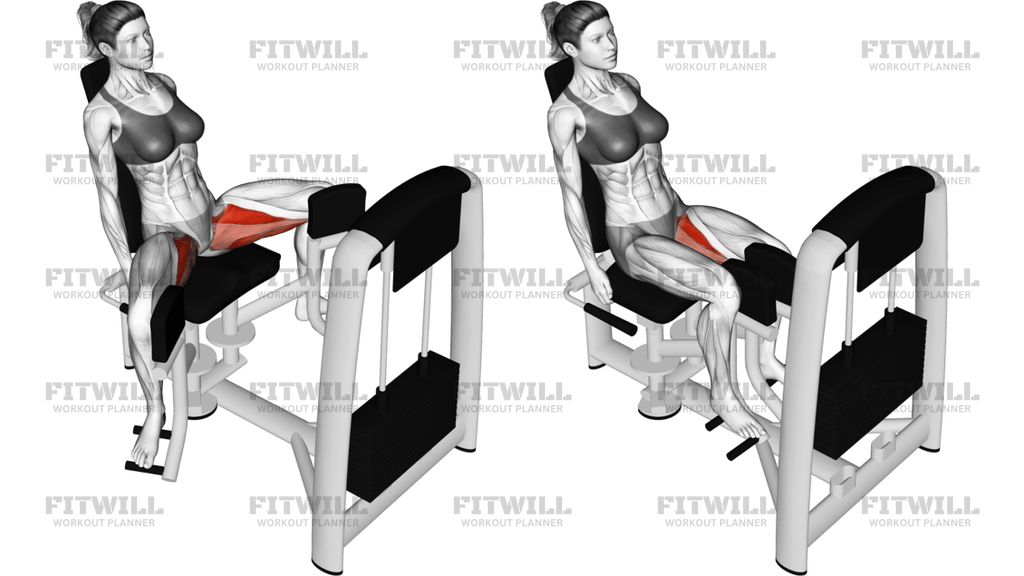
Lever Seated Hip Adduction is a machine-based inner-thigh exercise built around bringing the legs together against the resistance of the pads. The seated setup keeps the pelvis supported while the adductors work through a short, controlled horizontal path. That makes the movement useful for direct inner-thigh strength, groin resilience, and accessory work when you want to train the hips without loading the spine heavily.
The machine changes the exercise in an important way: the seat, back pad, and leg pads decide how stable the rep feels. If the seat is set correctly, the hips stay anchored and the thighs can move without the torso rocking. If the pad width is too aggressive or the pelvis slides forward, the work leaks into momentum and hip flexor tension instead of staying on the adductors. A good setup lets you feel the inside of the thighs lengthen on the open position and shorten smoothly as the knees come together.
Use the movement to close the legs in a controlled squeeze, then let the pads open under tension rather than dropping the stack. The best repetitions finish when the knees meet or nearly meet without the low back arching, the chest collapsing, or the feet pushing. Breathing should stay steady: brace lightly before the squeeze, exhale as the pads come together, and inhale as you return to the start. That rhythm helps you keep the pelvis quiet and the motion clean.
This exercise is commonly used for hypertrophy, warmups before lower-body training, or accessory work when the adductors need direct attention. It can also be useful for athletes who need more inner-thigh strength for cutting, change of direction, and pelvic control. Keep the range pain-free, especially if the groin feels tight or irritated, and reduce the load if the knees start drifting, the hips roll, or the return becomes jerky. Executed well, the seated adduction machine gives you a simple, repeatable way to load the inner thighs with precision.
[ Workout Log & Planner ]
Put your next workout in Fitwill
Keep your plan and training log ready when you are.


Instructions
- Adjust the seat and back pad so your hips stay pinned to the bench and your knees line up comfortably with the leg pads.
- Sit tall with your low back against the pad and hold the side handles so your torso does not drift during the set.
- Open your legs to the start position until you feel a strong inner-thigh stretch without the pelvis tipping or the hips lifting.
- Brace lightly, then squeeze the pads together by driving both knees inward along the machine's guided path.
- Bring the pads together smoothly and briefly finish the rep with the inner thighs, not a hard slam at the end range.
- Pause for a moment in the closed position while keeping the chest lifted and the hips quiet on the seat.
- Return the pads outward slowly and let the adductors lengthen under control instead of letting the stack pull your legs open.
- Keep breathing steady throughout the set, exhaling on the squeeze and inhaling as the legs open.
- Stop the rep if the pelvis rocks, the knees twist, or the range starts to feel pinchy in the groin.
Tips & Tricks
- Set the pad width so the starting stretch is noticeable but not so deep that your pelvis rolls forward.
- Keep your back glued to the pad; if your torso moves, the adductors lose tension and the set turns into a body-rocking effort.
- Use your hands on the side handles to keep the hips from sliding instead of pressing through the feet or lifting the legs.
- Think about drawing the inner knees together, not squeezing with the quads or forcing the knees to slam shut.
- A slower opening phase usually gives better inner-thigh tension than a fast return to the start.
- If the groin feels tight, shorten the open position and build range gradually over several sessions.
- Use loads that let you control the last few centimeters of the return; that is where many reps get sloppy.
- Keep the feet relaxed and let the machine pads do the work so the lower legs do not start steering the movement.
- For hypertrophy work, a brief pause with the pads closed can help remove momentum and sharpen the adductor squeeze.
Frequently Asked Questions
What muscles work most on Lever Seated Hip Adduction?
The adductors on the inside of the thighs do most of the work, especially the adductor longus, brevis, magnus, gracilis, and pectineus.
How should the seat and pads be set on this machine?
Set the seat so your pelvis stays back against the pad and the leg pads line up with your inner knees or lower thighs without forcing a deep stretch.
Should I close the pads all the way together every rep?
Bring them together until you feel a strong inner-thigh squeeze, but do not crash the pads together or let the hips roll forward to fake extra range.
What should my feet do during seated hip adduction?
The feet should stay relaxed and quiet; the motion comes from the thighs and hips, not from pushing through the feet or ankles.
Is this machine good for beginners?
Yes. It is a beginner-friendly way to train the inner thighs as long as the load is light enough to keep the pelvis still and the return controlled.
What is the most common mistake with this exercise?
Most people either use too much weight and bounce the pads, or they open too far and let the low back and hips move instead of the adductors.
Can I use this for groin or hip stability work?
Yes, it is often used to build adductor strength for lower-body training and change-of-direction sports, but it should stay pain-free and controlled.
How many reps work best on the seated adduction machine?
Moderate to higher reps are common because the exercise is small and controlled, but the best range is the one that keeps the pads moving smoothly without torso movement.
What can I do if the inner-thigh stretch feels too aggressive?
Reduce the starting width, raise or lower the seat if needed, and shorten the range until you can control both the open and closed positions.