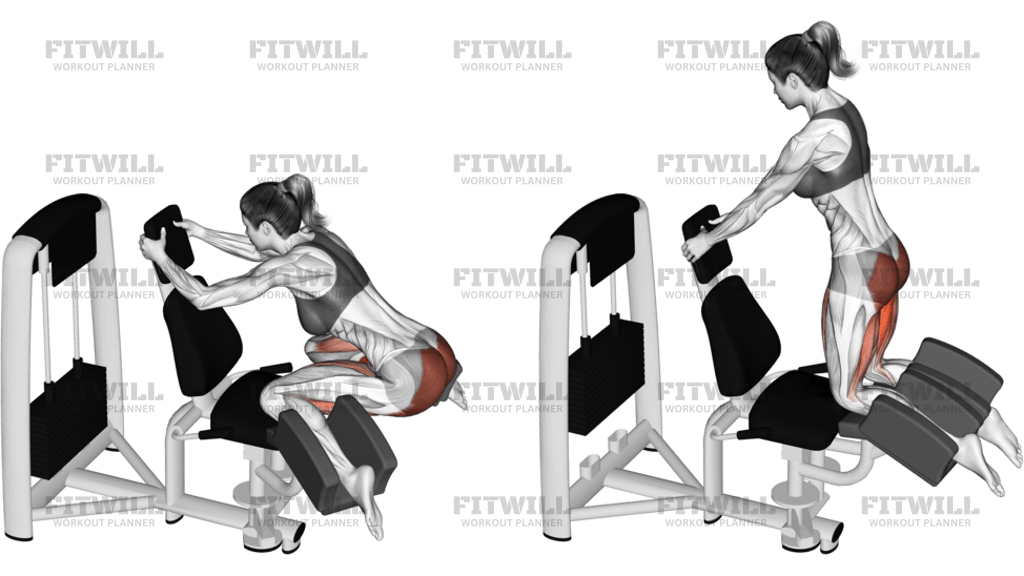
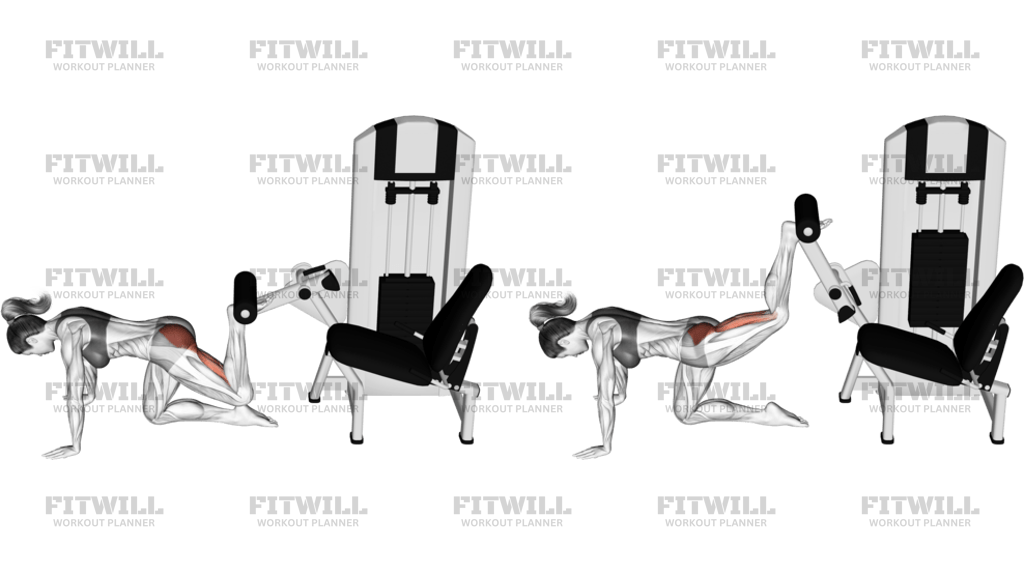
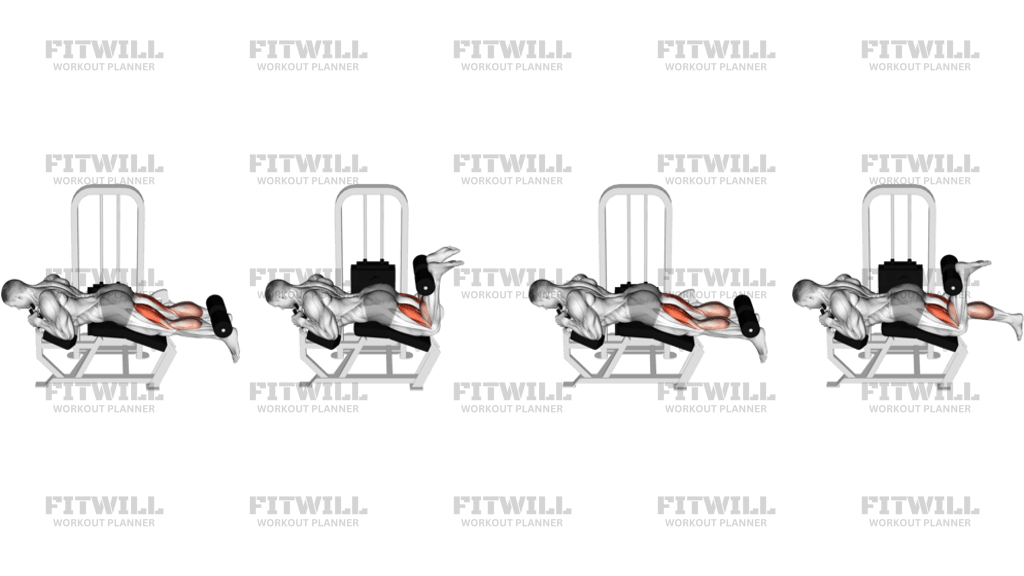
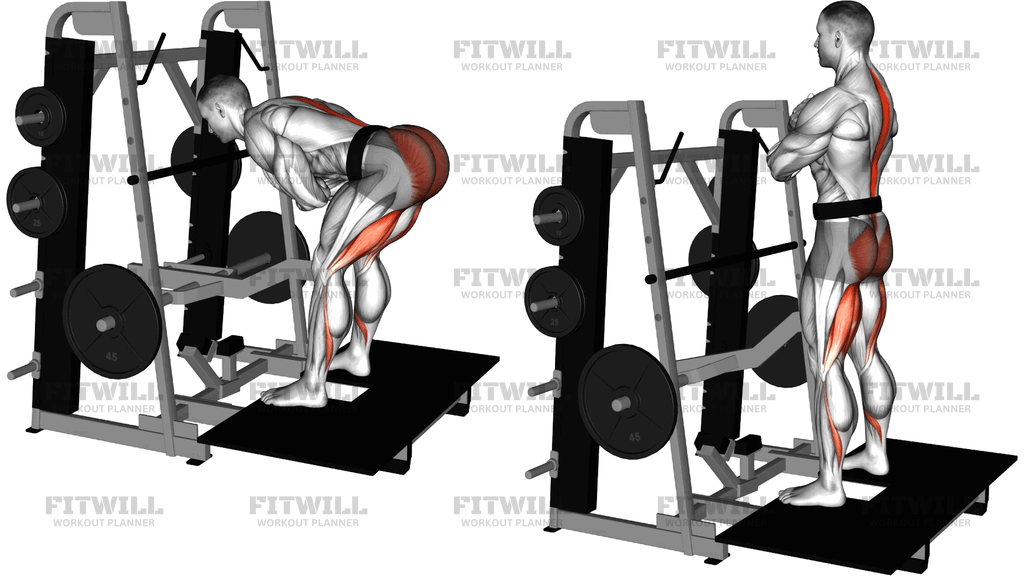
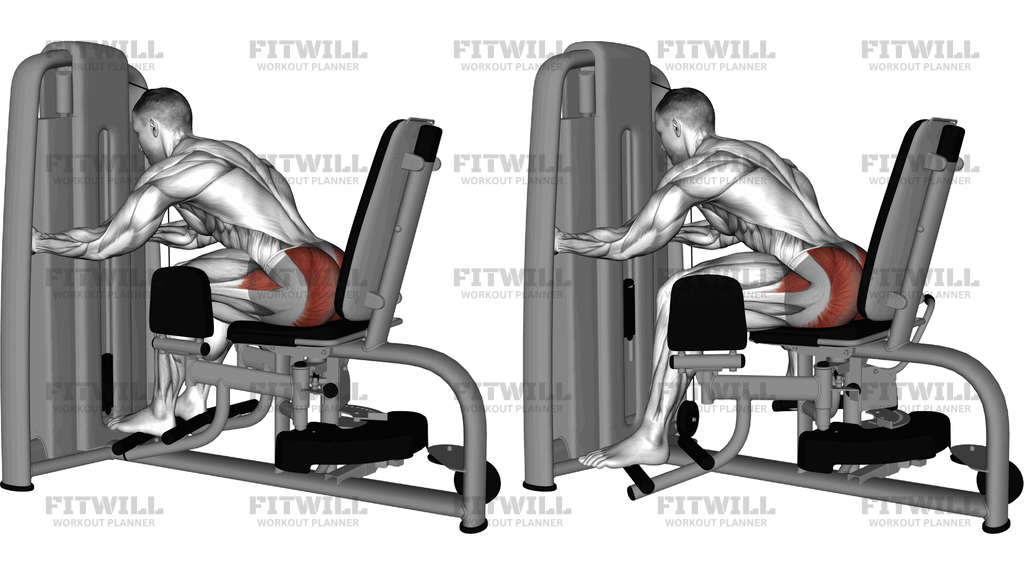
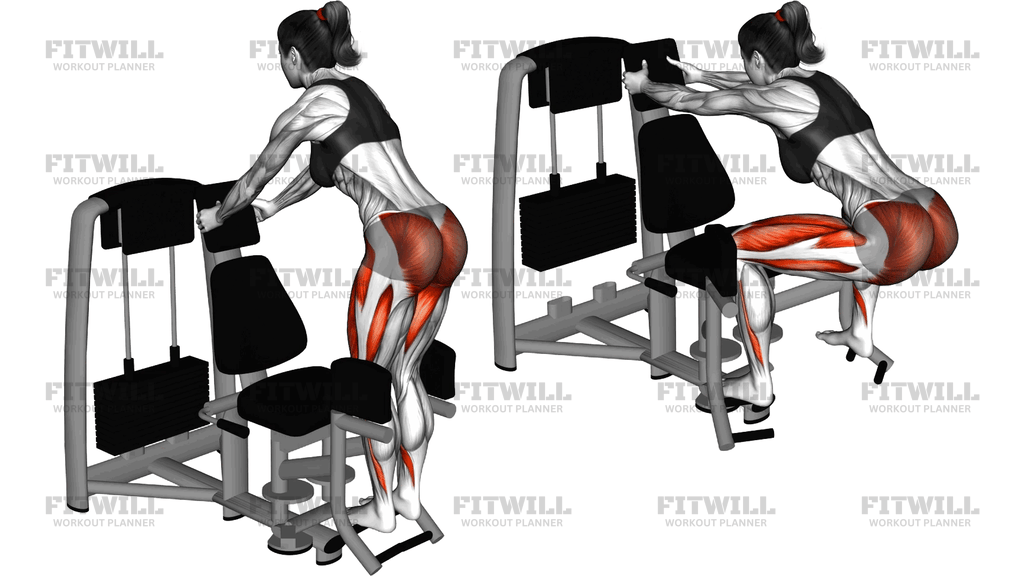
Lever Side Hip Abduction
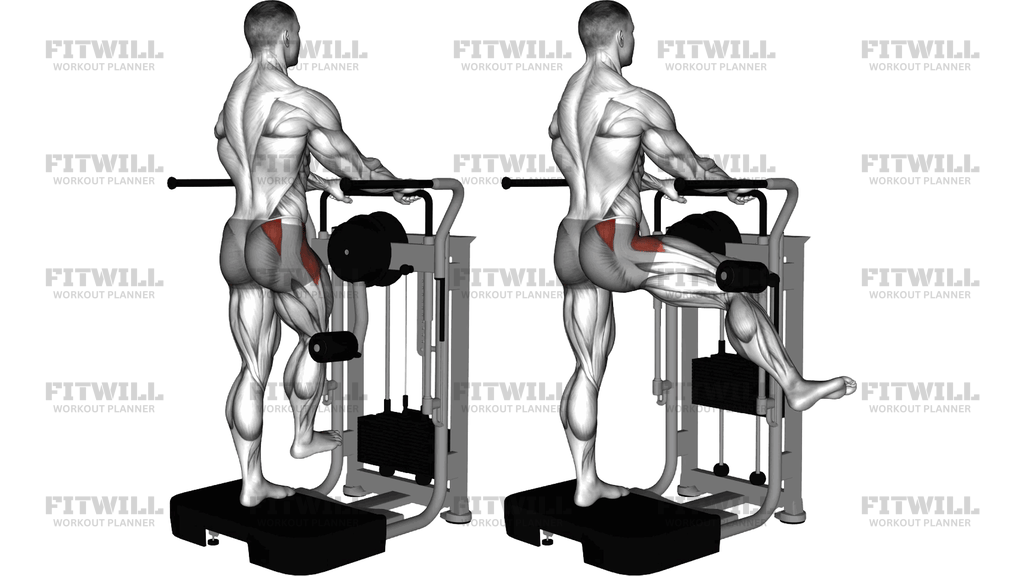
Lever Side Hip Abduction is a standing machine exercise that trains hip abduction against a guided lever while your torso stays braced on the handles. The setup is simple, but the details matter: the standing foot, pad height, pelvic position, and grip on the machine all determine whether the load stays on the outer hip or gets shared by the lower back and trunk.
This movement is usually used to strengthen the glute medius, glute minimus, and the upper portion of the glute max, with the stance leg, adductors, and core working to keep the body quiet. Because the machine fixes the path, it is a good choice for focused unilateral hip work, glute activation, and accessory strength when you want to train the side of the hip without balancing a free weight.
A good rep starts with the roller pad set against the outer thigh just above the knee or at the lower thigh, depending on the machine. Stand tall on the platform, hold the handles lightly, and square the pelvis before you move. The torso should stay long and mostly still while the working leg begins close to the midline and the support foot stays planted.
From there, drive the leg out to the side in a smooth arc and stop before the pelvis starts to roll or the low back takes over. Keep the return just as controlled as the lift so the stack does not slam, and match the breathing to the effort: exhale as the leg moves away, inhale as you come back in. The best sets feel like the outer hip is doing the work, not the hands, shoulders, or lower back.
Use Lever Side Hip Abduction as an accessory lift, a warmup for glute activation, or a higher-rep unilateral finisher. It is beginner friendly when the resistance is light and the range stays clean, but it becomes less useful when the load is high enough to make you lean, twist, or kick the pad. If the movement stays strict, it can be a very efficient way to build hip stability and side-glute strength.
Fitwill
Log Workouts, Track Progress & Build Strength.
Achieve more with Fitwill: explore over 9600 exercises with images and videos, access built-in and custom workouts, perfect for both gym and home sessions, and see real results.
Start your journey. Download today!




Instructions
- Stand side-on on the platform and place the working thigh against the roller pad just above the knee or at the lower thigh.
- Hold the machine handles with a light grip, keep the support foot flat, and set your pelvis square before the first rep.
- Keep your torso tall with a small bend in the stance knee and let the working leg start close to the midline.
- Brace your trunk and drive the working leg out to the side in a smooth arc without swinging the torso.
- Keep the pelvis level as the leg opens so the movement comes from the hip, not from leaning or rotating.
- Pause briefly near the top if you can hold position without shifting your shoulders or low back.
- Return the leg slowly until the roller pad comes back under control and the weight stack does not slam.
- Reset your balance on the platform before the next repetition and keep the same body position for the full set.
Tips & Tricks
- Set the pad so it presses the outer thigh cleanly; if it sits too low, the knee often gets irritated before the hip does.
- Use the handles for balance, not for pulling your body into the machine or twisting the ribs.
- Keep the standing foot planted through the heel and midfoot so the pelvis does not hike on the support side.
- Stop the upward phase when the pelvis starts to roll or the torso starts to follow the leg.
- A slight forward hinge from the hips is fine if it helps you feel the outer glute, but do not collapse the chest.
- Use a slower lowering phase than lifting phase so the lever does not pull your leg back in uncontrolled.
- Choose a load that lets you keep the same arc on every rep instead of kicking harder as fatigue builds.
- Higher reps usually work better here than heavy singles because the machine is meant for controlled hip tension.
Frequently Asked Questions
What muscles does Lever Side Hip Abduction train most?
It mainly trains the glute medius and glute minimus, with the upper glute max helping as you drive the leg out.
Can beginners perform this exercise?
Yes. The guided path makes it beginner friendly as long as the load stays light enough to keep the pelvis steady.
Where should the pad sit on my leg?
It should contact the outer thigh just above the knee or around the lower thigh, depending on the machine adjustment.
Should I keep my torso upright the whole time?
Yes, mostly. A small forward lean is fine, but the torso should not swing, twist, or collapse as the leg opens.
Why do I feel this in my lower back instead of my hip?
The load is probably too heavy or you are letting the pelvis rotate and the ribs flare instead of keeping the trunk quiet.
Is this useful for glute activation before training?
Yes. Light sets of this movement work well as a warmup when you want the outer hip switched on before squats, lunges, or running.
How should I know if the weight is too heavy?
If you have to kick the pad, lean hard on the handles, or let the stack crash on the way back, the load is too high.
Is one side at a time better than alternating sides?
Yes. Training one side at a time makes it easier to notice imbalances and keep each hip honest through the full range.