Lever Standing Hip Extension
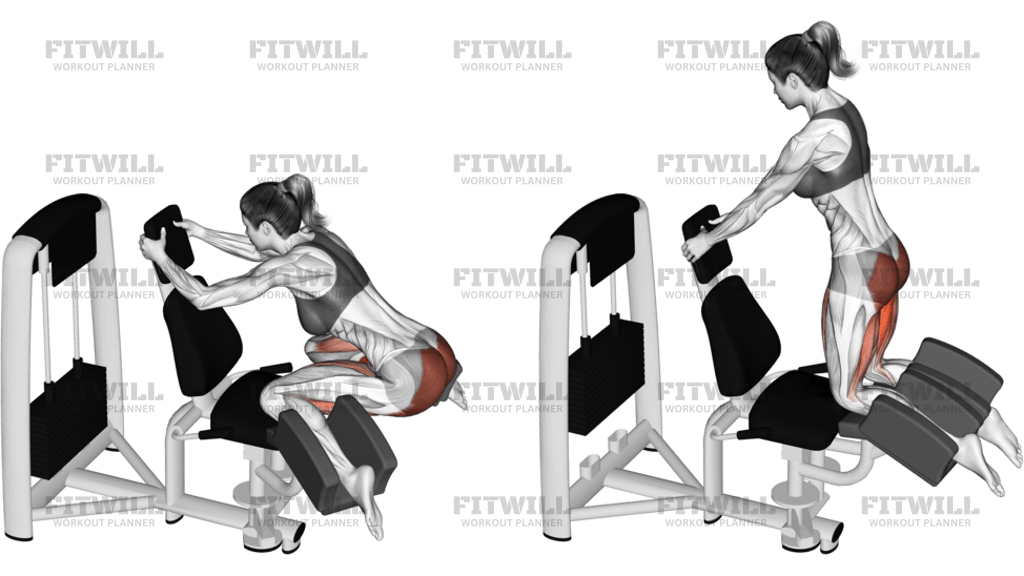
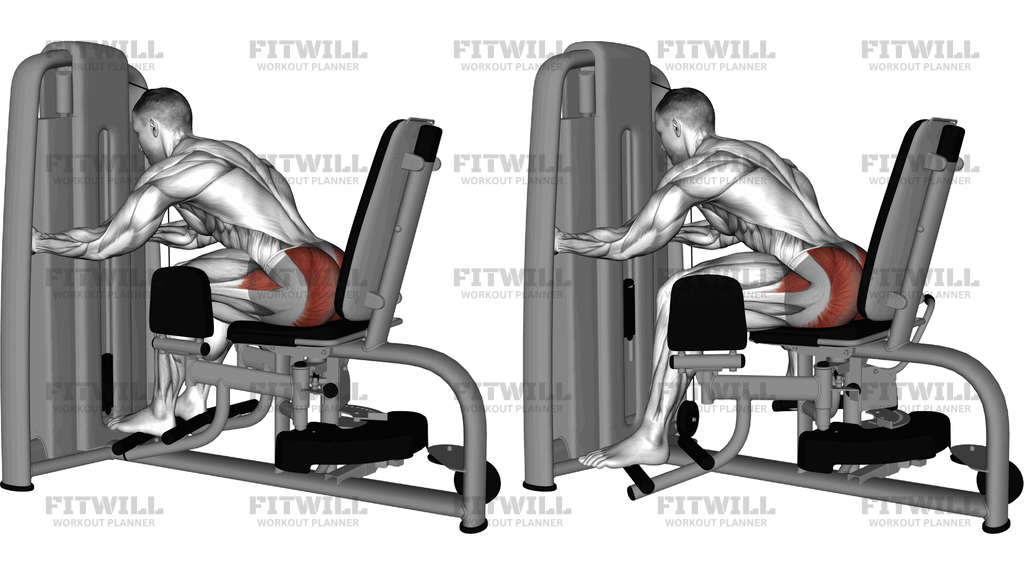
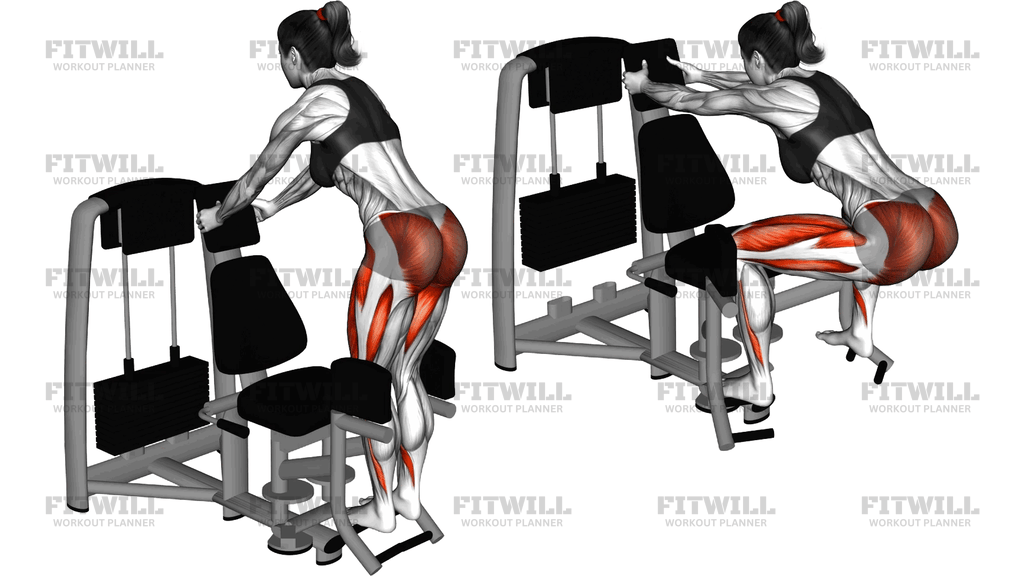
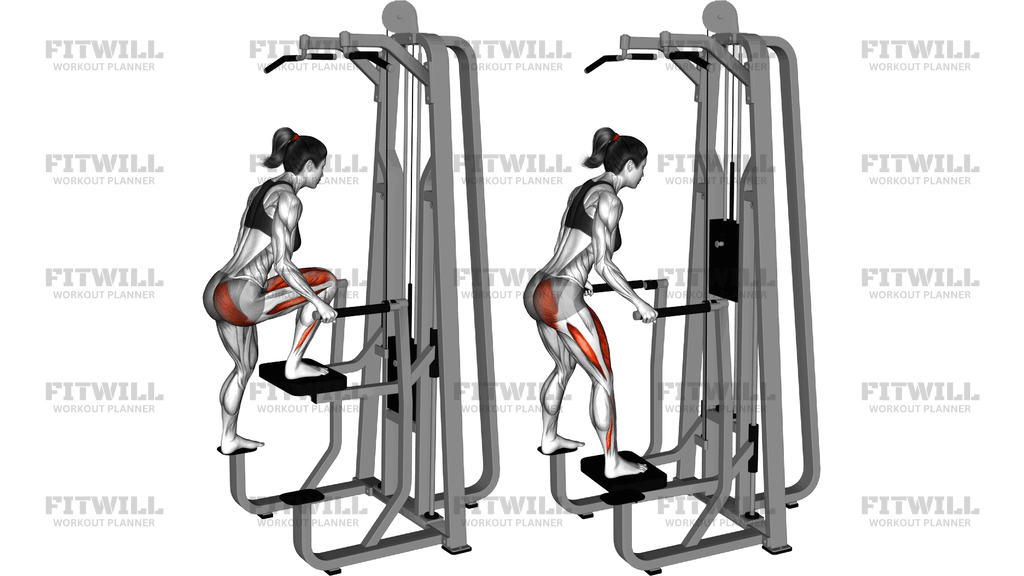
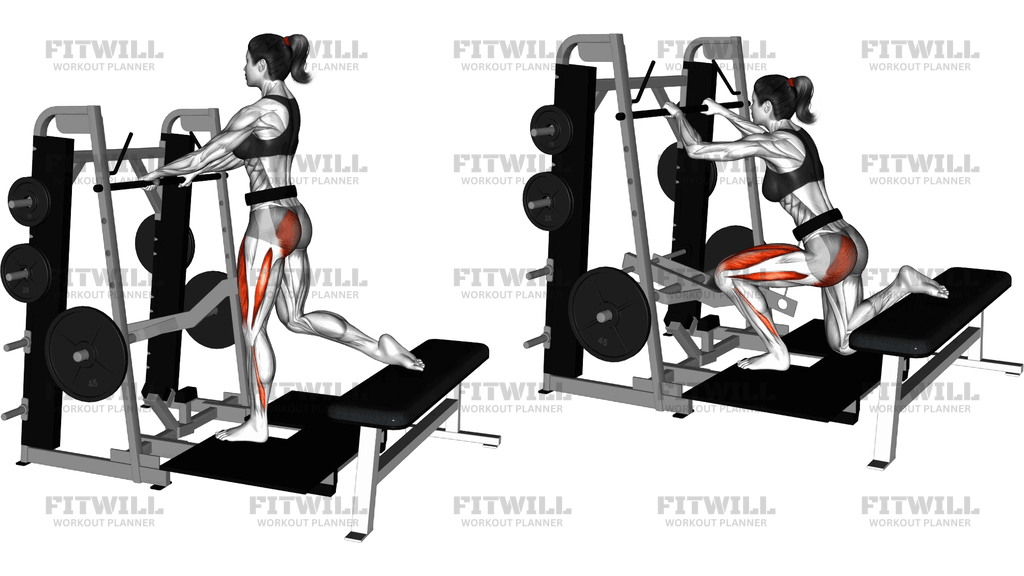
Lever Standing Hip Extension is a machine-based glute exercise where you brace your upper body on the front support and drive one leg straight back against the rear roller. The fixed path makes it easier to focus on hip extension without having to balance a free weight, so the exercise is useful when you want the glutes to work hard while the torso stays quiet.
The main target is the gluteus maximus, with the hamstrings helping finish hip extension and the core helping keep the pelvis from rotating or tipping. Because the machine locks the movement into a narrow track, the difference between a good rep and a sloppy one usually comes down to setup: where the standing foot is planted, how level the hips stay, and whether the low back stays out of the drive.
Set the support foot flat and under the hip, keep a soft bend in the standing knee, and place the working leg on the pad so the hip can move behind the body without twisting open. The torso should stay braced against the front pad, with the ribs down and the pelvis square to the machine. That posture lets the glute create the motion instead of momentum from a swinging leg or an overarched lower back.
During each repetition, think about pushing the rear pad back by squeezing the glute of the working side. The leg should travel in a smooth arc until the hip is fully extended, then return under control until the glute stretches again. A brief pause at the top can help you feel the contraction, but the rep should never become a kick or a bounce.
This exercise fits well in lower-body sessions as accessory strength work, glute isolation, or a controlled warm-up before heavier squats, hinges, or running. Light to moderate loads usually work best because the machine does the path for you; the goal is to keep the pelvis steady, the return slow, and the tension on the glutes rather than chasing a bigger swing or a bigger stack.
Fitwill
Log Workouts, Track Progress & Build Strength.
Achieve more with Fitwill: explore over 9600 exercises with images and videos, access built-in and custom workouts, perfect for both gym and home sessions, and see real results.
Start your journey. Download today!




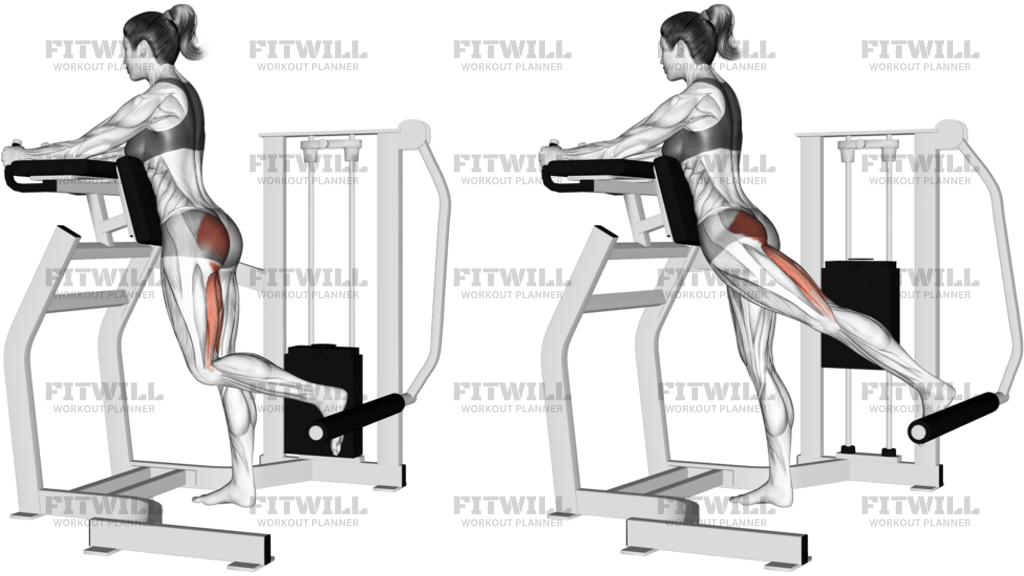
Instructions
- Stand facing the machine and brace your forearms or chest on the front support pad so your torso stays steady.
- Plant the support foot flat under your hip and keep the standing knee softly bent instead of locked out.
- Place the working ankle or lower leg on the rear roller pad with the hip slightly flexed and the toes pointing down or slightly back.
- Square both hips to the machine and tighten your midsection before the first rep.
- Drive the working leg straight back by squeezing the glute, keeping the pelvis level and the torso from twisting.
- Lift until the hip is fully extended without arching your lower back or swinging the leg wider than the machine track.
- Pause briefly at the top to feel the glute contract, then lower the leg slowly until you feel a controlled stretch.
- Reset the stance and repeat for the planned reps on one side before switching legs.
Tips & Tricks
- Keep the standing knee soft so the support leg can stabilize without locking the hip and knee together.
- Think about moving the heel backward rather than flinging the whole thigh behind you.
- If your lower back takes over, shorten the range and finish the rep with the glute, not with an arch.
- Do not let the working hip open outward; keep the knee and toes tracking mostly straight back.
- Use a slower return than the lift so the glute stays under tension for the whole rep.
- Hold the front pad lightly with your arms instead of yanking your body forward.
- Choose a load that lets you pause at the top without bouncing off the stack or pad.
- Stop each set when the pelvis starts to rock or the support foot starts shifting side to side.
Frequently Asked Questions
What muscle does Lever Standing Hip Extension target most?
The glutes do most of the work, especially the gluteus maximus on the moving side.
Can beginners perform this exercise?
Yes. The machine path makes it beginner-friendly as long as the load stays light enough to keep the pelvis steady.
Where should my body sit against the machine?
Brace your torso on the front support pad, keep your support foot under your hip, and place the working leg on the rear roller so the hip can move straight back.
What is the most common mistake on the rear leg?
People usually swing the leg or arch the lower back instead of extending the hip with the glute.
Should my standing knee stay locked?
No. Keep a soft bend in the support knee so you can stay balanced and keep the pelvis from shifting.
Why do I feel this in my lower back?
Usually the range is too big or the ribs are flaring. Shorten the kickback and finish each rep by squeezing the glute, not by leaning farther into extension.
How can I make the machine version harder without adding sloppy reps?
Use a slower lowering phase, add a brief pause at the top, or increase the load only if the pelvis stays square.
Is this a good warm-up before heavier lower-body training?
Yes. Light sets can wake up the glutes before squats, hinges, or running as long as the movement stays smooth and controlled.