Dumbbell Seated Reverse-Grip Biceps Curl
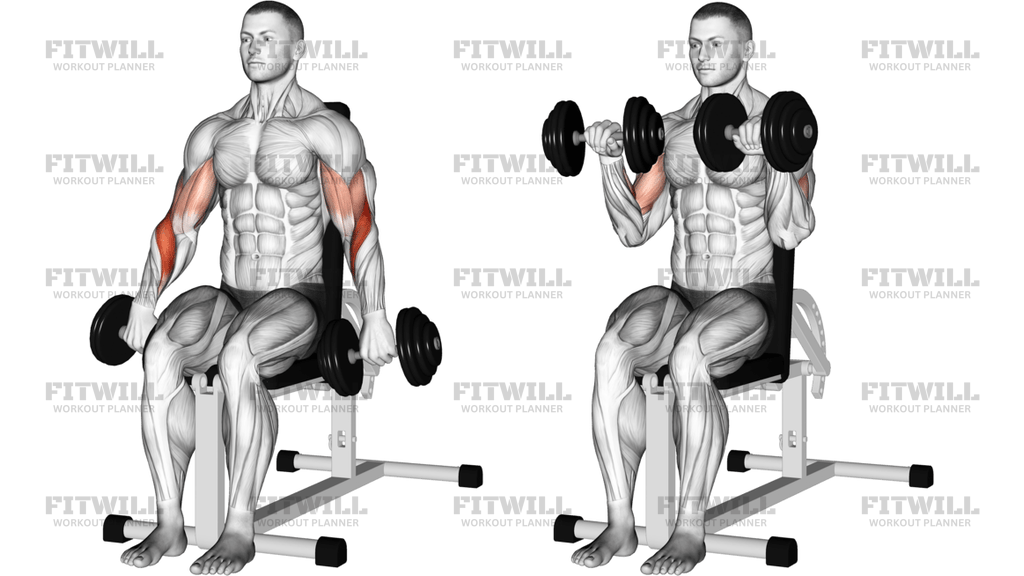
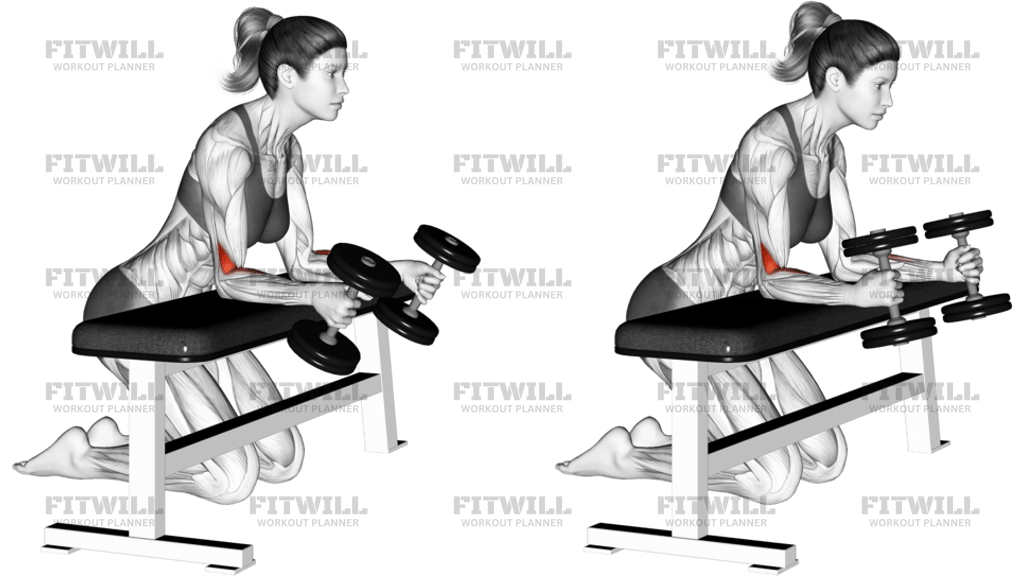
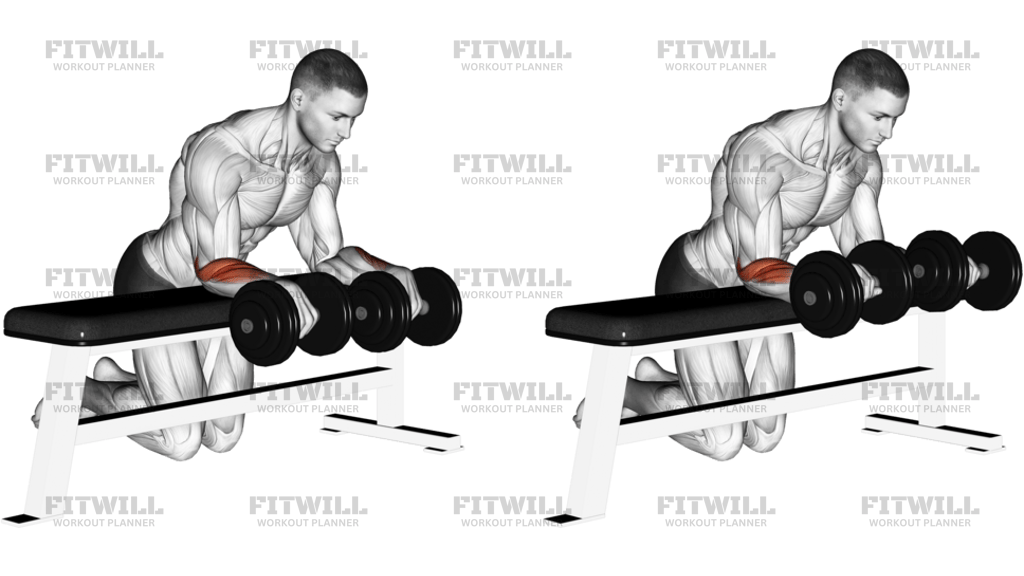
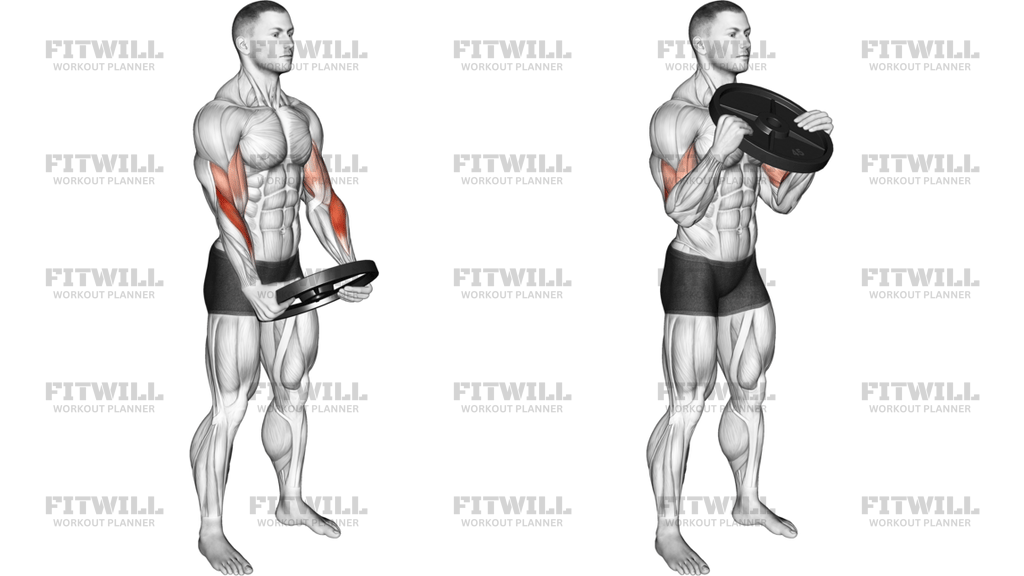
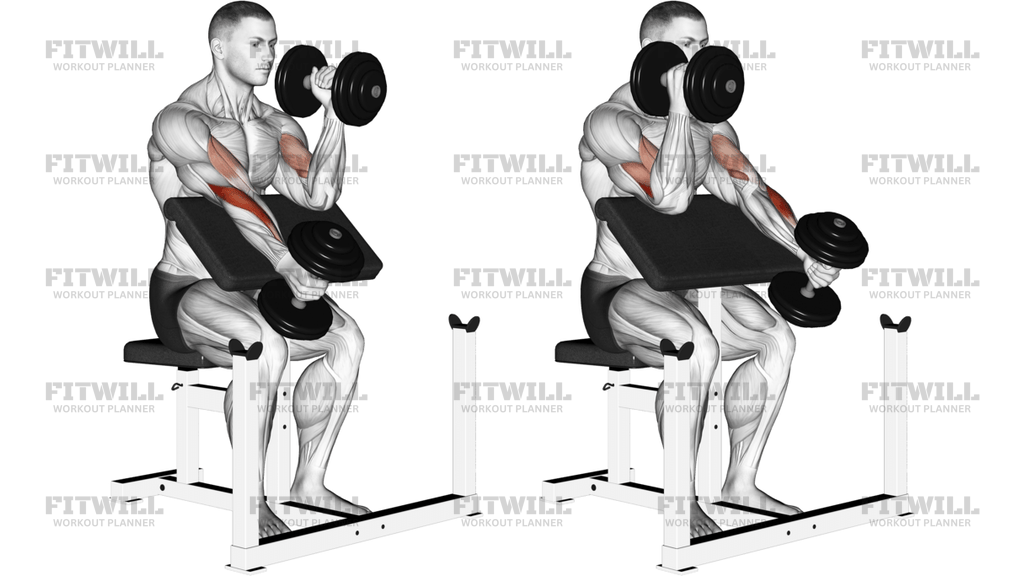
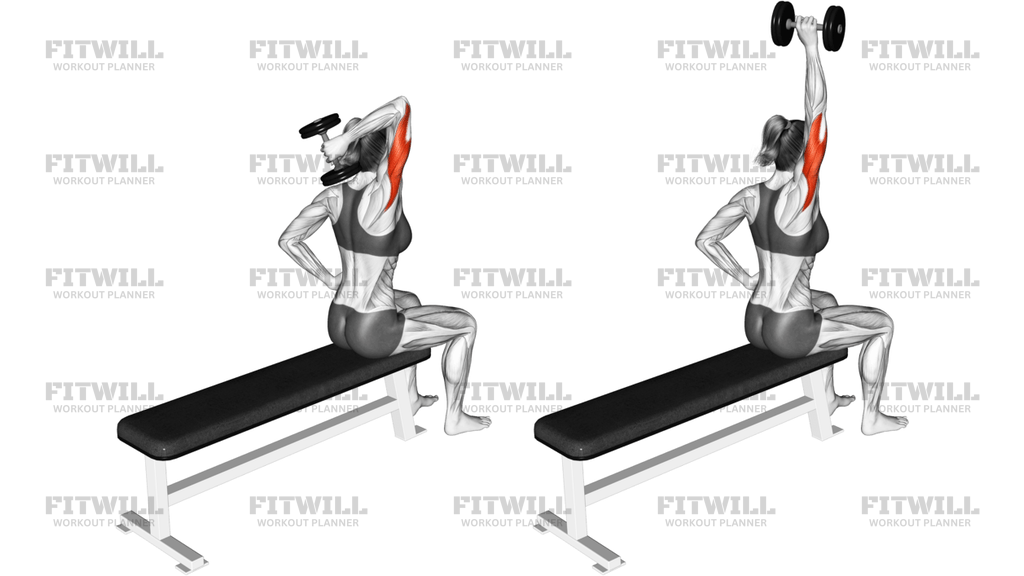
Dumbbell Seated Reverse-Grip Biceps Curl is a seated dumbbell curl performed with an overhand grip and a supported torso. The image shows the lifter seated upright on a bench with the back against the pad, dumbbells hanging by the sides, and both elbows flexing to raise the weights toward the shoulders. This setup shifts the emphasis away from a pure biceps curl and toward the forearms, brachioradialis, and brachialis, while the biceps still contribute to the elbow bend.
The bench support matters because it reduces torso swing and makes the forearm work easier to feel. Keep the chest tall, ribs stacked over the pelvis, shoulders down, and wrists straight so the dumbbells stay aligned with the forearms. A reverse-grip curl becomes sloppy quickly if the wrists bend back or the elbows drift forward to turn the rep into a front-delt heave.
Each repetition should look smooth and deliberate. Start with the arms long and the dumbbells close to the thighs, then curl by bending the elbows and lifting the weights in a short, controlled arc until the forearms are near vertical or the dumbbells approach the upper torso. Hold briefly at the top, then lower the dumbbells slowly until the elbows are almost straight again. Exhale on the lift and inhale on the return.
This is a useful accessory exercise for arm days, upper-body sessions, or any program that needs more forearm and elbow-flexor work without heavy body English. The reverse grip usually requires less load than a standard curl, so choose a weight you can raise without rocking the shoulders or pinching the wrists. Beginners can use it if they keep the range clean, but anyone with irritated wrists or elbows should lighten the load and shorten the range before forcing reps through discomfort.
Fitwill
Log Workouts, Track Progress & Build Strength.
Achieve more with Fitwill: explore over 9600 exercises with images and videos, access built-in and custom workouts, perfect for both gym and home sessions, and see real results.
Start your journey. Download today!




Instructions
- Sit on a bench with a back support, plant both feet flat, and let the dumbbells hang at your sides with an overhand grip.
- Keep your chest tall, shoulders relaxed, and wrists straight before the first rep starts.
- Pin your upper arms close to your sides and brace your torso so the bench does the stabilizing.
- Curl both dumbbells upward by bending the elbows, keeping the palms facing down and the weights moving in front of the thighs.
- Do not swing the torso or roll the shoulders forward to finish the rep.
- Raise the dumbbells until your forearms are close to vertical or the weights reach near shoulder height.
- Pause briefly at the top, then lower the dumbbells under control until the elbows are almost straight.
- Keep breathing steady, exhaling on the curl and inhaling on the way down.
- Reset fully at the bottom before starting the next repetition.
Tips & Tricks
- Use lighter dumbbells than you would for a regular supinated curl; the reverse grip is usually the limiting factor.
- Keep the wrists stacked over the forearms so the dumbbells do not fold the hands backward at the top.
- If your elbows drift forward, reduce the load and keep the upper arms pinned closer to your sides.
- Let the bench backrest remove body sway; this movement should be driven by elbow flexion, not hip drive.
- A slow lowering phase helps the brachioradialis and forearm extensors work harder without needing more weight.
- Stop the rep before your shoulders start shrugging or the neck tenses up.
- Do not crush the dumbbells so hard that the forearms cramp; a firm but relaxed grip is enough.
- If the top position irritates the wrists, shorten the range slightly and keep the knuckles aligned with the forearms.
Frequently Asked Questions
What muscles does Dumbbell Seated Reverse-Grip Biceps Curl train most?
It heavily targets the forearms and brachioradialis while still involving the biceps and brachialis.
Why use a reverse grip instead of a normal curl grip?
The overhand grip shifts more work to the forearms and brachioradialis and usually makes the curl feel less like a pure biceps exercise.
Should my back stay against the bench during the set?
Yes. Keeping your back on the pad reduces torso swing and helps you keep the movement in the elbows.
Where should the dumbbells travel on the way up?
They should arc upward in front of the thighs and torso, finishing near the shoulders without turning into a front raise.
Can beginners do this exercise safely?
Yes, if they use a light load, keep the wrists straight, and avoid swinging the torso.
What is the most common form mistake?
People usually bend the wrists back or rock the shoulders forward to cheat the dumbbells higher.
How heavy should I go on this movement?
Use a weight you can curl without losing the overhand grip, especially on the lower half of the rep.
What can I use instead if my wrists do not like reverse curls?
A neutral-grip hammer curl is usually a friendlier substitute because it reduces wrist stress while still training the forearms.