Inchworm Version 2
Inchworm Version 2 is a bodyweight walkout drill that links a standing hinge, a strong high plank, and a controlled walk back to standing. It trains the trunk, shoulders, hips, and hamstrings together, so the exercise feels like mobility and stability work at the same time. The body is loaded mostly through body weight, but the real challenge is keeping the torso organized while the hands travel out and back.
The movement shown in the image is the classic inchworm pattern: fold from standing, place the hands on the floor, walk the hands forward until the body reaches a straight-arm plank, then walk the hands back and return to standing. That long lever position makes the shoulders and core work hard to stop the lower back from sagging or the hips from twisting. It also gives the hamstrings a loaded lengthening before you come back up.
Setup matters because the first hinge decides how smooth the whole rep will be. A soft knee bend helps many people reach the floor without forcing the spine into a rounded position. Once the hands are down, the goal is not to rush to the plank. Move hand by hand, keep the feet planted until the plank is built, and use the walkout to create a straight line from head to heels.
In the plank, the ribs should stay down and the glutes should stay active so the torso does not collapse. From there, the return is just as important as the walkout: step or walk the feet toward the hands, keep the hips high enough to protect the back, and stand up by reversing the hinge rather than yanking the torso upright. The rep should feel deliberate, coordinated, and controlled from start to finish.
This version is useful in warm-ups, athletic prep, or conditioning circuits because it raises body temperature while asking for good shape under tension. It can also be used as a low-equipment core drill for beginners and advanced athletes alike. Keep the range of motion honest, keep the tempo steady, and stop the set if the plank position or the hinge starts to break down.
Fitwill
Log Workouts, Track Progress & Build Strength.
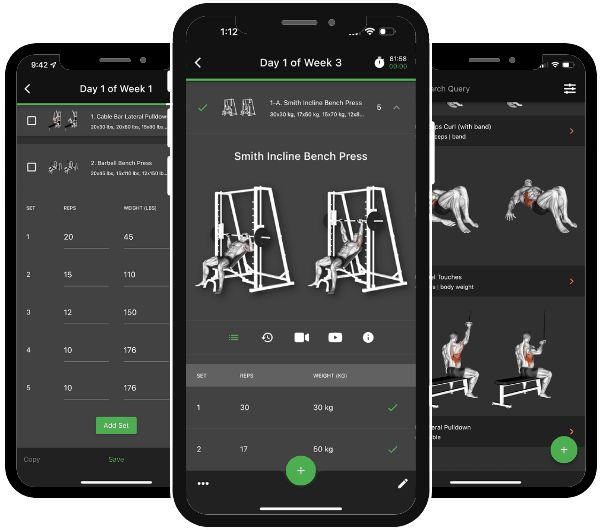
Achieve more with Fitwill: explore over 5000 exercises with images and videos, access built-in and custom workouts, perfect for both gym and home sessions, and see real results.
Start your journey. Download today!


Instructions
- Stand tall with your feet about hip-width apart and brace your midsection before you move.
- Hinge at the hips, keep a soft bend in the knees, and reach both hands toward the floor in front of your feet.
- Let the hands walk forward one at a time until your shoulders stack over your wrists in a high plank.
- Keep your legs long, squeeze your glutes, and hold a straight line from head to heels without letting the low back sag.
- Walk your hands back under your shoulders, one hand at a time, while keeping your hips high enough to protect your spine.
- Bring your feet toward your hands with small steps or a controlled walk, then settle back into the forward fold.
- Reverse the hinge to stand up tall, stacking your spine over your hips instead of jerking the torso upright.
- Breathe in as you fold and walk out, then exhale steadily as you brace in the plank and return to standing.
- Repeat for the planned number of reps with the same control on every repetition.
Tips & Tricks
- Bend your knees enough to reach the floor without forcing a deep spinal round.
- Keep pressure through the whole hand in the plank so the shoulders stay stacked and stable.
- Walk the hands forward deliberately; if you lunge the hands out, the hips usually twist and the core loses tension.
- Keep the ribs tucked as the feet extend back, especially when you feel the plank getting longer.
- Squeeze the glutes in the plank to stop the lower back from sagging.
- If the hamstrings feel overly tight, shorten the fold and keep a bigger knee bend on the way down.
- On the way back, keep the hips high enough that the hands do not have to drag the torso upright.
- Use a slow, even tempo instead of trying to make the walkout look big or fast.
Frequently Asked Questions
What does Inchworm Version 2 train most?
It mainly trains the core, shoulders, hips, and hamstrings while asking the trunk to stay organized through the walkout and return.
Do I need to keep my legs straight the whole time?
No. A slight knee bend is often better, especially if your hamstrings are tight or you need to reach the floor without rounding too much.
Where should my hands end up in the plank?
They should be under your shoulders with fingers spread so you can support your body weight without collapsing into the joints.
Should this exercise include a push-up?
Not in this version. The movement shown is a walkout to a high plank and a controlled return, without a push-up between them.
Why do my hips want to drop in the plank?
The plank gets longer as you walk out, so the core and glutes have to work harder. If the hips drop, shorten the walkout and tighten the brace.
Is Inchworm Version 2 good for warm-ups?
Yes. It raises temperature, opens the posterior chain, and wakes up the shoulders and trunk before training.
What is the biggest mistake to avoid?
Rushing the walkout and letting the low back sag in the plank are the two most common breakdowns.
How can I make the exercise harder?
Use a slower tempo, hold the plank briefly, or walk the hands farther out while keeping the same body line.