Band Deadlift With Single-Arm Row
Band Deadlift With Single-Arm Row combines a hip hinge with a single-arm pull, so each rep trains the back side of the body and the upper back at the same time. The band is anchored low in front of you, and the movement starts from a bent-over position before you extend the hips, stand tall, and finish the row with the working elbow close to your side. That makes it useful for building coordination between the glutes, hamstrings, lats, mid-back, and trunk rather than treating the lower body and pulling action as two separate exercises.
The setup matters because band tension changes fast as you move. Step far enough from the anchor to feel resistance in the start position, but not so far that the bottom phase yanks your shoulder forward or rounds your back. A hip-width stance, soft knees, and a long spine help you keep the load in your hips and upper back instead of turning the rep into a squat or a twist. If the torso rotates, shorten the range or reduce the band tension before adding speed.
In the working phase, the row and deadlift should feel connected. As you drive through the floor and extend the hips, pull the elbow back toward the lower ribs or back pocket without shrugging the shoulder. Finish tall with the ribs stacked over the pelvis, then return by hinging first and letting the arm lengthen under control. The band should never snap the shoulder forward at the bottom, and the body should stay quiet enough that the pull is obvious and repeatable.
This exercise fits well in warm-ups, accessory blocks, athletic circuits, or full-body sessions when you want a hinge pattern with an added upper-back demand. It is a good choice for people who need more control through the posterior chain and better coordination between the trunk and shoulder. Beginners can use a light band and a short range, while stronger lifters should still respect the band’s increasing tension and avoid forcing a bigger row by leaning back.
The main training payoff comes from clean reps: a stable hinge, a smooth stand, and a controlled row that ends without spinal extension or body swing. When it is done well, the exercise teaches you how to brace, extend, and pull in one organized pattern. When it is done poorly, the band exposes it immediately by pulling you out of position, which is why strict setup and tempo matter so much here.
Fitwill
Log Workouts, Track Progress & Build Strength.
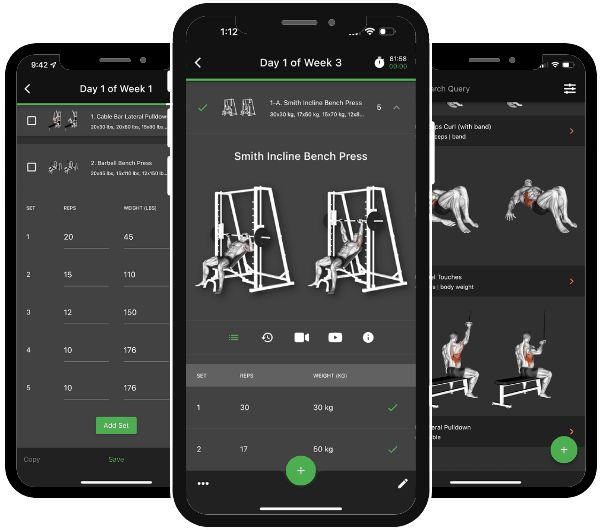
Achieve more with Fitwill: explore over 5000 exercises with images and videos, access built-in and custom workouts, perfect for both gym and home sessions, and see real results.
Start your journey. Download today!


Instructions
- Anchor the band low in front of you and step back until you feel light tension while standing tall.
- Stand hip-width with soft knees, hold the band in your working hand, and let the free arm hang or reach slightly out for balance.
- Hinge your hips back until your torso is angled forward with a long spine and your weight centered over the middle of your feet.
- Keep your shoulder packed as the band stretches forward and allow the arm to lengthen without letting your chest collapse.
- Drive through your heels and extend your hips and knees as you pull the elbow back toward your lower ribs or back pocket.
- Finish tall with your glutes squeezed and ribs stacked over your pelvis, but do not lean backward to force the row.
- Lower the arm under control as you hinge back to the start, keeping the band smooth instead of snapping your shoulder forward.
- Reset your balance, repeat for the prescribed reps, then switch sides if your program calls for both arms.
Tips & Tricks
- Step a little farther from the anchor if the top feels loose, or closer if the band pulls you out of position at the bottom.
- Keep the elbow close to your torso so the row finishes as a lat-driven pull instead of a high rear-delt flare.
- Let the hips start the rep; if the shoulders move first, the band row usually turns into an upper-body yank.
- Keep the shins nearly vertical and the knees softly bent so the movement stays hip-dominant instead of turning into a squat.
- Think about pulling toward your back pocket or lower ribs to keep the shoulder blade moving down and back.
- Hold the free hand quiet so the torso does not rotate to help the working side finish the row.
- Exhale as you stand and row, then inhale as you hinge back under control.
- Stop the set if the band starts snapping your shoulder forward or if your lower back takes over the hinge.
Frequently Asked Questions
What muscles does Band Deadlift With Single-Arm Row work?
It hits the glutes, hamstrings, lats, mid-back, and core together. The hinge loads the lower body, while the row adds upper-back and arm work.
Where should the band be anchored for this exercise?
Anchor it low and in front of you so the tension increases as you stand and row. A stable low anchor makes the hinge and pull easier to control.
Should I row and deadlift at the same time?
Yes, the row should happen as you extend the hips and stand tall. The best reps feel connected rather than like two separate jerks.
How wide should my stance be?
Use a hip-width stance with soft knees. That gives you enough balance to hinge while still keeping the load in the hips and back.
Why do I feel my lower back more than my glutes or upper back?
Usually the band is too heavy, the hinge is too shallow, or the ribs are flaring as you finish the row. Shorten the range and keep the spine long.
Can beginners do Band Deadlift With Single-Arm Row?
Yes, if they use a light band and move slowly enough to keep the hinge and row organized. It is a good learning drill for bracing and pulling together.
What should my free arm do during the rep?
Keep it quiet for balance and avoid letting it twist your torso. The goal is to keep the working side honest, not to use the free side to help.
What is the biggest mistake to avoid?
Do not lean back at the top or let the band yank your shoulder forward on the way down. Both mistakes remove tension from the hinge and make the row sloppy.