Seated Flutter Kick
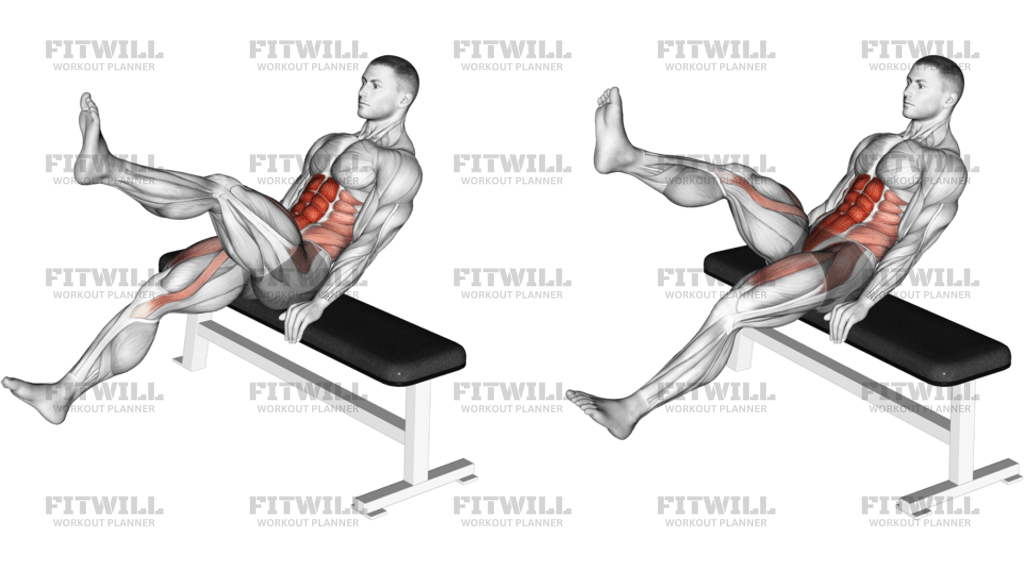
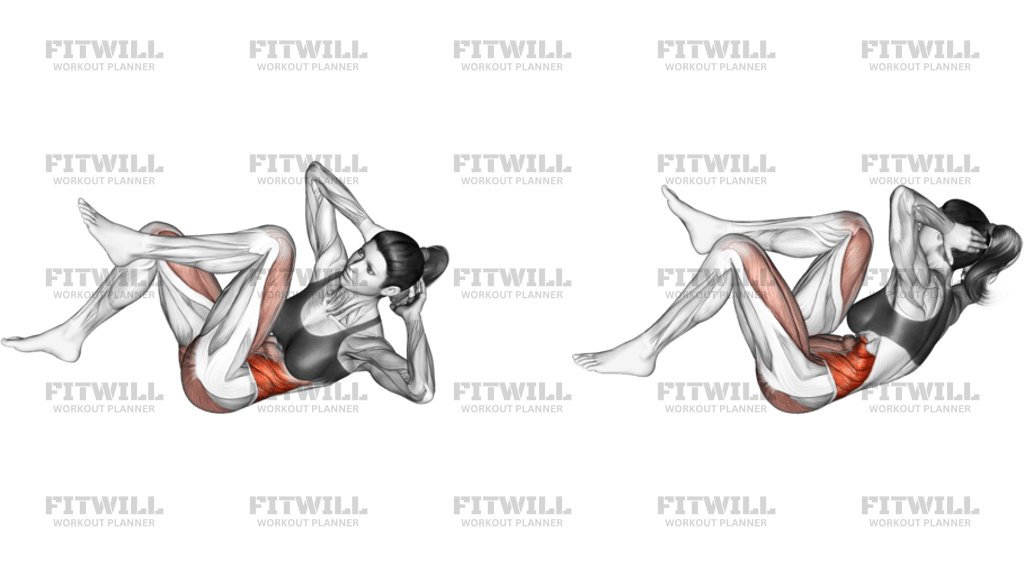
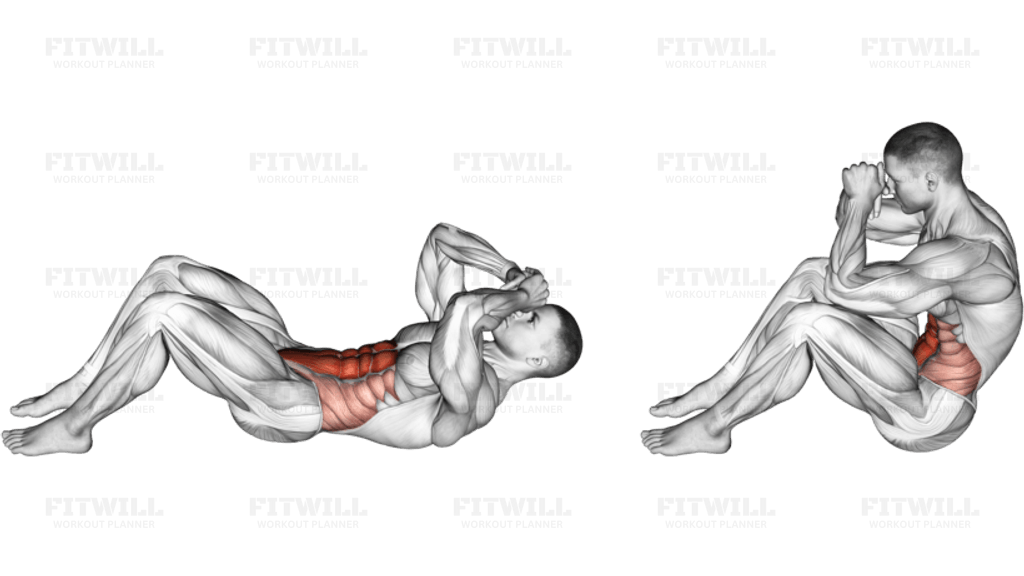
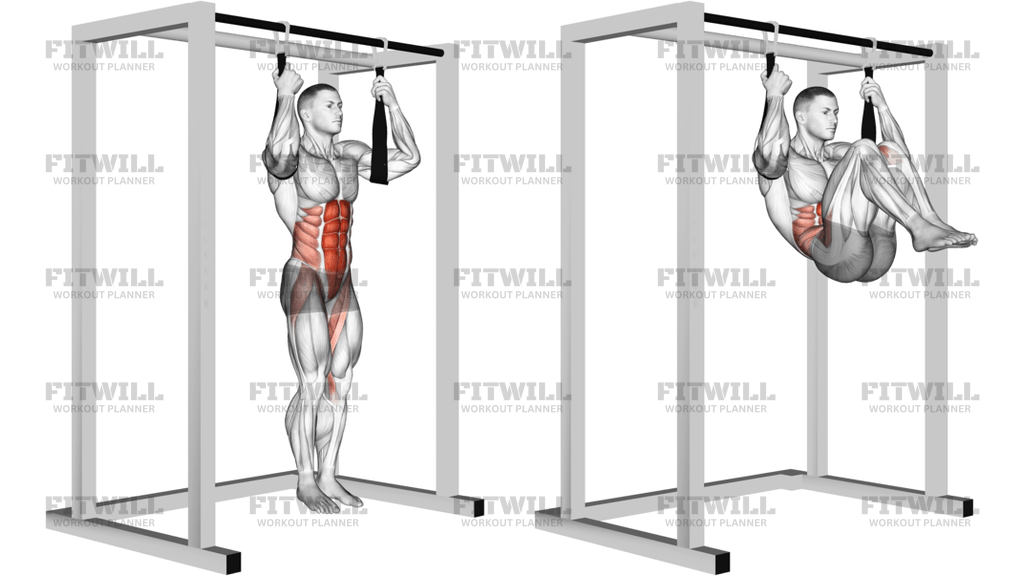
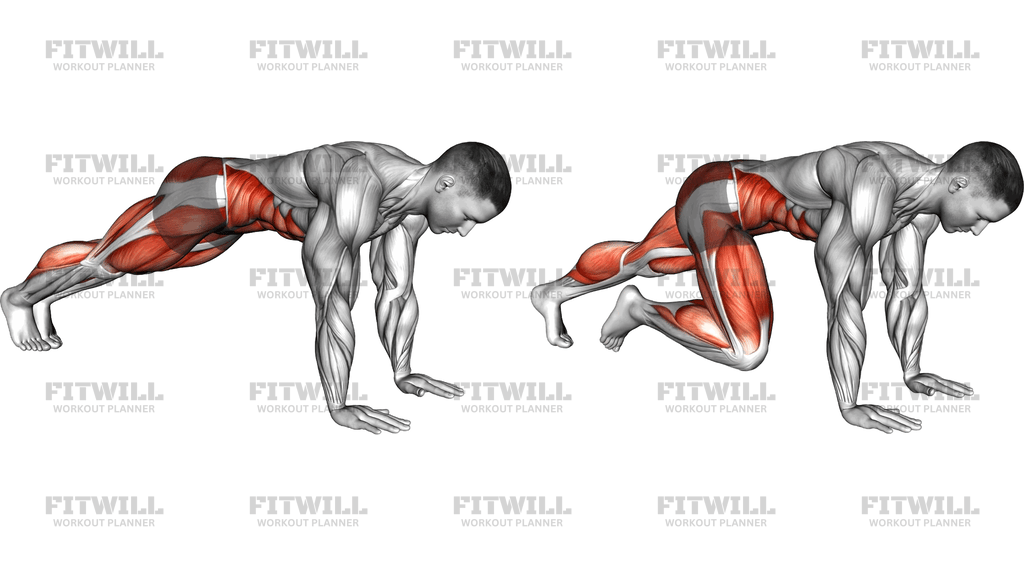
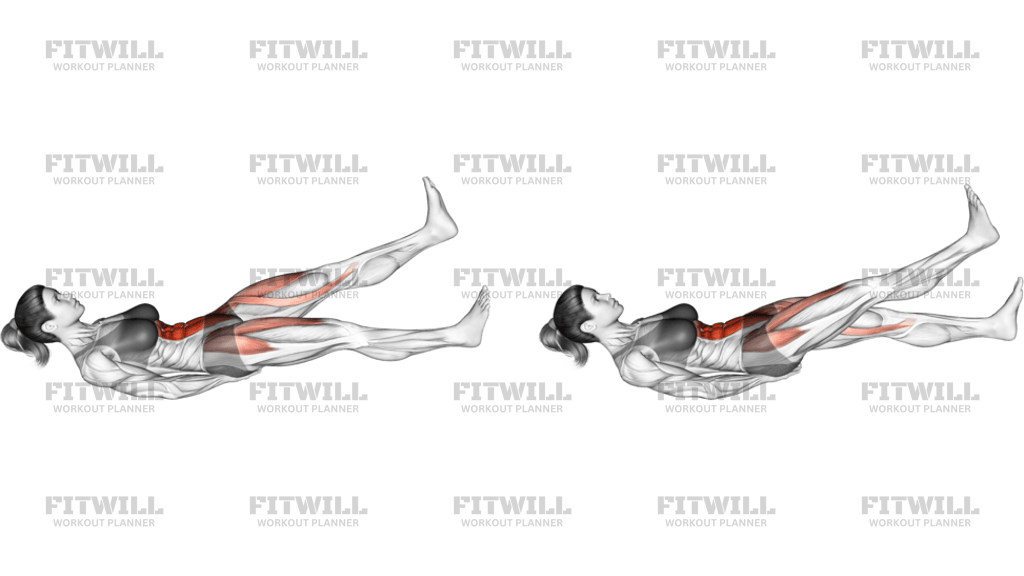
Seated Flutter Kick is a bodyweight core exercise performed on the edge of a flat bench. You sit back with your hands braced beside or slightly behind your hips, lean the torso back, and alternate quick but controlled leg kicks while keeping the trunk steady. The exercise looks simple, but the support position changes the demand: the bench frees the legs to move while the abdominals have to stop the torso from rocking and the hip flexors have to keep each leg lifted under control.
The main training effect comes from the abs, especially the rectus abdominis, with the hip flexors and obliques helping hold the pelvis and rib cage in position. Because one leg is usually extended while the other works, the exercise also exposes side-to-side control issues that are easy to miss in faster core drills. If the lower back starts to arch or the chest collapses, the workload shifts away from the trunk and the set turns into a swinging leg raise instead of a true flutter kick.
Bench setup matters. Sitting too upright makes the movement easy to cheat with momentum, while reclining too far can pull the pelvis into an uncomfortable arch. The best version keeps a long spine, a lifted chest, and the hands firmly planted so the torso stays anchored while the legs alternate. The kicks should stay low and rhythmic, with only enough range to keep tension on the front of the core and the front of the hips.
Use Seated Flutter Kick as an accessory core drill, warm-up activation, or conditioning finish when you want a low-equipment movement that challenges abdominal endurance and pelvic control. It works well for beginners who need a simpler core pattern than hanging leg work, but the exercise still rewards precision: smaller kicks, steady breathing, and a controlled trunk will always produce better reps than trying to force speed or height.
[ Workout Log & Planner ]
Put your next workout in Fitwill
Keep your plan and training log ready when you are.


Instructions
- Sit on the edge of a flat bench and place your hands beside or slightly behind your hips for support.
- Lean the torso back a few degrees so your chest stays open and your spine stays long.
- Lift both feet off the floor and extend one leg forward while the other stays slightly bent.
- Brace your abs before you start so your pelvis does not roll backward on the bench.
- Begin alternating the legs in small flutter kicks, keeping both feet low and the movement smooth.
- Keep the kicks quick enough to stay rhythmic, but not so fast that your hips start rocking.
- Exhale as one leg lowers or lifts, then keep breathing steadily through the set.
- Finish the set by lowering both feet with control and sit upright before letting go of the bench.
Tips & Tricks
- Press your palms into the bench to keep the torso fixed while the legs move.
- Keep the kicks low; if the feet rise high, the hip flexors usually take over and the abs lose tension.
- Aim for a slight lean back, not a full sit-up position, so the core stays under load the whole time.
- Keep the knees nearly straight, but do not lock them hard enough to strain the joints.
- Flex the ankles or keep the toes active so the legs feel long and controlled instead of floppy.
- If your lower back starts to arch, shorten the range and slow the tempo immediately.
- Think of the pelvis staying heavy on the bench while the legs alternate around it.
- Stop the set when you can no longer keep the rib cage down and the kicks even.
Frequently Asked Questions
What muscle does Seated Flutter Kick target most?
The rectus abdominis is the main target, with the hip flexors and obliques helping control the legs and pelvis.
Do I need a bench for Seated Flutter Kick?
A flat bench gives you the supported reclined position shown in the image and makes the exercise much easier to control than doing it on the floor.
How high should my legs lift during the flutter kicks?
Keep the kicks low and even. If the feet rise too high, the movement usually becomes a hip-flexor swing instead of a core drill.
Should my lower back stay pressed into the bench?
Your lower back should stay controlled and not aggressively arch, but the goal is not to flatten the whole spine hard. Keep a long torso and stop before the pelvis tips backward.
Can I bend my knees during the movement?
A small bend is fine if it helps you keep tension and control, but the legs should stay mostly long so the flutter pattern remains clear.
Is this a good beginner core exercise?
Yes. The bench support makes it a useful starting point for learning trunk control before moving to harder leg-raise variations.
What is the most common mistake on the bench?
Swinging the legs faster than the torso can stay still is the biggest problem. The set should look controlled, not frantic.
How do I make Seated Flutter Kick harder without weights?
Straighten the legs more, slow the tempo, hold the torso lower, or extend the working set time while keeping the kicks small and precise.