Cable Pallof Press With Glute Bridge
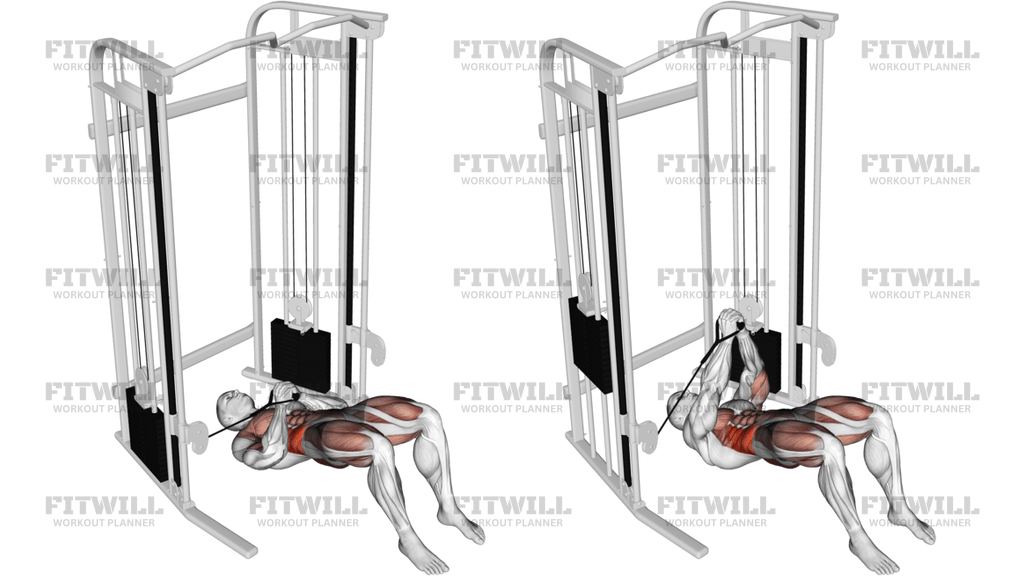
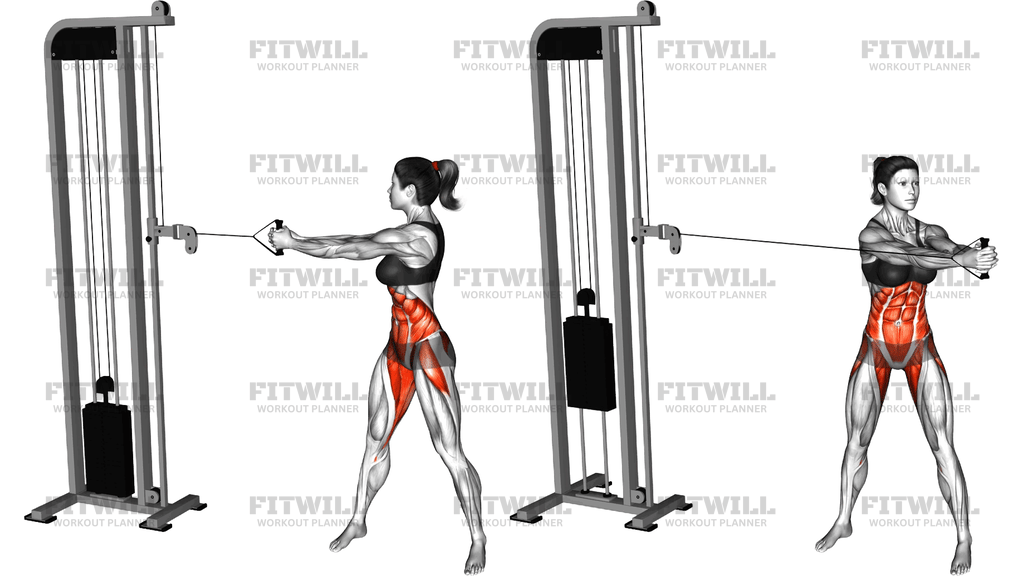
Cable Pallof Press With Glute Bridge is a floor-based anti-rotation press that combines a glute bridge with a cable press. It asks the hips, trunk, and shoulders to work together while the cable tries to twist the torso, so the goal is not just to move the handle but to keep the ribcage and pelvis square while the hips stay lifted.
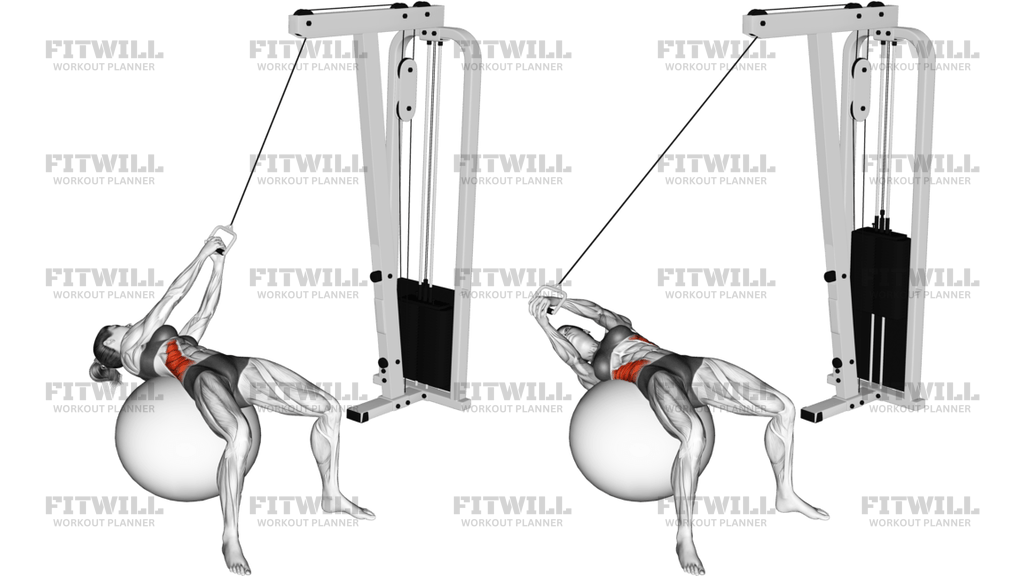
The exercise is usually done with a single handle on a low pulley and the lifter lying on the back with knees bent and feet planted. From that position, the glutes raise the hips into a bridge while the hands press the handle away from the chest. That creates a strong stability challenge through the waist and hips, especially if the cable is set off to one side and the line of pull wants to rotate the body.
This setup matters because the bridge and the press can easily turn into compensation if the load is too heavy or the feet are too far away. If the ribs flare, the low back arches, or the hips drift, the exercise stops training the intended anti-rotation pattern. A good rep feels like the glutes hold the bridge, the abs resist the twist, and the shoulders guide the handle straight out and straight back.
Use a controlled tempo and keep the movement honest. Press the handle only as far as you can without losing pelvis position, then bring it back to the chest before lowering the hips. The cable should feel like a steady sideways pull, not a yank. This is a useful accessory exercise for core stability, glute engagement, and trunk control in programs that need bridge work with an added anti-rotation demand.
It is best treated as a technique-driven strength or accessory drill rather than a maximal load lift. Beginners can use it with very light resistance if they can keep the bridge height, breathing, and torso position consistent. If the shoulders shrug, the low back takes over, or the torso rotates toward the cable, reduce the load and shorten the press until the pattern stays clean.
[ Workout Log & Planner ]
Put your next workout in Fitwill
Keep your plan and training log ready when you are.


Instructions
- Clip a single handle to a low cable pulley and lie on your back with your head away from the stack, knees bent, and feet flat on the floor.
- Hold the handle with both hands over the center of your chest, bend the elbows slightly, and shift your body just enough that the cable wants to pull you sideways.
- Plant your heels, brace your midsection, and drive your hips up until your shoulders, hips, and knees form a strong bridge line.
- Press the handle straight away from your chest without letting the shoulders rotate toward or away from the cable.
- Keep the ribs down and the glutes tight while the arms extend, then pause briefly with the handle out front.
- Bring the handle back to your chest under control while holding the bridge position.
- Lower your hips only after the press is finished, then reset your feet and ribcage before the next rep.
- Exhale as you press and inhale as you return, keeping the breathing smooth and unforced.
Tips & Tricks
- Start with the cable low enough that the handle can travel straight out from the chest without dragging the shoulder upward.
- Set the feet close enough to feel the glutes work, but not so close that the knees collapse over the toes.
- Think about pushing the floor away through the heels while the hips stay level; that keeps the bridge from turning into a lower-back arch.
- Press only as far as you can keep the sternum and beltline facing the ceiling instead of turning toward the pulley.
- Keep the elbows soft rather than locked hard, which helps the shoulders stay stacked over the ribcage.
- Use a lighter load than you would for a standing Pallof press because the bridge adds another stability demand.
- If the cable pulls one shoulder forward, shorten the press and rebuild the bridge before chasing more range.
- Stop the set when the hips start dropping faster than the handle returns, since that usually means the trunk has started to leak tension.
Frequently Asked Questions
What does the Cable Pallof Press With Glute Bridge train most?
It strongly trains the glutes and deep core while teaching the torso to resist rotation from the cable.
Why do I need the cable set low for this press?
A low pulley keeps the handle path clean and makes the sideways pull more obvious, which is what creates the anti-rotation challenge.
Should my hips stay up while I press the handle?
Yes. Keep the bridge lifted for the press so the glutes and trunk have to stay organized at the same time.
How far should I press the handle away from my chest?
Only as far as you can keep the ribcage square and the hips level. If the torso twists, the range is too long.
Can I do this exercise if my low back takes over in bridges?
Yes, but start very light and focus on a shorter bridge with the ribs down. If the back still dominates, reduce range or use a simpler bridge variation first.
What should I feel in the handle and shoulders?
The handle should feel steady and controlled, with the shoulders staying quiet. You should not need to shrug or punch hard to keep the press moving.
Is this more of a core exercise or a glute exercise?
It is both. The bridge makes the glutes work hard, and the press forces the core to resist the cable's twisting pull.
How do I progress the Cable Pallof Press With Glute Bridge?
First improve bridge stability and press control, then increase cable tension slowly or extend the press slightly farther while keeping the torso square.