Boat Stretch
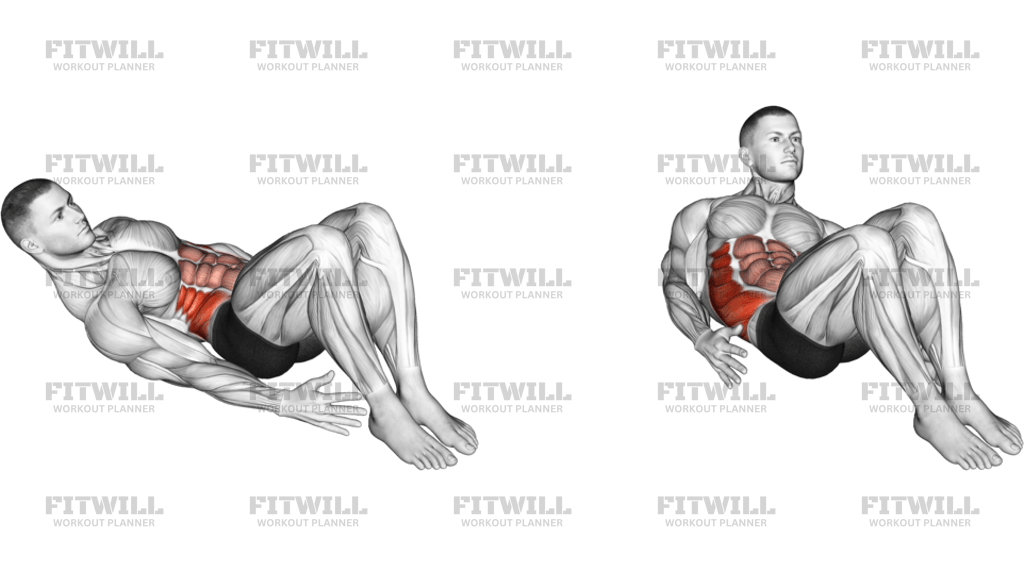
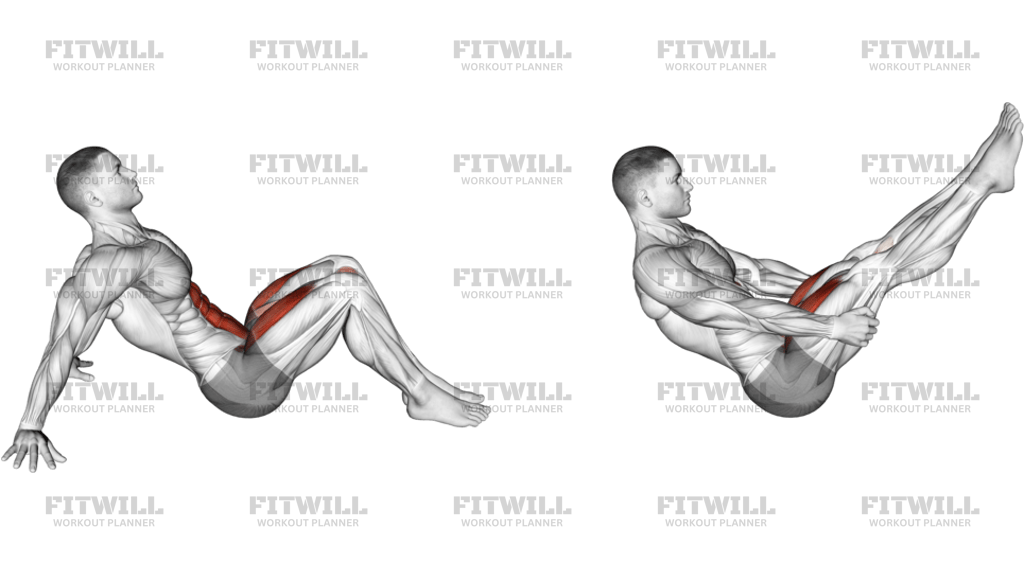
Boat Stretch is a floor-based core drill that starts from a supported seated lean and moves into a balanced V-sit. The image shows the hands braced behind the hips, the torso leaning back, and the legs working from a tucked position into a long, elevated line. That makes the exercise a blend of abdominal strength, hip-flexor control, and a strong anterior-chain stretch rather than a passive hold.
The main target is the rectus abdominis, with the obliques and deep core helping keep the trunk from collapsing as the legs lift and extend. The hip flexors stay active to hold the thighs up, while the shoulders and triceps help support the body against the floor. Because the body is balancing on a small base of support, the setup matters: if the hands are too close, the chest caves; if they are too far away, the shoulders take over and the trunk loses shape.
A clean rep begins by sitting tall, planting the hands slightly behind the hips, and creating enough support to lean back without rounding hard through the neck. From there, the knees can stay tucked or the legs can extend until the body makes a strong boat shape. The ribs stay down, the pelvis stays controlled, and the movement should feel like the abs are lifting the legs rather than the hips being thrown around by momentum.
Boat Stretch is useful when you want core endurance, better trunk control, or a strong loaded stretch through the abs and hip flexors. It fits well in warmups, core finishers, Pilates-style work, and mobility sessions that also need some active stability. Beginners can use a bent-knee version and shorter holds. Anyone with a cranky lower back should keep the torso angle more upright, reduce the lever length, and stop before the lumbar spine starts to pinch.
The best reps are smooth and repeatable. The neck stays long, the breathing stays calm, and the legs move only as far as the torso can support them. When the position starts to wobble, shorten the range instead of forcing a bigger boat shape. The goal is a controlled hold and return that leaves the abs working hard without dumping tension into the hips or lower back.
[ Workout Log & Planner ]
Put your next workout in Fitwill
Keep your plan and training log ready when you are.


Instructions
- Sit on an exercise mat with your knees bent and your feet on the floor, then place your hands behind your hips with your fingers turned slightly out or back.
- Lean your torso back a few inches so your arms can support some body weight while your chest stays open and your neck stays long.
- Brace your abs and lift both feet off the floor, keeping your knees tucked if you need an easier start.
- Draw your ribs down and gently tuck your pelvis so the movement comes from the trunk, not from swinging the legs.
- Hold the tucked boat position for a moment, then extend your knees until your shins or legs reach the longest position you can control.
- Keep the thighs lifted as you straighten the legs; do not let the heels drop below a level you can support.
- Exhale as you lengthen the legs and inhale as you bring the knees back in or return to the tucked version.
- Lower the feet to the mat with control when the set is done, then reset your hands and posture before the next rep.
Tips & Tricks
- Move your hands a little farther behind you if your shoulders feel crowded; that usually makes the lean easier to hold.
- If your hip flexors cramp, keep the knees bent longer and shorten the leg-extension phase instead of forcing straight legs.
- Think about lifting the legs with the lower abs rather than trying to hold them up by locking the thighs tight.
- Keep the chest open, but do not flare the ribs; rib flare usually shifts the work away from the abs and into the low back.
- A slight posterior pelvic tilt helps the boat shape feel strong and prevents the lower spine from arching too much.
- If your neck tightens, look forward instead of tucking your chin hard; the head should stay in line with the torso.
- The harder version is a straighter knee line, not faster movement; speed usually makes the position collapse.
- Stop the set when the torso starts to shake so much that you lose the V-sit shape or the shoulders start to shrug.
Frequently Asked Questions
What muscles does Boat Stretch work most?
It mainly hits the rectus abdominis, with the obliques and deep core helping stabilize the torso.
Why are my hands placed behind my hips?
The hands behind the hips act as a kickstand so you can lean back and keep the chest open while the abs do the work.
Can I keep my knees bent the whole time?
Yes. Bent knees are the easiest version and are a good choice if your hamstrings or hip flexors are tight.
How do I know if I am in the right boat position?
You should feel the abs and hip flexors working while the torso stays long, the ribs stay down, and the legs stay lifted.
Why do my hip flexors cramp during this exercise?
That usually means the legs are straightening faster than the core can support. Keep the knees bent longer and reduce the lever length.
Is Boat Stretch supposed to be painful in the lower back?
No. A strong abdominal burn is normal, but a pinching or sharp low-back feeling means the torso angle or leg position needs to be reduced.
How is this different from a regular boat hold?
This version starts with the hands behind you for support, so it is easier to lean back and control the lift before extending the legs.
How can I make Boat Stretch easier for beginners?
Keep both feet closer to the floor, hold the knees bent, and use the hands more heavily so the trunk can learn the balance first.