Seated Lower Back Stretch
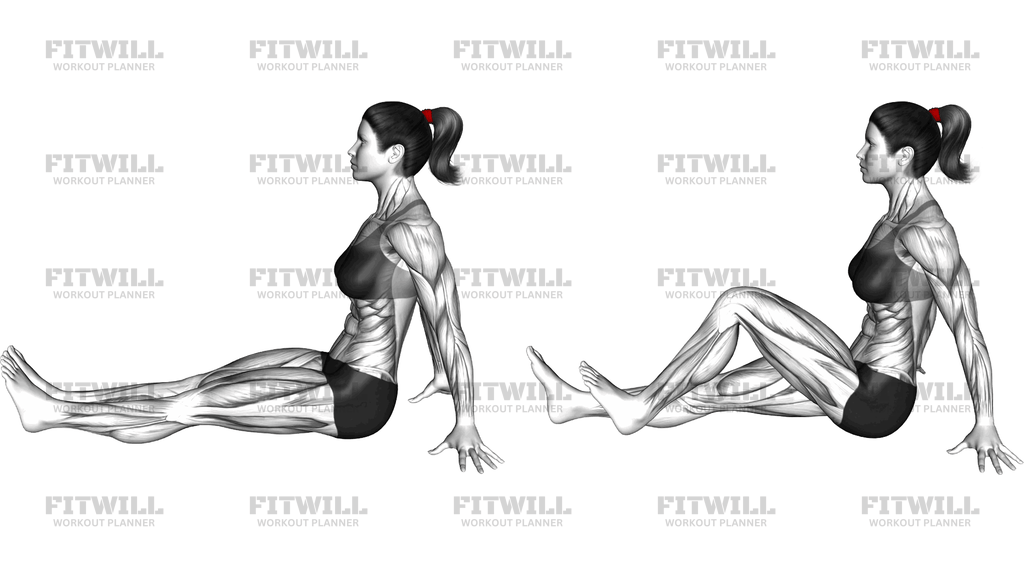
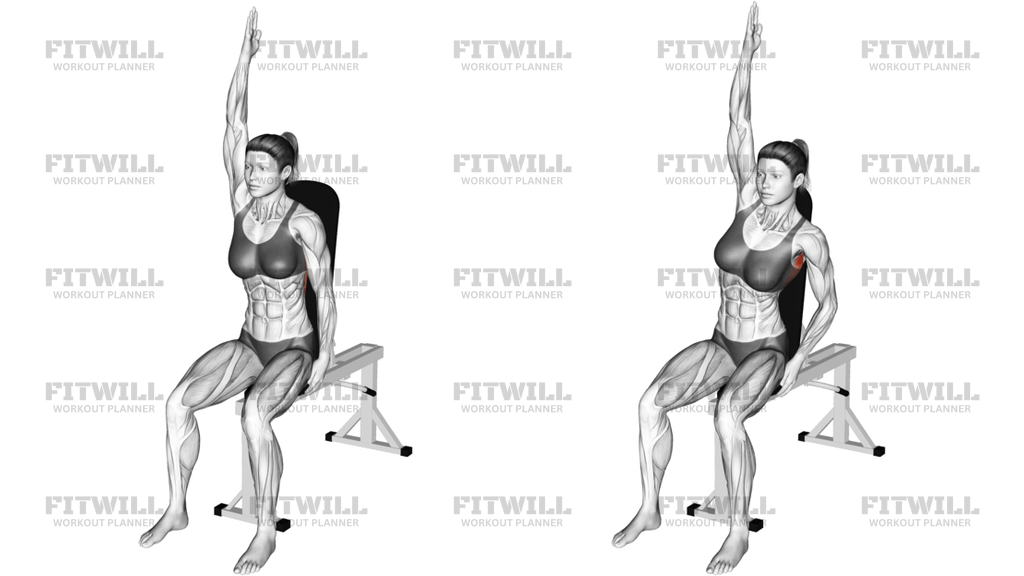
Seated Lower Back Stretch is a seated bodyweight mobility exercise that uses a bench or mat to create a controlled side-bending stretch through the waist, lower back, and trunk. In the image, the lifter sits tall with one hand braced beside the hip and the opposite arm reaching overhead, then leans away from the raised arm to lengthen the side of the body. The setup matters because the bench gives you a stable anchor for the pelvis while the upper body moves into a clean arc instead of collapsing forward or twisting.
The main benefit of this stretch is targeted length through the low back and the tissues that connect the ribs, pelvis, and shoulder girdle. When done well, it can help reduce stiffness after sitting, improve comfort before training, and create a better overhead position for pressing, pulling, or reaching work. The stretch should feel long and open through the side of the trunk, not sharp in the spine or pinchy in the shoulder. Keep the rib cage stacked over the pelvis and let the reach come from side bending, not from arching the lower back.
The working side is usually the side that stays long while the supporting hand presses lightly into the bench for balance. That support lets you control the range and keep the torso from drifting or rotating. The raised arm should stay active so the shoulder does not shrug aggressively toward the ear. A smooth breath out helps the ribs soften and the stretch deepen without forcing the position. If you are using this as part of a warmup or cooldown, the goal is steady, repeatable positions rather than an extreme end range.
This exercise is useful after heavy lifting, long periods of sitting, or as a preparatory drill before movements that ask the torso to stay tall and organized. Because it is a low-load mobility drill, beginners can usually tolerate it well, but they should move slowly and stay inside a pain-free range. The image shows a seated side-bend variation that may also be used to open the lats and flank, so if the stretch feels more in the side body than directly in the low back, that is expected. Keep the motion deliberate, reset between sides, and do not bounce into the bottom position.
Fitwill
Log Workouts, Track Progress & Build Strength.
Achieve more with Fitwill: explore over 9600 exercises with images and videos, access built-in and custom workouts, perfect for both gym and home sessions, and see real results.
Start your journey. Download today!




Instructions
- Sit upright on the bench or mat with both sit bones grounded and your feet flat for a stable base.
- Place one hand beside the hip on the seat or bench to brace, then reach the opposite arm straight overhead.
- Keep the chest tall and the ribs stacked over the pelvis before you start leaning.
- Exhale and side-bend away from the raised arm, letting the rib cage arc open instead of folding forward.
- Keep the bracing hand light so it supports balance without pushing the torso out of position.
- Reach long through the fingertips of the overhead arm as you hold the stretch for a slow breath or two.
- Stop the descent when you feel a clear pull through the side body or low back without pain or pinching.
- Inhale to return to the tall seated start position with control, then reset before switching sides.
Tips & Tricks
- Keep the pelvis heavy on the seat so the stretch comes from side bending, not sliding off the bench.
- Think about lengthening the space between your ribs and hip on the stretched side instead of chasing depth.
- If the shoulder feels cramped, let the raised arm angle slightly forward while staying overhead.
- Do not twist the chest toward the floor; this stretch should look like a clean side arc.
- A long exhale usually deepens the stretch better than forcing the torso farther over.
- If your lower back feels compressed, reduce the lean and focus on lifting the ribs away from the pelvis.
- Keep the supporting hand relaxed enough to stabilize, but avoid hanging your full bodyweight into it.
- Use a small range on tight days and build toward a bigger arc only when the side body opens smoothly.
Frequently Asked Questions
What does Seated Lower Back Stretch work most?
It mainly targets the lower back and side body, especially the tissues along the waist and trunk on the stretched side.
Why is one arm reaching overhead in this stretch?
The overhead reach helps lengthen the rib cage and side of the torso so the stretch runs more cleanly through the waist and flank.
Should I lean forward or sideways?
Lean sideways away from the raised arm. If you fold forward, you lose the side-body emphasis and turn it into a different stretch.
How much should I use the hand on the bench?
Use it lightly for balance and posture. Pressing too hard can shove the torso out of alignment and reduce the stretch quality.
Where should I feel the stretch?
You should feel a lengthening pull through the side of the lower back, ribs, and waist, with a mild opening in the shoulder if the arm is overhead correctly.
Is this a good warmup before lifting?
Yes. It works well before overhead pressing, pulling, or any session where you want the trunk to feel less stiff.
Can I do this if my lower back is tight from sitting?
Usually yes, as long as you keep the movement gentle and pain-free. Tightness should ease with controlled breathing rather than a hard pull.
What is the most common mistake?
The biggest mistake is collapsing forward or twisting instead of staying tall and bending cleanly to the side.