Crunch Hold
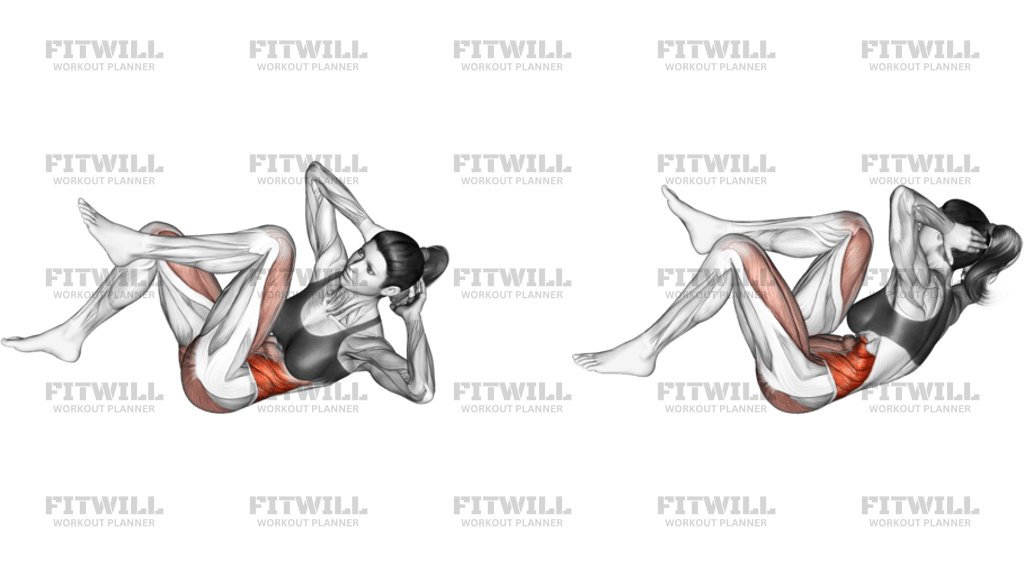
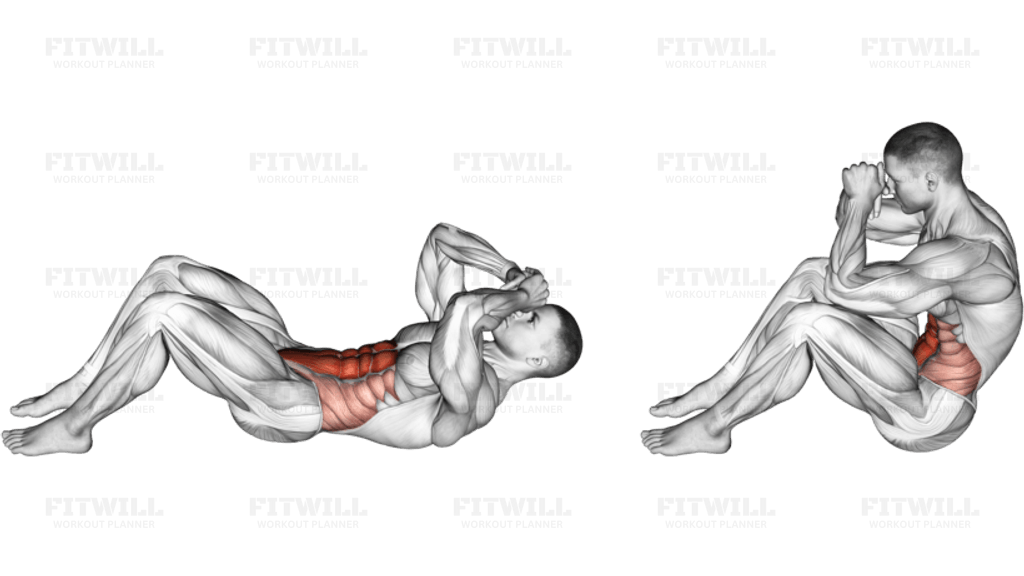
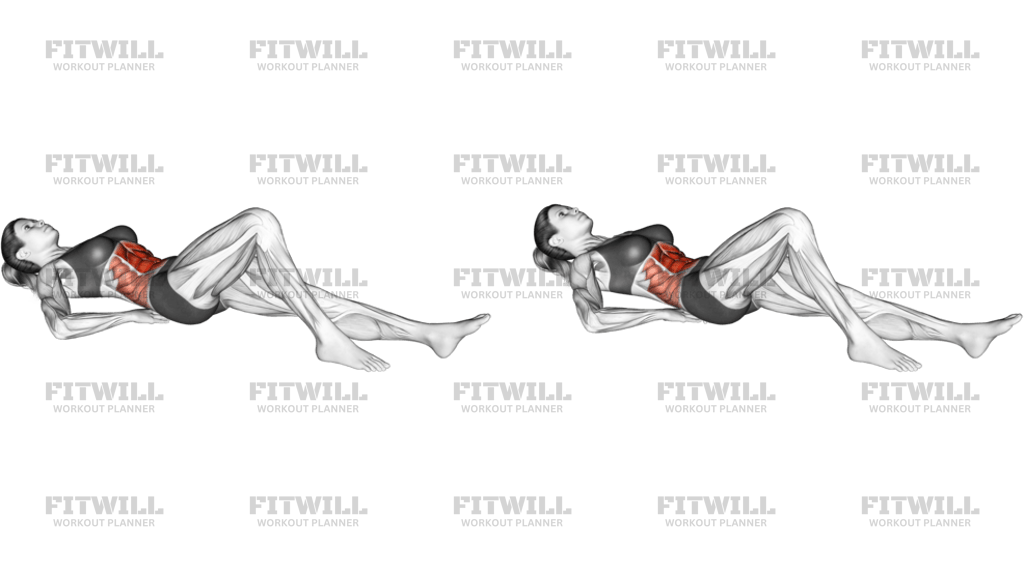
Crunch Hold is an isometric ab exercise performed from the floor with the lower legs supported on a bench. The body stays in the shortened crunch position instead of cycling through full sit-ups, so the set is about holding tension through the upper abs while the ribs stay tucked and the neck stays relaxed. The bench support helps keep the legs quiet, which makes it easier to isolate the trunk instead of turning the movement into a hip-driven swing.
This exercise mainly trains the Rectus Abdominis, with the Obliques and Transversus Abdominis helping resist extension and keep the torso braced. The hip flexors will still assist, especially if you press hard into the bench or let the torso drop too low, but the best version keeps the front of the abdomen doing most of the work. Used well, Crunch Hold is a simple way to build endurance, trunk control, and cleaner crunch mechanics without needing a lot of equipment.
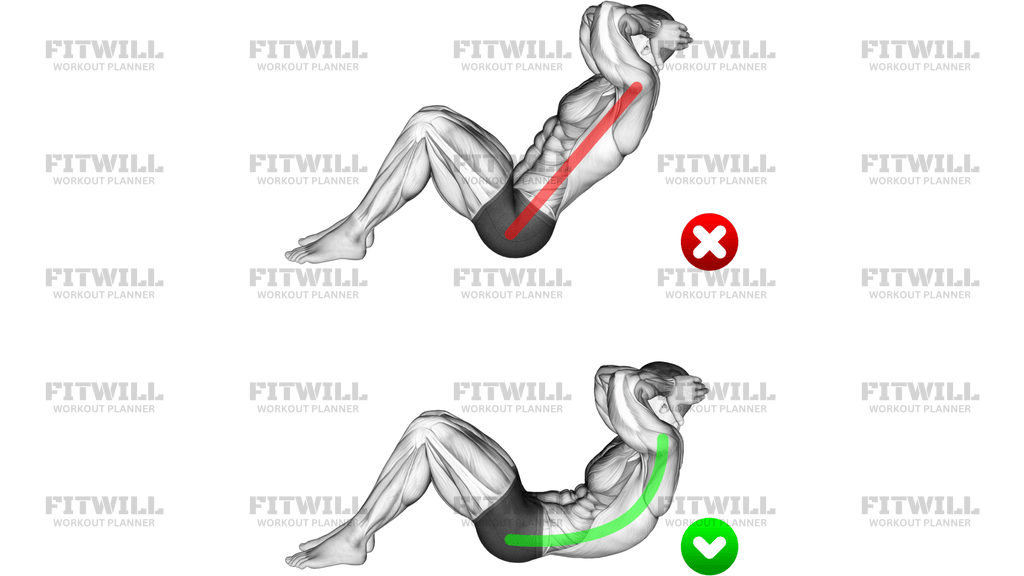
The setup matters because the position of the feet and pelvis determines whether the hold stays in the abs or leaks into the lower back and hip flexors. Lie flat, place the lower legs on the bench so the knees stay bent roughly to a right angle, and curl the shoulder blades off the floor before you start the hold. A light posterior pelvic tilt and a small exhale at the top help flatten the lower back gently into the floor and keep the ribcage from flaring.
During the hold, the goal is not to chase height but to keep the same crunch angle and the same tension for the whole set. Keep the chin slightly tucked, gaze up, and avoid pulling the head forward with the hands. If the shoulders drift down, the lower back arches, or the neck starts to tense, end the hold and reset instead of trying to save the rep with momentum.
Crunch Hold fits well in core blocks, accessory work, or as a low-equipment trunk drill between heavier lifts. It is also useful when you want ab work that is easier to control than rapid crunch repetitions. Beginners can usually handle it with short holds and a small range, while more advanced lifters can increase the challenge by holding longer, keeping the shoulders higher, or adding a light plate on the chest if the neck and rib position stay clean.
Fitwill
Log Workouts, Track Progress & Build Strength.
Achieve more with Fitwill: explore over 9600 exercises with images and videos, access built-in and custom workouts, perfect for both gym and home sessions, and see real results.
Start your journey. Download today!




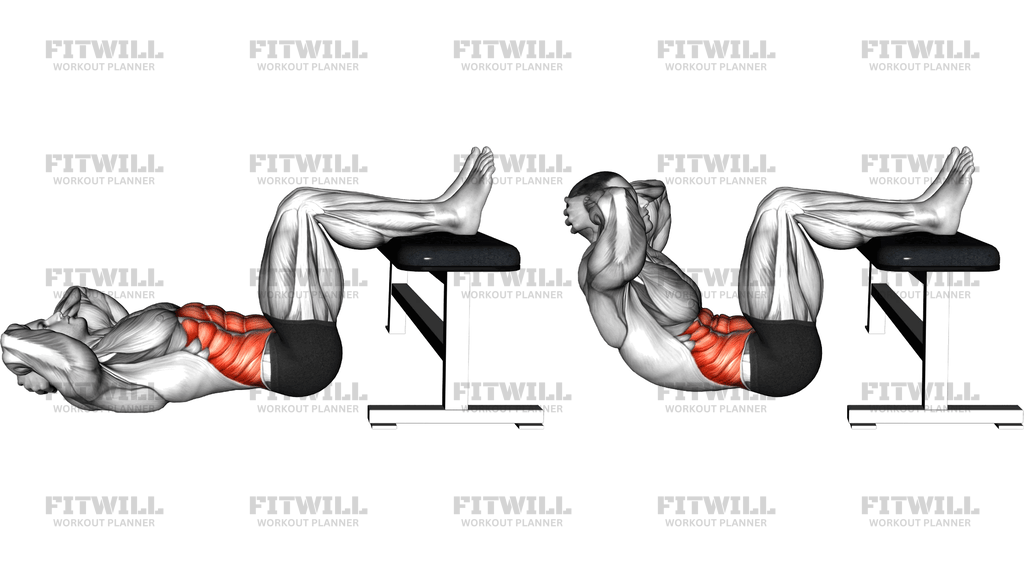
Instructions
- Lie on your back with your lower legs resting on a flat bench, knees bent about 90 degrees and feet relaxed.
- Set your feet so the bench supports your calves or heels without you pushing hard through the toes.
- Place your fingertips at your temples or lightly behind your ears, then keep the elbows open.
- Exhale and curl your ribs toward your pelvis until your shoulder blades lift a few inches off the floor.
- Keep your lower back gently pressed into the floor as you hold the top crunch position.
- Hold the crunch without letting the chest sink or the chin jut forward.
- Take short, controlled breaths while keeping the torso fixed in the same position.
- Maintain the hold for the programmed time or until the ab tension starts to fade.
- Lower the shoulder blades back to the floor with control, reset your breath, and repeat.
Tips & Tricks
- Keep the bench support passive; if you drive hard through your feet, the hip flexors will take over the hold.
- Think about shortening the space between your ribcage and pelvis instead of trying to curl your whole spine higher.
- A small exhale at the top helps lock in the crunch position and keeps the ribs from flaring.
- If your neck gets tired first, keep the chin slightly nodded and reduce the hold height rather than pulling with the head.
- The lower back should stay close to the floor; if it arches, the set is too long or the hold is too high.
- Use the bench only to support the legs, not to push the torso upward or create momentum.
- Short holds with perfect position are better than long holds where the shoulders slowly sink back down.
- Add a light plate to the chest only after you can keep the same torso angle for the whole hold.
- A narrow, ribcage-down crunch usually feels more like abs; a big leg push usually shifts the work into the hips.
Frequently Asked Questions
What muscles does Crunch Hold work?
It mainly trains the Rectus Abdominis, with the Obliques and Transversus Abdominis helping you keep the torso braced. The hip flexors assist, but they should not take over the hold.
Why are my feet on the bench during Crunch Hold?
The bench supports the lower legs so the torso can stay fixed in the crunch position without the feet driving the rep. That makes it easier to focus on ab tension instead of full sit-up momentum.
Should I feel Crunch Hold more in my abs or hip flexors?
You should feel the upper abs doing most of the work, with only some hip flexor involvement. If the front of the hips dominate, lower the crunch height and stop pressing the legs into the bench.
Where should my hands go in Crunch Hold?
Use fingertips at the temples or lightly behind the ears so you can support the head without pulling on it. Keep the elbows open instead of collapsing them forward.
How long should I hold Crunch Hold?
Start with short holds of about 10 to 20 seconds and only extend the time if the shoulder position and lower-back contact stay clean. The right duration is the one you can hold without your chest sinking.
Can beginners do Crunch Hold?
Yes. Beginners usually do best with a small crunch angle, short holds, and no added weight until they can keep the neck relaxed and the ribs tucked.
What should I avoid doing with the bench in Crunch Hold?
Do not press hard into the bench or use it to swing yourself higher. The bench is only there to support the legs while the abs maintain the hold.
How do I make Crunch Hold harder without changing exercises?
Hold the top position longer, keep the shoulder blades a little higher, or add a light plate across the chest. Increase one variable at a time so the torso angle stays consistent.