Kneeling Lat Stretch On Bench
Kneeling Lat Stretch On Bench is a supported mobility drill for the lats, triceps, shoulders, and the tissues that connect the rib cage to the upper arm. The bench gives you a fixed anchor so you can keep the stretch honest instead of turning it into a loose shoulder hang. With the knees on the floor and the elbows or forearms on the bench, the body can settle into shoulder flexion while the hips travel back to lengthen the side of the torso.
This is not a forceful shoulder opener. The goal is to create a long, steady line from the hips through the rib cage and out to the arms while keeping the neck relaxed and the low back from collapsing. The movement works best when you think about reaching the chest down and away from the bench rather than simply pushing the hips back as far as possible. That keeps the stretch focused on the lats and triceps instead of dumping pressure into the shoulders or lumbar spine.
Bench height and distance matter. If the bench is too high, the shoulders can shrug and the stretch becomes cramped. If you start too far away, the torso may shorten or the elbows may drift off the pad. A good setup lets the upper arms stay supported, the elbows point roughly forward, and the chest sink between the arms while the ribs stay controlled. The result is a repeatable stretch you can hold, breathe through, and use as part of a warm-up or recovery sequence.
Smooth breathing is what makes the position productive. As you exhale, let the ribs soften and the upper back broaden toward the floor. As you inhale, keep the same shape without forcing the range deeper. Small adjustments in hand angle, elbow placement, and hip distance can make a big difference in where the stretch lands. When it is done well, you should feel a clear lengthening along the sides of the back and into the back of the shoulders without pinching at the front of the shoulder.
Use Kneeling Lat Stretch On Bench before pressing, pulling, overhead work, or any session where the lats and shoulders need to move cleanly through overhead flexion. It is especially useful when the upper back feels tight after rowing, climbing, pulldowns, or a long day of desk posture. Keep the rep quality calm and consistent, and stop the stretch when the breath starts to get shallow or the shoulders lose their packed, supported position.
Fitwill
Log Workouts, Track Progress & Build Strength.
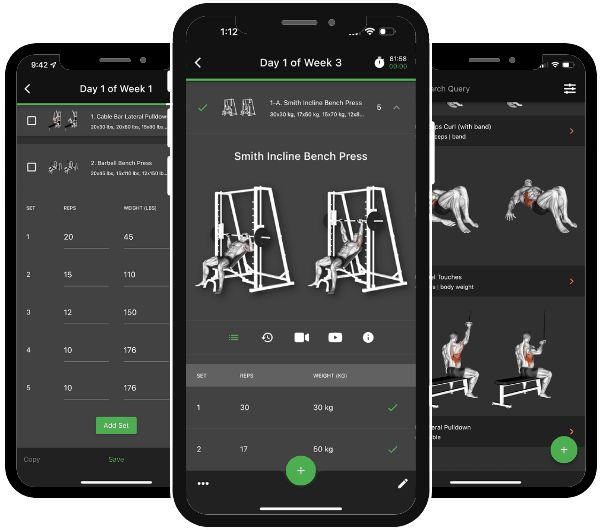
Achieve more with Fitwill: explore over 5000 exercises with images and videos, access built-in and custom workouts, perfect for both gym and home sessions, and see real results.
Start your journey. Download today!


Instructions
- Place a flat bench in front of you and kneel on the floor behind it with both knees down and your hips over your heels.
- Set your elbows or forearms on the bench pad, about shoulder-width apart, so your upper arms are supported and your chest faces the floor.
- Walk your knees back or forward until your shoulders feel open but not strained, then keep your neck long and your ribs from flaring.
- Brace lightly through your midsection and press your elbows gently into the pad to create a stable base.
- Sink your chest down between your arms while sending your hips back toward your heels.
- Let your upper back lengthen and your lats stretch along the sides of the rib cage as you keep the bench contact steady.
- Breathe out slowly and relax deeper only as far as you can keep the stretch smooth and pain-free.
- Hold the end position for the desired time, then walk the knees forward and return to the start without bouncing.
Tips & Tricks
- Keep your elbows or forearms firmly on the bench so the stretch comes from the torso, not from slipping shoulder support.
- If the shoulders shrug toward the ears, move your knees a little closer to the bench and shorten the range.
- Think about moving the chest down and away from the bench instead of aggressively pushing the hips back.
- A long exhale usually deepens the lat stretch more safely than forcing a bigger reach on the inhale.
- Keep the low back from arching hard; the stretch should lengthen the sides of the body, not jam the lumbar spine.
- If one side feels tighter, slightly rotate the torso toward that side only enough to feel a clearer line through the lat.
- Use a bench height that lets the shoulders stay supported without pinching the front of the joint.
- Stop before the stretch turns into numbness, tingling, or a sharp pull in the shoulder.
Frequently Asked Questions
What muscles does Kneeling Lat Stretch On Bench target most?
It primarily targets the latissimus dorsi, with help from the triceps, rear shoulder, and the tissues around the upper side of the torso.
Should my elbows stay on the bench or can I use my hands?
Elbows or forearms on the bench usually give the most stable stretch. Hands can work too, but they often shift the load into the shoulders and make it harder to relax.
How far back should my knees go?
Move the knees only far enough to feel a clear stretch through the lats and triceps while still keeping the ribs controlled and the shoulders supported.
Why do I feel this more in one side of my back?
A small torso shift, different shoulder mobility, or a tighter lat on one side can change where the stretch lands. That is normal as long as the stretch stays smooth and pain-free.
Is this a good warm-up before pulldowns or overhead pressing?
Yes. It can help open shoulder flexion and reduce the stiff feeling that often shows up before pulling or overhead work.
What should I do if I feel pinching in the front of my shoulder?
Shorten the range, bring the knees closer, and make sure the elbows are supported on the bench instead of drifting forward. If the pinch stays, stop the stretch.
Do I need to actively push down into the bench?
Only a light press is needed. The main job is to stay supported and breathe into the stretch, not to turn it into a strength hold.
How long should I hold the stretch?
A controlled hold of 15 to 30 seconds is typical, but the right duration is whatever lets you keep steady breathing and good shoulder support.