Bar Band Lying Alternate Leg Press
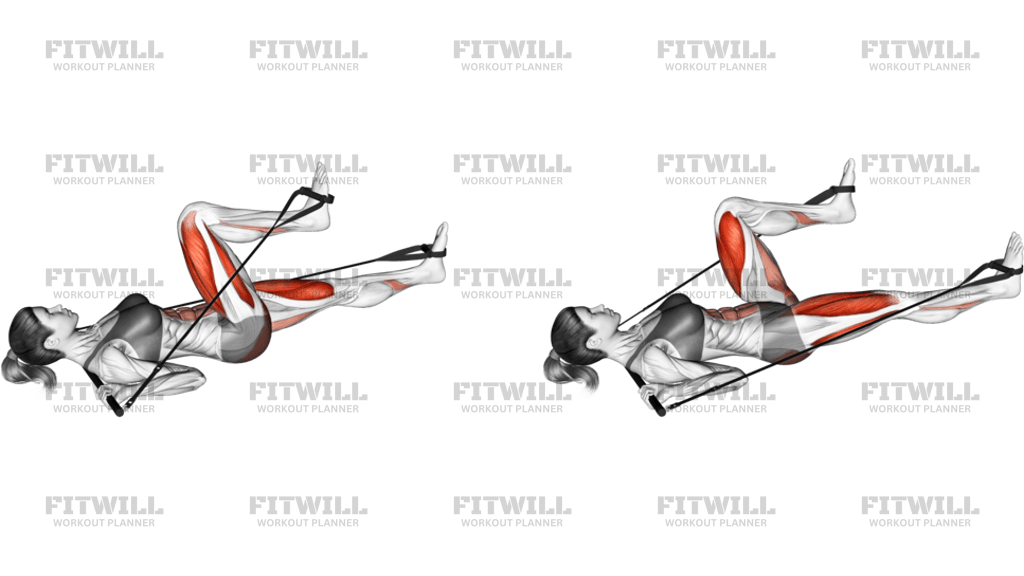
Bar Band Lying Alternate Leg Press is a floor-based alternating leg press done against band resistance. It trains the hips and thighs in a supine position, so you can focus on one leg pressing while the other stays organized instead of turning the movement into a fast, uncontrolled kick. Because you are lying down, the exercise also asks your core and pelvis to stay quiet while the working leg extends and returns.
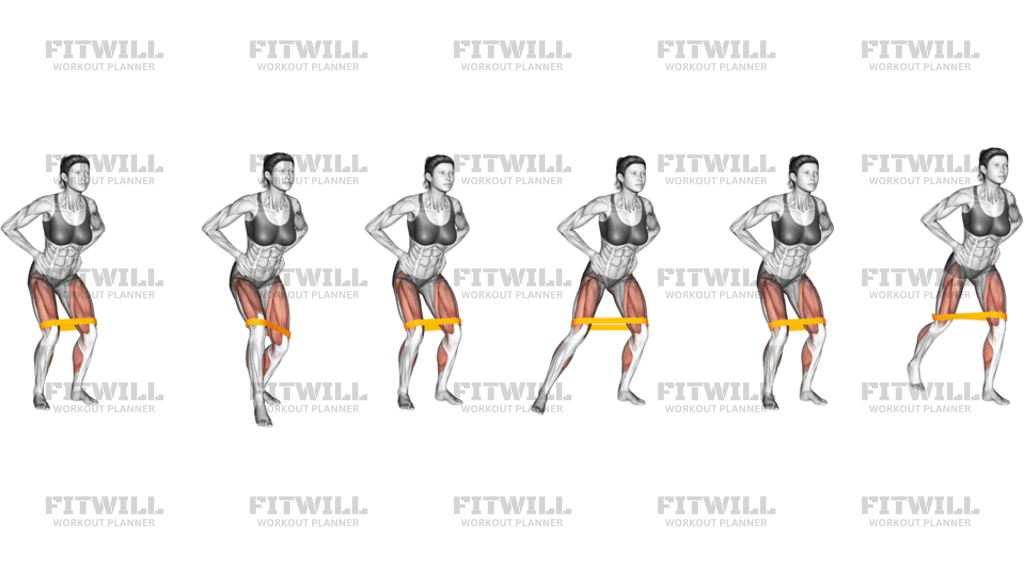
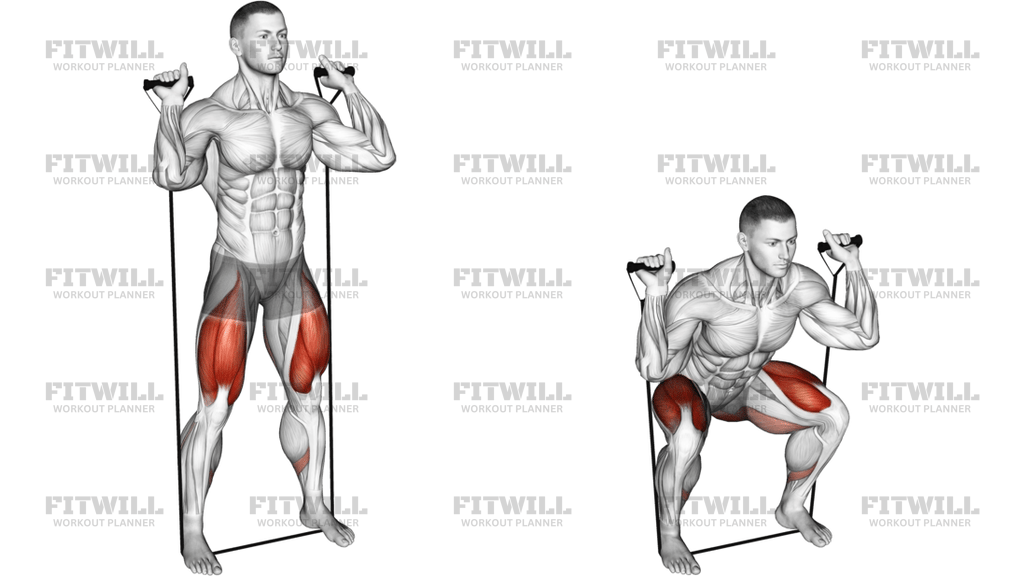
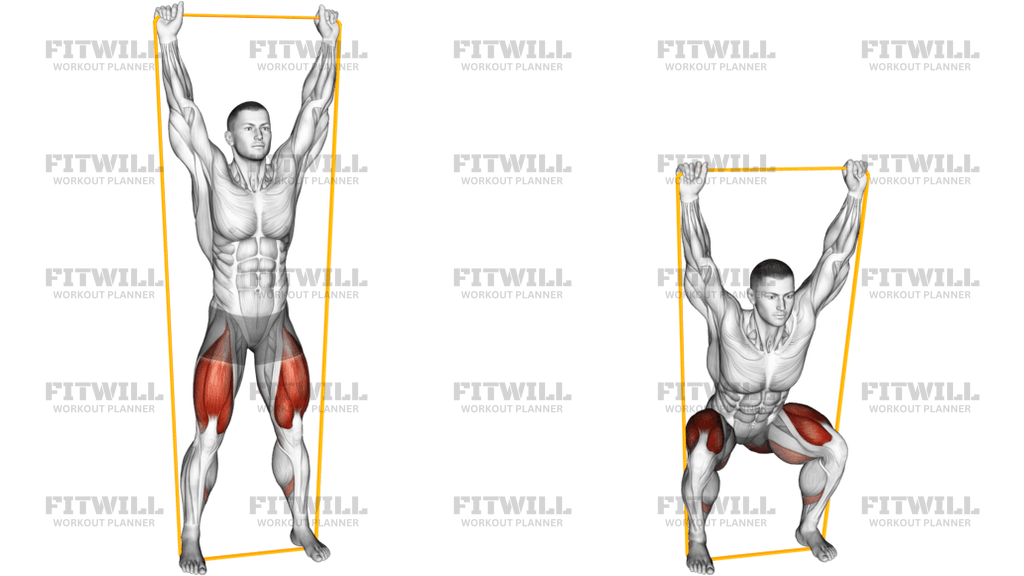
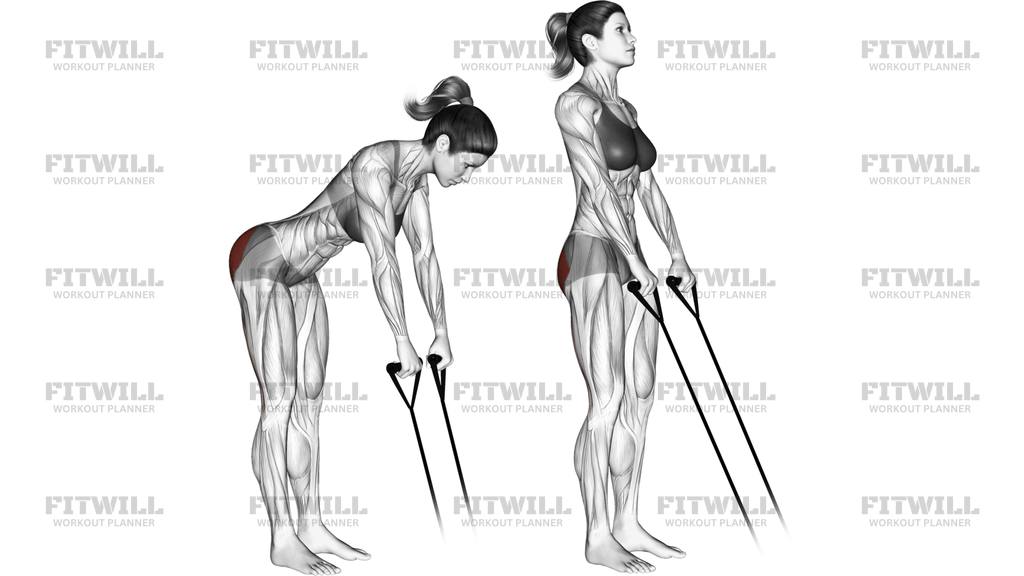
The setup matters because the band tension, foot position, and trunk position determine whether the exercise feels smooth or sloppy. In the image, the athlete lies on the back with the shoulders relaxed, one knee drawn in, and the opposite leg pressing away. That alternating pattern shifts the workload between sides while keeping the spine supported, which makes the drill useful for building leg drive, hip control, and side-to-side coordination.
This movement is especially useful when you want lower-body work without the loading demands of a machine or barbell. It can fit as a warm-up activation drill, a controlled accessory movement, or a higher-rep lower-body finisher. The press should come from the foot and hip, not from swinging the leg or arching the back to fake a bigger range.
Good reps feel steady: one leg presses out, the other returns under control, then the sides switch. Keep the pelvis level, keep the ribs down, and stop the set if the low back starts to peel away from the floor or the band begins pulling you out of position. Clean alternating reps matter more here than speed, because the value of the exercise is in tension, alignment, and repeatable control.
[ Workout Log & Planner ]
Put your next workout in Fitwill
Keep your plan and training log ready when you are.


Instructions
- Lie on your back on the floor or mat with your shoulders relaxed and your head supported.
- Set the bar or handle so the band is anchored securely and the resistance line stays centered over your torso.
- Bring one knee in toward your chest and keep the other leg ready to press, with both feet set so the band has even tension.
- Press one foot away from your body until that leg is long and the knee is nearly straight, but do not lock it hard.
- Keep the opposite knee soft and controlled while the working leg does the pressing.
- Lower the pressing leg back with control until you can switch sides without losing tension or pelvis position.
- Alternate legs for the planned reps, keeping the hips level and the ribs down.
- Exhale as you press and inhale as you return to the switch point.
Tips & Tricks
- Keep the low back heavy on the floor; if your ribs flare up, the band tension is probably too high.
- Press through the heel or midfoot instead of reaching with the toes, especially on the leg that is extending.
- Use a short, clean range if one hip starts lifting before the rep is finished.
- Keep the nonworking leg quiet; it should reset, not kick or bounce into the next rep.
- Choose a band tension that lets you switch sides without yanking the pelvis or shoulders around.
- Let the returning leg come back smoothly so the band never goes slack between sides.
- Keep your neck soft and your shoulder blades settled instead of gripping the floor with your upper body.
- Slow the alternating rhythm if you notice the band pulling the knees inward or outward unevenly.
Frequently Asked Questions
What does Bar Band Lying Alternate Leg Press train most?
It mainly trains the glutes and thighs, with the core working to keep the pelvis from rocking side to side.
Can beginners perform this exercise?
Yes. Start with light band tension and a small range so you can keep your low back on the floor while alternating legs.
Where should the band and bar be positioned?
The bar or handle should stay fixed and centered so the band pulls straight through the legs instead of twisting your torso.
What is the most common mistake with the alternating press?
The biggest error is letting the hips roll or the lower back arch when one leg extends farther than the other can control.
Should I lock out the leg at the top?
No. Finish the press with a strong but soft knee so the joint stays stacked and the band tension stays smooth.
Can I use this as a warm-up drill?
Yes. Light resistance and controlled alternation work well before squats, lunges, or other lower-body training.
What if one side feels much harder than the other?
That usually means one hip or foot is losing position. Shorten the range and keep the weaker side slow and deliberate.
How do I make the exercise harder without losing form?
Increase band tension, slow the return phase, or add more total reps while keeping the pelvis quiet and the switch controlled.