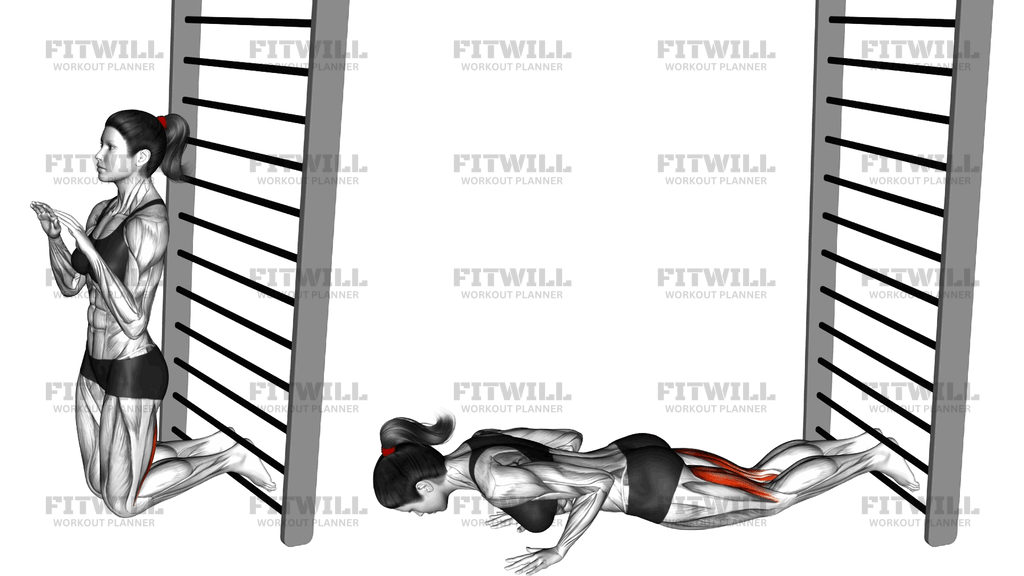
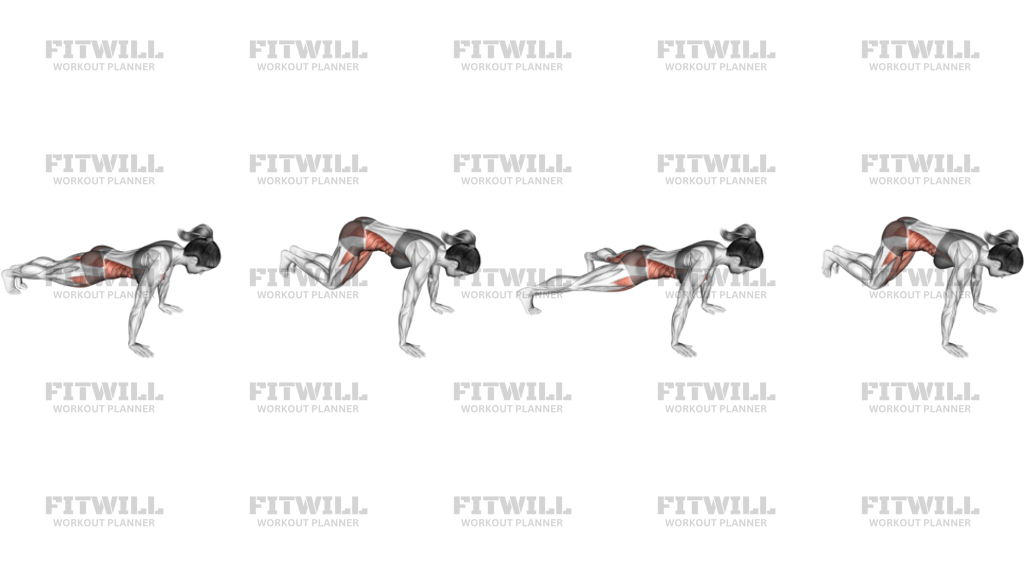
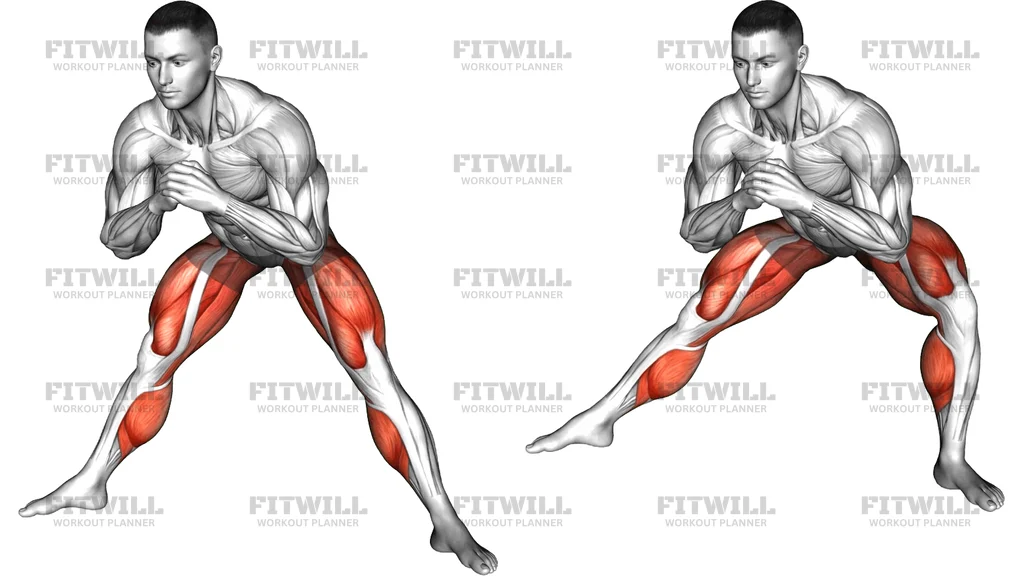
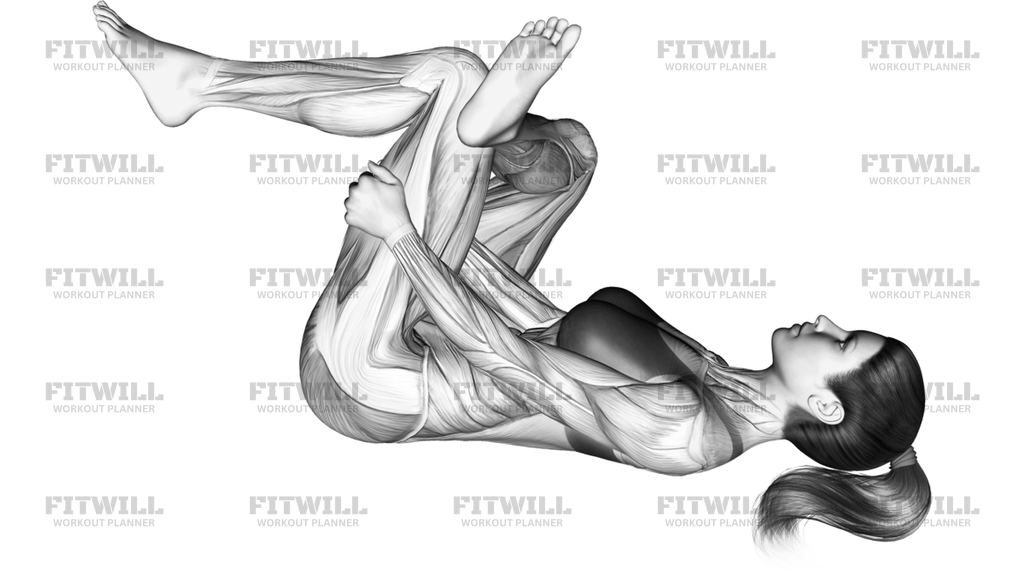
Inverted Row Slide
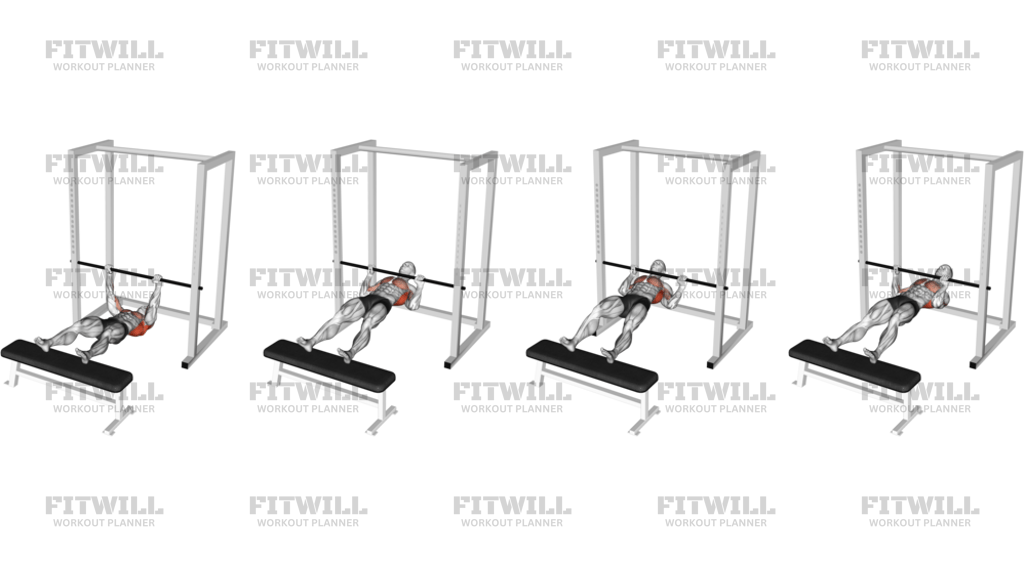
Inverted Row Slide is a bodyweight horizontal pull that develops the upper back, lats, rear shoulders, biceps, and trunk while your body stays supported under a fixed bar. The heel-supported setup makes the movement feel more controlled than a hanging row, but it still asks you to keep a rigid line from shoulders to feet and to pull without swinging. It is useful when you want a strict rowing pattern that teaches body tension, scapular control, and clean pulling mechanics.
The setup matters because the bar height and foot support determine how hard each rep feels and how stable the whole set will be. Set the bar in a rack or Smith machine at a height that lets you start with straight arms and shoulders still packed down, then place your heels on a flat bench so your body is long and braced. Grip the bar overhand and a little wider than shoulder width so the wrists stay stacked and the elbows can travel naturally.
Each repetition should begin from a quiet start, not a bounce. Pull your chest toward the bar by driving the elbows back and slightly down, keep the ribs from flaring, and let the shoulder blades slide back without shrugging. At the top, the chest should come close to the bar while the hips stay aligned with the shoulders and the legs stay fixed on the bench. Lower under control until the arms are straight again and the shoulders are still organized.
Inverted Row Slide works well as a strength builder, an accessory pull, or a regression for harder rowing and pull-up variations when you want to practice solid body position first. Because the feet are supported, it is easier to keep the torso honest and repeatable, which makes tempo, pause work, and clean reps especially valuable. If you can only row by craning the neck, kicking the hips, or losing tension through the middle, the bar is too low or the body angle is too aggressive.
Treat every set as a check on position, not just a test of how many reps you can grind out. A stable bench, a fixed bar, and a controlled lowering phase will do more for the exercise than extra speed or a bigger range you cannot own. When the shoulders stay down, the chest moves together with the arms, and the body line stays firm, Inverted Row Slide becomes a precise back exercise instead of a loose pull.
[ Workout Log & Planner ]
Put your next workout in Fitwill
Keep your plan and training log ready when you are.


Instructions
- Set a bar in a rack or Smith machine at about lower-chest height and place a flat bench behind you for your heels.
- Lie under the bar with your heels on the bench, legs straight, and your body in one long line from shoulders to ankles.
- Grip the bar overhand a little wider than shoulder width and start with your arms fully extended.
- Set your shoulders down away from your ears, tuck your ribs, and tighten your glutes before the first pull.
- Pull your chest toward the bar by driving your elbows back and slightly down.
- Keep your heels planted on the bench and avoid letting your hips sag or twist as you row.
- Pause for a beat at the top when your chest reaches the bar, then squeeze your upper back without shrugging.
- Lower yourself slowly until your arms are straight again, then reset your brace and repeat for the planned reps.
Tips & Tricks
- Raise the bar or bend the knees if you cannot keep the chest and hips moving together.
- Keep the bar close to lower-chest level; if it drifts toward the neck, the pull path is too high.
- Press your heels into the bench to keep the body from sliding out of position.
- Think about pulling the elbows toward the back pockets, not shrugging the shoulders up.
- A one-second pause at the top removes momentum and makes the upper back do more of the work.
- Lower with a slow count so the start position never turns into a drop.
- If your ribs pop up, reset and exhale before the next rep instead of forcing the pull.
- Stop the set when the bench support, bar height, or torso line starts changing rep to rep.
Frequently Asked Questions
What muscles does Inverted Row Slide work?
It mainly trains the upper back and lats, with help from the rear shoulders, biceps, forearms, and trunk while you keep the body rigid under the bar.
How do I set up the bar and bench for Inverted Row Slide?
Place the bar in a rack or Smith machine around lower-chest height, then put a flat bench behind you so your heels can stay elevated and your body stays long.
Should my elbows flare out during Inverted Row Slide?
Keep the elbows about 30 to 45 degrees from the torso and let them travel back and slightly down. Wide flaring usually turns the pull into a shruggy upper-trap rep.
Can beginners do Inverted Row Slide?
Yes. Beginners can raise the bar, bend the knees a little, or shorten the range until they can row without losing the straight body line.
Why do my hips sag when I row?
That usually means the bar is too low, the body angle is too hard, or the brace is slipping. Tighten the glutes, tuck the ribs, and make the row easier before the hips start dropping.
What is the best way to make Inverted Row Slide harder?
Lower the bar, straighten the legs, add a pause at the top, or slow the lowering phase. Those changes increase the demand without needing extra weight.
Is Inverted Row Slide safe for the shoulders?
It usually is when the shoulders stay down and the chest moves toward the bar instead of the neck. Stop if the rep turns into a shrug or causes pinching at the front of the shoulder.
What can I use instead of Inverted Row Slide?
A lower-bar inverted row, a suspension-trainer row, or a bent-knee bodyweight row will give a similar horizontal pulling pattern if this setup is not available.