Barbell Pin Close-Grip Bench Press
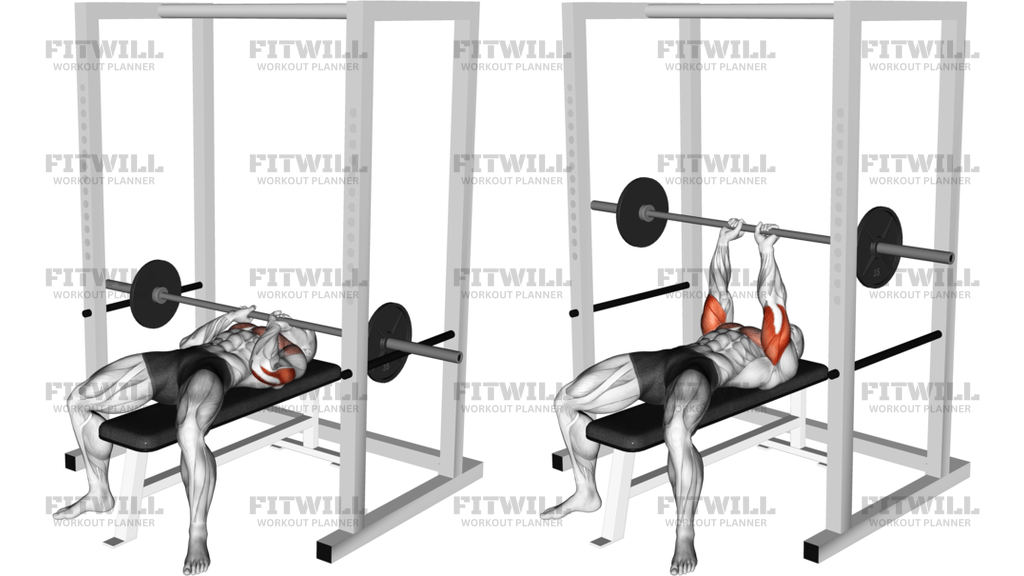
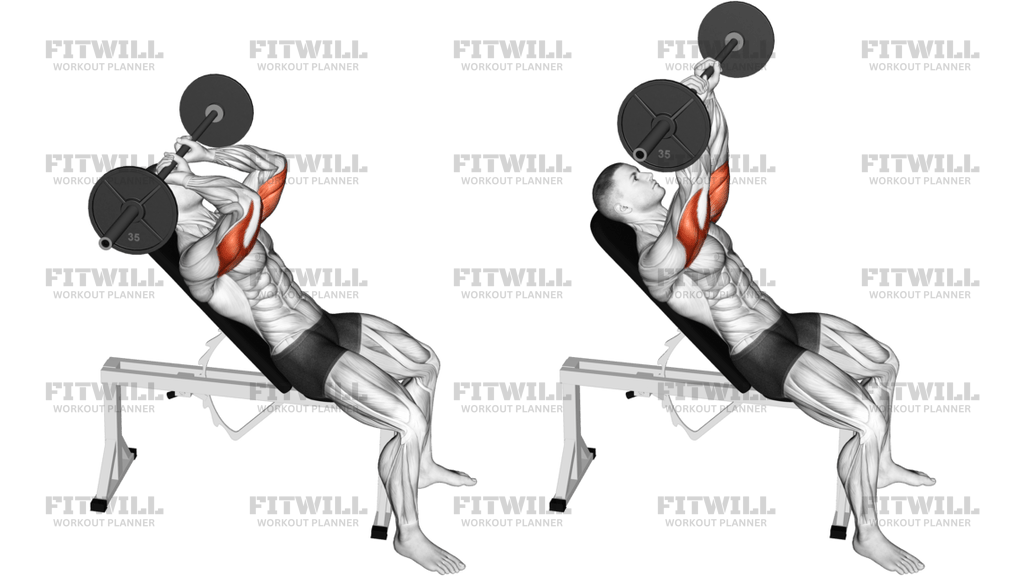
Barbell Pin Close-Grip Bench Press is a dead-stop pressing variation that starts from the rack pins instead of relying on a bounce or touch-and-go rhythm. The close hand position shifts more of the work toward the triceps while the chest and front shoulders still help drive the bar. That makes this movement useful for lifters who want stricter lockout strength, better control off the chest, or a bench press accessory that removes a lot of built-in momentum.
The pins matter because they define the bottom position. When they are set well, the bar settles just above the chest or at the lowest point you want to train, and every rep begins from stillness. That pause changes the challenge: you have to create force from a dead stop, keep the shoulder blades tight on the bench, and keep the bar path clean even when the weight feels heavier than a normal close-grip bench press.
A good setup starts with the bench centered in the rack, feet planted firmly, and the eyes under the bar. Grip the bar just inside shoulder width, then squeeze the shoulder blades together and down so the upper back stays pinned to the bench. Wrists should stack over the forearms, elbows should stay closer to the ribs than in a wide-grip press, and the bar should travel on a controlled line that finishes over the shoulder joint or upper chest rather than drifting toward the face.
Because the bar comes to a full stop on the pins, the repetition should be deliberate. Lower the bar until it rests lightly, reset your breath, and then press again without bouncing. If the pins are set too low, the range can get shoulder-heavy; if they are too high, the movement becomes a short partial press. The best version of Barbell Pin Close-Grip Bench Press keeps the torso stable, the elbows organized, and the rep quality consistent from the first lift to the last.
Use this exercise when you want pressing practice that is strict, repeatable, and easy to judge. It fits well as an accessory after a main bench press, as a triceps-focused strength builder, or as a controlled option when you want to train the top half of the press without losing the lower-body and upper-back tension that makes benching feel solid. Load selection should respect the dead-stop start: the same weight that feels manageable in a normal bench press will usually feel noticeably harder here.
[ Workout Log & Planner ]
Put your next workout in Fitwill
Keep your plan and training log ready when you are.


Instructions
- Center a flat bench under the bar and set the pins so the bar can settle just above your chest at the bottom of the press.
- Lie on the bench with your eyes under the bar, feet flat on the floor, and your shoulder blades squeezed together and down.
- Take a close grip just inside shoulder width, stack your wrists over your forearms, and keep your elbows tucked slightly toward your ribs.
- Unrack the bar or start it on the pins, then lower it under control until it touches the pins and comes to a complete stop.
- Inhale and brace before each press, then drive the bar up with a smooth path that finishes over your upper chest or shoulders.
- Keep your forearms close to vertical and avoid letting your elbows flare wide as the bar leaves the pins.
- Lower the bar back to the pins with control on every rep instead of letting it drop into the bottom position.
- After the last rep, guide the bar back into the hooks or safeties and keep your shoulders pinned to the bench until the bar is secure.
Tips & Tricks
- Set the pins just above chest level; if they sit too low, the shoulders take over, and if they sit too high, the press turns into a short partial.
- Keep the grip close, but not cramped. If your wrists bend hard or your thumbs crowd each other, widen the hands slightly.
- Pause long enough on the pins to remove the bounce. A clear dead stop is what makes Barbell Pin Close-Grip Bench Press different from a standard bench press.
- Press the bar slightly back as it rises so it finishes over the shoulders instead of drifting straight up toward the rack.
- Keep the shoulder blades locked to the bench from setup to rack-out. If they slide around, the bar path usually gets shaky too.
- Use a moderate load. The dead-stop start is harder than a touch-and-go rep, so the same weight will feel heavier.
- Drive your feet into the floor to keep your torso steady, but do not turn the rep into a glute bridge.
- If your elbows flare early, lower the load and bring the upper arms closer to your sides on the way down.
Frequently Asked Questions
What muscles does Barbell Pin Close-Grip Bench Press work?
It emphasizes the triceps most, with the chest and front shoulders helping drive the press. Your upper back and core also work to keep the bench position stable.
How is Barbell Pin Close-Grip Bench Press different from a regular close-grip bench press?
The bar starts from the pins, so you lose the bounce and have to press from a dead stop. That makes the bottom of the rep stricter and usually more demanding on the triceps.
Where should the pins be set for Barbell Pin Close-Grip Bench Press?
Set them just above the chest or at the lowest point you want to train. The bar should settle on the pins without crushing your shoulders or forcing a shortened range.
Should my grip be very narrow on Barbell Pin Close-Grip Bench Press?
No. A grip just inside shoulder width is usually enough to bias the triceps without stressing the wrists or forcing the elbows too close together.
Can beginners use Barbell Pin Close-Grip Bench Press?
Yes, as long as the load is light and the pins are set safely. Beginners should learn to keep the shoulder blades tight and lower the bar under control before adding weight.
Why does the bar feel harder off the pins?
Because you start each rep from a dead stop without stored elastic tension. That makes the first few inches of the press more demanding than a normal bench rep.
What is the most common mistake with Barbell Pin Close-Grip Bench Press?
Letting the elbows flare wide or bouncing the bar off the pins. Both shorten the triceps focus and make the rep less controlled.
Can I use Barbell Pin Close-Grip Bench Press as an accessory after heavy benching?
Yes. It works well as a stricter follow-up exercise when you want more triceps volume without repeating the exact feel of your main bench press.