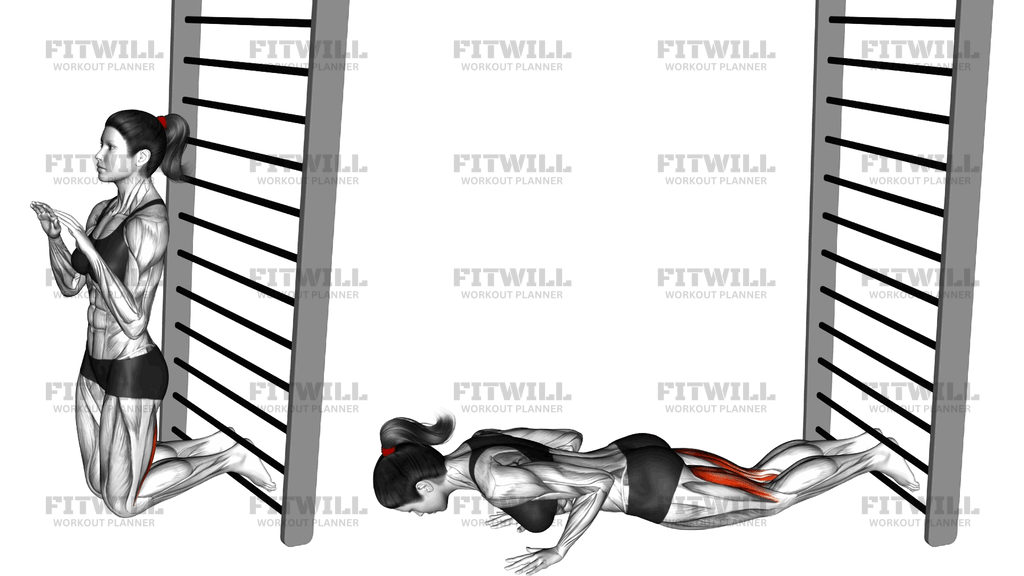
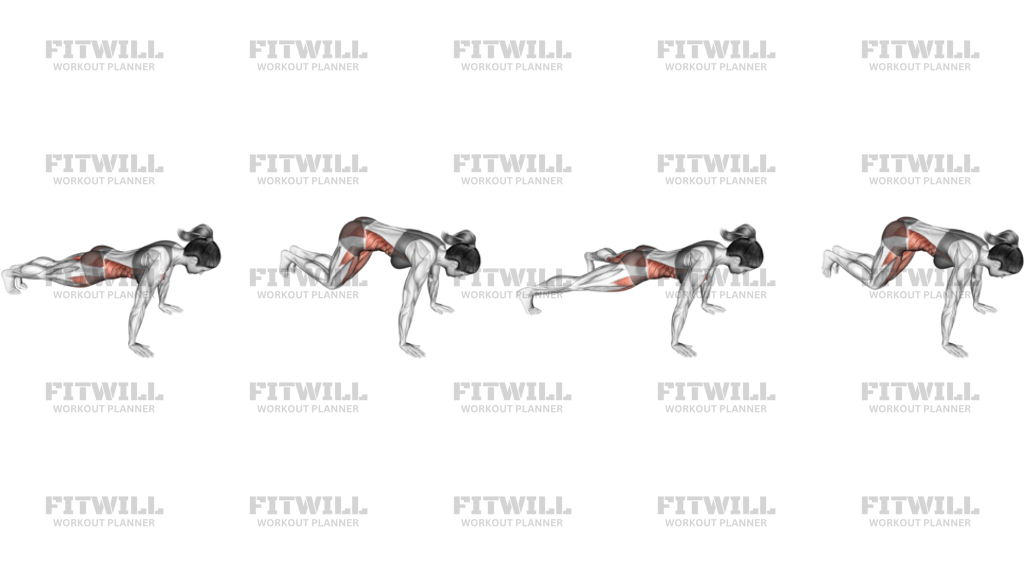
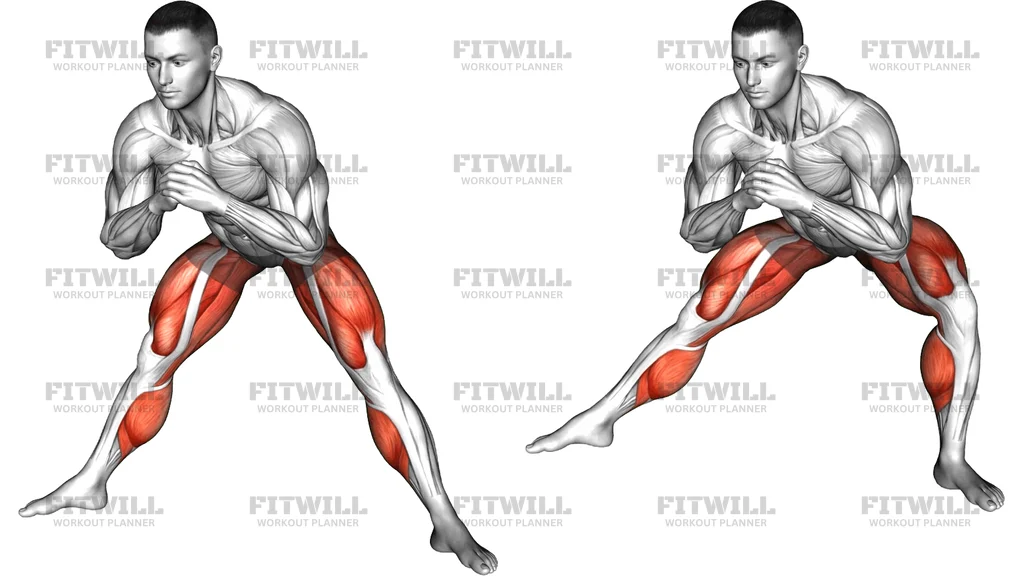
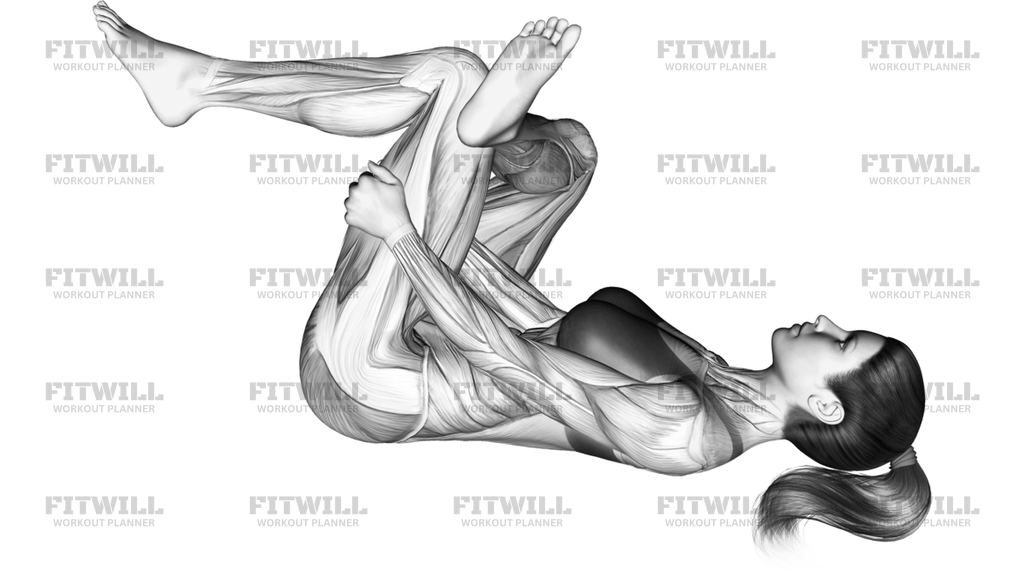
Leg Assisted Ring Pull-Up
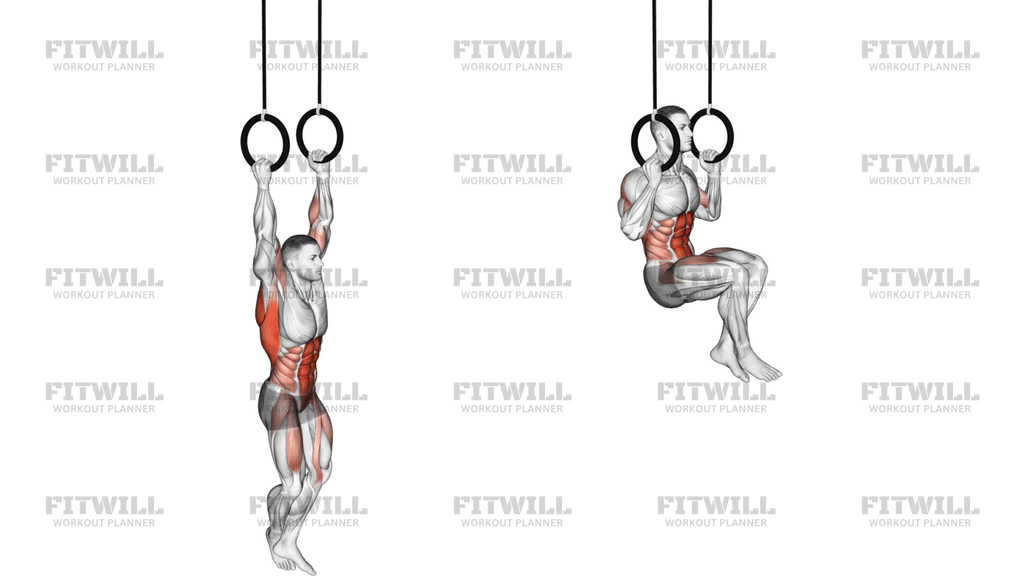
Leg Assisted Ring Pull-Up is a bodyweight pulling exercise that builds back, arm, shoulder, and core strength while asking the rings to stay steady under load. The rings let your hands rotate naturally, which can feel friendlier on the shoulders than a fixed bar, but they also make the movement more demanding on control. That is why this exercise is useful for lifters who need a strict pulling pattern, not just a bigger rep count.
The main work comes from the lats, upper back, and biceps, while the abs and glutes help keep the torso from swinging. The leg assistance reduces how much bodyweight you have to pull, so you can practice a clean path and consistent tempo before moving to stricter ring pull-ups. In practice, that means the legs should help only enough to keep the rep smooth, not enough to turn the movement into a standing push.
A good setup starts with the rings set high enough that your arms can straighten fully at the bottom. Grip each ring with a neutral hand position, then bend the knees and place the feet lightly in front of you or on the floor or a box if your setup uses one for assistance. Keep the chest open, ribs down, and shoulders away from your ears before you start the first pull.
On each rep, drive the elbows down and back while pulling the rings toward the upper ribs or lower chest. Keep the torso from kicking or rocking, and let the legs contribute only the minimum assistance needed to keep the pull controlled. At the top, bring the chest close to the rings, pause briefly, then lower yourself under control until the arms are long again.
This exercise works well as an accessory strength movement, a technical drill for beginners, or a regression when full ring pull-ups are too heavy. It is also useful for building better scapular control and a stronger lockout without the momentum that often shows up on bar pull-ups. If the shoulders feel pinchy or the body starts to swing, shorten the set, add a little more leg help, or reduce the range until every rep stays smooth.
Treat the leg assist as a tool, not a crutch. The goal is to own the pull from a dead hang to a strong top position with the rings steady, the neck relaxed, and the lowering phase just as controlled as the lift. When that pattern looks clean, you can gradually reduce the help from the legs and make the movement more demanding over time.
Fitwill
Log Workouts, Track Progress & Build Strength.
Achieve more with Fitwill: explore over 9600 exercises with images and videos, access built-in and custom workouts, perfect for both gym and home sessions, and see real results.
Start your journey. Download today!




Instructions
- Set the rings high enough that your arms can fully straighten at the bottom, then stand or place a light support under you so your knees are bent and your feet can help only as needed.
- Grip each ring with your palms facing in, keep your wrists neutral, and let your shoulders settle down away from your ears before you pull.
- Lean back just enough to create a clear pulling angle while keeping your ribs stacked over your pelvis and your neck long.
- Start from straight arms and a quiet body, then inhale to brace before the first pull.
- Pull the rings down toward your upper ribs or lower chest by driving your elbows down and back.
- Use the legs only as a light assist so the torso stays smooth instead of swinging or kicking upward.
- Bring your chest close to the rings at the top and squeeze your upper back for a brief pause.
- Lower yourself slowly until your elbows are straight again, keeping the rings steady and the shoulders packed.
- Reset your body position before the next rep so each repetition starts from control, not momentum.
Tips & Tricks
- Keep the rings just outside shoulder width; a wider hand position usually makes the shoulders work harder than the back.
- If the legs are doing most of the work, step farther away from the support or reduce the help so the pull stays honest.
- Think about pulling the elbows toward your pockets instead of yanking with the hands.
- Stop the rep when the chest reaches the ring line; turning the movement into a chin-over-rings race usually shortens the back work.
- A 2- to 3-second lowering phase makes the assist less tempting and builds cleaner strength.
- Keep the sternum lifted slightly, but do not flare the ribs so much that the low back starts to arch.
- If one ring drifts higher than the other, reduce the load and keep both elbows moving at the same speed.
- Let the feet help only enough to keep the pull smooth; a hard push from the legs changes the exercise into something else.
Frequently Asked Questions
What muscles does Leg Assisted Ring Pull-Up work most?
It mainly trains the lats and upper back, with a strong contribution from the biceps, rear shoulders, grip, and core.
How much leg help should I use on Leg Assisted Ring Pull-Up?
Use just enough help to keep the rep smooth and controlled. If your legs are driving the way up, you are taking too much load off the pull.
Why use rings instead of a straight pull-up bar?
The rings let your hands rotate naturally, which can feel easier on the shoulders and allow a more natural elbow path while still challenging the back.
Can beginners do Leg Assisted Ring Pull-Up?
Yes. The leg assist makes it a good stepping stone for beginners who need a controlled pulling pattern before strict pull-ups.
Where should my chest go during the pull?
Aim the chest toward the space between the rings or the lower edge of the rings, not just toward your chin.
What is the most common mistake with this exercise?
The biggest mistake is kicking through the rep and letting the lower body create the pull instead of the back and arms.
Should the lowering phase be slow?
Yes. A controlled descent keeps tension on the back and makes it easier to track whether the leg assist is actually light enough.
How can I make Leg Assisted Ring Pull-Up harder?
Reduce the leg help, pause longer at the top, or slow the eccentric before moving to a stricter ring pull-up.