Lever Pendulum Squat Plate Loaded
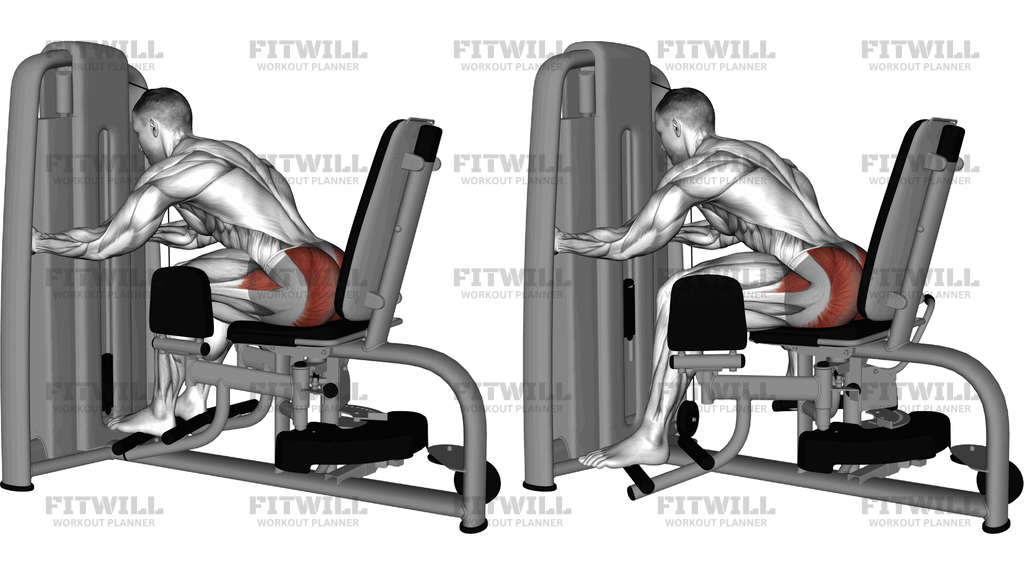
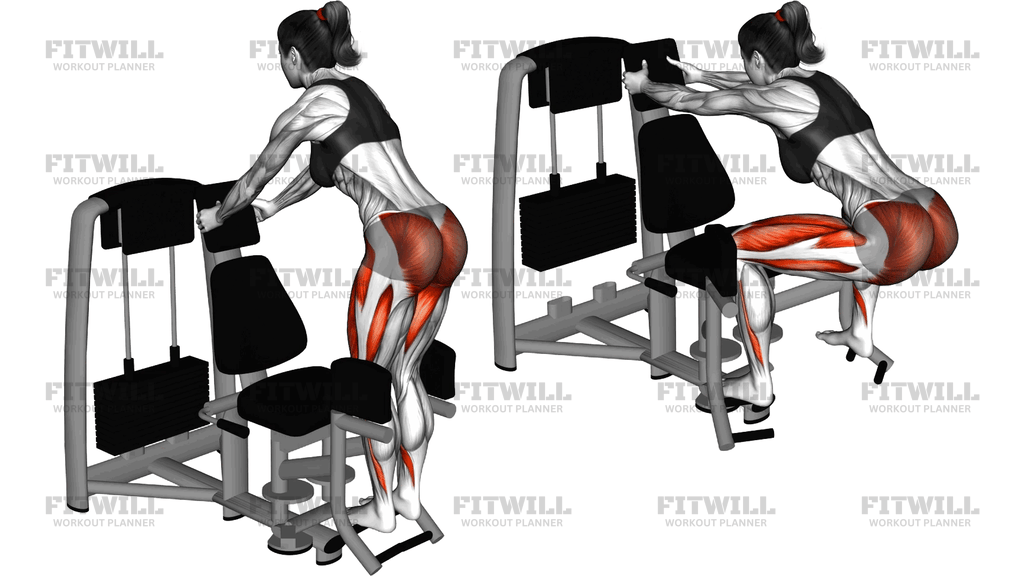
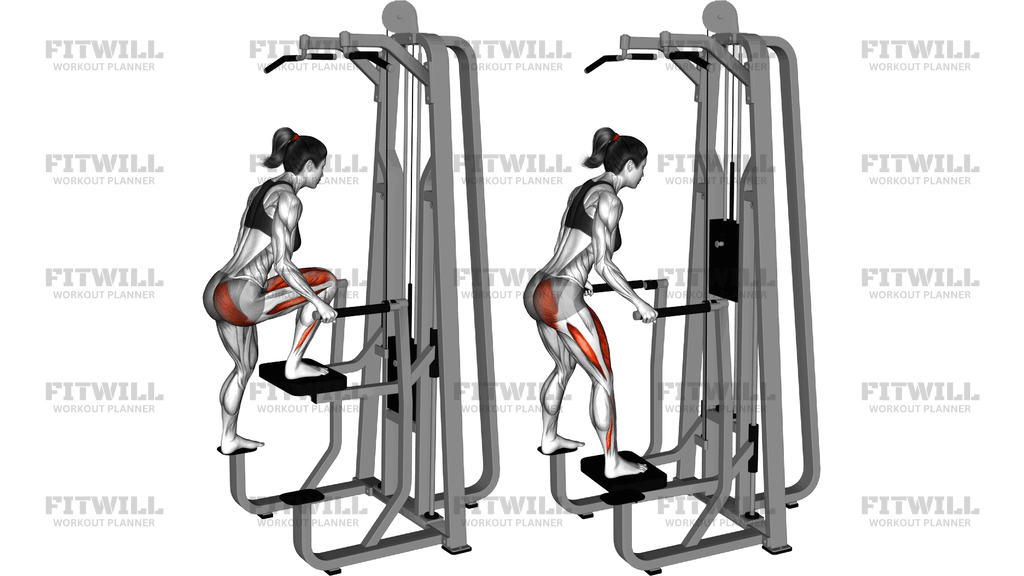
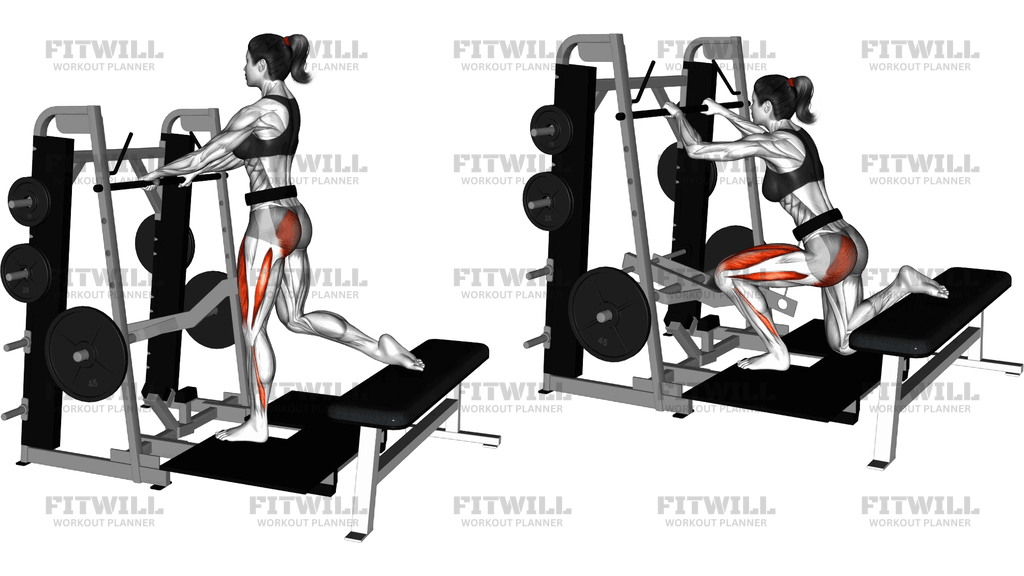
The Lever Pendulum Squat Plate Loaded is a machine squat where your shoulders sit under the pads, your back stays supported, and the lever arm swings through an arcing squat path as you descend and stand. It is a lower-body strength exercise built around a guided pattern, so the quality of the setup matters as much as the load. When the feet, torso, and pad contact are lined up well, the machine lets you train hard without needing to balance the bar or stabilize a free weight.
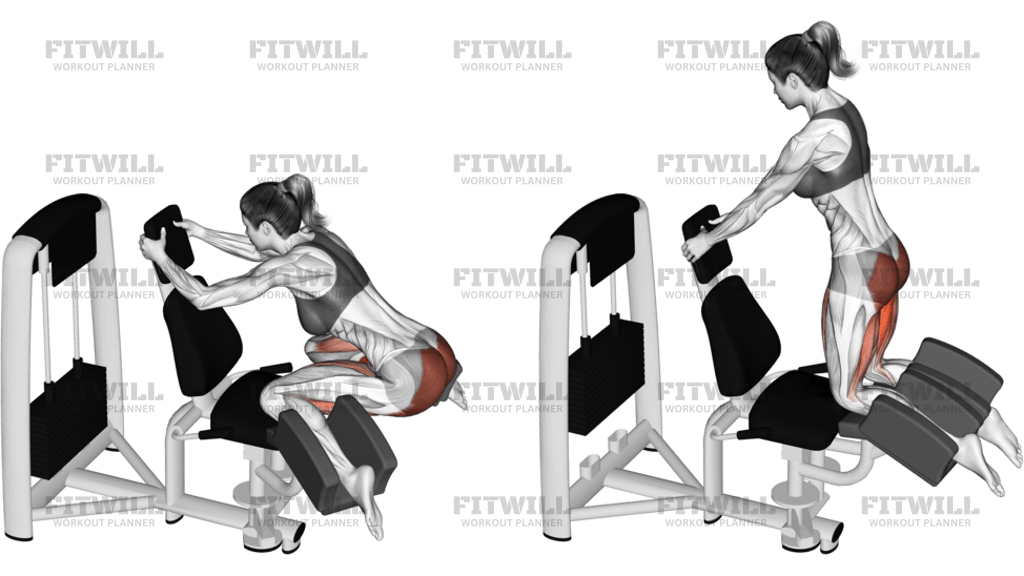
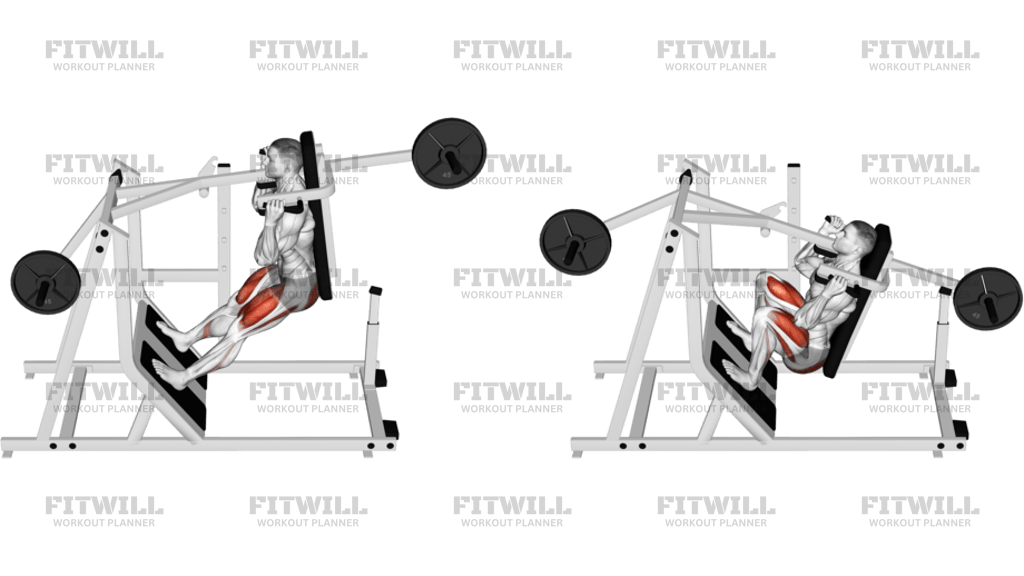
This variation strongly trains the glutes and quads while the hamstrings, adductors, calves, and trunk help control the bottom position and the drive back up. The image shows a deep squat position with the knees traveling forward and the torso staying braced against the back pad, which is typical for a pendulum-style machine. That makes it useful when you want more leg tension and less balance demand than a barbell squat, especially for hypertrophy work or controlled strength sets.
Setup is the main technical decision. Place your shoulders under the pads, keep your upper back pinned to the backrest, and plant your feet on the platform so you can keep the whole foot down through the rep. A slightly lower or mid-foot placement will usually let the knees travel comfortably and keep the lever path smooth. If the feet are too high, you may feel the hips take over; if they are too low, the knees may close too sharply or the heels may start to lift.
Each rep should look like a controlled arc, not a drop. Unlock the machine under tension, descend until you reach a deep but stable squat, and keep the knees tracking in line with the toes as the sled swings down. At the bottom, reverse smoothly and drive the platform away without bouncing out of the hole. Exhale through the hardest part of the ascent and keep your ribs stacked over your pelvis so the trunk does not collapse as the load rises.
Use this exercise when you want a squat pattern that is easy to repeat, easy to load, and easy to keep honest. It works well in quad- or glute-focused sessions, but it also fits full lower-body training when you want a safer way to push close to fatigue. Start light enough to own the full range, then add load only if the machine path, knee tracking, and foot pressure stay consistent from the first rep to the last.
[ Workout Log & Planner ]
Put your next workout in Fitwill
Keep your plan and training log ready when you are.


Instructions
- Step under the shoulder pads and set your upper back firmly against the backrest.
- Place both feet on the angled platform about shoulder-width apart, with the whole foot planted.
- Unrack or unlock the machine smoothly and brace your torso before you start the first descent.
- Lower into the squat by letting the knees travel forward and the hips drop under control.
- Keep the heels down and the knees tracking in line with the toes as the lever swings through the arc.
- Descend until you reach a deep, stable bottom position without letting the pelvis tuck hard under.
- Drive through the midfoot and heels to stand up, keeping pressure even on both feet.
- Exhale as you pass the hardest part of the ascent and finish each rep with the hips and knees fully controlled.
- Re-lock the machine safely after the last rep and step out only when the carriage is secured.
Tips & Tricks
- If the machine feels like it is throwing you forward, move your feet slightly higher on the platform so the squat path feels smoother.
- Keep your upper back glued to the pad; letting the chest peel away from the rest pad usually turns the rep into a partial hinge.
- A controlled knee travel is normal here, but the knees should still track in the same direction as the toes instead of caving inward.
- Use the bottom position to build tension, not to bounce; a short pause can help remove momentum on heavier sets.
- If your heels rise, reduce depth or move the feet slightly until you can keep the whole foot anchored.
- For more quad emphasis, keep the stance moderate and let the knees travel forward naturally.
- For more glute emphasis, use a slightly wider stance and sit deeper only if the pelvis stays controlled.
- Do not chase extra load if the lever arm starts slamming through the arc or the rep speed becomes inconsistent.
- A slow, deliberate eccentric usually makes this machine feel more stable and helps you own the groove.
Frequently Asked Questions
What muscles does the Lever Pendulum Squat Plate Loaded train most?
It primarily trains the glutes and quads, with the hamstrings, adductors, calves, and core helping stabilize the squat.
Where should my shoulders and back sit on the machine?
Your shoulders should stay under the pads and your upper back should remain pressed into the backrest for the whole rep.
How should my feet be positioned on the angled platform?
Start about shoulder-width apart with the whole foot planted. Small adjustments up or down the platform can change whether the set feels more quad- or glute-biased.
Should my knees move forward on a pendulum squat?
Yes. Forward knee travel is part of the machine path, but the knees should still track over the toes and not collapse inward.
Is this machine easier than a barbell squat?
It is usually easier to balance because the path is guided, but it can still be very demanding on the legs because you can load it heavily and use deep range of motion.
Can beginners use this exercise safely?
Yes, if they start with light load, learn the machine path, and keep the back pad and foot position consistent before adding weight.
What is the most common form mistake on this machine?
The most common error is letting the pelvis tuck and the torso lose contact with the backrest at the bottom.
How do I know if the load is too heavy?
If the lever slams through the arc, your heels lift, or your knees cave in before the set is over, the load is too high.