Dumbbell Prone Triceps Kickback
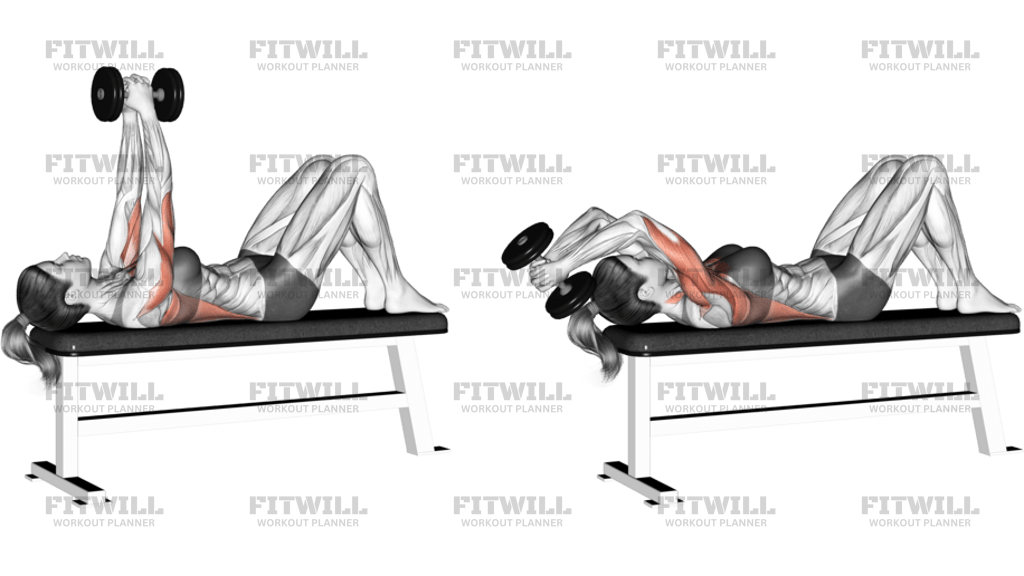
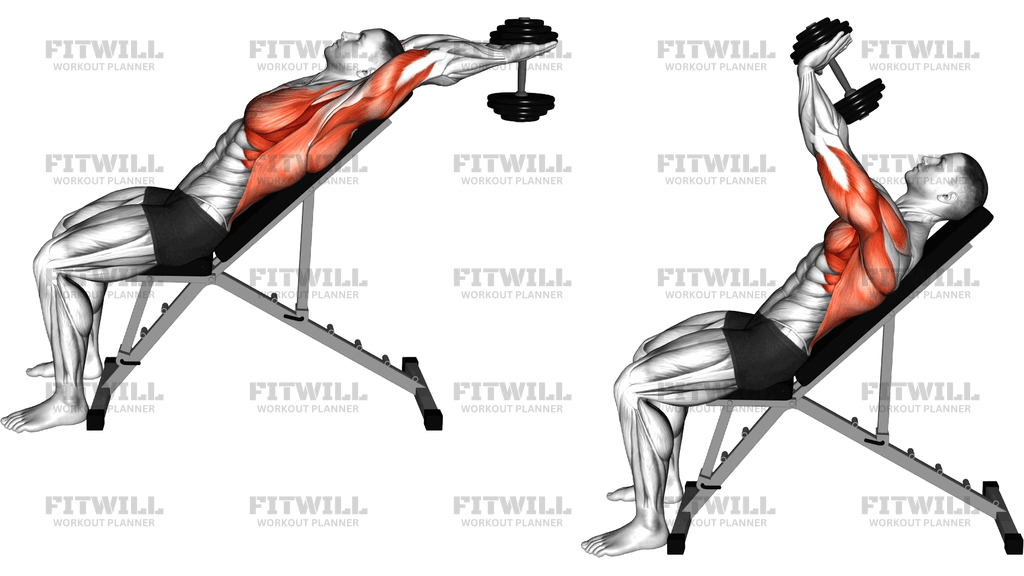
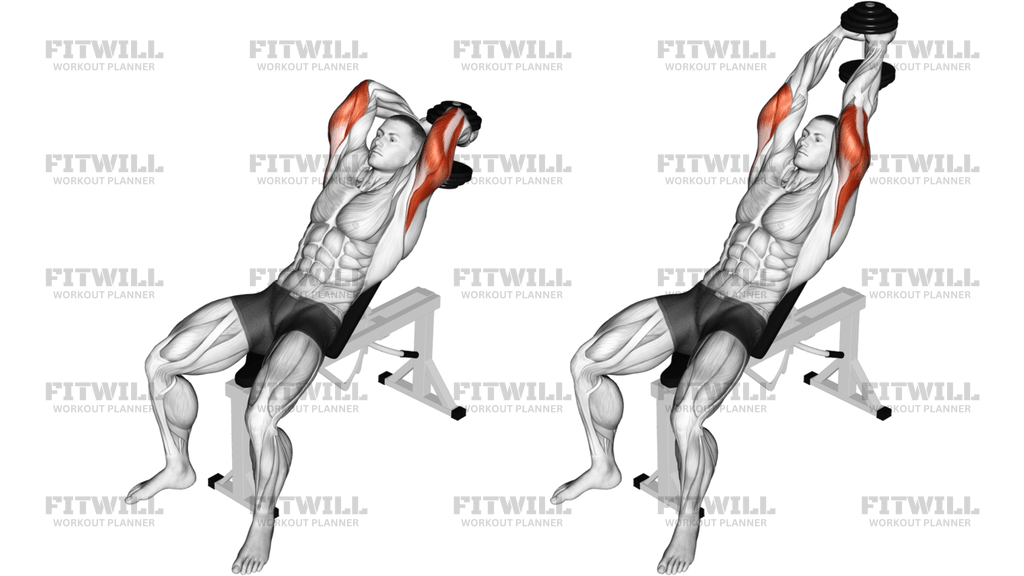
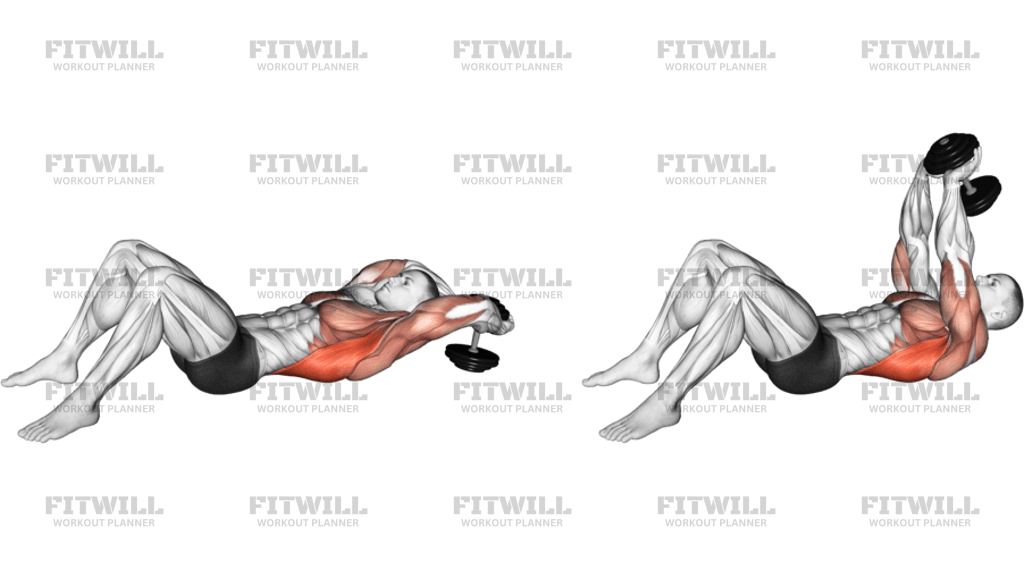
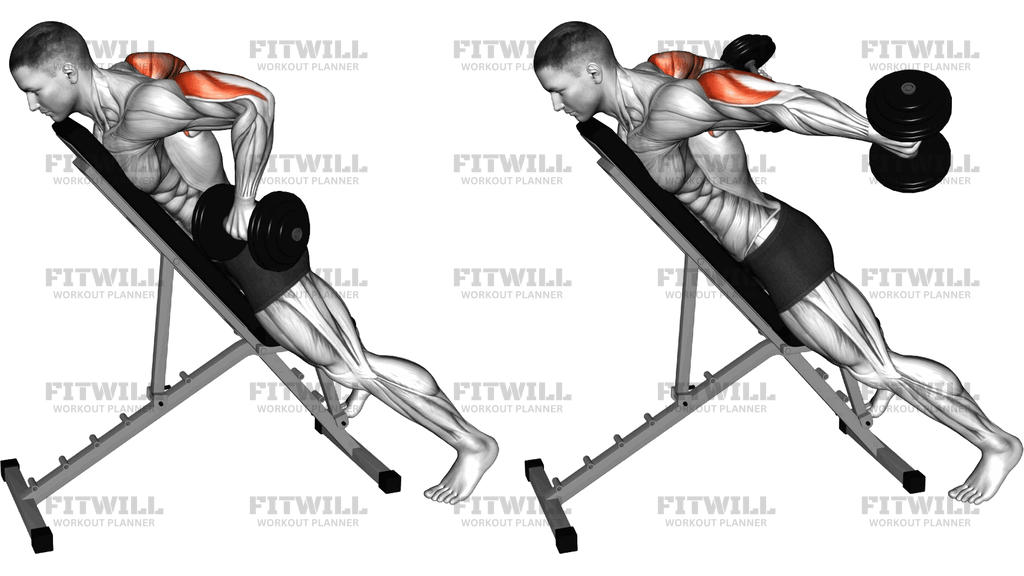
Dumbbell Prone Triceps Kickback is a chest-supported triceps isolation exercise performed face down on an incline bench. The body is fixed on the bench so the elbows, not the torso, create the movement. That makes it a strict option for building triceps strength and control without relying on standing momentum or a swinging upper body.
The working action is elbow extension: the upper arms stay close to the torso while the dumbbells travel backward until the arms are straight. The triceps brachii does most of the work, with the rear delts, forearms, and mid-back helping keep the shoulders organized and the wrists steady. Because the chest is supported, this variation is especially useful when you want clean tension on the back of the arm with less lower-back involvement.
The setup matters. A moderate incline places the torso in a stable, angled position that lets the dumbbells hang naturally under the shoulders. If the bench is too steep, the movement turns into more of a rear-delt raise. If the torso drifts off the pad or the ribs flare, the shoulders and lower back start stealing the rep. A good setup keeps the upper arms still and gives the elbows a clear path to extend behind the body.
Each repetition should begin from a bent-elbow position with the dumbbells controlled and the wrists neutral. From there, press the weights backward by straightening the elbows, pause briefly at lockout, and lower them slowly until the forearms return to the start. The rep should feel smooth and deliberate, with no shrugging, swinging, or snapping at the top.
Use this exercise as accessory work when you want direct triceps volume with a strict body position. It fits well after compound pressing or on an arm-focused day, especially when you want a movement that is easier to load lightly and execute precisely. Keep the range pain-free, pick a weight that lets the shoulders stay quiet, and let the triceps finish every rep instead of momentum.
[ Workout Log & Planner ]
Put your next workout in Fitwill
Keep your plan and training log ready when you are.


Instructions
- Set an incline bench to about 30 to 45 degrees and lie face down with your chest and upper stomach supported on the pad.
- Plant your feet on the floor behind you for balance and let both dumbbells hang under your shoulders with your palms facing in.
- Pull your shoulder blades gently down and keep your neck long so your upper arms stay close to your torso.
- Bend your elbows to about 90 degrees and start with the dumbbells slightly below or just behind your ribcage.
- Brace your midsection, then straighten both elbows to drive the dumbbells backward until your arms are nearly straight.
- Keep the upper arms still as the weights travel; only the elbow joint should open and close.
- Squeeze the triceps for a brief pause at the top without shrugging or arching your lower back.
- Lower the dumbbells slowly until the forearms return to the starting angle and the elbows are bent again.
- Exhale as you extend the elbows and inhale on the controlled return, then repeat for the planned reps.
Tips & Tricks
- Use a lighter load than you would for a standing kickback; the chest support makes cheating easier to notice and harder to hide.
- Keep the upper arms pinned in place. If they drift high, the movement shifts toward rear delts instead of triceps.
- Choose a bench angle that lets the dumbbells travel behind the torso without forcing the shoulders into a high, flared position.
- Stop the rep before the dumbbells crash into your body or your elbows lock with a snap.
- Keep your wrists stacked over the handles so the forearms, not the wrists, take the load.
- Do not press your chest off the bench to create extra range; the torso should stay planted from start to finish.
- A slow lowering phase makes the triceps work harder and helps keep the shoulders quiet.
- If you feel the lower back arching, shorten the range slightly and reset your rib position.
Frequently Asked Questions
What does Dumbbell Prone Triceps Kickback train most?
It primarily trains the triceps through elbow extension, with the rear delts and upper back helping stabilize the chest-supported position.
Why use an incline bench for this triceps kickback?
The incline bench keeps the torso fixed so you can isolate elbow extension and avoid the sway that often turns kickbacks into a body English movement.
How high should the bench be set?
A moderate incline, around 30 to 45 degrees, usually works best because it supports the chest while still letting the dumbbells travel behind the torso.
Should my elbows stay tucked during the rep?
Yes. Keep the upper arms close to your torso and let the elbows open and close without drifting upward or flaring wide.
How heavy should the dumbbells be?
Use a load that lets you keep the chest on the bench, the wrists neutral, and the top position smooth instead of jerky.
Why do I feel this in my shoulders?
A little shoulder involvement is normal, but if the shoulders dominate, the bench is too steep or the upper arms are moving instead of the elbows.
Can beginners do this exercise?
Yes. Beginners can learn it well with very light dumbbells because the supported position makes the rep pattern easy to control.
How is this different from a standing triceps kickback?
The prone version is stricter because the chest support reduces body swing and makes it easier to keep the triceps doing the work.