Standing Ab Twist
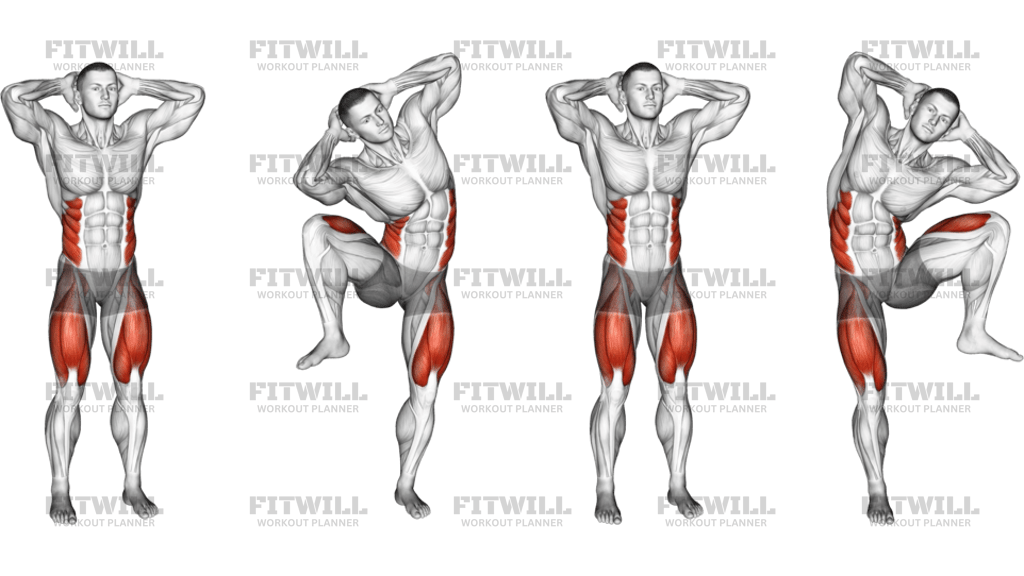
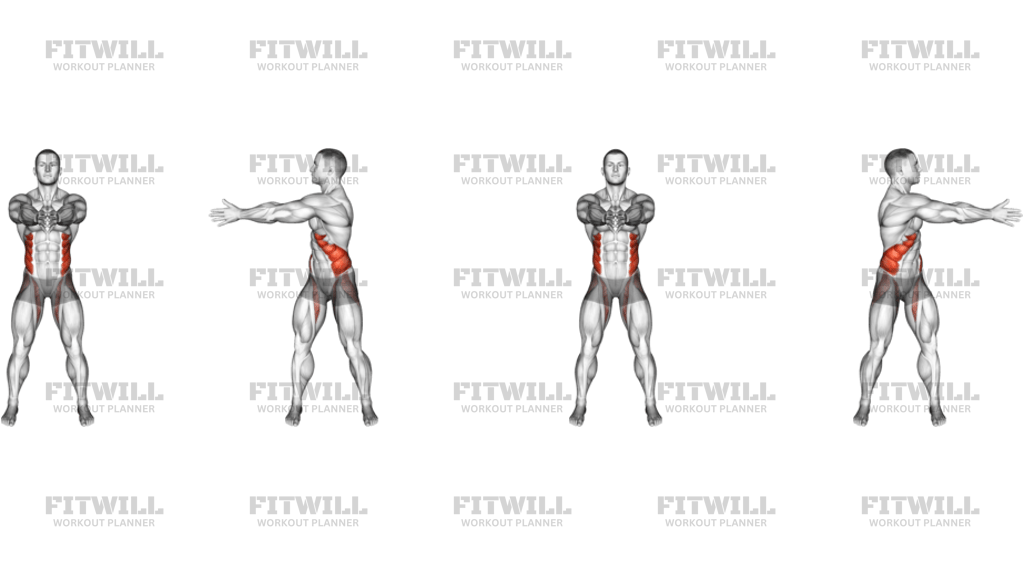
Standing Ab Twist is a standing torso-rotation drill for the midsection, usually done with bodyweight and no external load. The exercise asks you to keep the arms long in front of the body while the ribcage turns side to side, so the work lands on the core instead of on swinging the hands or over-rotating the hips.
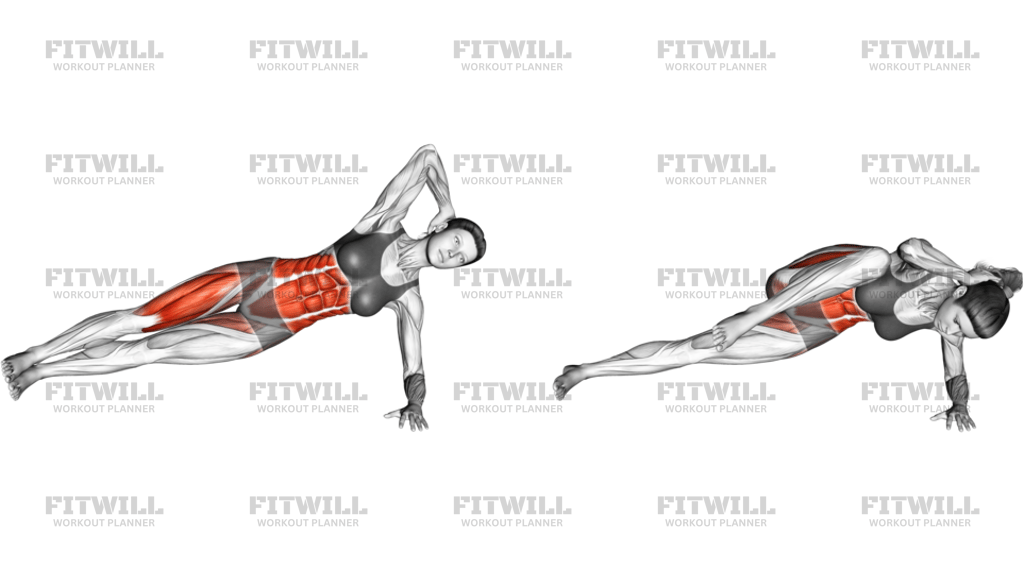
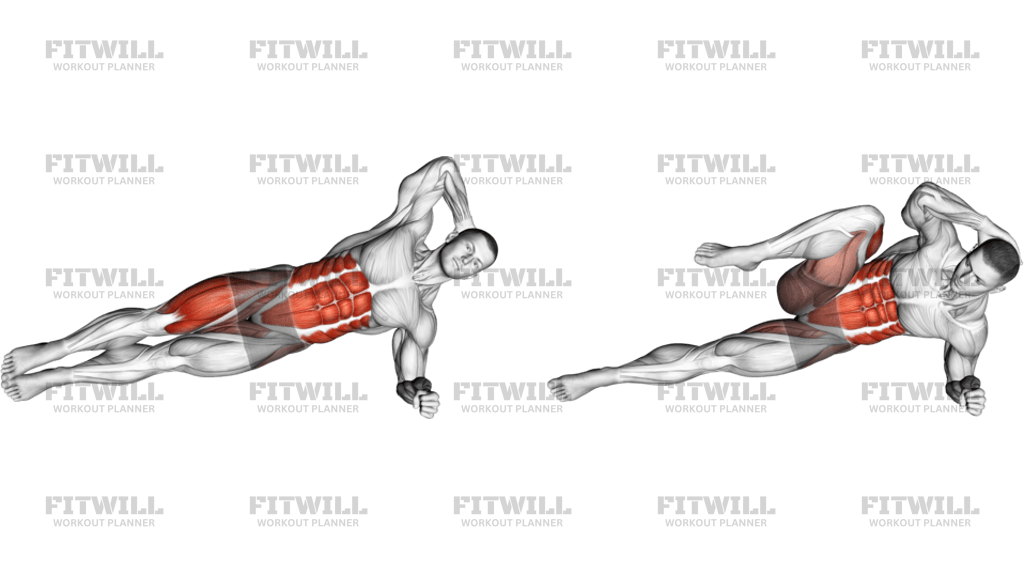
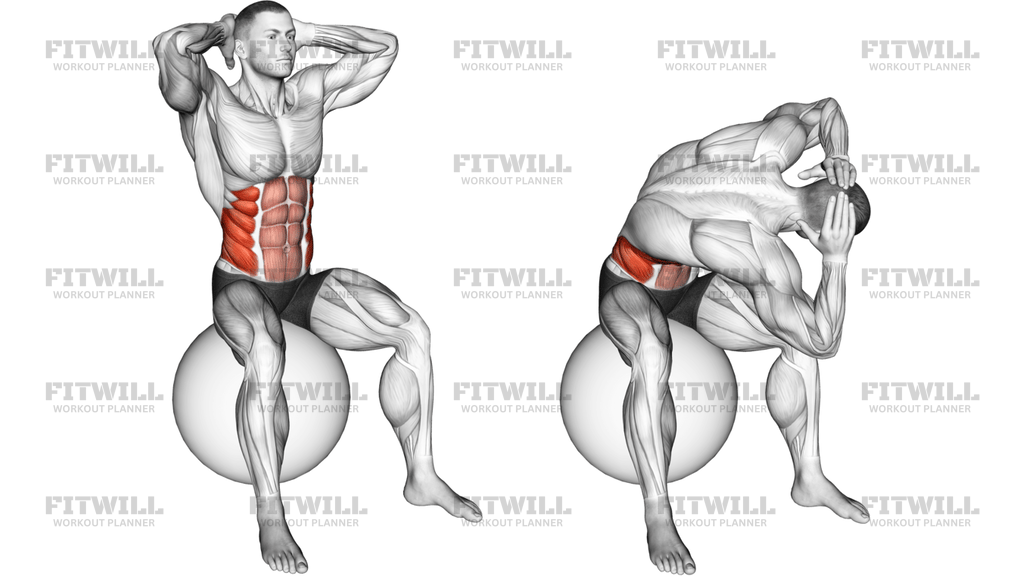
This movement is useful when you want to train rotational control, trunk endurance, and coordination between the abs and obliques. In the image, the emphasis sits on the waistline and side abdominal wall, with the rectus abdominis and external obliques doing most of the visible work. The deep core helps keep the pelvis steady while the upper body rotates.
The setup matters because the exercise becomes sloppy fast if the stance is too narrow, the knees lock out, or the shoulders lead without the torso staying stacked. Stand tall with your feet planted, keep a soft bend in the knees, and hold the arms straight out at shoulder height so the body has a clear starting position before each turn.
From there, rotate the chest and shoulders to one side, then come back through center and repeat to the other side without bouncing. The goal is a smooth, controlled twist with even breathing and no jerk at the end of the range. If you cannot keep the feet grounded or the lower back comfortable, shorten the range and slow the tempo.
Standing Ab Twist works well as a warm-up, accessory core drill, or a low-load conditioning movement. It is not meant to be a big-power rotation exercise. Treat it as a controlled quality drill: clean posture, steady rhythm, and a range that you can repeat without shifting the hips or losing tension in the midsection.
[ Workout Log & Planner ]
Put your next workout in Fitwill
Keep your plan and training log ready when you are.


Instructions
- Stand with your feet about hip-width apart and extend both arms straight out in front of your chest at shoulder height.
- Soften your knees and stack your ribs over your pelvis so you start tall instead of leaning backward.
- Keep your shoulders level, chin neutral, and hands at the same height before you begin the twist.
- Rotate your chest and shoulders to one side while keeping your feet planted and your hips mostly facing forward.
- Turn only as far as you can without bouncing, letting the knees collapse, or wrenching the lower back.
- Pause for a brief moment at the end of the turn while the abs and obliques hold the position.
- Reverse through center under control and rotate to the opposite side with the same smooth tempo.
- Exhale as you twist and inhale as you return through the middle.
- Continue alternating sides for the planned number of repetitions, then lower the arms and reset.
Tips & Tricks
- Keep the twist coming from the ribcage, not from a hard arm swing.
- If your hips spin with every rep, narrow the range and think about turning the sternum while the belt line stays quieter.
- A small knee bend makes it easier to rotate without locking the pelvis and lower back into a rigid position.
- Do not chase maximum range if the last few degrees come from lumbar twisting instead of the trunk turning as a unit.
- Move slowly enough that you can stop the twist cleanly at the end range instead of rebounding into the next rep.
- Keep the arms at shoulder height so the exercise stays honest and does not turn into a reach or a shoulder raise.
- If your feet start pivoting, shorten the turn until you can keep the soles planted.
- A controlled exhale on the twist usually helps the abdominal wall stay active through the rotation.
- Stop the set if you feel a pinching sensation in the low back or if the torso starts leaning instead of rotating.
Frequently Asked Questions
What muscles does Standing Ab Twist work most?
It mainly hits the obliques and rectus abdominis, with the deep core helping keep the pelvis steady.
Should my hips stay still during the twist?
They should stay mostly square to the front. A little natural rotation is fine, but the movement should come from the torso rather than from spinning the whole body.
How far should I rotate on each rep?
Rotate only as far as you can keep the feet planted, the arms level, and the lower back comfortable.
Can beginners do Standing Ab Twist?
Yes. It is beginner-friendly when you use a small range and slow, controlled reps.
Why are the arms held straight out in front?
That arm position gives you a clear lever for the torso to control and makes it easier to notice when momentum starts taking over.
What if I feel this mostly in my lower back?
Reduce the twist range, slow the tempo, and keep the ribs stacked over the pelvis. If it still feels sharp or pinchy, stop the set.
Is this exercise more for warm-up or strength?
It is usually better as a warm-up or accessory core drill than as a heavy strength movement.
Can I hold a weight for extra resistance?
You can, but only if you still rotate smoothly without jerking the torso or losing control of the hips.