Roll Foot
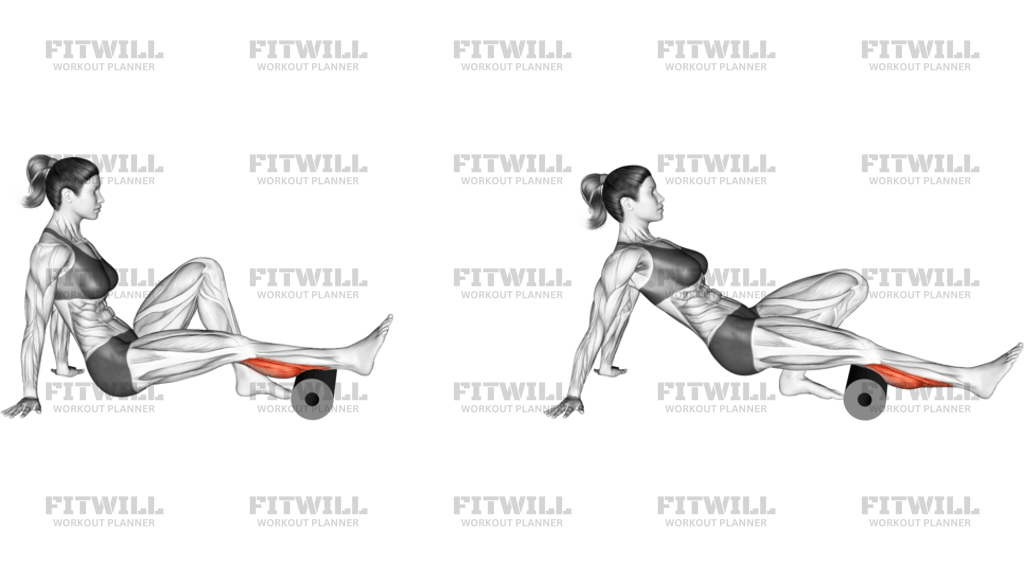
Roll Foot is a standing self-massage exercise that uses a foam roller to work through the sole, arch, and surrounding lower-leg tissues. It is often used when the feet feel stiff after running, long periods of standing, or lots of lower-body training, because the rolling motion lets you apply steady pressure without forcing an aggressive stretch. The goal is not to crush the tissue or chase a huge range. The goal is to create calm, repeatable pressure that helps the foot relax and move more comfortably.
The setup matters because the amount of pressure you feel depends on how much bodyweight you place over the roller. Stand beside a wall, rack, or sturdy post so you can offload some weight with one hand, then place one foot on the roller and keep the other foot planted on the floor. A soft bend in the standing knee and a tall torso make it easier to stay balanced while the working foot glides over the cylinder. If the toes grip or the ankle stiffens hard, the pressure usually gets too sharp and the rolling gets less useful.
During Roll Foot, think of the roller as a massage tool that you guide with small shifts of bodyweight. Roll from the heel through the arch toward the ball of the foot, then come back slowly and repeat with smooth breathing. Pause for a second on a tender spot if it feels like a dull, local pressure, but do not stay on any point that causes sharp pain, numbness, or tingling. Keep the ankle relaxed so the sole can settle onto the roller instead of bouncing or twisting.
This exercise fits well before walking, squatting, lunging, jumping, or a run when the feet feel stiff and need a little motion before loading. It can also work well after training as a recovery drill because the pressure is easy to dose and you can compare one foot to the other. Beginners usually do fine with light wall support and short passes. More experienced lifters and runners often benefit from slower rolls and a slightly longer hold on the tightest section of the arch.
The main thing to watch is the pressure level. If you lean too far over the roller, the foot may guard by curling the toes or shifting onto the outside edge, which turns the movement into a balance drill instead of a foot release. Keep the pressure moderate, keep the stance controlled, and finish the set by stepping off the roller slowly so the foot can re-load cleanly on the floor.
[ Workout Log & Planner ]
Put your next workout in Fitwill
Keep your plan and training log ready when you are.


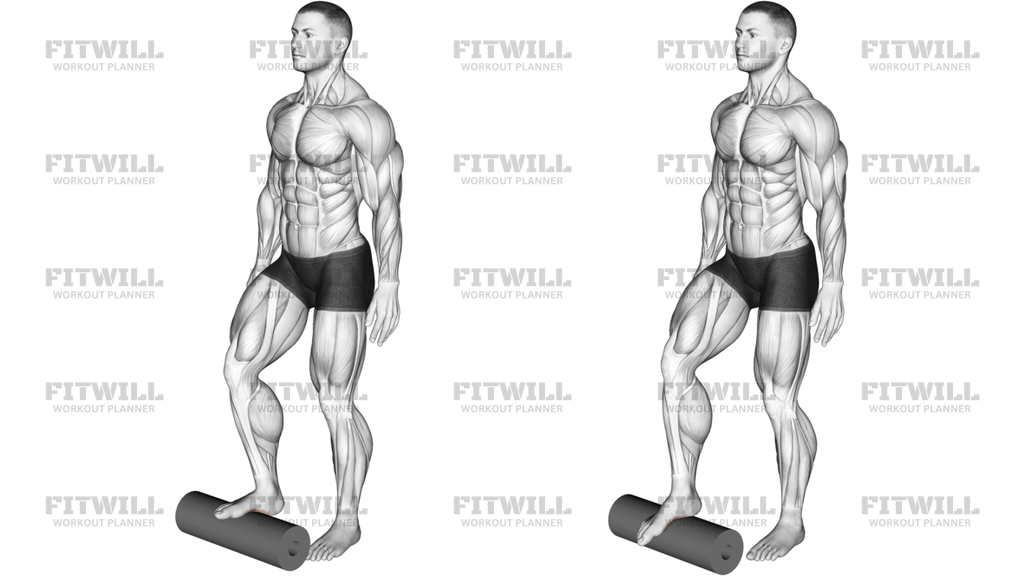
Instructions
- Place a foam roller on a flat, non-slip floor and stand beside a wall or rack for balance.
- Set one foot on top of the roller, keep the other foot planted on the floor, and soften both knees.
- Shift only enough bodyweight onto the roller to feel firm pressure through the sole of the foot.
- Keep the toes relaxed and let the arch settle over the roller instead of gripping for balance.
- Roll the foot slowly from the heel through the arch toward the ball of the foot.
- Pause briefly on any tight spot that feels like dull pressure, then continue the pass.
- Keep the torso tall and breathe steadily while the foot moves over the roller.
- Reduce pressure by leaning back if the sensation gets too sharp or the ankle starts to wobble.
- Step off the roller carefully, then switch feet and repeat the same number of passes.
Tips & Tricks
- Keep one hand on a wall or post so the working foot can stay relaxed instead of fighting for balance.
- If the roller feels too intense, shift more weight to the support leg and use shorter strokes through the arch.
- A small bend in the standing knee usually softens the pressure better than locking the leg straight.
- Do not curl the toes hard around the roller; that often turns the drill into a foot cramp.
- Use slower passes than you would for a warm-up calf movement because the sole responds better to steady pressure.
- If the outer edge of the foot dominates, reset so the big toe mound and heel both share contact.
- A brief pause on a tender patch is more useful than sliding rapidly back and forth over the same spot.
- Barefoot rolling gives the most direct feedback, while a sock can make the roller glide more if the pressure feels abrasive.
Frequently Asked Questions
What does Roll Foot work most?
It mainly targets the sole of the foot, the arch, and the tissues that connect into the lower calf.
Can beginners do Roll Foot safely?
Yes, as long as they start with light pressure and hold onto a wall or rack for balance.
Where should the roller sit on my foot?
Start with the roller under the heel and arch, then roll toward the ball of the foot without forcing the toes to curl.
How much pressure should Roll Foot use?
Enough to feel firm pressure, but not so much that you limp, brace hard, or feel sharp pain.
Should I do Roll Foot before or after training?
It works well before running or leg training if the foot feels stiff, and it also works well after training for a recovery pass.
Why do I need to hold onto something?
A light hand support lets you keep the pressure on the foot instead of turning the movement into a balance exercise.
What if the roller slides around?
Put it on a grippy surface, slow the motion down, and shift less bodyweight onto it.
When should I stop the set?
Stop if you feel sharp pain, numbness, tingling, or a strong cramping response in the foot.