Roll Peroneal Side Lying On Floor
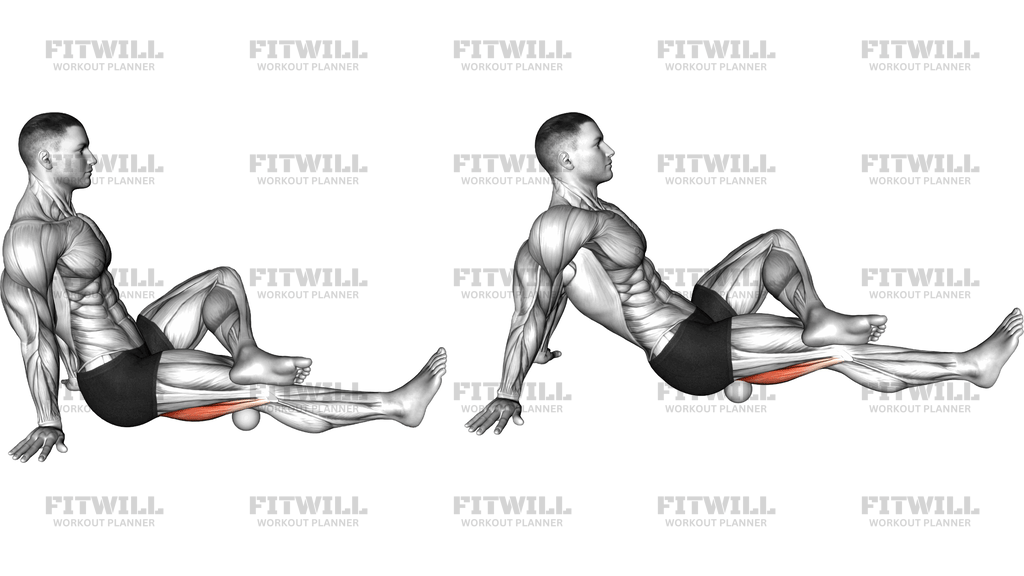
Roll Peroneal Side Lying On Floor is a side-lying self-massage drill for the outer lower leg, aimed at the peroneal muscles that run along the outside of the shin and ankle. The exercise uses a roll or massage tool to apply controlled pressure to the muscle belly rather than to the bone, giving you a practical way to loosen a stubborn outer-calf line that often feels tight after running, cutting, hiking, or a lot of ankle stabilization work.
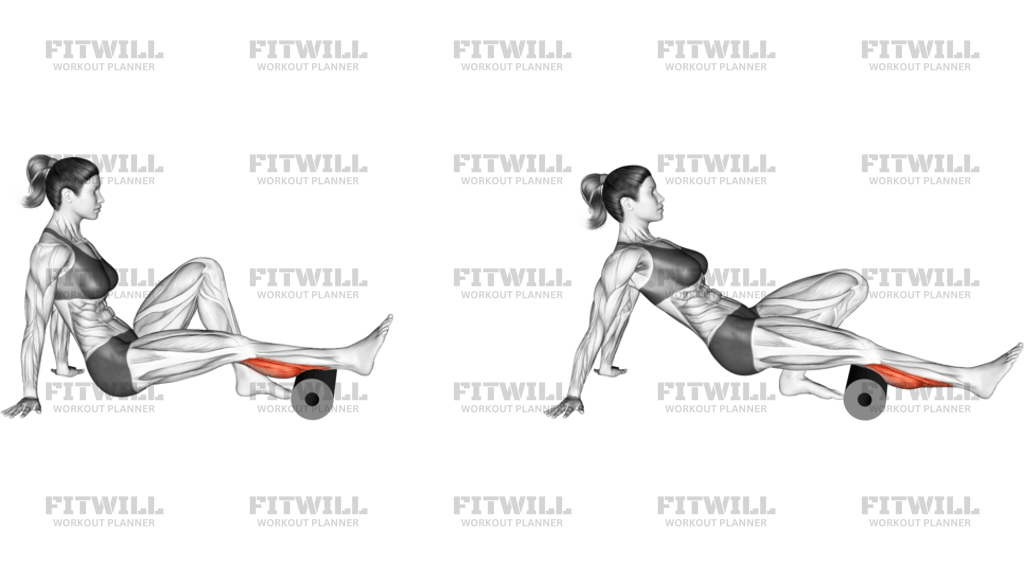
The setup matters because the target tissue is narrow and easy to miss. In the image, the body is supported on the forearm and opposite hand while the working leg stays long on the floor and the roller sits under the lateral lower leg. That position lets you unload enough body weight to find pressure without collapsing onto the ankle or fibular head. When the alignment is right, the sensation should stay on the outer calf, not on the knee joint, the ankle bone, or the front of the shin.
A good rep is slow and specific. Shift just enough body weight to create firm but tolerable pressure, then make short passes up and down the peroneal line from just below the outside of the knee toward the upper ankle. Small changes in hip rotation, foot angle, and forearm support will change the pressure noticeably, so use those adjustments instead of forcing the roller deeper. The goal is to scan the tissue, not grind through it.
This drill works well before lower-body training when the outside of the lower leg feels guarded, or after sessions when the ankle and calf need to calm down. Keep the breathing smooth, soften the foot, and stop if the pressure becomes sharp, numb, or joint-like. If you need more intensity, increase load gradually and stay on the muscle belly; if the pressure is too aggressive, support more of your body with the arms or slide the roller slightly higher or lower on the calf.
[ Workout Log & Planner ]
Put your next workout in Fitwill
Keep your plan and training log ready when you are.


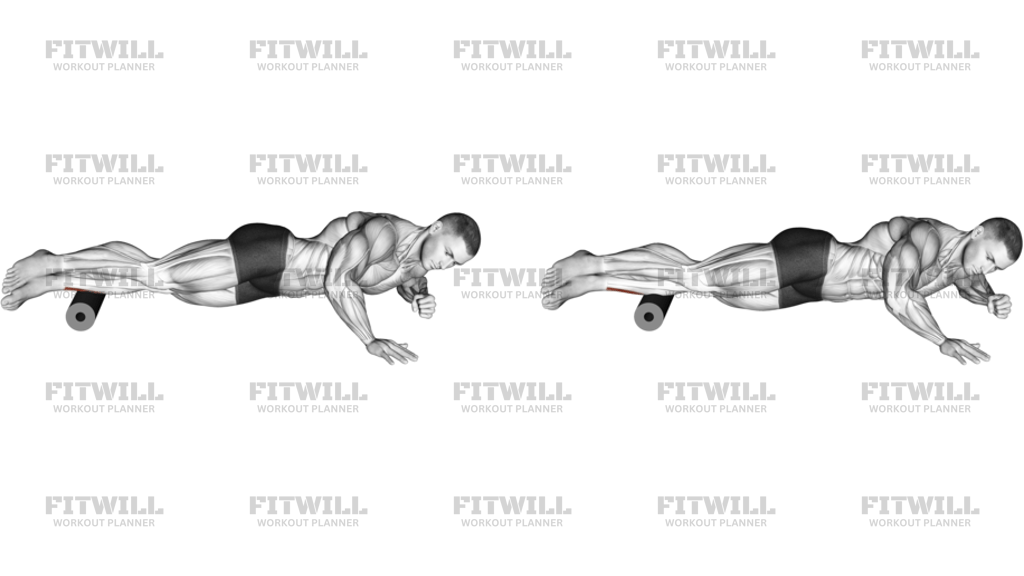
Instructions
- Lie on your side on the floor with the roller under the outer lower leg of the working side, starting just below the outside of the knee.
- Prop yourself on the forearm and opposite hand so you can control how much weight settles onto the roller.
- Keep the working leg long and relaxed, and place the top leg where it helps you stay balanced without crushing the roller.
- Turn the foot slightly so the outer calf muscle belly is exposed, not tucked behind the shin bone.
- Shift your body a few centimeters until you feel firm pressure along the peroneal muscles rather than on the ankle or fibular head.
- Roll slowly from the upper outer calf toward the area just above the ankle, keeping each pass short and deliberate.
- Pause on tender spots for one or two breaths, then ease the pressure a little before moving again.
- Keep the neck, ribs, and hips quiet as you work, using the arms to modulate pressure instead of twisting through the torso.
- Repeat the scan for the planned time or reps, then come off the roller slowly before changing sides.
Tips & Tricks
- If the pressure feels sharp, move off the bony edge of the fibula and back onto the soft muscle belly.
- Short passes work better than long sweeps because the peroneals are a narrow target on the outside of the leg.
- A small hip turn can change the pressure a lot, so use body angle before adding more body weight.
- Keep the foot relaxed instead of pointing hard; bracing the ankle often makes the outer calf harder to soften.
- Use the forearm and opposite hand to fine-tune pressure instead of dropping all your weight at once.
- Stay below the knee joint and above the ankle joint; the drill should feel muscular, not like a joint pinch.
- Breathing should stay easy enough that you can hold the tender spot without guarding.
- Finish the set if the tissue stops feeling like pressure and starts feeling like irritation or numbness.
Frequently Asked Questions
What does Roll Peroneal Side Lying On Floor target?
It targets the peroneal muscles along the outside of the lower leg, with some work also reaching the surrounding outer-calf tissue.
Where should the roller sit on the leg?
Place it on the soft tissue of the outer calf, starting just below the outside of the knee and moving toward the upper ankle.
Should this feel like pressure on bone?
No. The useful version feels like firm muscle pressure, not a sharp hit on the fibular head, ankle bone, or shin.
How much body weight should I use?
Use only enough weight to feel the tissue respond while you can still breathe and keep the torso relaxed.
Can beginners use this exercise?
Yes. Beginners usually do best with short passes, light pressure, and a lot of support through the arms.
How long should I stay on one side?
A short scan of 30 to 60 seconds per side is usually enough, or a few slow passes if you are treating a very specific spot.
When is this most useful in a workout?
It works well before running or lower-body training, or after training when the outer calf feels tight or overworked.
What is the most common mistake?
The biggest mistake is rolling too aggressively and drifting onto the knee, ankle, or the bony edge of the lower leg.