Roll Ball Popliteal
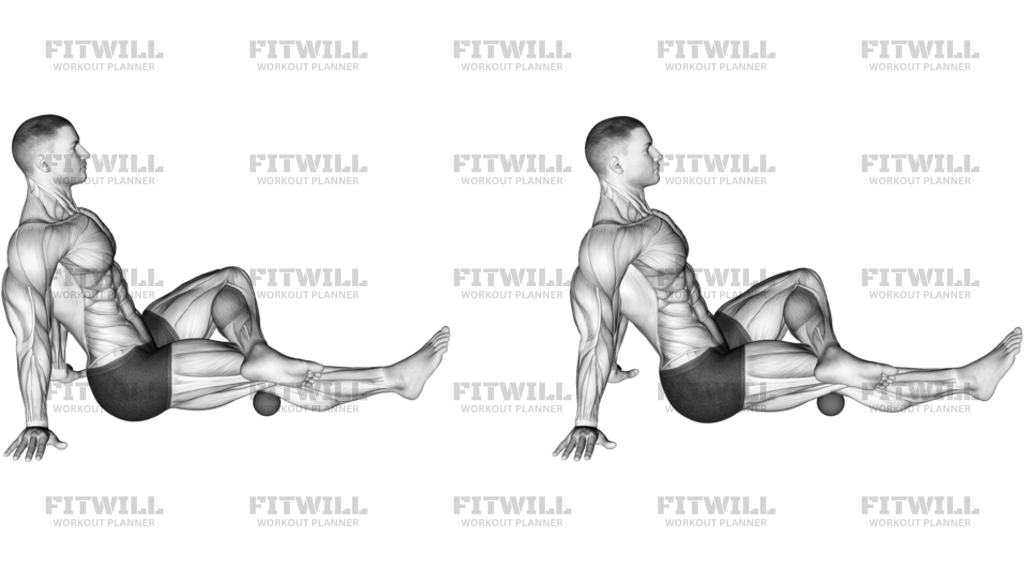
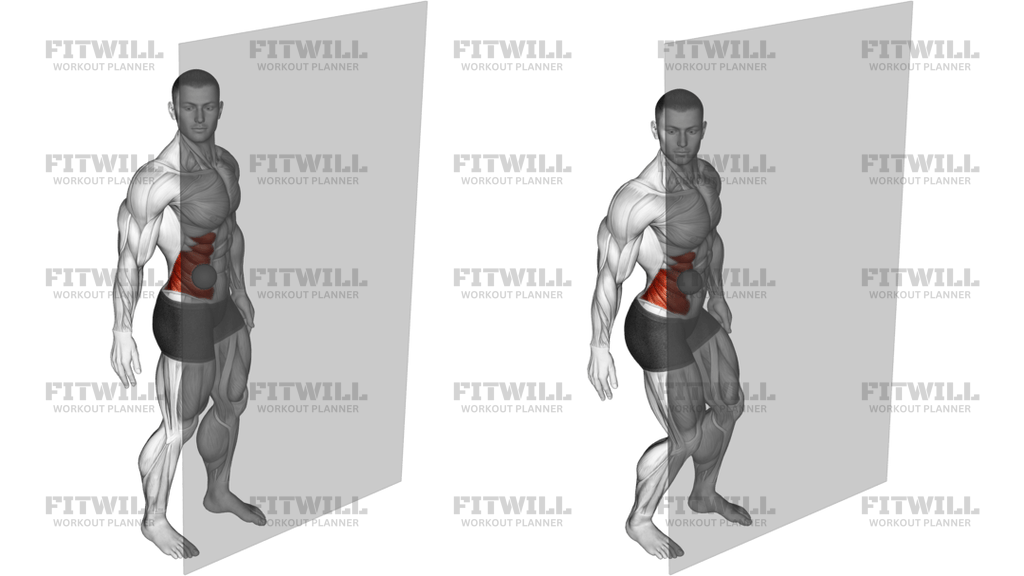
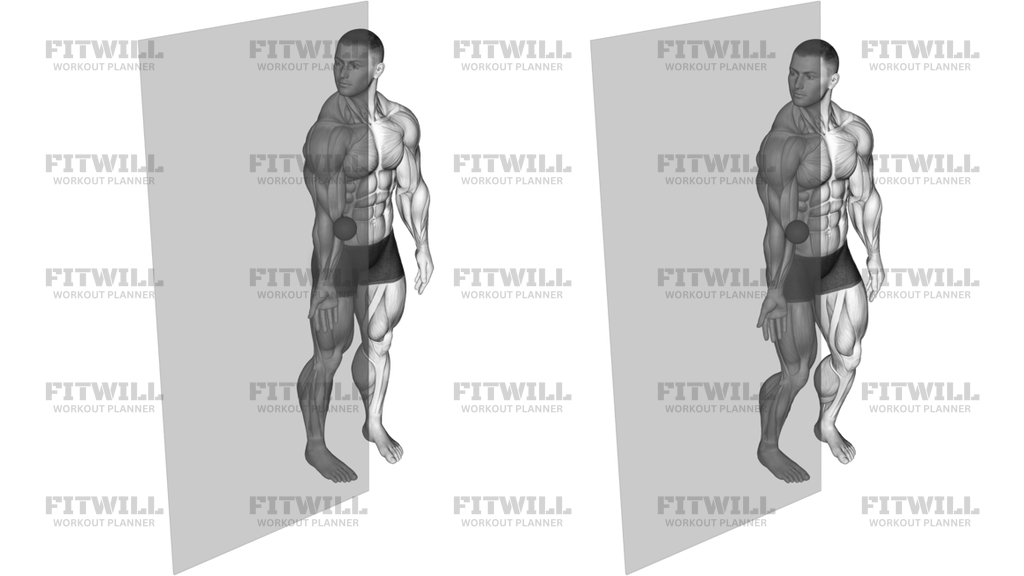
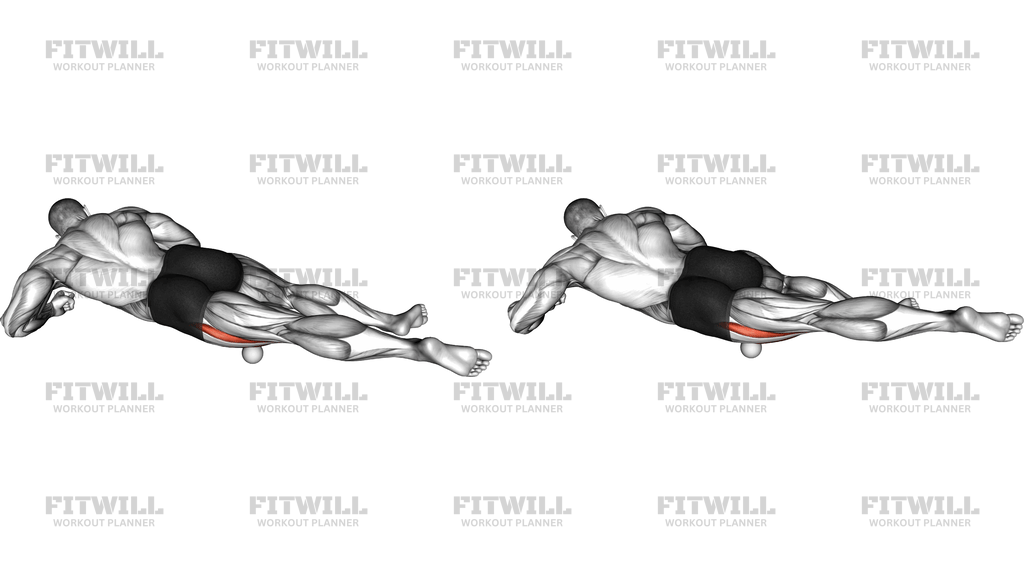
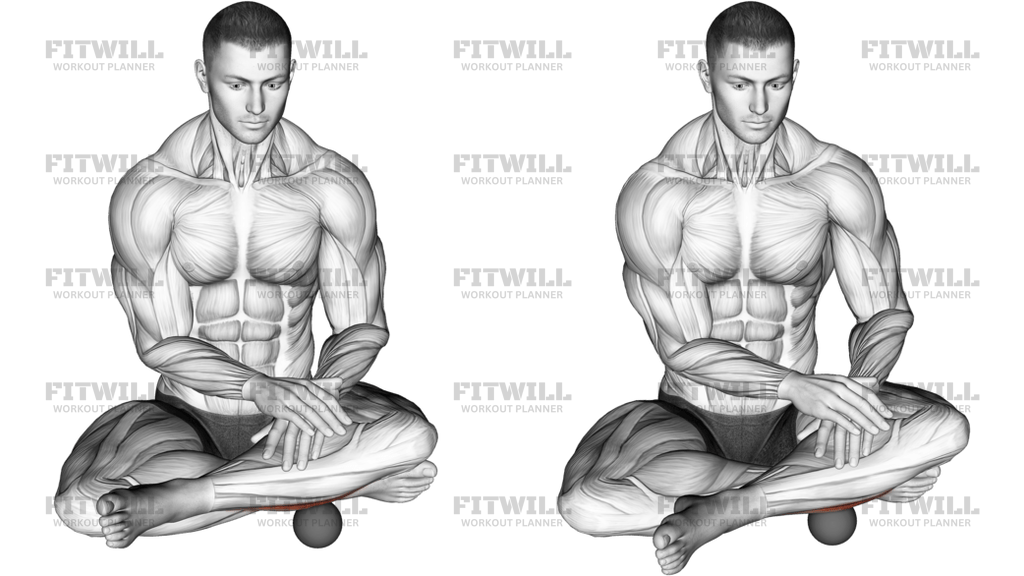
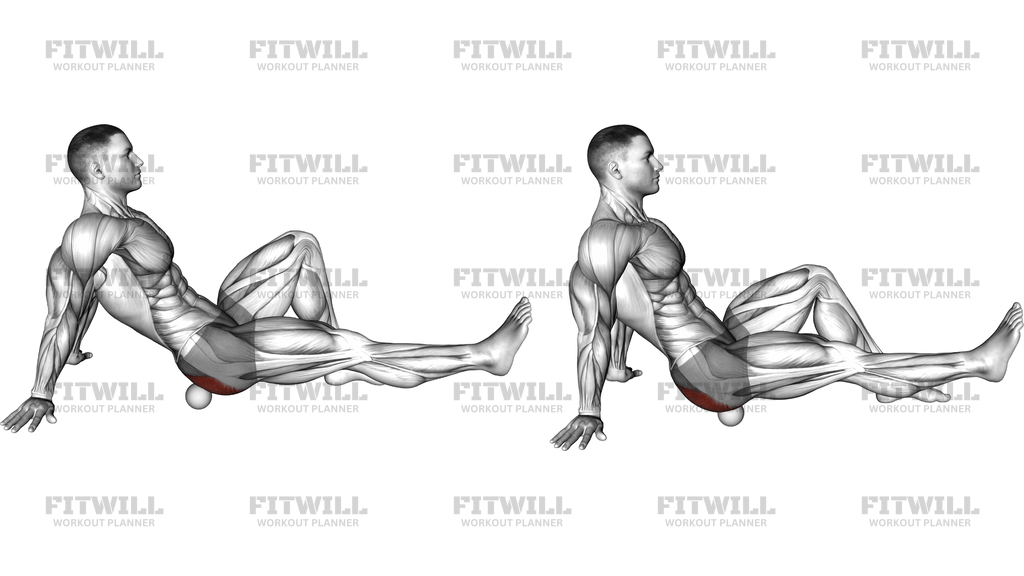
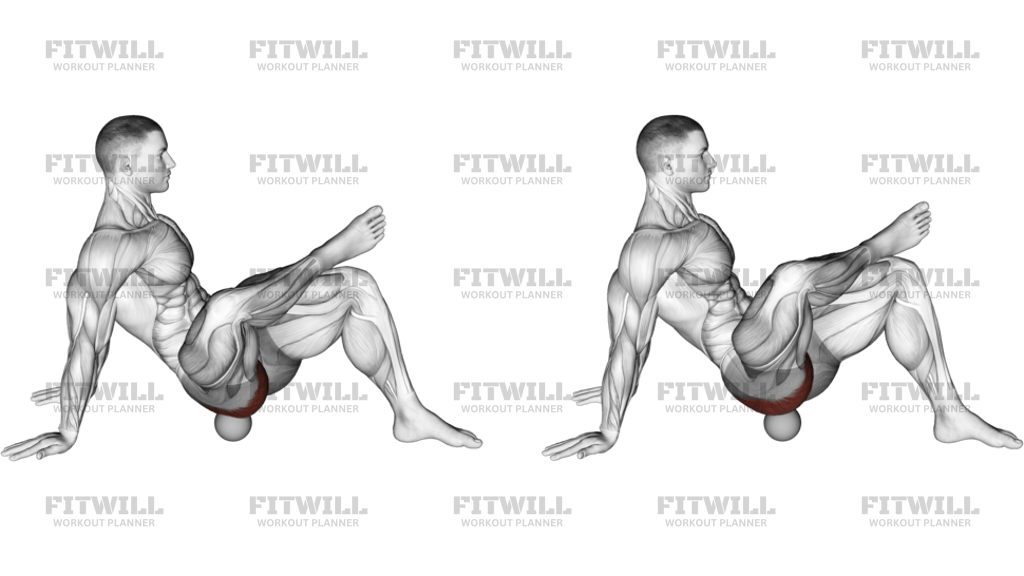
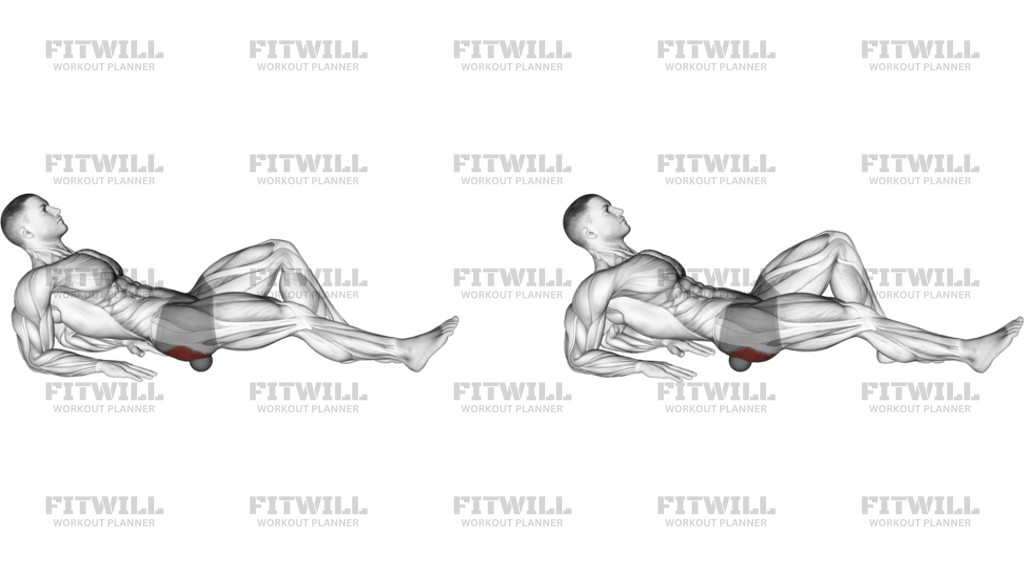
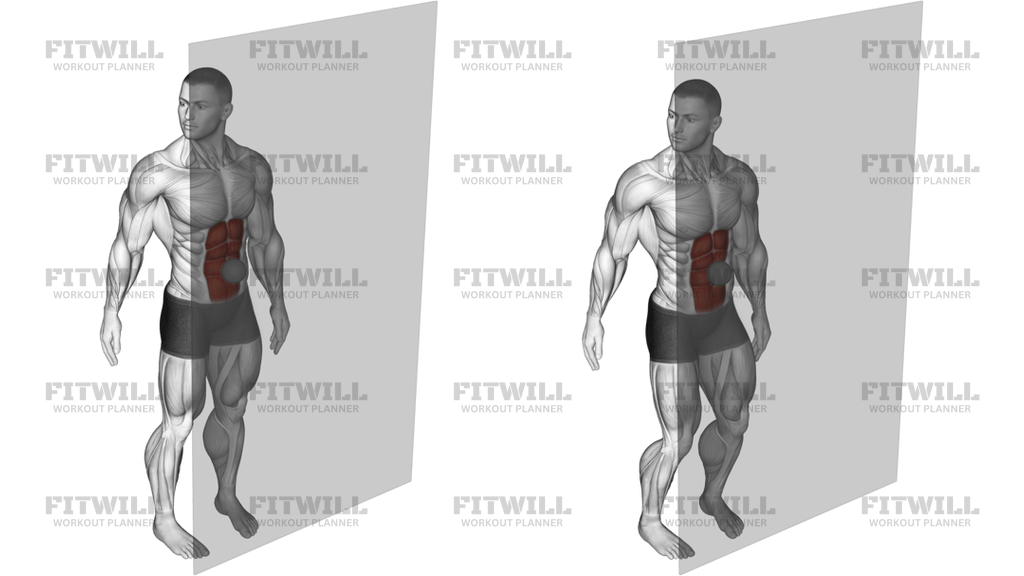
Roll Ball Popliteal is a seated floor mobility drill that uses a small rollball under the lower leg to work the back-of-knee line in a controlled way. In the image, the athlete is leaning back on the hands, keeping one leg bent for support while the working leg glides the ball along the lower leg. The movement is small, but it creates a useful stretch-and-release feeling through the popliteal area, hamstrings, and upper calf.
This exercise is less about loading a muscle hard and more about restoring comfortable knee motion. Rolling the ball toward the knee increases bend, while rolling it away opens the knee and lengthens the back of the leg. That back-and-forth pattern can help reduce stiffness after sitting, running, squatting, or any session that leaves the posterior chain feeling tight.
Setup matters because the ball sits close to the knee and the pressure changes quickly. If the hips twist or the trunk collapses, the ball will drift and the sensation will move away from the target line. Keep the pelvis mostly square, use the hands to support some body weight, and let the heel stay light on the ball so the lower leg can glide instead of forcing the tissue.
Use smooth, pain-free reps and stay out of any sharp pinch behind the knee. The goal is a controlled roll that feels like a gentle mobilization, not a hard push. It works well in a warm-up, recovery block, or mobility circuit when you want the back of the knee and lower leg to move more freely without aggressive stretching.
[ Workout Log & Planner ]
Put your next workout in Fitwill
Keep your plan and training log ready when you are.


Instructions
- Sit on the floor and place the rollball under the lower leg of the working side, just below the knee and above the ankle.
- Lean back on your hands with your fingers pointed slightly outward, and bend the other knee with that foot flat on the floor for balance.
- Keep the working heel resting lightly on the ball and square your hips before you start the first roll.
- Exhale as you press the heel away and roll the ball toward the ankle, letting the knee open without locking hard.
- Inhale as you draw the heel back and roll the ball toward the back of the knee, keeping the movement smooth and small.
- Let the pelvis stay quiet while the lower leg moves, and avoid rocking the torso side to side.
- Pause briefly at each end of the roll to feel a gentle stretch, not a sharp pinch behind the knee.
- Repeat for the planned reps, then switch sides and match the same range and tempo.
Tips & Tricks
- Keep most of your weight in your hands so the rollball pressure stays light and the back of the knee does not get compressed.
- If the ball feels too close to the kneecap, move it a little lower on the calf and shorten the roll.
- Do not force the knee straight; the useful range here is usually a small, smooth glide rather than a big stretch.
- Keep the ankle relaxed instead of actively pointing hard, or the calf can take over the movement.
- Move slowly enough that the ball does not skid across the floor when you change direction.
- A softer ball or a thicker mat can make the drill more comfortable if the floor feels harsh.
- If you feel a sharp pinch in the back of the knee, reduce the range immediately and lighten the pressure.
- Use steady breathing and let the exhale match the roll away from the knee so the leg does not tense up.
Frequently Asked Questions
What does Roll Ball Popliteal train?
It mainly works mobility and control through the back of the knee, with the hamstrings and upper calf contributing to the movement.
Where should the rollball sit during the exercise?
Place it under the lower leg on the working side, just below the knee so the ball can roll toward and away from the popliteal area.
Should I feel this in my hamstrings or calf?
A mild stretch through the hamstrings and upper calf is normal, but the sensation should stay controlled and centered behind the knee.
Can beginners do this safely?
Yes, as long as they keep the range small, support their body weight with the hands, and avoid any sharp pressure behind the knee.
What is the most common mistake?
People often try to force a bigger roll or let the hips twist, which shifts the pressure away from the target line.
Why do the hands stay behind the body?
The hands unload the pelvis and let you control how much pressure the lower leg and back of the knee take on the ball.
How far should the leg move?
Only as far as you can keep the ball smooth and the back of the knee comfortable; this drill works best with a short, controlled range.
When is this exercise useful?
It fits well before lower-body training, after long periods of sitting, or during recovery work when the back of the leg feels stiff.